DeSoto Diecast Model Cars
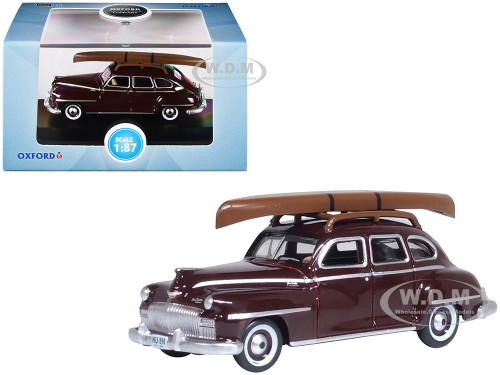
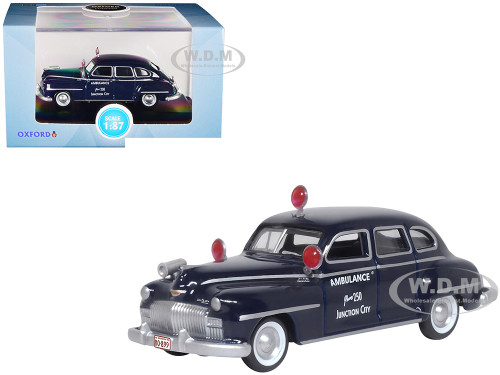
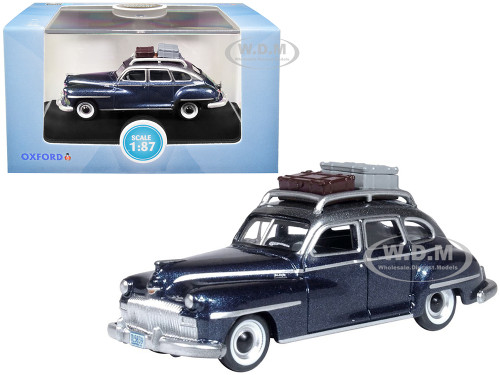
Discover DeSoto diecast model cars representing one of the distinctive American automobile brands of the mid-20th century. Known for expressive styling, chrome-heavy details, powerful engines, and strong connections to Chrysler Corporation, DeSoto automobiles are especially appealing to collectors of classic American cars and vehicles from the 1930s through the 1960s.
The DeSoto category at DiecastModelsWholesale.com features collectible model cars in popular scales such as 1/12, 1/18, 1/24, and 1/43, depending on the individual release. Models may represent different generations and body styles from DeSoto's history, including sedans, coupes, convertibles, and other classic American designs.
Whether you are collecting a particular era, building a display of historic Chrysler brands, or simply appreciate the distinctive styling of postwar American automobiles, a DeSoto diecast model can add something different to a classic-car collection.
The History of DeSoto
The DeSoto automobile brand was introduced by Chrysler Corporation in 1928 and named after Spanish explorer Hernando de Soto. Chrysler positioned DeSoto between Plymouth and Chrysler in its brand hierarchy, giving the company another marque aimed at the growing American middle-market automobile segment.
DeSoto quickly established an identity of its own. Although it shared engineering and components with other Chrysler Corporation products, its cars received distinctive grilles, trim, body styling, and badging. This combination allowed DeSoto to occupy its own place within Chrysler's expanding range of automobile brands.
The timing of DeSoto's introduction was significant. The brand arrived just before the stock-market crash of 1929 and the economic difficulties of the Great Depression. Despite the challenging environment, DeSoto survived and developed a substantial range of automobiles.
During the 1930s, DeSoto produced a variety of cars ranging from conventional sedans and coupes to more advanced designs. The company adopted Chrysler engineering developments while maintaining styling differences that made DeSoto automobiles recognizable.
DeSoto Cars of the 1930s and 1940s
Early DeSoto automobiles provide an interesting subject for collectors interested in the development of American cars during the prewar period.
The brand offered six-cylinder cars during its early years and later introduced increasingly sophisticated models. DeSoto's products reflected broader developments in American automotive design, including improved aerodynamics, integrated body styling, more powerful engines, and changing passenger-car proportions.
The DeSoto Airflow, introduced for 1934, is particularly significant. Developed during Chrysler's experimentation with streamlined automobile design, the Airflow featured a more aerodynamic body and engineering approach than many conventional cars of the period. While the Airflow concept was shared with Chrysler-branded automobiles, DeSoto's version has become an interesting collectible subject in its own right.
DeSoto continued producing automobiles through the late 1930s, and its prewar cars can be especially appealing to collectors who enjoy the transition from traditional upright automobiles to more integrated and streamlined body designs.
Production of civilian automobiles was interrupted during World War II as American manufacturers shifted their resources toward military production. After the war, DeSoto returned to the passenger-car market with new designs.
DeSoto's Postwar Era
The late 1940s and 1950s were among the most visually distinctive periods in DeSoto history. American automobile manufacturers competed through styling, chrome, colors, comfort features, and increasingly powerful engines.
DeSoto participated fully in this period of rapid automotive development. Its cars adopted increasingly dramatic bodywork and elaborate front-end designs, making many 1950s DeSotos immediately recognizable.
Models such as the DeSoto Custom, DeSoto Deluxe, Firedome, Fireflite, and Adventurer represent different stages of the company's postwar development.
The Firedome name was introduced in 1952 and was associated with DeSoto's new Hemi V8 era. The larger Fireflite followed as another important model line, while the Adventurer became one of the best-known names associated with DeSoto's performance-oriented and premium automobiles.
For diecast collectors, these cars can be particularly attractive because the original vehicles featured many of the design elements that make 1950s American automobiles popular today: large grilles, extensive chrome trim, sweeping body lines, tailfins, two-tone paint schemes, and increasingly elaborate interiors.
The DeSoto Adventurer
The DeSoto Adventurer is an especially notable model for collectors.
Introduced in 1956 as a high-performance and premium DeSoto, the Adventurer represented the brand's response to the growing American interest in powerful and stylish automobiles. It was offered in distinctive body styles and became associated with high-output V8 engines and striking trim.
The Adventurer evolved during DeSoto's late-1950s styling changes. As American cars became larger and more dramatic, DeSoto incorporated prominent tailfins and distinctive rear styling into its designs.
A DeSoto Adventurer diecast model can therefore be an excellent choice for collectors focusing on 1950s American cars, classic fins-and-chrome automobiles, Chrysler vehicles, or historic American performance cars.
DeSoto Models and Body Styles
One of the advantages of collecting DeSoto diecast models is the variety of vehicles produced under the brand.
Depending on the manufacturer and release, collectors may encounter:
- DeSoto Deluxe
- DeSoto Custom
- DeSoto Firedome
- DeSoto Fireflite
- DeSoto Adventurer
- DeSoto Airflow
- DeSoto sedans
- DeSoto coupes
- DeSoto convertibles
- Classic DeSoto hardtops
Individual diecast releases can represent specific model years, body styles, trims, and factory configurations. Collectors should therefore check the individual product specifications when comparing similar-looking DeSoto models.
DeSoto and Chrysler Corporation
DeSoto's history cannot be separated from Chrysler Corporation. It was one of several marques operated by Chrysler during an era when large American automobile companies marketed different brands at different price levels.
DeSoto occupied an important position within that hierarchy. It was generally positioned above Plymouth and Dodge and below Chrysler, although the exact positioning and product relationships changed over time.
DeSoto automobiles shared technology and components with other Chrysler products while retaining their own styling identity. This makes DeSoto models particularly interesting when displayed alongside other Chrysler-era automobiles.
A collection could, for example, use DeSoto models to illustrate how Chrysler's different marques approached the same periods of American automotive design.
The Final DeSoto Cars
By the late 1950s, the American automobile market was changing. Consumer preferences, economic pressures, increased competition within Chrysler's own brand structure, and changing vehicle sizes all affected DeSoto.
DeSoto entered the 1960s with smaller and more conventional products than the enormous late-1950s cars. The brand's final automobiles were produced for the 1961 model year, after which Chrysler discontinued DeSoto.
Although the marque disappeared from the new-car market, its automobiles remained part of American automotive history. Today, surviving DeSotos are collected for their design, rarity, engineering, and connection to an important period in American automobile manufacturing.
Collecting DeSoto Diecast Models
A DeSoto model car can fit into several different collecting themes. Consider building a collection around:
- 1930s American automobiles
- 1940s classic cars
- 1950s American cars
- 1960s American automobiles
- Chrysler Corporation history
- Classic American convertibles
- 1950s fins and chrome
- American V8 cars
- Historic automobile brands
- Prewar and postwar automotive design
Collectors can also choose to concentrate on one particular DeSoto generation. A display featuring several 1950s DeSoto models, for example, can demonstrate how rapidly American styling changed during that decade.
Another approach is to collect DeSoto alongside other discontinued American marques. This provides a broader look at the many brands that once competed in the American automobile market.
Choosing the Right DeSoto Diecast Scale
Scale is an important consideration when selecting a DeSoto diecast model.
1/12 Scale DeSoto Models
1/12 scale models are substantially larger and can provide a strong display presence. When available, this scale is particularly suitable for collectors who want a centerpiece model with room for detailed exterior and interior features.
1/18 Scale DeSoto Models
1/18 scale is a popular choice for collectors who want a detailed classic car without the size of a 1/12 model. A 1/18 DeSoto can work well in a dedicated American-car display or alongside other 1/18 classic automobiles.
1/24 Scale DeSoto Models
1/24 scale provides a useful balance between detail and display space. It is a practical option for collectors building a larger selection of classic American vehicles.
1/43 Scale DeSoto Models
1/43 scale is compact and works well for collectors displaying many vehicles together. It can also be useful when building a chronological collection of American automobiles across multiple decades.
When comparing models, always check the individual product listing for the exact scale, model year, body style, manufacturer, and features.
Why Collect DeSoto Model Cars?
DeSoto occupies an interesting place in American automotive history because it was neither a short-lived independent startup nor simply another model name. It was a full Chrysler Corporation marque with its own styling identity and a production history spanning more than three decades.
Its cars also capture several important eras of automotive design, from the streamlined Airflow-era automobiles of the 1930s to the dramatic fins, chrome, and V8-powered cars of the 1950s and the more restrained models of the early 1960s.
For collectors, that makes a DeSoto diecast model more than a miniature classic car. It can represent a specific period in American manufacturing, the evolution of Chrysler's multi-brand strategy, or the changing tastes of American car buyers.
Find Your DeSoto Diecast Model
Whether your collection focuses on classic American cars, Chrysler history, 1950s automobiles, vintage V8s, or discontinued American marques, DeSoto diecast models offer a distinctive subject with plenty of historical character.
Browse the available DeSoto diecast model cars at DiecastModelsWholesale.com and compare the different scales, body styles, model years, and configurations available. Find the DeSoto that best fits your collection and add a memorable piece of American automotive history to your display.