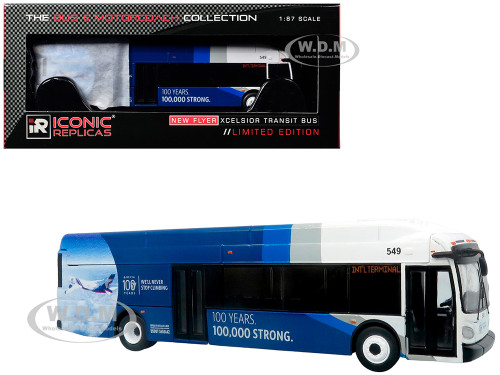
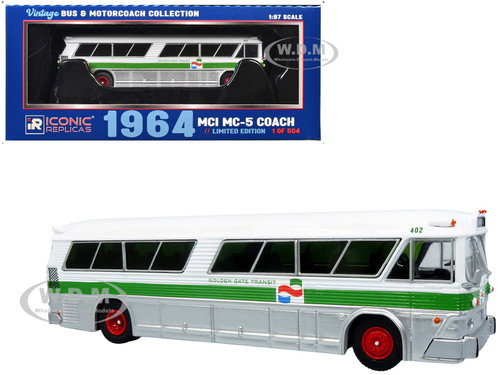
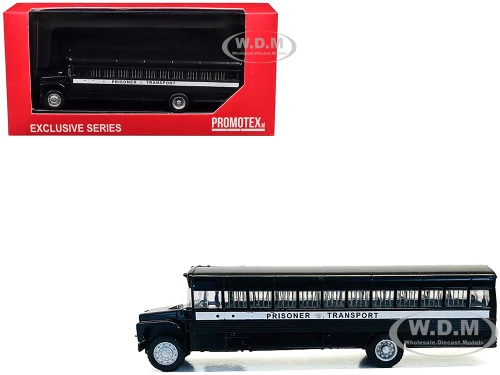
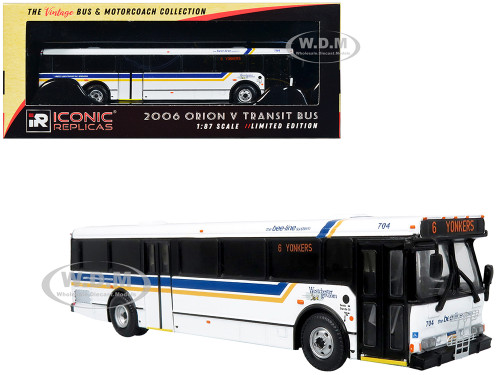
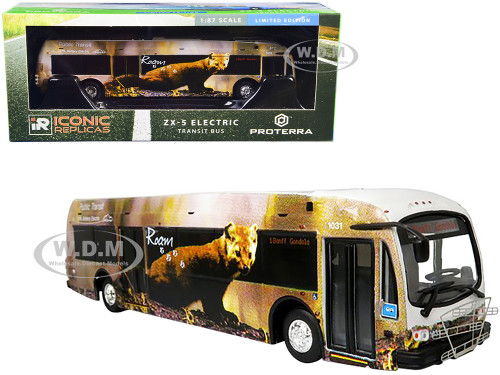
Transit bus diecast models represent the buses used for scheduled public transportation in cities, towns, and metropolitan areas. Unlike school buses, coaches, and specialized racing transporters, transit buses are designed primarily for frequent passenger service, typically operating along established routes with regular stops.
The Transit category at DiecastModelsWholesale.com brings together scale replicas representing the vehicles that have carried passengers through urban and suburban communities across different eras. Depending on the specific model, collectors may find classic city buses, modern transit buses, historic municipal buses, and replicas associated with recognizable transit agencies or manufacturers.
Transit buses can be especially interesting to collectors who enjoy public transportation history, city buses, commercial vehicles, American and European vehicles, or detailed scale models of vehicles seen in everyday urban life.
What Is a Transit Bus?
A transit bus is a road vehicle designed for scheduled public passenger transportation. Transit buses generally operate on relatively short routes with frequent stops, allowing passengers to board and exit throughout the journey.
Their design reflects this purpose. Compared with a long-distance coach, a transit bus typically emphasizes:
- Frequent passenger boarding and exiting
- Multiple doors
- Standing room as well as seated capacity
- Wide aisles
- Large windows
- Low-floor or other accessibility features on many modern buses
- Destination displays
- Handrails and grab bars
- Space for passengers with mobility devices on applicable vehicles
Transit buses can be powered by diesel engines, compressed natural gas, hybrid systems, battery-electric powertrains, or other technologies depending on the era and transit system.
For diecast collectors, these functional characteristics create distinctive miniature vehicles with details that differ substantially from automobiles and highway coaches.
A Brief History of Transit Buses
Public bus transportation developed from earlier forms of scheduled urban transportation, including horse-drawn omnibuses and street railways. Horse-drawn omnibuses operated in European and American cities during the 19th century, providing scheduled transportation without requiring fixed rails.
The development of motor vehicles eventually allowed buses to operate without tracks. Motor buses could follow established streets while providing greater flexibility for transit operators.
The early 20th century saw rapid development of motorized urban transportation. Manufacturers experimented with different chassis, body layouts, propulsion systems, and passenger configurations as cities expanded and public transportation networks became more sophisticated.
The transition from horse-drawn vehicles and streetcars to motor buses did not happen everywhere at the same time. Transit systems often used several types of vehicles simultaneously, and buses eventually became a major component of public transportation in many cities.
The Development of the Modern City Bus
As bus transportation matured, manufacturers increasingly developed vehicles specifically for frequent urban service. Rather than adapting ordinary trucks or passenger vehicles, purpose-built transit buses could incorporate features designed around passenger flow.
The resulting designs often included large passenger doors, low steps, substantial standing areas, and seating arranged to facilitate boarding and exiting.
The postwar period brought further changes. Transit buses increasingly adopted standardized designs, improved suspension systems, larger passenger compartments, automatic transmissions, improved heating and ventilation, and more sophisticated braking and electrical systems.
The New Look buses introduced by General Motors beginning in the 1950s became one of the most recognizable American transit-bus designs. Their rounded roof, large windows, and distinctive rear-engine configuration influenced the appearance of city buses across North America for decades.
For collectors, classic buses such as the GM New Look provide an opportunity to preserve the visual character of an important period in American public transportation.
Transit Bus Manufacturers
Transit buses have been produced by many manufacturers in North America, Europe, and elsewhere. Depending on the historical period and diecast subject, collectors may encounter models associated with manufacturers such as:
- General Motors
- GMC
- Flxible
- New Flyer
- Nova Bus
- Orion
- Gillig
- Neoplan
- MAN
- Mercedes-Benz
- Volvo
- Scania
- Solaris
Some manufacturers specialized in complete buses, while others supplied chassis, engines, or other components. The exact manufacturer represented by a model can therefore be an important part of its historical identification.
Collectors focusing on a particular manufacturer can compare body designs across different decades to see how passenger transportation technology evolved.
Classic Transit Bus Diecast Models
Vintage transit buses can provide a snapshot of the streetscape of a particular era. Older city buses often have distinctive body shapes, destination signs, chrome trim, window arrangements, and paint schemes that are very different from today's vehicles.
A classic transit bus model may reproduce details such as:
- Period-correct body styling
- Transit agency colors
- Route or destination displays
- Fleet numbers
- Manufacturer badges
- Vintage wheels and tires
- Passenger doors
- Roof-mounted equipment
- Visible seating and interior features
For collectors, these details can make a bus model particularly useful when building a historically themed transportation display.
Modern Transit Bus Models
Modern transit buses have evolved to meet changing transportation requirements, accessibility standards, environmental goals, and passenger expectations.
Many contemporary city buses use low-floor designs to make boarding easier for passengers, including people using wheelchairs, mobility aids, or strollers. Modern buses may also feature electronic destination signs, automated passenger information systems, improved climate control, and advanced propulsion systems.
Alternative powertrains have become an increasingly important part of transit-bus development. Transit agencies around the world operate or are introducing hybrid-electric, battery-electric, hydrogen fuel-cell, and other lower-emission bus technologies.
For collectors, modern transit bus replicas can therefore represent a different stage of transportation technology from vintage diesel buses.
Transit Bus Diecast Models and Scale
Transit bus models are produced in different scales depending on the manufacturer and specific vehicle. Collectors may encounter 1/12, 1/18, 1/24, 1/43, and 1/64 scale replicas, although available scales vary by model.
Scale should be considered when planning a display. Larger models can make details such as doors, seats, destination signs, mirrors, wheels, and interior layouts easier to appreciate. Smaller models can be more convenient when displaying several buses or combining buses with other vehicles in the same collection.
If you already collect other types of buses, comparing scales can help create a consistent transportation display.
Transit Bus Liveries and Fleet Identity
One of the most interesting aspects of transit bus collecting is the relationship between the vehicle and the organization operating it.
Transit agencies frequently use distinctive liveries, logos, fleet numbers, route markings, and destination displays. Even when two buses share a similar chassis and body design, their appearance can be dramatically different because of the transit agency operating them.
A diecast model representing a particular transit livery can therefore have significance beyond the physical vehicle. It can represent a particular city, transit system, historical period, or local transportation network.
This makes transit bus models appealing to collectors who have an interest in a particular city or who remember seeing a specific bus type in everyday life.
Transit Buses Around the World
Although American city buses are an important part of transit-bus collecting, the category extends far beyond the United States.
European transit systems have produced distinctive buses from manufacturers such as Mercedes-Benz, MAN, Volvo, Scania, Solaris, and others. Some cities have also become known for double-decker transit buses, articulated buses, trolleybuses, or other specialized configurations.
Asian, Australian, and Latin American cities have likewise developed their own transit-bus designs and operating traditions.
This geographic variety gives collectors the opportunity to build collections around a particular region or compare how different cities approached urban bus transportation.
Articulated and Other Specialized Transit Buses
Some transit systems require greater passenger capacity than a conventional single-section bus can provide. Articulated buses address this requirement by joining two sections with a flexible joint.
These buses are particularly common on high-demand urban routes and bus rapid transit systems. Their longer body and additional passenger capacity make them visually distinctive in a diecast collection.
Collectors can explore the dedicated Articulated Bus category for models of these multi-section buses.
Double-decker buses provide another way of increasing passenger capacity by adding a second passenger level. They have been especially prominent in British public transportation and are also used in sightseeing and transit applications in other parts of the world. Related models can be found in the Double-Decker Bus category.
Transit Bus vs. Other Bus Categories
The Transit category focuses on buses used for scheduled public passenger transportation.
- Transit Bus: Designed primarily for scheduled urban or suburban public transportation.
- School Bus: Designed for student transportation.
- Coach: Designed primarily for intercity, touring, charter, and longer-distance travel.
- Double-Decker: Features two passenger levels and may be used for transit or sightseeing.
- Articulated Bus: Uses a flexible joint to connect multiple bus sections.
- Microbus: A compact passenger bus or van, commonly associated with vehicles such as the Volkswagen Type 2.
- Renntransporter: A racing transporter or motorsport support vehicle rather than a conventional passenger bus.
You can explore the complete Bus Diecast Models collection to compare transit buses with other bus types.
What to Look for When Collecting Transit Bus Models
Historical Period
Consider whether the model represents a vintage, mid-century, late-20th-century, or modern transit bus. Body design and equipment can help identify the period.
Transit Agency or City
A specific livery may represent a particular transportation authority or city. Collectors with a personal connection to a city may find these models particularly meaningful.
Manufacturer
Bus manufacturers developed recognizable body designs and engineering approaches. Identifying the manufacturer can help place a model within transportation history.
Scale and Detail
Check the scale before purchasing, particularly if you plan to display the model alongside other buses or vehicles.
Configuration
Conventional, rear-engine, front-engine, low-floor, articulated, trolley, and other configurations can make two transit buses substantially different even when both serve similar transportation purposes.
Building a Transit Bus Collection
There are many ways to organize a transit bus collection. One approach is to collect vehicles from a particular city or transit agency. Another is to focus on a manufacturer, historical era, scale, or vehicle configuration.
A chronological collection can show how city buses changed from traditional high-floor designs to contemporary low-floor and alternative-fuel vehicles. A geographic collection can compare transit designs from different cities or countries.
Transit buses can also be displayed alongside other transportation models. Combining city buses with taxis, police vehicles, ambulances, fire apparatus, trucks, and automobiles can recreate the variety of vehicles found on urban streets.
For collectors who enjoy broader public-service and transportation subjects, the Vehicle Type collection provides additional categories to explore.
Shop Transit Bus Diecast Models
Transit buses are an important part of transportation history, from classic municipal buses that shaped mid-century city streets to modern low-floor and alternative-power buses serving today's communities.
Whether you collect a particular transit agency, city, manufacturer, historical era, or scale, transit bus diecast models offer a way to bring these distinctive vehicles into a transportation collection.
Browse the available Transit bus diecast models at DiecastModelsWholesale.com to compare classic and modern designs, scales, manufacturers, and liveries, and find a model that fits your collection or display.