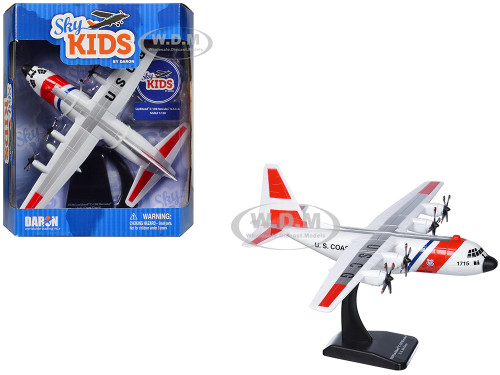
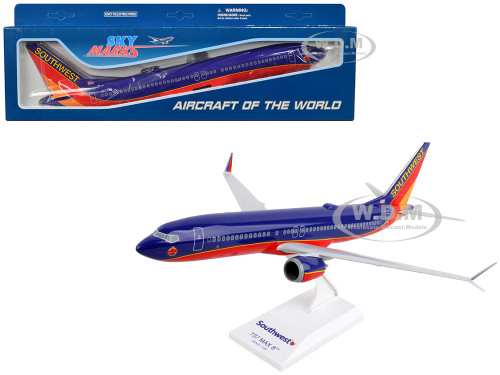
1/130 scale diecast models are collectible vehicles and transportation models produced at one one-hundred-thirtieth the size of their real-world counterparts. This is an uncommon scale, making it particularly useful for collectors searching for specialized models or a compact format for their display.
At 1/130 scale, every 130 units of measurement on the original subject are represented by one unit on the model. The physical dimensions of a finished collectible depend on the size of the original vehicle. A large aircraft will naturally produce a larger model than a small vehicle, even though both are made at 1/130 scale.
Because 1/130 is a specialized scale, selection can vary by manufacturer, subject, and production run. Shoppers should check each individual product listing for the exact subject, model dimensions, construction, markings, features, and any included display accessories.
What Does 1/130 Scale Mean?
Scale describes the proportional relationship between a model and the original subject. A 1/130 model has linear dimensions approximately 1/130 the size of the full-size vehicle.
For example, an aircraft measuring 52 feet long would produce a model approximately 4.8 inches long at 1/130 scale. An aircraft with a 78-foot wingspan would have a model wingspan of approximately 7.2 inches.
This makes 1/130 a compact format for representing larger real-world subjects. Collectors can enjoy a physical model of a substantial aircraft or transportation vehicle without requiring the display footprint of a larger scale.
The scale itself does not determine a single standard model size. The dimensions of the original subject determine how large the finished 1/130 collectible will be.
What Can You Expect to Find in 1/130 Scale?
1/130 is an uncommon diecast scale, so the selection is more specialized than established scales such as 1/18, 1/24, 1/43, and 1/64. Available subjects depend on current inventory and manufacturer production.
Depending on availability, collectors may find:
- Aircraft and aviation subjects
- Military aircraft and vehicles
- Passenger and transportation vehicles
- Commercial vehicles
- Historic vehicles
- Specialty transportation subjects
- Other compact diecast models
Aircraft are particularly well suited to compact scales because full-size airplanes can have substantial lengths and wingspans. A 1/130 aircraft can retain recognizable proportions while remaining manageable for shelf and cabinet display.
For any individual product, the product listing should be used to confirm the exact subject and specifications.
Why Collect 1/130 Scale Diecast Models?
Compact Display Size
The compact format is one of the primary advantages of 1/130 scale. Large real-world subjects can be represented without requiring the amount of space needed for a larger model.
This is especially useful for collectors who want to display multiple aircraft together or build a broad transportation collection.
Uncommon-Scale Appeal
Collectors sometimes seek uncommon scales because they are interested in a particular subject that is not readily available in a more familiar scale. Others may already have a collection organized around a specific scale.
A 1/130 model can therefore appeal to collectors for both its physical size and its specialized nature.
Building Broader Collections
Smaller models can make it easier to include more subjects in a display. Instead of choosing between only a few large pieces, collectors can potentially create a broader representation of an era, vehicle type, manufacturer, or historical theme.
This is particularly useful for collections centered on aviation or other large transportation subjects.
1/130 Scale Aircraft and Aviation Models
Compact aviation scales provide an effective way to collect aircraft without requiring large display cabinets.
At 1/130 scale, an aircraft remains substantial enough to appreciate its overall silhouette, fuselage, wings, tail, and exterior markings while taking up less space than an equivalent model in a larger scale such as 1/72 or 1/48.
Depending on current availability, collectors can use compact aircraft models to build displays around different aircraft types, historical periods, operators, countries, or military services.
A chronological display can illustrate changes in aircraft design, while a collection organized by aircraft type can highlight differences between fighters, transports, bombers, airliners, and other aviation subjects.
When selecting a 1/130 aircraft, pay particular attention to its wingspan. The wingspan may determine the required shelf width more than the fuselage length.
1/130 Compared With Nearby Scales
Comparing 1/130 with nearby scales can help collectors understand how an equivalent model will fit into an existing display.
- 1/100 — Larger than 1/130. An equivalent subject is approximately 30% larger in linear dimensions.
- 1/120 — Larger than 1/130 by approximately 8.3% linearly.
- 1/121 — Larger by approximately 7.4% linearly.
- 1/122 — Larger by approximately 6.6% linearly.
- 1/125 — Larger by approximately 4% linearly.
- 1/126 — Larger by approximately 3.2% linearly.
- 1/130 — A specialized compact scale for particular subjects and collections.
- 1/144 — Smaller than 1/130, providing an even more compact equivalent model.
- 1/200 — Considerably smaller and useful for space-efficient aviation displays.
- 1/400 — Much smaller and particularly useful when displaying many aircraft in a limited area.
Although some neighboring scales are physically close, they are not technically identical. Collectors who prioritize scale accuracy should use the manufacturer's stated scale when organizing a display.
Choosing a 1/130 Diecast Model
Because 1/130 is an uncommon scale, it is useful to evaluate the complete product specifications before purchasing.
Confirm the Subject
Check the product name and description to make sure the model represents the exact aircraft, vehicle, variant, or configuration you want.
Check the Dimensions
Review the listed length, width, height, and wingspan when available. These measurements are more useful for planning your display than the scale designation alone.
Consider Display Space
Measure the available shelf or cabinet area before purchasing, particularly for aircraft. Allow enough clearance around the wings and tail so the model can be viewed properly.
Review Features
Individual models can vary in construction and presentation. Depending on the product, features may include a display stand, landing gear, moving parts, detailed exterior components, painted markings, or other manufacturer-specific details.
Consider Your Existing Collection
If your collection already includes 1/120, 1/121, 1/122, 1/125, 1/126, or 1/144 models, consider how the 1/130 model will look alongside them.
Nearby scales may appear similar, but collectors creating a carefully proportioned display should still distinguish between the individual scale ratios.
Building a 1/130 Scale Collection
An uncommon scale can provide an interesting theme for a collection.
Aviation by Era
Organizing aircraft chronologically can demonstrate how aviation changed from one period to another. A compact format makes it easier to include multiple stages of aircraft development.
Military Aviation
Military aircraft can be organized by country, service, aircraft role, or historical period. A 1/130 collection can provide a compact way to represent multiple aircraft within a common display.
Civilian Transportation
Where appropriate models are available, collectors can create a display centered on civilian aviation, transportation, or other commercial subjects.
Manufacturer and Subject Collections
Collectors can also focus on particular manufacturers, aircraft families, operators, or vehicle types. The exact scale can serve as one of several criteria used to create a consistent collection.
Displaying 1/130 Scale Models
The compact nature of 1/130 models provides flexibility when arranging a collection.
For aircraft, leave sufficient room around wings, tails, and fuselages so the individual models remain easy to see. Models can be arranged chronologically, geographically, or by aircraft type depending on the theme.
A dedicated 1/130 section can create a particularly consistent appearance. If other compact scales are included, consider grouping similar scales together rather than placing them randomly throughout the display.
Also remember to account for the footprint of a display stand. The complete display area can be larger than the aircraft's basic dimensions.
The Appeal of Uncommon Diecast Scales
The appeal of 1/130 scale is not limited to its compact size. Uncommon scales can attract collectors who enjoy finding specialized subjects or building collections that differ from more conventional formats.
For large aircraft and transportation subjects, a compact scale can also provide a practical solution when display space is limited. Collectors can represent larger real-world subjects without the substantial footprint associated with larger models.
As with any diecast collectible, the best choice depends on more than scale. Subject accuracy, model dimensions, construction, markings, features, and overall presentation should all be considered.
Find 1/130 Scale Diecast Models
Whether you are building a compact aviation display, collecting uncommon scales, or searching for a specialized transportation model, 1/130 scale offers an interesting option for diecast enthusiasts.
Browse the 1/130 scale diecast models available at DiecastModelsWholesale.com to explore the current selection and find a collectible that fits your interests, collection, and available display space.

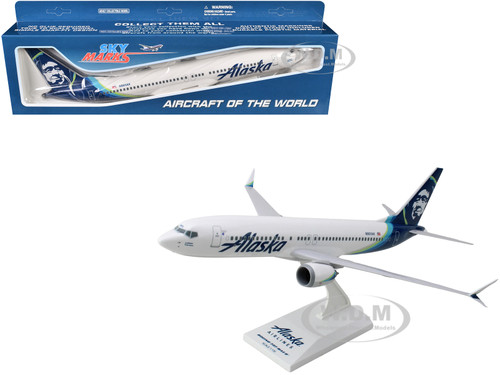




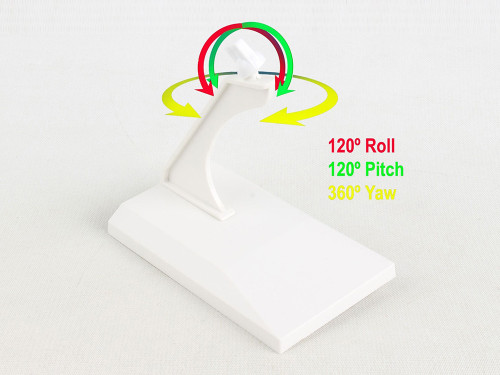 $11.19Was $13.99Save 20%