Vespa scooters are among the most recognizable two-wheeled vehicles in the world, celebrated for their distinctive Italian design, practical engineering, and connection to European urban life. For collectors and enthusiasts, Vespa diecast models offer a way to appreciate the scooter's iconic silhouette, classic styling, and cultural significance in a compact display piece.
The Vespa category at Diecast Models Wholesale features scale-model scooters for collectors, motorcycle enthusiasts, fans of Italian design, and shoppers looking for a distinctive gift. Depending on current availability, shoppers may find miniature representations of classic and modern Vespa scooters in a variety of scales, finishes, colors, and display styles.
Unlike conventional motorcycle models with exposed frames and mechanical components, Vespa scooters are recognized for their enclosed bodywork, step-through design, and elegant proportions. These features make Vespa miniature models especially appealing to collectors who appreciate vintage transportation, European motoring history, and design-led collectibles.
The History and Legacy of Vespa
The Origins of an Italian Icon
Vespa was introduced in Italy in 1946 by Piaggio, a company that had previously been involved in manufacturing aircraft and other industrial products. In the aftermath of World War II, Italy needed accessible, economical transportation that could navigate crowded streets and serve the everyday needs of a broad population.
The Vespa offered a distinctive solution. Its step-through frame made mounting and riding convenient, while the bodywork helped protect the rider's clothing from road debris. Small wheels, compact dimensions, and a clean, streamlined appearance distinguished it from many traditional motorcycles of the era.
The name Vespa, which means "wasp" in Italian, became closely associated with the scooter's shape and sound. The original design helped establish an enduring identity that Vespa would carry through decades of changing transportation trends.
For diecast collectors, early Vespa designs are particularly interesting because they represent a turning point in postwar European mobility. Their simple yet recognizable forms also translate naturally into miniature scale models.
Vespa and the Rise of Scooter Culture
During the 1950s and 1960s, Vespa became an international symbol of Italian style and everyday freedom. Scooters appeared in films, travel photography, advertising, and popular culture, helping associate the brand with city streets, cafés, romance, and European travel.
Vespa became closely linked with the Mod movement in Britain, where scooters were often customized with mirrors, accessories, and distinctive finishes. The brand's cultural reach extended well beyond transportation, making it recognizable to people who might never have owned or ridden a scooter.
This cultural history contributes to the appeal of Vespa diecast collectibles. A miniature scooter can represent not only a particular vehicle design but also a broader period in fashion, cinema, music, and urban life. Collectors may display Vespa models alongside classic European cars, vintage motorcycles, travel memorabilia, or other transportation collectibles.
Classic Designs and Modern Evolution
Vespa has continued to evolve while retaining the styling cues that make its scooters instantly recognizable. Over the years, the range has included numerous body styles, engine configurations, trim levels, and design updates.
Classic scooters are often associated with rounded body panels, compact proportions, simple lighting, and period-inspired details. Later designs have incorporated updated lighting, instrumentation, finishes, and engineering while preserving the traditional step-through layout and sculpted bodywork.
These changes give collectors several ways to approach Vespa models. Some prefer the nostalgic character of older designs, while others appreciate contemporary scooters that combine the familiar Vespa appearance with more modern styling.
When comparing miniature models, look for the design details that distinguish one generation or version from another, including the shape of the front shield, headlamp placement, seat design, wheel style, rear bodywork, and lighting arrangement.
What Makes Vespa Diecast Models Special?
Distinctive Scooter Design
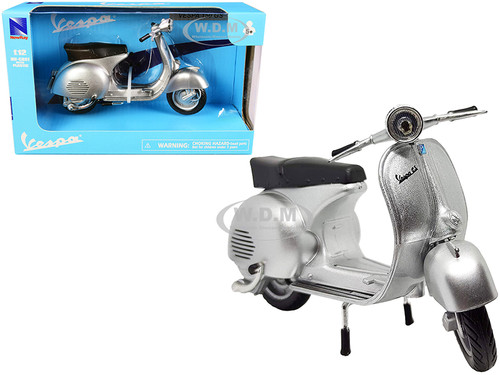
Vespa models stand out from many other motorcycle collectibles because of their enclosed bodywork and smooth, curved surfaces. The front shield, step-through footwell, compact seat, and rounded rear section create a silhouette that remains recognizable even at a small scale.
Well-detailed scale models may reproduce features such as:
-
Sculpted body panels and front leg shields
-
Handlebars, mirrors, and instrument areas
-
Seats, footrests, and rear body contours
-
Wheels, tires, and visible suspension details
-
Headlights, tail lights, and turn signals
-
Badging, trim, and contrasting paint finishes
-
Stands and other display-oriented details, depending on the model
The level of detail varies by manufacturer, scale, and individual product. Some models emphasize realistic proportions and miniature components, while others focus on attractive colors and decorative display appeal.
Color, Finish, and Styling Variations
Vespa's history of distinctive finishes makes color an important part of collecting. Depending on the particular model, a miniature scooter may feature a traditional solid color, a metallic finish, contrasting trim, or a special decorative treatment.
Some collectors prefer understated colors that evoke vintage transportation, while others choose brighter finishes that stand out in a display cabinet. A group of Vespa models in different colors can also create an attractive collection without requiring a large amount of display space.
When selecting a model, consider whether you want a particular historical appearance, a color that complements an existing collection, or a visually distinctive piece for a desk, shelf, or cabinet. Product descriptions and photographs are useful for checking the finish and design represented by each individual model.
Vespa Model Manufacturers and Collectible Options
Diecast and scale-model manufacturers have produced a variety of scooters and other two-wheeled vehicles, including representations of Vespa designs. Manufacturer, construction method, and scale can influence the appearance, level of detail, durability, and overall display character of an individual collectible.
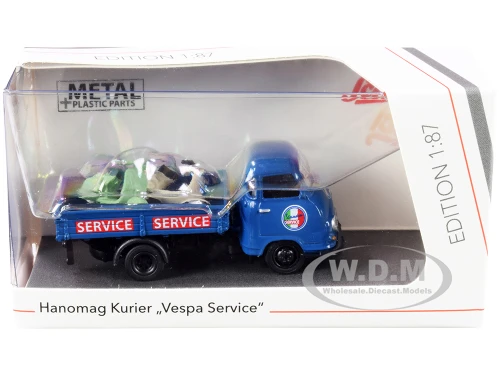
Depending on current availability, the Vespa category may include products from manufacturers such as Maisto and New Ray, both associated with scale-model vehicles and motorcycle collectibles.
When comparing models, consider the following:
-
Accuracy of the design: Look for recognizable Vespa bodywork, appropriate proportions, and details that match the represented scooter.
-
Construction: Diecast metal components, plastic parts, and mixed-material construction can vary from model to model.
-
Finish and detailing: Paint quality, trim, wheels, lighting, and small molded components influence the overall appearance.
-
Display requirements: Consider the model's dimensions, whether a display stand is included, and how it will fit alongside other collectibles.
-
Packaging: Original packaging may be important to collectors who prefer to keep their models boxed or preserve their presentation.
Not every model has the same construction or features. Review the specifications and photographs of the individual product to determine what is included and whether it meets your collecting preferences.
Choosing the Right Vespa Scale Model
Scale is one of the most useful considerations when choosing a Vespa miniature. It determines the model's approximate size relative to the real scooter and helps you plan how it will fit into an existing collection.
The category URL references several scales, including 1/12, 1/18, 1/10, 1/6, and 1/43. Actual options depend on current product availability.
1/6 Scale Vespa Models
A 1/6 scale model is comparatively large and can make a striking display piece. The larger size allows more room for visible components and surface details, depending on the model's design and construction. These models are worth considering when you want a scooter to serve as a centerpiece rather than a small addition to a crowded shelf.
1/10 and 1/12 Scale Vespa Models
These larger miniature scales offer a substantial presence without necessarily requiring the display space of an even larger collectible. They can be suitable for collectors who appreciate visible styling details and want a Vespa model that stands out among smaller motorcycles and vehicles.
1/18 Scale Vespa Models
The 1/18 scale is popular across many vehicle-collecting categories because it offers a useful balance between display size and detail. A Vespa in this scale may fit naturally into a collection of miniature cars, motorcycles, and other transportation models, although actual dimensions and features vary by product.
1/43 Scale Vespa Models
The 1/43 scale is well suited to compact displays and collections that include classic cars, commercial vehicles, and other small-scale transportation models. Its smaller footprint makes it easier to arrange several pieces together or add a scooter to an existing miniature street scene.
Understanding Scale Differences
A smaller scale denominator does not mean a smaller model. For example, a 1/6 scale model is larger than a 1/43 scale model when both represent vehicles of comparable real-world dimensions.
Scale alone does not guarantee a particular level of detail or construction quality. If size is important, check the product's listed dimensions rather than relying exclusively on its scale designation.
Who Collects Vespa Miniature Scooters?
Scooter and Motorcycle Enthusiasts
Vespa models are an appealing alternative to conventional motorcycle miniatures. Their unique frame and body design offer something different from sport bikes, cruisers, racing motorcycles, and touring machines.
Collectors who focus on two-wheeled transportation can use Vespa models to broaden a collection beyond motorcycles with exposed engines and traditional fuel tanks.
Italian Design and Transportation Collectors
Vespa's visual identity has remained influential for generations. Collectors interested in Italian industrial design may appreciate the scooter's blend of functional engineering and distinctive styling.
A Vespa miniature can complement collections featuring Italian sports cars, classic European vehicles, vintage transportation, and other products associated with Italian design.
Vintage and Pop-Culture Collectors
Because Vespa scooters have appeared throughout film, advertising, and popular culture, they can also appeal to people who collect items connected with particular decades or cultural movements.
A classic-style scooter may fit naturally into a retro display, a miniature city scene, or a collection inspired by European travel. The appeal is not limited to motorcycle enthusiasts; it also reaches collectors interested in the lifestyle and history associated with the Vespa name.
Gift Shoppers
A Vespa diecast model can be a thoughtful gift for scooter fans, motorcycle enthusiasts, collectors of Italian vehicles, or anyone who appreciates distinctive miniature design. Its compact form makes it suitable for many display settings, while the variety of styles and scales can help shoppers find an option suited to the recipient.
Before purchasing a model as a gift, consider the recipient's preferred scale, favorite colors, available display space, and interest in vintage versus modern designs. Checking the individual product listing is the best way to confirm its dimensions, materials, packaging, and other specifications.
Displaying and Caring for Vespa Diecast Collectibles
Vespa models can be displayed individually or arranged with other miniature vehicles to create a broader transportation collection. Their compact proportions make them suitable for shelves, desks, cabinets, and themed displays.
For an organized presentation, consider grouping models by scale, color, design era, or manufacturer. A larger-scale scooter can serve as a focal point, while smaller examples can be arranged alongside other miniature vehicles.
To help preserve a collectible's appearance:
-
Display it away from direct sunlight to reduce the risk of fading.
-
Dust it gently with a soft brush or suitable microfiber cloth.
-
Handle mirrors, handlebars, stands, and other small components carefully.
-
Keep the model away from excessive moisture and extreme temperatures.
-
Retain the original packaging if boxed presentation or long-term storage matters to you.
Small accessories and projecting components can be delicate, even when the main body includes diecast metal. Always follow any care guidance provided with the individual product.
Find Vespa Diecast Models at Diecast Models Wholesale
From the scooter's postwar origins to its enduring place in Italian design and popular culture, Vespa offers collectors a distinctive subject with broad appeal. Whether you are adding a miniature scooter to a motorcycle collection, building a display of classic European transportation, or shopping for a gift, the right scale model can bring this iconic design to your shelf.
Browse the available Vespa diecast models at Diecast Models Wholesale to compare styles, scales, finishes, and product details, and find a scooter collectible that suits your collection.

 $16.49Was $19.99Save 17%