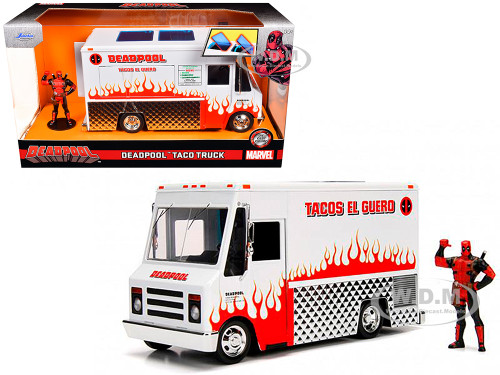
Food trucks are specialized commercial vehicles designed to prepare, store, and serve food and beverages directly to customers. Unlike ordinary delivery or box trucks, food trucks are built around a mobile kitchen or service area, combining a truck chassis with equipment such as cooking appliances, refrigerators, sinks, counters, serving windows, storage compartments, and exterior branding. In the world of diecast collecting, food truck models capture this distinctive combination of commercial transportation, restaurant design, and automotive styling.
The Food Truck category at DiecastModelsWholesale.com features scale models representing the colorful and highly recognizable vehicles used by mobile restaurants, catering businesses, specialty food vendors, and beverage companies. These models can be especially appealing to collectors who enjoy commercial vehicles, unusual trucks, advertising liveries, or miniature representations of everyday businesses.
Food Truck Diecast Models
Food truck diecast models come in many different designs because the real vehicles vary considerably in size, age, body style, and purpose. Some are based on purpose-built commercial trucks, while others use vans, step vans, or modified delivery vehicles as their foundation.
Depending on the model, collectors may find details such as:
- Mobile kitchen bodies and serving windows
- Food preparation and cooking equipment
- Countertops and exterior service areas
- Refrigeration and storage equipment
- Awning or canopy details
- Roof-mounted equipment
- Commercial wheels and chassis
- Restaurant or company graphics
- Colorful promotional liveries
- Doors, mirrors, lights, and other exterior details
- Vintage or modern commercial-vehicle styling
The exterior graphics are often one of the most distinctive aspects of a food truck model. Real food trucks frequently use bold colors, illustrations, logos, slogans, and themed artwork to attract customers. Diecast versions can preserve these visual details in a compact scale, making them interesting display pieces even for collectors who specialize primarily in advertising or commercial vehicles.
A Brief History of Food Trucks
The idea of taking food to customers rather than requiring customers to visit a permanent restaurant has a long history. Mobile food service existed in various forms before the modern food truck, including vendors using carts, wagons, and other mobile setups to sell prepared food in busy areas.
In the United States, mobile food businesses became increasingly associated with specialized vehicles during the 20th century. Commercial trucks and step vans provided practical platforms for carrying supplies while also offering enough interior space for preparation and service. As vehicle manufacturing and food-service equipment developed, entrepreneurs could create increasingly sophisticated mobile kitchens.
The modern food truck movement expanded considerably in the late 20th and early 21st centuries. Food trucks became associated not only with inexpensive street food but also with specialty cuisine, gourmet dishes, desserts, coffee, regional foods, and catering. Many operators developed strong visual identities, turning the truck itself into an important part of the business.
This evolution makes food trucks an interesting subject for diecast collecting. A miniature food truck can represent both the vehicle technology of its era and the business or cultural identity carried by its graphics.
Types of Food Trucks
Food trucks are not limited to one particular type of vehicle. Their appearance is often determined by the kind of food being served and the equipment required.
Mobile Restaurants
Many modern food trucks function as complete mobile restaurants. These larger vehicles can contain cooking stations, preparation counters, refrigerators, sinks, storage, and service windows. Diecast models of these vehicles can feature particularly detailed bodies and colorful exterior designs.
Step Vans and Delivery-Style Trucks
Step vans and similar commercial vehicles have long been useful for mobile businesses because their box-like bodies provide substantial interior volume. Their distinctive walk-in configuration also gives them a recognizable appearance that translates well into scale models.
Food Vans and Compact Vendors
Smaller mobile food businesses may use vans or compact commercial vehicles rather than large trucks. These vehicles can be associated with coffee, desserts, sandwiches, specialty foods, and other products requiring less equipment.
Specialty and Promotional Trucks
Some food-related vehicles are designed around a specific brand, product, event, or promotional campaign. These models can be particularly interesting to collectors of advertising vehicles because the graphics and branding are as important as the underlying vehicle.
Food Trucks as Commercial Vehicle Collectibles
Food trucks fit naturally into a broader collection of commercial and working vehicles. They can be displayed alongside other specialized trucks to illustrate the many ways trucks are adapted for business use.
Collectors interested in this theme may also want to explore related Truck Diecast Models. While a standard truck may be designed for hauling cargo, a food truck transforms the vehicle into a mobile place of business. This makes it a useful example of how commercial vehicles can be customized for specific applications.
Food trucks can also complement collections featuring delivery trucks, vans, advertising vehicles, emergency vehicles, construction equipment, and other specialized commercial vehicles.
What to Look for When Collecting Food Truck Models
When choosing a food truck diecast model, consider more than just the vehicle's overall appearance. Several details can make a model particularly interesting.
Vehicle Design
Look at the underlying truck or van. A classic step van creates a very different character from a modern commercial chassis. Collectors may prefer models that fit a particular period, vehicle manufacturer, or automotive theme.
Graphics and Livery
The graphics are often central to the identity of a food truck. Look for carefully reproduced logos, illustrations, lettering, menus, advertising, and other exterior decoration.
Scale
Scale determines how a food truck model will fit with the rest of a collection. Common scales for commercial diecast vehicles include 1/18, 1/24, 1/32, 1/43, 1/50, and 1/64, although the available scale depends on the individual model.
A larger scale can make small details easier to appreciate, while smaller scales make it possible to build a broader collection without requiring as much display space.
Era and Styling
Vintage food trucks and modern mobile restaurants have very different visual characteristics. Older commercial vehicles can complement classic-car and vintage-truck collections, while contemporary food trucks work well in modern commercial-vehicle displays.
Subject and Theme
Some collectors organize their models by manufacturer, vehicle type, period, business theme, or graphics. A food truck can also serve as a centerpiece for a miniature city, street scene, restaurant, or commercial-vehicle display.
Food Trucks and Advertising
Food trucks occupy an interesting position between transportation and advertising. The vehicle has to perform a practical function, but its exterior is also a highly visible marketing surface.
A well-designed food truck can effectively serve as a moving advertisement. Bright graphics and recognizable branding help customers identify the business from a distance, while the truck's distinctive shape can become part of the brand itself.
For collectors, this makes food truck diecast models appealing beyond traditional automotive interests. They can be collected as examples of commercial graphics, advertising design, restaurant history, or popular culture as well as miniature vehicles.
Food Truck Models for Different Collections
A food truck does not have to be part of a collection dedicated exclusively to commercial vehicles. These models can fit into many different collecting themes.
Commercial vehicle collections: Food trucks add a specialized working vehicle to displays featuring trucks, vans, trailers, and delivery vehicles.
Advertising collections: Colorful graphics and branded liveries make food trucks natural additions to collections centered on promotional vehicles.
City and street displays: A food truck can add an everyday business element to a miniature urban scene.
Vintage collections: Older food-service vehicles can complement classic trucks, cars, and service vehicles.
Modern vehicle collections: Contemporary mobile restaurants represent a more recent chapter in commercial vehicle design.
Restaurant and food themes: Collectors interested in miniature businesses can use food trucks to create a mobile restaurant or street-food setting.
Food Trucks Compared With Delivery Trucks
Although food trucks and delivery trucks can sometimes look similar, they serve different purposes.
A delivery truck is primarily designed to transport products from one location to another. Its cargo body is generally intended for storage and transportation.
A food truck is designed to serve customers from the vehicle itself. Its body is configured around food preparation, storage, cooking, and customer service.
Some food businesses may use both types of vehicles. A delivery truck can transport supplies, while a food truck serves the finished product directly to customers. For collectors, the distinction provides an opportunity to build a broader commercial-vehicle collection showing different business applications.
Building a Commercial Truck Collection
Food trucks can be an excellent way to expand a collection beyond conventional semis and pickups. Their unusual body configurations, specialized equipment, and distinctive graphics give them a different character from traditional freight trucks.
Collectors can combine food truck models with Box Truck Diecast Models, Delivery Truck Diecast Models, Van Diecast Models, and other commercial vehicles to create a varied display of vehicles used in transportation and business.
Because commercial vehicles are often designed around a specific job, collecting them can also provide an interesting look at how vehicle manufacturers, body builders, businesses, and specialized equipment work together.
Choosing Food Truck Diecast Models for Display
Food trucks are particularly effective display models because their graphics and unusual body shapes can attract attention from across a display shelf. Consider placing models where their serving side, graphics, or other distinctive features are visible.
If you are creating a larger commercial-vehicle display, mixing different scales can create challenges, so keeping models at compatible scales can help maintain a consistent appearance. Collectors who prefer individual showcase pieces may instead choose models based primarily on the vehicle, graphics, or subject that they find most appealing.
Whether you collect commercial trucks, advertising vehicles, unusual automobiles, or simply enjoy detailed miniature representations of familiar businesses, food truck models offer a distinctive subject with plenty of visual character.
Explore the Food Truck Diecast Models available at DiecastModelsWholesale.com and discover a miniature mobile restaurant, specialty vendor, or commercial vehicle that fits your collection.


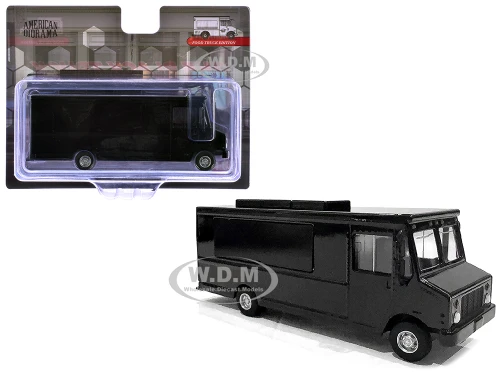 $16.99


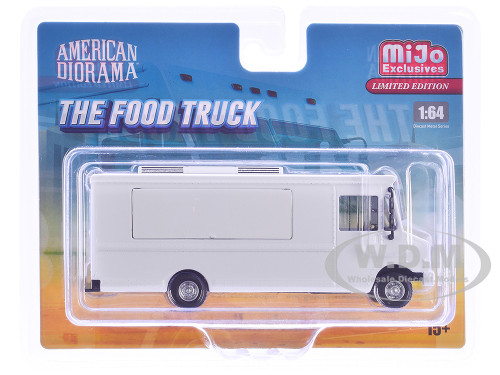 $14.99