Supermarine is one of the most celebrated names in British aviation history, best known for developing the legendary Supermarine Spitfire. From its early achievements in racing seaplanes to its important role in the defense of Britain during World War II, the company helped shape the development of military aircraft and earned a lasting place in aviation history. For collectors, Supermarine diecast aircraft models offer a way to appreciate these engineering achievements through detailed miniature representations of historic airplanes.
The Supermarine category at Diecast Models Wholesale is intended for collectors, aviation enthusiasts, military history fans, and model aircraft hobbyists interested in aircraft associated with this historic British manufacturer. Depending on current availability, the category may feature model representations of famous Supermarine aircraft, including the Spitfire and other historically significant designs. Product selection, manufacturers, finishes, and available scales can vary, so check individual product listings for specific details.
The History of Supermarine
From Aircraft Innovation to Aviation Legend
Supermarine began as a British aircraft manufacturer with roots in the early twentieth century. The company became particularly well known for its work on seaplanes and racing aircraft, developing designs that demonstrated the potential of aerodynamic refinement, powerful engines, and innovative construction.
During the 1920s and 1930s, Supermarine gained international attention through its participation in the Schneider Trophy seaplane races. These competitions encouraged rapid advances in aircraft performance and technology. Supermarine's racing aircraft helped establish the engineering experience and design expertise that would later contribute to the development of its military airplanes.
One of the company's most important achievements was the Supermarine Spitfire. Designed by Reginald J. Mitchell and developed by the company's engineering team, the Spitfire combined a distinctive elliptical wing design with impressive maneuverability and performance. Its elegant profile remains recognizable to aviation enthusiasts around the world.
Supermarine During World War II
The Spitfire became one of the most famous Allied fighter aircraft of World War II. It played a major role in the Battle of Britain in 1940, when Royal Air Force pilots flew Spitfires and Hawker Hurricanes against German aircraft during the defense of the United Kingdom.
Although the Spitfire is often associated with the Battle of Britain, its service extended well beyond that campaign. Successive versions were developed to meet changing operational requirements, with improvements to engines, armament, high-altitude performance, and other capabilities. The aircraft served in multiple theaters of the war and continued to evolve as aviation technology advanced.
For collectors, the Spitfire's long service history provides many points of interest. Different variants can be distinguished by their wings, engine cowling, propellers, tail arrangements, and other design details. Aircraft markings may also identify a particular squadron, operational period, or historical role.
A diecast Supermarine Spitfire model can therefore represent more than a recognizable aircraft silhouette. Depending on the particular release, it may commemorate a specific variant, unit, pilot, or episode in aviation history.
Famous Supermarine Aircraft to Know
Supermarine Spitfire
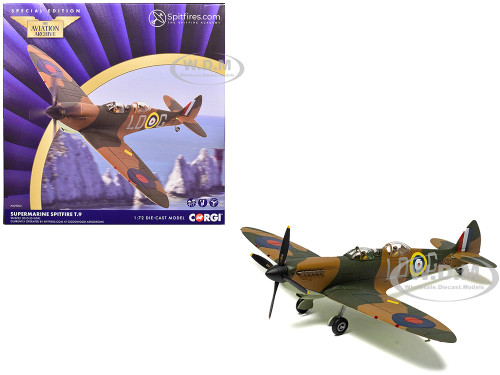
The Spitfire is the aircraft most closely associated with the Supermarine name. Its graceful elliptical wings, compact fuselage, and distinctive nose make it one of the most recognizable fighter aircraft ever built.
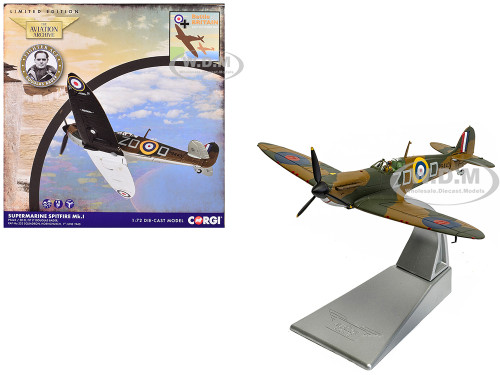
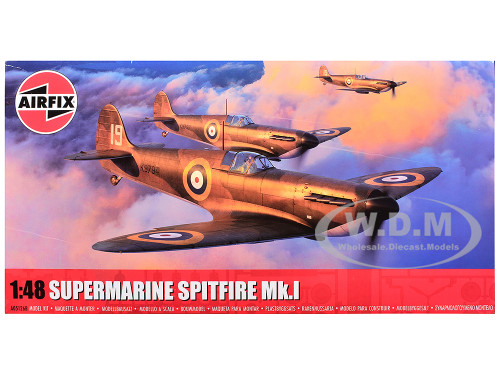
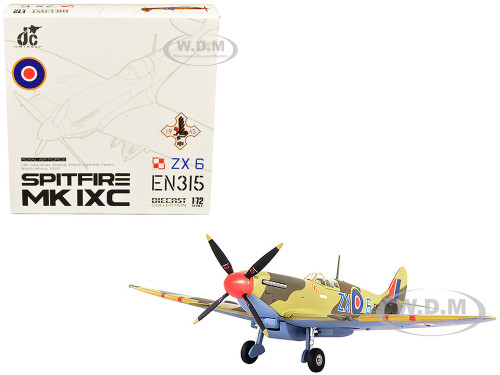
The aircraft was produced in numerous versions throughout World War II and beyond. Early variants, such as the Spitfire Mk I, are closely associated with the Battle of Britain. Later versions introduced more powerful engines and other improvements to meet new operational demands.
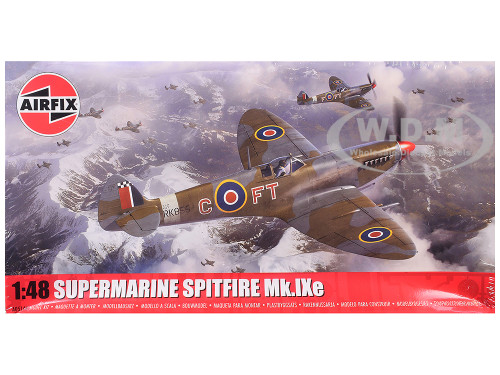
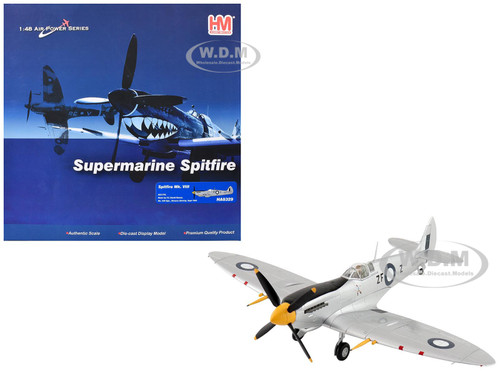
Collectors may encounter models depicting different Spitfire marks, camouflage patterns, national insignia, and squadron markings. These differences can make models of the same basic aircraft interesting additions to a collection.
When comparing Spitfire models, consider the specific variant represented, the accuracy of the markings, the quality of the finish, and whether the model depicts a historically identifiable aircraft. If a listing identifies a particular mark or unit, that information can help collectors determine how the model fits into a broader aviation display.
Supermarine Seafire
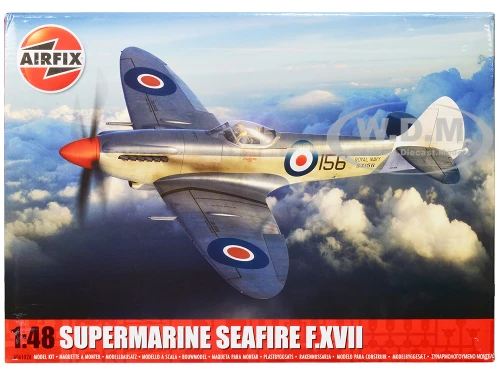
The Supermarine Seafire was a naval adaptation of the Spitfire developed for service with the Fleet Air Arm of the Royal Navy. Designed for carrier-based operations, it incorporated changes needed for naval aviation, including equipment for landing aboard aircraft carriers.
Although closely related to the Spitfire, the Seafire represents a distinct chapter in British aviation history. Its connection to carrier operations makes it especially relevant to collectors interested in naval aircraft, Royal Navy history, and the evolution of carrier-based fighter aviation.
When available as a collectible model, a Seafire can complement a collection of land-based Spitfires or sit alongside models of other historic naval aircraft.
Supermarine S.5 and S.6B Racing Seaplanes
Supermarine's racing seaplanes helped establish the company's reputation before the Spitfire era. The S.5 and S.6B were developed for the Schneider Trophy competitions, which brought together advanced seaplane designs from several countries.
The Supermarine S.6B achieved particular historical significance by winning the 1931 Schneider Trophy. Its performance contributed to the development of high-speed aircraft technology and demonstrated the engineering capabilities that made Supermarine an important name in aviation.
These racing aircraft offer collectors something different from traditional military fighters. Their floats, streamlined fuselages, and racing finishes give them a distinctive appearance, making them appealing subjects for collections focused on aviation innovation, speed records, and the origins of modern aircraft design.
Supermarine Attacker and Swift
Supermarine continued to develop military aircraft as aviation moved into the jet age. The Supermarine Attacker was an early British naval jet fighter, while the Supermarine Swift was a later jet-powered fighter designed for the Royal Air Force.
These aircraft reflect the major technological transition from piston-engine fighters to jet propulsion. Their designs differ considerably from the familiar Spitfire, offering collectors an opportunity to explore the changing appearance and engineering priorities of military aviation during the postwar period.
For enthusiasts building a collection that follows the evolution of British aircraft, these jet-era designs can provide an interesting contrast with Supermarine's earlier racing seaplanes and World War II fighters.
Why Collect Supermarine Diecast Aircraft Models?
Supermarine aircraft appeal to several types of collectors, from enthusiasts who concentrate on one famous aircraft to hobbyists who build displays around broader historical themes.
British Aviation and Military History
The Spitfire's role in World War II makes it a natural centerpiece for collections devoted to the Royal Air Force, the Battle of Britain, and Allied military aviation. Models representing different aircraft variants or operational markings can help illustrate how the aircraft developed throughout its service history.
Collectors may also use Supermarine models to create displays focused on particular periods, including the interwar racing era, World War II, and the introduction of jet-powered fighters.
Aircraft Design and Engineering
Supermarine's history offers a compelling progression from high-speed racing seaplanes to piston-engine fighters and early jets. Collecting models from different periods can highlight changes in wing design, propulsion, aerodynamic features, and aircraft roles.
This makes the category relevant not only to military history enthusiasts but also to collectors interested in aircraft engineering and the evolution of aviation technology.
Display and Presentation
Diecast aircraft models can be displayed individually or as part of a larger aviation collection. A Spitfire can serve as a focal point in a World War II display, while racing seaplanes and early jets can introduce variety into a collection centered on aircraft development.
Before purchasing, consider the available display space and the model's listed dimensions. Aircraft with long wingspans or extended propellers may require more room than their nominal scale suggests.
Choosing the Right Supermarine Model
The best Supermarine model for your collection depends on your interests, preferred scale, and display requirements.
Consider the Aircraft Type
Start by deciding which part of Supermarine's history interests you most.
-
Spitfire models: Suitable for collectors interested in World War II fighters and the Battle of Britain.
-
Seafire models: Relevant to naval aviation and Royal Navy history.
-
Racing seaplanes: Interesting choices for enthusiasts of aviation records, competition aircraft, and early aerodynamic development.
-
Attacker and Swift models: Worth considering for collections exploring the transition to jet-powered military aircraft.
The aircraft identified in a product listing should be your starting point when comparing models. Similar-looking aircraft can represent different variants or historical periods.
Check the Scale and Dimensions
Scale indicates how a model's size compares with the full-size aircraft. For example, a 1:72-scale model represents an aircraft at one seventy-second of its real-world dimensions. Smaller scale numbers generally indicate larger models when comparing the same aircraft.
The exact scales offered in this category depend on current product availability. Always review the individual listing rather than assuming that every Supermarine aircraft is available in a particular scale.
If you plan to display multiple aircraft together, consider selecting models in compatible scales. This can create a more consistent presentation, especially when comparing different aircraft or building a historically themed collection.
Review the Manufacturer and Construction
Diecast aircraft models vary in materials, construction, finish, and level of detail. Some combine diecast metal components with plastic parts, while others use different material combinations depending on the manufacturer and design.
Review product photographs and specifications for details such as:
-
Aircraft markings and paint scheme.
-
Wing and tail configuration.
-
Propeller, landing gear, and other visible features.
-
Display stand or base, if included.
-
Packaging and presentation details.
-
Scale, dimensions, and material information.
A carefully selected model should suit both your collecting interests and your expectations for display quality.
Choose a Historical Theme
A theme can help make an aviation collection more coherent. Supermarine models work well in displays dedicated to British aircraft, World War II fighters, the Battle of Britain, naval aviation, Schneider Trophy racing aircraft, or the development of jet propulsion.
You can also use a Supermarine model as part of a wider collection featuring aircraft from other British manufacturers. Comparing aircraft from different companies can illustrate how competing engineering approaches shaped the history of aviation.
Supermarine Models for Collectors and Aviation Enthusiasts
Supermarine remains an enduring name because its aircraft represent several important stages in aviation history. The Spitfire is an icon of wartime fighter aviation, the racing seaplanes demonstrate the importance of competition in aircraft development, and the company's later jet designs reflect the rapid technological changes of the postwar era.
Collectible models provide a practical way to explore these stories through recognizable aircraft shapes, historical finishes, and variant-specific details. Whether you are adding another Spitfire to an established collection or looking for a less familiar Supermarine design, the most useful choice is one that matches your historical interests, display preferences, and preferred scale.
Browse the Supermarine category at Diecast Models Wholesale to explore available diecast aircraft models and related collectibles. Review each product's scale, aircraft designation, markings, and specifications to find a model that fits your collection.



 $49.99
 $49.99
 $49.99
 $49.99






 $64.99
