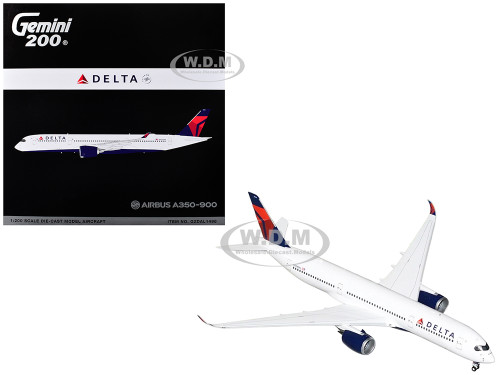
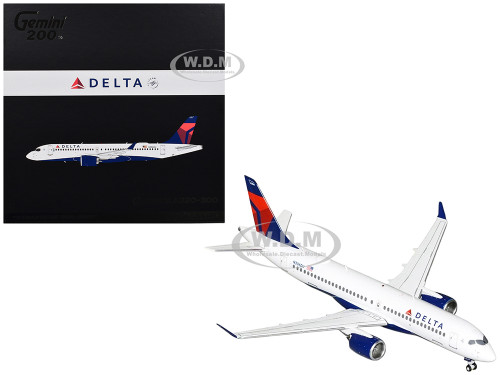
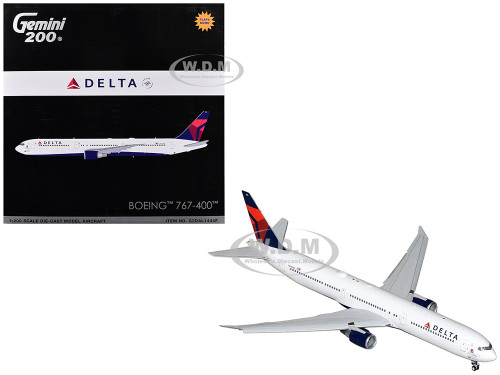
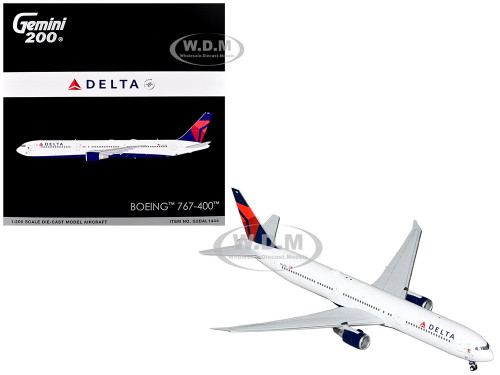
Delta Air Lines is one of the major airlines in the United States, with a history that spans the early days of commercial aviation through the modern jet age. Recognized by its distinctive branding and extensive domestic and international network, Delta is an important subject for airline model collectors, aviation enthusiasts, and anyone interested in the evolution of passenger air travel.
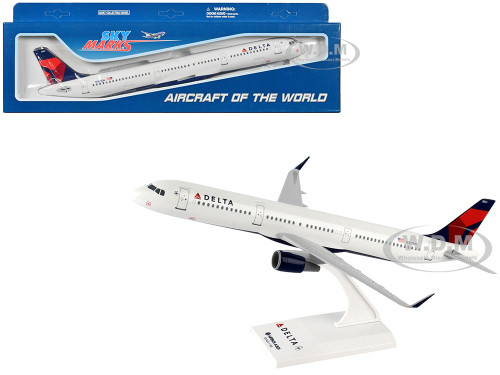
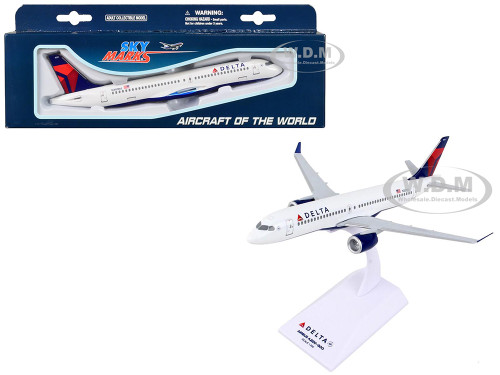
Delta Air Lines diecast airplane models bring the carrier’s aircraft and liveries into miniature form. Depending on current availability, collectors may find replicas representing different aircraft types, eras, and paint schemes, from classic passenger aircraft to modern Boeing and Airbus jets. These models can complement collections focused on U.S. airlines, commercial aviation history, specific aircraft manufacturers, or the liveries of major international carriers.
Each model release can differ in aircraft variant, scale, manufacturer, registration, construction, and display accessories. Check the individual product listing to confirm the precise aircraft and livery represented. Delta’s historical fleet includes many aircraft that may not be available as current model releases, so the airline’s history should be considered separately from the products currently offered.
Whether you are collecting modern airliners, classic U.S. aviation, or Delta aircraft across several decades, this category offers a way to explore one of the most recognizable names in commercial aviation.
The History of Delta Air Lines
Delta’s history began in 1925 with Huff Daland Dusters, an aerial crop-dusting operation founded in the southern United States. The company later moved into passenger aviation, and Delta Air Service began scheduled passenger operations in 1929. The name Delta Air Lines was adopted in 1945, reflecting the airline’s development from a regional operator into a growing passenger carrier.
In its early passenger years, Delta served routes across the southern United States. Over the following decades, the airline expanded its route network, added new aircraft, and developed connections between major American cities. The introduction of larger and faster aircraft transformed its operations, allowing Delta to serve longer routes and carry more passengers.
Delta became a major participant in the jet age, operating aircraft from several generations of commercial aviation. Its fleet history includes piston-engine airliners, turboprops, early jetliners, widebody aircraft, and modern twin-engine passenger jets. These changes reflect broader developments in airline travel, including improvements in speed, range, fuel efficiency, passenger comfort, and aircraft capacity.
The airline also expanded through mergers and acquisitions. Its combination with Northwest Airlines, completed in 2008, significantly broadened its network and brought additional aircraft types and operational history into the Delta story. Earlier mergers and route developments likewise shaped the carrier’s growth over time.
Today, Delta Air Lines operates a broad network of domestic and international services. Its long history and changing fleet make it especially interesting to collectors who want to represent different eras of American commercial aviation rather than focus on a single aircraft type or decade.
Notable Delta Air Lines Aircraft
Delta has operated a wide variety of aircraft over its history. For collectors, this provides opportunities to explore changing aircraft designs, compare different generations of airliners, and build a display around a particular period in the airline’s development.
Douglas DC-3 and Early Passenger Aircraft
The Douglas DC-3 played an important role in the development of commercial aviation during the 1930s and 1940s. Its reliability and operating economics helped make scheduled passenger service more practical, and it became one of the defining airliners of its era.
Delta’s early fleet history includes aircraft from the piston-engine period, when airlines were developing route networks and establishing regular passenger service between cities. Models representing this era can add historical depth to a Delta collection, particularly when displayed alongside later turboprops and jet aircraft.
Douglas DC-8 and Convair 880
Delta entered the jet age with aircraft such as the Douglas DC-8 and Convair 880. These aircraft represented a major shift from propeller-driven passenger service toward faster jet travel.
The DC-8 was a long-range jetliner used by airlines around the world, while the Convair 880 was known for its emphasis on speed. Both types have distinctive designs that make them interesting subjects for aviation model collectors. Their narrow fuselages and four-engine layouts contrast with many modern twin-engine passenger jets.
Boeing 727 and Boeing 737
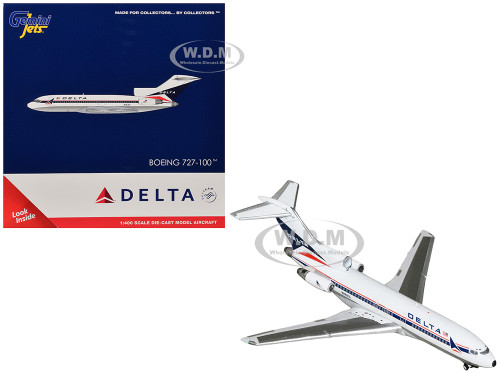
The Boeing 727 became a familiar aircraft in domestic airline service during the jet age. Its three-engine configuration, with two engines mounted on the rear fuselage and a third at the base of the tail, makes it instantly recognizable to aircraft enthusiasts.
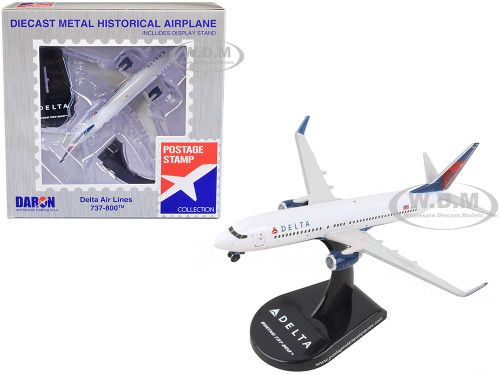
Delta also operated multiple generations of Boeing 737 aircraft. The 737 family became a mainstay of short- and medium-haul airline travel, evolving through successive versions with changes to engines, wings, avionics, and passenger capacity.
For collectors, the 727 and 737 illustrate the development of single-aisle airline operations. A classic 727 replica alongside a newer 737 can show how commercial aircraft design has changed while airlines continue to serve many of the same types of routes.
Lockheed L-1011 TriStar
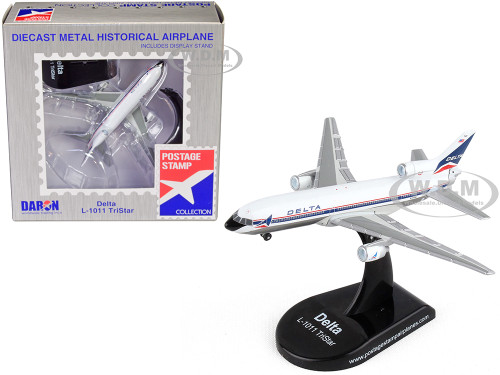
The Lockheed L-1011 TriStar was a widebody, three-engine passenger aircraft introduced during the early 1970s. Delta became one of its most closely associated operators, and the TriStar held an important place in the airline’s long-haul and domestic fleet history.
Its wide fuselage, distinctive tail-mounted center engine, and advanced-for-its-time systems give the aircraft a special appeal among collectors. A Delta L-1011 model can be a centerpiece in a collection focused on classic widebody airliners or the development of U.S. airline fleets during the 1970s and 1980s.
McDonnell Douglas MD-80 Series
The McDonnell Douglas MD-80 series became a familiar sight in Delta service, particularly on domestic routes. These twin-engine aircraft feature rear-mounted engines and a tail-mounted horizontal stabilizer, creating a profile quite different from the underwing-engine layout of many modern passenger jets.
Delta’s MD-80-era aircraft are of interest to collectors who remember the airline’s late twentieth-century operations. They also fit naturally into collections focused on McDonnell Douglas aircraft or the evolution of short- and medium-haul passenger jets.
Boeing 757 and Boeing 767
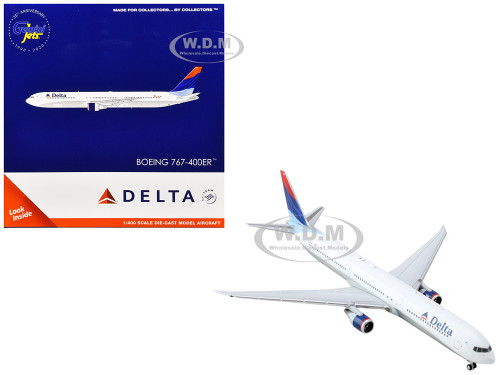
The Boeing 757 and 767 represent two important parts of Delta’s fleet history. The 757 is a narrowbody aircraft known for its range and versatility, while the widebody 767 has served on domestic, transcontinental, and international routes.
Both aircraft have appeared in Delta’s fleet across multiple periods and configurations. Their different fuselage widths and wing designs make them useful for collectors comparing narrowbody and widebody aircraft from the same airline.
Modern Airbus and Boeing Aircraft
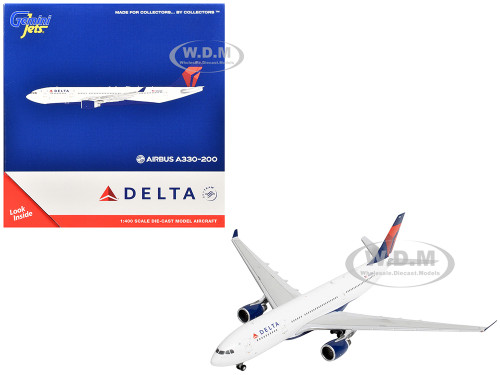
Delta’s modern fleet includes aircraft from both Airbus and Boeing. Types operated in its contemporary fleet include members of the Airbus A220, A320, A330, and A350 families, as well as Boeing 737, 757, and 767 aircraft.
The Airbus A220 is a modern single-aisle aircraft designed for short- and medium-haul routes. The A320 family provides a range of single-aisle aircraft, while the A330 and A350 are widebody types used for longer-distance services. Boeing’s 737, 757, and 767 families also represent different approaches to passenger capacity and route requirements.
For collectors, these aircraft offer a way to build a modern Delta fleet display or compare the airline’s aircraft choices across manufacturers. Confirm the specific variant and livery in each listing, since model availability does not necessarily cover every aircraft Delta operates.
Delta Air Lines Liveries and Branding
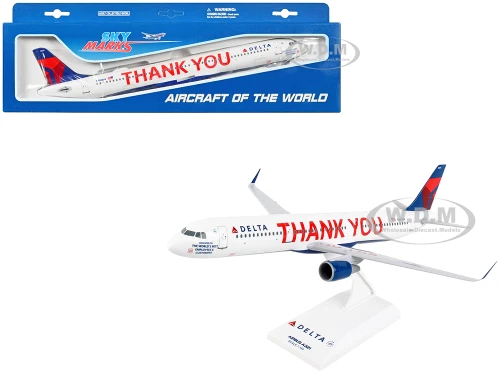
Delta’s aircraft markings have changed several times throughout its history. These liveries provide a visual timeline of the airline’s development, from older designs associated with its earlier decades to the more contemporary branding used on modern aircraft.
The airline’s current visual identity is strongly associated with its red, white, and blue colors and its triangular widget symbol. The widget has been an enduring part of Delta’s branding, although its presentation and surrounding aircraft graphics have evolved over time.
For collectors, these changes create several ways to approach a Delta collection:
-
Classic Delta liveries: Models representing earlier decades can capture the appearance of the airline during the piston-engine and early jet eras.
-
Transitional designs: Aircraft from later decades may feature liveries that reflect changes in corporate branding and fleet development.
-
Modern Delta livery: Contemporary aircraft carry the airline’s current visual identity, making them suitable for collections focused on today’s commercial aviation.
-
Aircraft-specific differences: The same livery may look different across narrowbody, widebody, and regional aircraft because of their different shapes and proportions.
When choosing a model, examine the tail design, fuselage titles, colors, and aircraft registration. These details can help distinguish one release from another and make a collection more representative of a particular era.
Choosing a Delta Air Lines Diecast Airplane Model
Understanding Scale
Scale determines the model’s size relative to the real aircraft. Common scales in the airline-model hobby include 1:200, 1:400, and 1:500, although the scales available for Delta aircraft vary by release.
Larger-scale models generally provide more room for visible exterior details and can serve as focal points in a display. They also require more shelf space, especially for widebody aircraft with large wingspans.
Smaller-scale models are useful for collectors who want to represent many aircraft or airlines in a limited area. They can also work well in miniature airport scenes featuring aircraft at gates, on taxiways, or near terminal buildings.
If you are expanding an existing collection, check the scale of your current models and consider both the fuselage length and wingspan before selecting a new aircraft.
Materials and Display Features
Diecast airplane models often combine metal and plastic components, with materials and construction varying between manufacturers and product lines. Depending on the particular release, features may include printed airline markings, detailed engines, landing gear, and a display stand.
Some models emphasize exterior appearance, while others offer finer details suited to collectors who examine aircraft closely. Check the product listing for the scale, materials, included accessories, and any specific product features rather than assuming all releases share the same construction.
Collecting by Aircraft Type or Era
Delta’s long operating history lends itself to several collecting approaches. You might focus on classic jetliners such as the DC-8 and L-1011, collect different Boeing 737 generations, or build a modern fleet with Airbus and Boeing aircraft.
Another approach is to collect the same aircraft type in different Delta liveries. This can highlight how the airline’s branding evolved over time. Alternatively, displaying aircraft from different manufacturers can illustrate the variety of designs Delta has used to serve domestic and international routes.
The best approach depends on your interests, available space, and the models you can find. Product listings provide the final details needed to confirm an aircraft’s variant, livery, and scale.
Delta Air Lines Models for Collectors and Gift Shoppers
Delta Air Lines diecast airplane models can appeal to a wide range of aviation enthusiasts:
-
Delta loyalists and memorabilia collectors interested in the airline’s aircraft and visual identity.
-
Commercial aviation enthusiasts who follow the development of passenger aircraft from early airliners to modern jets.
-
Boeing and Airbus collectors building displays around specific aircraft manufacturers or families.
-
Classic aviation fans seeking models of historic aircraft associated with Delta’s earlier fleet.
-
Gift shoppers looking for an aviation-themed collectible for an airline enthusiast, frequent traveler, or model-aircraft collector.
When selecting a gift, consider whether the recipient prefers classic or modern aircraft, has a favorite Delta aircraft type, or collects models in a particular scale. Checking the product details helps ensure that the model fits their collection.
Explore the Delta Air Lines category at Diecast Models Wholesale to browse available airplane models and discover replicas representing the airline’s aircraft, liveries, and place in commercial aviation history.