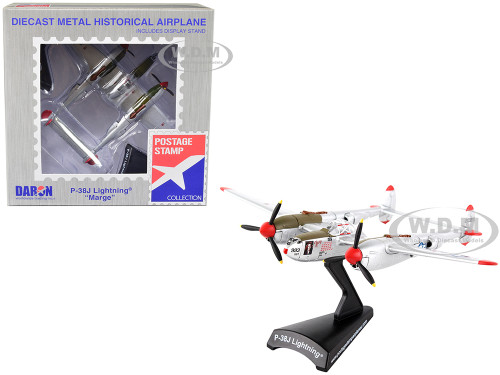
1/115 scale diecast models are compact replicas produced at approximately one one-hundred-fifteenth of the dimensions of the real-world vehicle or subject they represent. This is an uncommon scale, making it an interesting choice for collectors searching for specialized models, compact display pieces, or subjects that are available in less frequently encountered scale formats.
At 1/115 scale, 115 units on the full-size vehicle correspond to approximately one unit on the model. For example, a 115-inch-long vehicle would be approximately 1 inch long as a 1/115 model. The finished size of a model depends on the size of the original subject, so a large aircraft, bus, truck, or other transportation vehicle can still produce a noticeably larger miniature than a small automobile.
Because 1/115 scale diecast models are less common than established scales such as 1/18, 1/24, 1/32, 1/43, and 1/64, availability can vary by manufacturer and subject. Collectors should check each product's listed scale, dimensions, construction, and features when selecting a model.
What Does 1/115 Scale Mean?
The 1/115 scale designation describes the proportional relationship between a model and its full-size counterpart. A model in this scale is approximately 1/115 the size of the original in its linear dimensions.
Some examples illustrate the relationship:
- A 10-foot vehicle would be approximately 1.04 inches long.
- A 20-foot vehicle would be approximately 2.09 inches long.
- A 40-foot vehicle would be approximately 4.17 inches long.
- A 100-foot aircraft would be approximately 10.43 inches long.
These are mathematical examples rather than specifications for particular products. Actual diecast dimensions can vary slightly according to manufacturing specifications and the way a particular subject is modeled.
The important point for collectors is that scale and physical size are not the same thing. Two models can both be 1/115 scale but have very different dimensions because the original vehicles are different sizes.
Why Collect 1/115 Scale Diecast Models?
The appeal of 1/115 diecast models comes from their compact footprint and specialized character. Collectors who enjoy unusual scale formats may find this scale particularly interesting, while others may simply prefer the smaller display size.
Compact models can be especially useful for representing large real-world subjects. An aircraft, commercial vehicle, or other large transportation subject can occupy considerable space in a larger scale. At 1/115, the same subject can be represented in a much more manageable format.
Collectors may choose 1/115 models for:
- Compact displays
- Transportation collections
- Aviation collections
- Military-themed displays
- Fleet collections
- Historical collections
- Specialty vehicle collections
- Uncommon-scale collections
- Small dioramas and miniature scenes
For many enthusiasts, the vehicle itself is the main attraction. The scale determines how that subject fits within the collector's available space and existing collection.
The Benefits of a Compact Scale
A smaller scale can make it possible to display more vehicles within a limited area. This is particularly useful for collectors who want to build a lineup, fleet, or themed display rather than concentrate on only a few large models.
A 1/115 scale display can work well on:
- Shelves
- Bookcases
- Display cabinets
- Desks
- Glass cases
- Transportation displays
- Compact dioramas
The smaller format can also make large subjects more practical to collect. Rather than dedicating a large amount of space to one model, collectors can potentially create a broader display around multiple related subjects.
What Can You Expect to Find in 1/115 Scale?
The selection of 1/115 scale vehicles depends on current manufacturer offerings and availability. Since this is an uncommon scale, the assortment can be more specialized than the selection found in mainstream diecast scales.
Shoppers should therefore evaluate the specific products available rather than assuming that every type of vehicle is produced in 1/115.
Aircraft and Aviation Subjects
Compact scales can be especially practical for aircraft collectors. Full-size aircraft can have substantial fuselage lengths and wingspans, making larger-scale models difficult to accommodate.
A 1/115 aircraft model provides a compact representation of the original aircraft. Depending on the available products, collectors may encounter different aviation subjects, including military, civilian, transport, or specialty aircraft.
When comparing aircraft models, check the listed wingspan and overall length. The real-world size of the aircraft determines the dimensions of the finished model.
Military Vehicles
Military subjects can also be represented in compact scales. Tanks, armored vehicles, military trucks, and other equipment can be arranged into small formations or historical displays.
For military collectors, details such as camouflage, markings, equipment configuration, vehicle variant, and historical period can make a model especially interesting.
A compact military model can be displayed individually or incorporated into a larger thematic collection.
Cars and Commercial Vehicles
Passenger cars and commercial vehicles may be available in 1/115 scale depending on current product offerings.
A passenger car will generally produce a very small model at this scale, while a full-size commercial truck or other larger vehicle can result in a more substantial miniature.
Collectors interested in a specific automobile or truck should review the individual model's dimensions rather than estimating its size from the scale designation alone.
Specialty Transportation
Uncommon scales can also appeal to collectors interested in specialty transportation. Buses, service vehicles, commercial transportation, and other unusual subjects can add variety to a compact collection when available.
These models can be particularly effective when displayed as a fleet or within a transportation-themed scene.
1/115 Scale Compared With Nearby Scales
Comparing 1/115 with nearby scales helps collectors understand relative model size.
- 1/64 — Much larger than 1/115 and one of the most established compact diecast scales.
- 1/72 — Larger than 1/115 and particularly familiar for aircraft and military models.
- 1/76 — Larger than 1/115 and commonly associated with compact transportation subjects.
- 1/87 (HO) — Larger than 1/115 and strongly associated with HO-scale model railroading and transportation displays.
- 1/90 — Larger than 1/115.
- 1/96 — Larger than 1/115.
- 1/97 — Larger than 1/115.
- 1/100 — Larger than 1/115.
- 1/107 — Larger than 1/115.
- 1/110 — Larger than 1/115.
- 1/113 — Larger than 1/115.
- 1/115 — The specialized scale featured in this category.
- 1/144 — Smaller than 1/115 and commonly used for aircraft and other large subjects.
- 1/200 — Considerably smaller than 1/115 and useful for particularly compact representations of large subjects.
Nearby scales should not automatically be treated as interchangeable. This is particularly important for collectors who are building a display around a strict scale standard.
1/115 vs. 1/100 Scale
The 1/100 and 1/115 scales are both compact formats, but a 1/100 model is approximately 15% larger in each linear dimension than an equivalent 1/115 model.
For smaller vehicles, the difference may be modest in absolute terms. For large aircraft or commercial vehicles, the difference can become much more noticeable.
If the goal is simply to find a compact representation of a favorite subject, either scale may be worth considering when available. For a dedicated 1/115 collection, however, the exact scale should be verified before purchasing.
1/115 vs. 1/144 Scale
A 1/115 model is larger than a 1/144 model representing the same full-size subject. The 1/115 model is approximately 25% larger in each linear dimension.
This comparison is particularly useful for aircraft collectors. A 1/115 model offers more physical presence than 1/144 while still remaining considerably more compact than many larger aviation scales.
The best choice depends on the desired display size, available space, and whether the collection is organized around a specific scale.
Choosing a 1/115 Diecast Model
Before purchasing a 1/115 scale diecast model, consider the following:
Verify the Scale
Confirm that the product is specifically listed as 1/115. Nearby scales such as 1/100, 1/107, 1/110, and 1/113 can look very similar in product photographs.
Check the Model Dimensions
The scale describes the relationship to the full-size subject, but it does not determine the exact physical size of every model. Check the listed dimensions whenever available.
Consider the Subject
Think about the specific vehicle, aircraft, manufacturer, era, operator, military service, or theme you are collecting. With an uncommon scale, the individual subject can be the most important consideration.
Review Construction and Features
Depending on the individual model, construction and features can vary. Products may include diecast metal components, plastic parts, rolling wheels, printed graphics, interior details, landing gear, display stands, or other features.
Review the specifications for the individual product before purchasing.
Consider Your Existing Models
If your collection includes 1/100, 1/107, 1/110, 1/113, 1/115, 1/144, or other scales, decide whether you want a strict scale collection or an intentionally mixed display.
Building a 1/115 Scale Collection
A 1/115 scale collection can be organized according to your interests rather than following a single collecting formula.
By Vehicle Type
Group cars, trucks, aircraft, military vehicles, transportation subjects, or specialty models together when suitable products are available.
By Manufacturer or Brand
A collection can focus on a particular vehicle manufacturer, aircraft manufacturer, operator, brand, or model family.
By Era
Historical and modern models can be arranged separately to create displays centered on different periods of vehicle design.
By Theme
Collectors can also build displays around aviation, military history, transportation, commercial fleets, or another specialized subject.
Because 1/115 is an uncommon scale, a collection can have a distinctive identity even with a relatively small number of models. Selecting subjects that share a common theme can create a cohesive display.
Displaying 1/115 Scale Models
The compact size of 1/115 scale models offers flexibility when planning a display. Models can be placed on shelves, in cabinets, on desks, or within miniature scenes.
Aircraft can be displayed individually or arranged into fleet lineups. Ground vehicles can be positioned in parking areas, transportation scenes, roads, garages, or other diorama environments.
For a realistic display, scale compatibility matters. A model from a substantially larger scale can look oversized beside a 1/115 vehicle, while a much smaller model may appear undersized.
Collectors who intentionally mix scales can group similar scales together or create separate display areas for different scale families.
The Appeal of an Uncommon Scale
Diecast collecting encompasses many scale formats beyond the most familiar sizes. 1/115 scale diecast models can appeal to collectors who enjoy unusual scales, compact displays, and specialized subjects.
For some enthusiasts, finding a model in an uncommon scale is part of the collecting experience. For others, the attraction is practical: 1/115 provides a way to represent larger subjects without the display requirements of a larger model.
When evaluating an uncommon-scale model, consider the entire product rather than scale alone. The subject, dimensions, construction, markings, features, and compatibility with your collection all contribute to its value as a display piece.
Find 1/115 Scale Diecast Models
Whether you are looking for a compact aircraft, military vehicle, transportation model, or another specialized collectible, 1/115 scale diecast models offer a distinctive format for collectors who appreciate compact displays and uncommon scales.
Browse the available 1/115 scale models at DiecastModelsWholesale.com, review the individual product specifications, and find a model that fits your collection, display space, and collecting interests.