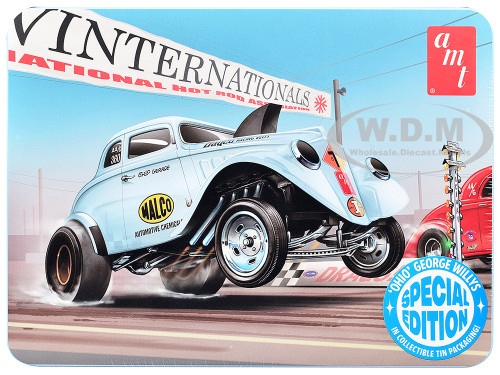
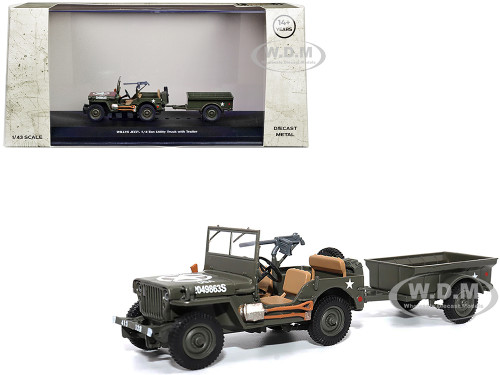
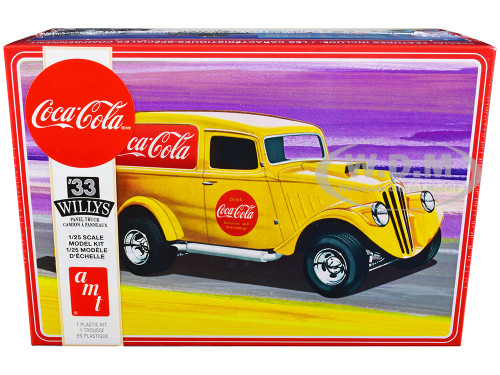
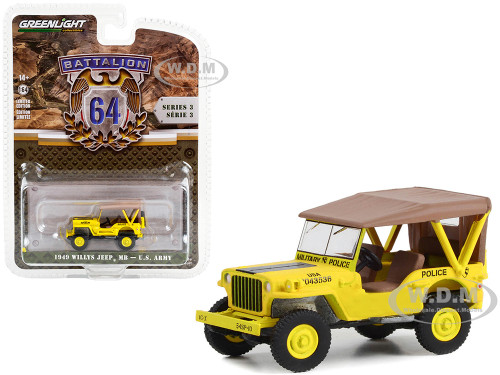
Willys diecast models celebrate an important name in American automotive history, from rugged military vehicles and early civilian Jeeps to vintage passenger cars and hardworking trucks. Known especially for its role in developing and producing the iconic World War II military Jeep, Willys-Overland helped shape the history of four-wheel-drive vehicles and laid the groundwork for generations of off-road automobiles.
The Willys category at DiecastModelsWholesale.com is for collectors who appreciate historic American vehicles, military transportation, classic utility designs, and distinctive automobiles from the mid-20th century. Depending on current availability, Willys scale models may appeal to fans of military history, Jeep enthusiasts, vintage-car collectors, and anyone building a display of historically significant vehicles.
Willys models have a distinctive character. Military Jeeps are recognized for their compact proportions, upright windshields, simple bodywork, and practical design. Civilian utility vehicles carry that functional heritage into postwar farming, recreation, and everyday transportation, while Willys passenger cars offer a different perspective on the company's automotive legacy.
The History Behind Willys Models
Willys-Overland Motors became one of the most influential American automakers of the early and mid-20th century. Its legacy is closely associated with the development of the military Jeep during World War II and the subsequent transition to civilian four-wheel-drive vehicles. The company also produced passenger cars, station wagons, and trucks, giving collectors several distinct vehicle types to explore.
The Willys Jeep and World War II
The military Jeep became one of the defining vehicles of World War II. In 1940, the U.S. Army sought a compact, lightweight, four-wheel-drive reconnaissance vehicle that could operate across challenging terrain. Willys-Overland was one of the manufacturers involved in the development process, alongside American Bantam and Ford. The resulting vehicle concept became widely known as the Jeep.
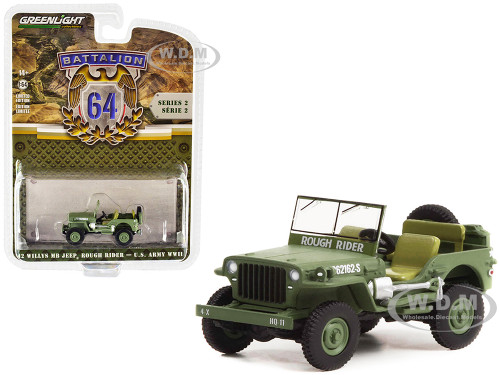
The Willys MB entered full production during the war and served in numerous roles, including reconnaissance, communications, personnel transport, and general utility duties. Its compact size, capable four-wheel-drive system, and relatively straightforward construction made it valuable in demanding conditions across multiple theaters of war.
For diecast collectors, the Willys MB represents more than a military vehicle. It is a recognizable symbol of wartime mobility and American industrial production. Models can complement collections focused on World War II vehicles, military history, historical transport, or the evolution of off-road engineering.
Collectors may be especially interested in details such as:
-
Military markings: National insignia, unit markings, and period-style identification can give a model a more specific historical appearance.
-
Exterior equipment: Spare tires, jerry cans, canvas tops, bumpers, and other accessories help distinguish different configurations.
-
Body and grille details: The upright windshield, flat body panels, and compact front grille are defining features of the classic military Jeep.
-
Finish and presentation: Olive-drab finishes and weathered or field-inspired appearances may suit military displays, depending on the particular model.
Exact equipment, markings, and finishes vary by release, so collectors should consult individual product descriptions and photographs when comparing models.
From Military Jeep to Civilian Utility Vehicle
After World War II, Willys-Overland adapted the military Jeep concept for civilian use. The 1945 CJ-2A became the first full-production civilian Jeep, bringing the basic utility of the wartime design to farmers, ranchers, businesses, and other customers who needed a versatile vehicle.
Civilian models incorporated changes suited to peacetime use, including a tailgate and revised exterior details. The CJ series helped establish the Jeep as a practical vehicle for work and recreation, rather than solely as military equipment.
Later early civilian Jeeps, including the CJ-3A and CJ-3B, developed the original concept in different directions. These vehicles are appealing to collectors interested in the transition from military engineering to civilian transportation. Their familiar open-body layout and utilitarian appearance also make them easy to recognize in a display.
A Willys civilian Jeep model can pair naturally with a military MB replica to illustrate how a related vehicle design evolved to meet different needs. It can also complement collections of farm equipment, classic utility vehicles, and early off-road automobiles.
Notable Willys Vehicles to Know
Willys produced several memorable vehicle types. Understanding the differences can help collectors identify the models that best fit their interests.
Willys MB Military Jeep
The Willys MB is among the most recognizable vehicles associated with the company. Designed for military service, it features a compact body, a folding or upright windshield depending on configuration, simple seating, and a rugged appearance shaped by practical requirements.
Collectors often choose the MB for World War II displays, military vehicle collections, and historical dioramas. A model can be displayed on its own or alongside other period vehicles to represent a convoy, field transport scene, or broader military collection.
Willys CJ-2A and Early Civilian Jeeps
The CJ-2A introduced the civilian Jeep concept after the war. Although it retained the basic character of the military vehicle, its revised details reflected a wider range of peacetime applications.
The CJ-3A continued the early civilian Jeep tradition, while the CJ-3B introduced a taller hood to accommodate its revised engine arrangement. These differences are useful to enthusiasts comparing the development of early Jeep designs. For model collectors, they also provide opportunities to distinguish closely related vehicles by body shape and exterior features.
Willys Jeepster
Introduced in 1948, the Willys Jeepster offered a more road-oriented interpretation of the company's rugged vehicle heritage. Its open touring-style body and distinctive postwar styling set it apart from the utilitarian military Jeep and civilian CJ.
The Jeepster is an appealing subject for collectors who prefer classic American cars and unusual postwar designs. It can add variety to a collection dominated by military vehicles or traditional off-road models.
Willys Station Wagon
The Willys Station Wagon, introduced in 1946, combined practical passenger and cargo space with styling that reflected the company's utility-vehicle experience. It became a notable part of Willys history and helped establish a format that would become familiar in the broader SUV and wagon market.
Its enclosed body gives it a different visual character from the open military Jeep. Collectors interested in vintage family transportation, early sport-utility vehicles, and postwar American design may find this model particularly appealing.
Willys Jeep Truck
The Willys Jeep Truck entered the market in 1947 and remained in production through the following decades under successive company names. Available in working-truck configurations, it extended the Jeep concept into hauling and commercial applications.
A Willys truck model can complement pickups, delivery vehicles, farm equipment, and other classic commercial vehicles. Collectors may compare cab styling, bed design, wheels, and period-specific finishes when evaluating different representations.
Willys Aero Passenger Cars
Willys also produced conventional passenger cars, including the Aero line introduced in the early 1950s. The Aero range featured compact American styling and included variants such as the Lark, Wing, Ace, and Eagle.
These cars offer a useful contrast to the company's better-known military and utility vehicles. For collectors who focus on postwar sedans, unusual American automobiles, or lesser-known manufacturers, a Willys Aero model can bring a different part of the company's history into the display.
Why Collect Willys Diecast Models?
Willys diecast cars and utility vehicles appeal to several types of collectors because the company's history spans military service, practical transportation, and classic automotive design.
Military history enthusiasts may gravitate toward the Willys MB and related wartime vehicles. These models can represent an important chapter in military transportation and fit naturally into collections of historical vehicles from World War II.
Jeep and off-road enthusiasts may prefer early civilian CJ models and other vehicles that helped establish the Jeep's reputation for versatility. They can be displayed alongside later off-road vehicles to illustrate the evolution of four-wheel-drive design.
Classic-car collectors may appreciate the Willys Jeepster, Station Wagon, and Aero passenger cars. These vehicles show that the Willys story extends beyond military transportation and includes distinctive postwar civilian designs.
Truck and commercial-vehicle collectors may be interested in Willys pickups and utility vehicles, particularly when building a display of vintage American work vehicles.
Gift shoppers can consider Willys models for people who enjoy classic cars, military history, Jeep heritage, or collectible scale vehicles. Choosing a model associated with a recipient's interests can make the gift more meaningful than selecting a vehicle based on appearance alone.
Understanding Willys Diecast Model Scales
The Willys category URL identifies several scale sizes: 1:12, 1:18, 1:24, and 1:43. Actual scale availability depends on the individual products currently listed. Scale describes the model's proportions relative to the real vehicle, so a larger model generally takes up more display space.
-
1:12 scale: A large format suited to collectors who want a prominent display piece. It requires more shelf space and can make exterior details easier to appreciate.
-
1:18 scale: A popular size for detailed display models, offering a balance between visual presence and manageable dimensions.
-
1:24 scale: A mid-size option for collectors who want a substantial model without the footprint of a larger scale.
-
1:43 scale: A compact format that is convenient for smaller shelves and collections containing many different vehicles.
These scales are not interchangeable in size. A 1:18 model is larger than a 1:43 model of the same real vehicle, and different vehicle shapes will produce different finished dimensions even when the scale is identical.
Before choosing a model, consider the space available, the scale of the other vehicles in your collection, and whether you prefer a single centerpiece or a coordinated group of models. If you are building a historical display, keeping vehicles at a consistent scale can help create a more unified appearance.
What to Consider When Choosing a Willys Model
The best Willys collectible depends on the period, vehicle type, and display style that interest you most.
Historical Period and Vehicle Type
Start by deciding whether you prefer wartime military vehicles, early civilian Jeeps, classic utility trucks, or postwar passenger cars. Each offers a different perspective on Willys history.
If you are building a World War II collection, a military MB may be the most relevant choice. For a display of early recreational and utility vehicles, a civilian CJ or Willys Station Wagon may fit better. An Aero or Jeepster can add variety to a collection focused on postwar American automobiles.
Exterior Details and Finish
Compare the features visible in each product listing. Military versions may have specific insignia, equipment, and paint finishes, while civilian vehicles may feature different grilles, bodywork, roof configurations, or trim.
Details can vary between releases, even when two models represent closely related vehicles. Review product photographs and descriptions to understand the particular version being offered.
Display Space and Scale Consistency
Measure the available display area before choosing a larger-scale model. If you already collect other vehicles, consider whether the Willys model will be displayed with vehicles of the same scale or as a standalone piece.
A consistent scale can be helpful for collections built around military convoys, historic work vehicles, or a chronological display of Jeep development. A standalone model, however, can be selected primarily for its visual appeal or personal significance.
Packaging and Collectible Condition
Collectors who retain original packaging should review product information and photographs carefully. Packaging styles vary by manufacturer and release, and the box may form part of the collectible's presentation. When comparing options, consider both the model itself and how you intend to store or display it.
Building a Willys Collection
A Willys collection can focus on a single vehicle type or represent several stages of the company's history. One approach is to begin with a military MB and add a civilian CJ to show how the wartime vehicle developed for peacetime use. Another is to collect a broader range of Willys vehicles, combining Jeeps with the Jeepster, Station Wagon, Jeep Truck, or Aero passenger cars when available.
Collectors interested in automotive history can also use Willys models to connect different themes: World War II transportation, the rise of civilian four-wheel-drive vehicles, postwar American design, and the development of practical utility vehicles.
Because specific models, manufacturers, colors, and scales may change over time, check the individual listings for current details rather than assuming every historical Willys vehicle is available as a diecast replica.
Explore the Willys diecast models available at DiecastModelsWholesale.com to find a collectible that fits your interests, whether you favor military history, early Jeep heritage, classic American cars, or vintage utility vehicles.