Reefer Refrigerated Van Trailer Diecast Models
Reefer refrigerated van trailers are enclosed commercial trailers equipped with refrigeration systems to transport temperature-sensitive products. Commonly called reefer trailers, these specialized trailers are an important part of modern freight transportation, moving food, beverages, pharmaceuticals, flowers, and other products that need controlled temperatures during transit.
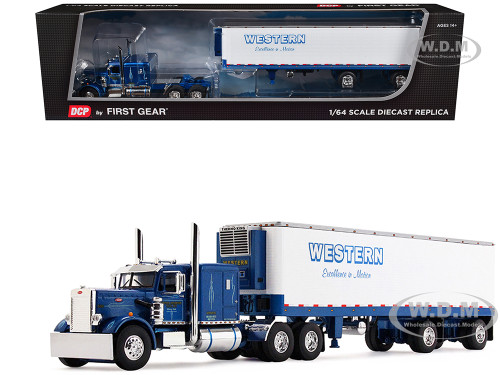
For diecast collectors, reefer refrigerated van trailer models offer an opportunity to add realistic refrigerated freight equipment to a commercial truck collection, trucking diorama, or logistics-themed display. Their large enclosed bodies, recognizable refrigeration units, multi-axle chassis, and colorful fleet graphics also make them visually distinctive compared with standard dry cargo trailers.
What Is a Reefer Trailer?
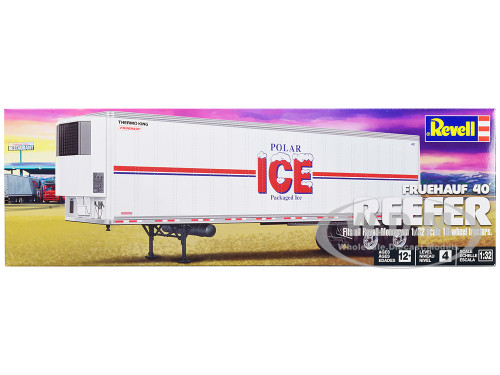
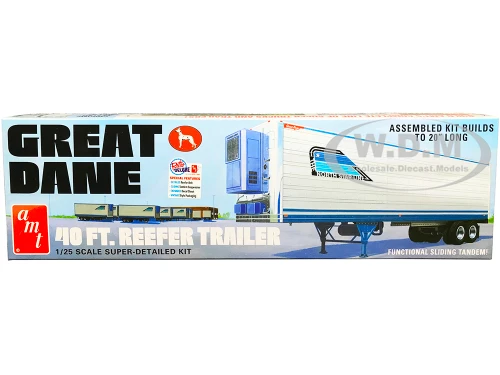
A refrigerated van trailer looks similar to a conventional enclosed dry van trailer, but it incorporates equipment designed to maintain a controlled temperature inside the cargo compartment. The refrigeration unit is typically mounted at the front of the trailer, above or near the front wall, where it can circulate conditioned air through the insulated cargo space.
The trailer body is designed to reduce heat transfer, while the refrigeration system helps maintain the required temperature during transportation. Depending on the application, a reefer can be used for chilled, frozen, or temperature-sensitive freight.
Typical reefer trailer features represented on scale models include:
- Enclosed insulated trailer body
- Front-mounted refrigeration unit
- Refrigeration housing and vents
- Rear cargo doors
- Tandem or multiple trailer axles
- Landing gear
- Undercarriage and suspension components
- Trailer graphics and fleet markings
- Reflective safety markings and identification details
- Fifth-wheel connection area
These details give a refrigerated trailer diecast model a distinctive appearance and make it especially recognizable in a trucking display.
What Do Refrigerated Trailers Transport?
Reefer trailers are commonly associated with the transportation of products that can spoil, degrade, or become unusable if exposed to unsuitable temperatures.
Typical refrigerated freight includes:
- Fresh fruits and vegetables
- Meat and poultry
- Seafood
- Dairy products
- Frozen foods
- Ice cream and other frozen desserts
- Beverages
- Flowers and plants
- Certain pharmaceutical and medical products
- Other temperature-sensitive goods
The required temperature depends on the cargo. A reefer is therefore not simply a trailer that is always kept frozen; its refrigeration system can be used to maintain different controlled conditions depending on the shipment.
This variety also adds interest to diecast collecting. A refrigerated trailer can represent a supermarket supply chain, food distributor, long-haul trucking operation, produce carrier, or regional delivery network.
Reefer vs. Dry Van Trailer
One of the most important distinctions for collectors is the difference between a refrigerated van and a standard dry cargo van.
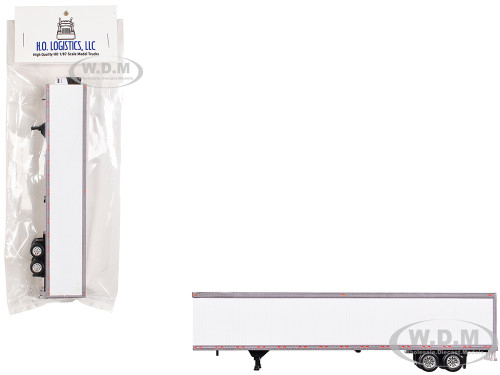
A dry van trailer is an enclosed trailer designed primarily to protect ordinary freight from weather, theft, and handling conditions. It does not have an active refrigeration system.
A reefer trailer has an insulated cargo compartment and refrigeration equipment for temperature-controlled freight. The most obvious visual difference is generally the refrigeration unit mounted at the front of the trailer.
This distinction can be particularly useful when choosing models for a trucking collection. A fleet display containing both dry vans and reefer trailers can show the different equipment used for different types of freight.
Collectors can also compare refrigerated trailers with other trailer categories such as Dry Cargo Van, Tanker, and Pneumatic trailers.
The History of Refrigerated Freight Transportation
The idea of transporting perishable goods in controlled or cooled conditions predates modern highway trucking. Early refrigerated transportation relied on natural ice and insulated containers to slow spoilage during shipment. Refrigerated railcars eventually became an important method of moving food over long distances, particularly as railway networks expanded.
Mechanical refrigeration changed the possibilities for temperature-controlled transportation. Instead of relying on blocks of ice that gradually melted, mechanical systems could actively remove heat and maintain a more consistent environment.
As motor trucking and highway transportation expanded during the 20th century, refrigerated equipment became increasingly important for moving perishable goods directly between producers, warehouses, distribution centers, stores, and other destinations.
Modern reefer trailers are the result of this evolution. Insulated bodies, mechanical refrigeration, improved controls, better insulation materials, and increasingly sophisticated monitoring systems have made temperature-controlled trucking an essential part of freight transportation.
Collecting Reefer Refrigerated Van Models
Reefer trailers are particularly interesting for collectors who appreciate commercial vehicles and transportation equipment. Unlike a generic enclosed trailer, a refrigerated trailer has recognizable mechanical equipment that adds another layer of detail to the model.
When selecting a reefer trailer diecast, consider the following features.
Refrigeration Unit
The refrigeration unit is one of the defining details of the trailer. Its housing, vents, proportions, and placement can help distinguish a reefer from a standard dry van.
Trailer Body
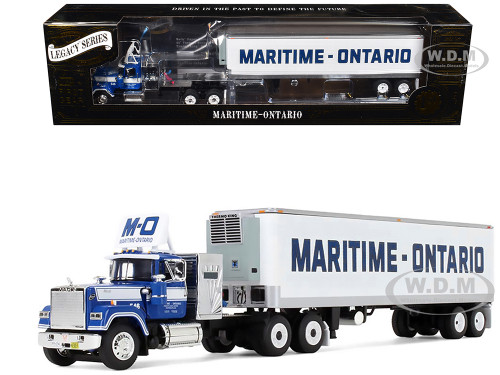
The large enclosed body provides an excellent surface for manufacturer, carrier, food-company, or fictional fleet graphics. These markings can make certain models particularly attractive for collectors.
Chassis and Running Gear
The trailer frame, landing gear, axles, wheels, suspension, and rear structure are important details on commercial scale models. Larger scales may provide more opportunities for these components to be represented accurately.
Fleet Graphics
Commercial trailers are often highly visible advertising surfaces. A reefer model with distinctive graphics can therefore represent not only the trailer type but also a particular transportation era or freight operation.
Scale Compatibility
Scale is especially important when a refrigerated trailer is being paired with a tractor. A trailer and truck should generally be the same scale to create a convincing combination.
Reefer Trailers in Trucking Dioramas
A refrigerated trailer can be an excellent centerpiece for a modern freight or distribution diorama. Pairing a reefer with a compatible Truck Tractor or Semi creates a realistic tractor-trailer combination.
Collectors can also use reefer trailers in scenes representing:
- Distribution centers
- Supermarket loading areas
- Grocery warehouses
- Produce markets
- Truck stops
- Highway freight terminals
- Food-processing facilities
- Cold-storage warehouses
- Regional delivery operations
- Long-haul trucking routes
Because refrigerated freight operates across many parts of the supply chain, these models can be incorporated into both transportation-focused and industrial displays.
Choosing a Scale for Your Collection
Reefer refrigerated van trailers are available in different scales depending on the manufacturer and specific model.
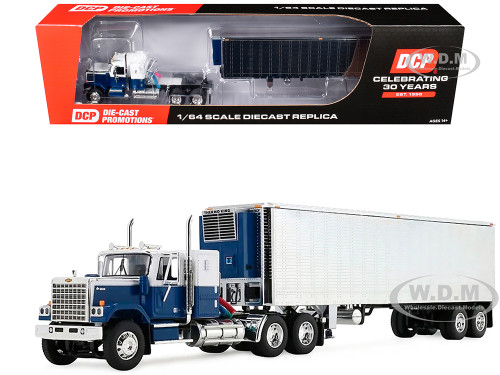
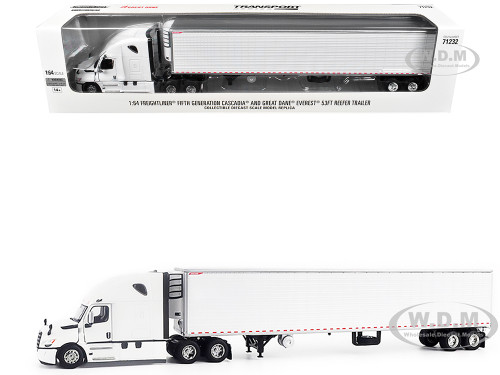
1/64 scale is a popular choice for collectors building larger commercial trucking displays. Its compact size allows multiple tractor-trailer combinations to be displayed together and makes it easier to create warehouse, highway, or truck-stop scenes.
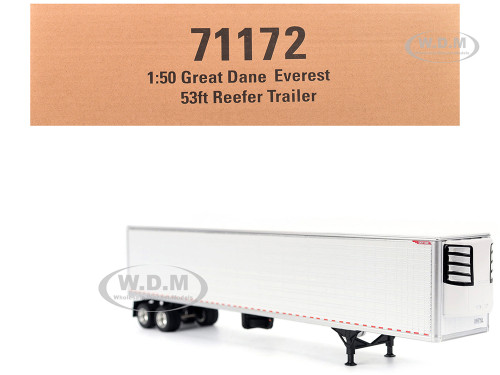
1/50 scale is particularly well suited to detailed commercial vehicle and construction-equipment collections. At this size, trailer chassis components, refrigeration units, landing gear, graphics, and other details can have a strong visual presence.
1/43, 1/32, and other scales may also be available depending on the model. If you are pairing a refrigerated trailer with a tractor you already own, matching the scale is usually more important than choosing a particular scale simply because it is larger.
Building a Commercial Trucking Collection
Refrigerated trailers work especially well as part of a broader commercial transportation collection. A collector might display a reefer alongside dry vans, flatbeds, tankers, lowboys, car carriers, or other specialized equipment to demonstrate how different trailer designs serve different transportation needs.
A fleet can also be organized around a particular scale, manufacturer, truck brand, or transportation theme. For example, a collector interested in American Class 8 trucks can pair different tractor configurations with several trailer types while maintaining a consistent scale.
The reefer's recognizable front refrigeration unit makes it easy to identify even when displayed among several similar-looking enclosed trailers.
Details That Make Reefer Models Stand Out
The best refrigerated trailer models can be appreciated from several angles. From the front, the refrigeration unit immediately distinguishes the trailer. From the side, the large enclosed body provides space for graphics and fleet markings. From the rear, the cargo doors and safety details add realism.
Collectors should also pay attention to proportions between the tractor and trailer. A properly matched combination creates a more convincing representation of a working semi-truck, whether it is displayed on a shelf or incorporated into a larger diorama.
For collectors interested in commercial transportation, logistics, food distribution, or modern trucking, a reefer trailer is a useful addition because it represents a specific and important type of freight equipment rather than simply another enclosed trailer.
Browse the Reefer Refrigerated Van category at DiecastModelsWholesale.com to explore available refrigerated trailer models and find the right scale, design, and trucking combination for your collection or diorama.







 $104.99Was $120.99Save 13%
