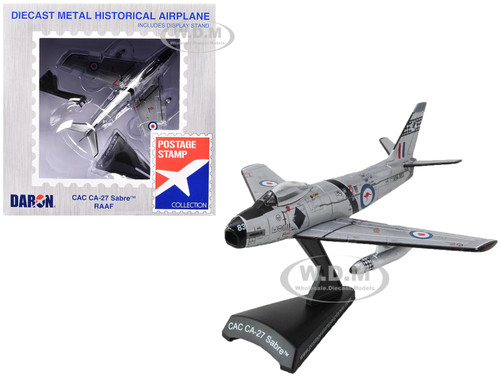
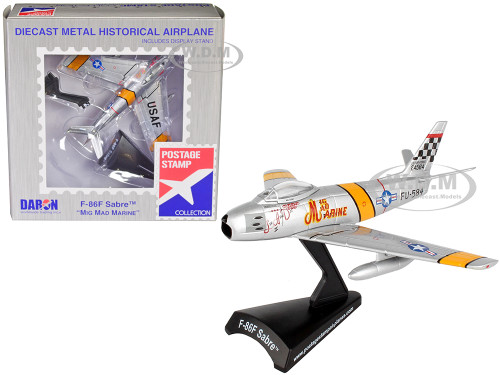
1/110 scale diecast models are compact replicas produced at approximately one one-hundred-tenth of the dimensions of the real-world vehicle they represent. This is an uncommon scale, making it particularly appealing to collectors looking for specialized models, compact display pieces, or vehicles that are not commonly available in larger, mainstream diecast scales.
At 1/110 scale, 110 units on the full-size vehicle correspond to approximately one unit on the model. For example, a 110-inch-long vehicle would be represented by a model about one inch long. The actual dimensions of each model depend on the size of its full-size counterpart, so a large aircraft or commercial vehicle can still produce a relatively substantial miniature at this scale.
Because 1/110 is a specialized scale, the available selection can vary by manufacturer, subject, and current production. Shoppers should use the individual product specifications to confirm the exact scale, dimensions, construction, and features of each model.
What Does 1/110 Scale Mean?
The 1/110 scale designation describes the proportional relationship between a miniature and its full-size subject. A model produced in this scale is approximately 1/110 of the original vehicle's length, width, and height.
For example:
- A 10-foot vehicle would be approximately 1.09 inches long.
- A 20-foot vehicle would be approximately 2.18 inches long.
- A 40-foot vehicle would be approximately 4.36 inches long.
- A 100-foot aircraft would be approximately 10.91 inches long.
These examples are intended to illustrate the scale relationship. Actual product dimensions may vary slightly depending on manufacturing specifications and the way a particular subject is represented.
This distinction is important when planning a display. Two models can both be 1/110 scale but have very different physical dimensions because their real-world vehicles are different sizes.
Why Collect 1/110 Scale Diecast Models?
The appeal of 1/110 scale diecast models comes from their compact footprint and specialized character. Collectors who already own models in common scales may enjoy finding a particular subject in a less frequently encountered format.
The scale can also be useful when the original subject is large. A full-size aircraft, commercial vehicle, or other transportation subject can require considerable shelf space when reproduced in 1/48, 1/72, 1/32, or other larger scales. A 1/110 model offers a more compact way to represent that subject.
Collectors may choose 1/110 models for:
- Compact displays
- Transportation collections
- Aircraft collections
- Military-themed displays
- Fleet collections
- Historical collections
- Specialty vehicle collections
- Uncommon-scale collections
- Dioramas and miniature scenes
For many enthusiasts, the subject itself remains the primary reason for collecting. The scale then determines how that subject fits into the overall collection.
The Benefits of a Compact Scale
Smaller models can make it easier to build larger thematic displays without requiring extensive shelf space. This is especially useful for collectors who want to represent multiple related vehicles.
A 1/110 scale display can be arranged on:
- Shelves
- Display cabinets
- Desks
- Bookcases
- Glass cases
- Transportation-themed scenes
- Compact dioramas
The smaller format can also make a large fleet or lineup visually practical. Instead of displaying only a few large models, a collector may be able to represent a broader range of subjects within the same area.
What Can You Expect to Find in 1/110 Scale?
The selection of 1/110 scale vehicles depends on current availability. Unlike major diecast scales with extensive product ranges, an uncommon scale may be used for particular products or specialized subjects.
For this reason, shoppers should approach the category with an open mind and evaluate the individual models available rather than expecting every vehicle type to be represented.
Aircraft and Aviation Subjects
Compact scales can be particularly useful for aircraft because full-size airplanes can have substantial wingspans and fuselage lengths.
A 1/110 aircraft model can provide a recognizable representation while occupying considerably less space than an equivalent model in a larger aviation scale.
Depending on available products, collectors may encounter different types of aircraft or aviation subjects. When comparing models, wingspan and overall length are especially useful measurements because the dimensions of aircraft vary considerably.
Military Vehicles
Military vehicles can also be represented in compact scales. Tanks, armored vehicles, trucks, and other military subjects can be arranged into small formations or historical displays.
For collectors, markings, camouflage, vehicle variant, unit identity, and historical period can add as much interest to a model as its physical size.
A 1/110 military model can therefore work as an individual collectible or as part of a larger thematic display.
Cars and Commercial Vehicles
Passenger cars and commercial vehicles may also be available in 1/110 scale depending on current manufacturer offerings.
Because cars are considerably smaller than many aircraft and heavy commercial vehicles in real life, the physical dimensions of a 1/110 automobile can be quite small. Commercial trucks and larger transportation subjects will generally produce larger models at the same scale.
Collectors interested in a specific vehicle should therefore review the model dimensions rather than relying on the scale designation alone.
Specialty Transportation
Uncommon scales can be particularly interesting for specialty transportation subjects. Buses, service vehicles, commercial vehicles, and other transportation models can provide variety within a scale-focused collection when available.
These models can also be arranged into fleet displays or transportation scenes.
1/110 Scale Compared With Nearby Scales
Understanding nearby scales can help collectors decide whether a 1/110 model will fit with an existing collection.
- 1/64 — Much larger than 1/110 and one of the most established compact diecast scales.
- 1/72 — Larger than 1/110 and particularly common for aircraft and military subjects.
- 1/76 — Larger than 1/110 and frequently associated with compact transportation subjects.
- 1/87 (HO) — Larger than 1/110 and strongly associated with HO-scale model railroading and transportation displays.
- 1/90 — Larger than 1/110.
- 1/96 — Larger than 1/110.
- 1/97 — Larger than 1/110.
- 1/100 — Slightly larger than 1/110.
- 1/107 — Slightly larger than 1/110.
- 1/110 — The specialized scale featured in this category.
- 1/144 — Smaller than 1/110 and commonly used for aircraft and other large subjects.
- 1/200 — Considerably smaller than 1/110 and useful for representing very large subjects in a compact format.
- 1/400 — Much smaller, particularly useful for large aircraft collections and fleet displays.
The difference between 1/100 and 1/110 may seem modest, but the 1/100 model is 10% larger in each linear dimension than an equivalent 1/110 model. For a strict scale collection, these should be treated as separate scales.
1/110 vs. 1/100 Scale
The 1/100 and 1/110 scales are relatively close, making them an important comparison for collectors shopping for compact models.
For the same full-size subject, a 1/100 model is approximately 10% larger in each linear dimension than a 1/110 model.
That difference becomes more noticeable as the original vehicle becomes larger. For a small vehicle, the difference may be only a fraction of an inch, while a large aircraft or commercial vehicle can show a more obvious difference.
Collectors who simply want a compact representation may be comfortable considering both scales. Collectors building a scale-specific display should verify the exact designation before purchasing.
1/110 vs. 1/144 Scale
A 1/110 model is larger than a 1/144 model representing the same full-size subject. The 1/110 model is approximately 31% larger in each linear dimension.
This can be particularly important with aircraft. Moving from 1/144 to 1/110 can provide a noticeable increase in physical presence while still keeping the model substantially smaller than many larger aviation scales.
For collectors with limited display space, 1/110 can therefore provide an interesting middle ground between larger compact scales and very small aircraft scales.
Choosing a 1/110 Diecast Model
Before adding a 1/110 scale diecast model to your collection, consider several factors.
Confirm the Scale
Check that the product is specifically listed as 1/110. Nearby scales such as 1/100 and 1/107 can appear similar when viewed in photographs.
Check the Dimensions
The model's final dimensions depend on the full-size vehicle. Reviewing the listed length, width, and height can help determine whether the model will fit your display.
Consider the Subject
Look for the vehicle, aircraft, manufacturer, era, operator, military service, or theme that interests you. With an uncommon scale, the specific subject may be the primary reason to purchase a model.
Review Construction and Features
Individual products can differ in their construction and features. Depending on the model, details may include diecast metal components, plastic parts, rolling wheels, printed graphics, interior details, landing gear, display stands, or other features.
Always review the product-specific specifications before purchasing.
Consider Scale Compatibility
If you already own 1/100, 1/107, 1/110, 1/144, or other models, determine whether you want a consistent-scale collection or a display that intentionally combines different scales.
Building a 1/110 Scale Collection
A 1/110 scale collection can be organized in several ways.
By Vehicle Type
Group aircraft, cars, trucks, military vehicles, transportation subjects, or specialty vehicles together when appropriate models are available.
By Era
Separate historical and modern subjects to create displays that emphasize changes in vehicle design and technology over time.
By Manufacturer or Brand
Collectors can focus on particular vehicle manufacturers, aircraft manufacturers, operators, or product themes.
By Historical Theme
A collection can also represent a particular military period, transportation theme, aviation subject, or other area of interest.
Because 1/110 is an uncommon scale, collectors do not necessarily need a large number of models for the display to have a distinctive identity. A carefully selected group of compatible subjects can create a cohesive collection.
Displaying 1/110 Scale Models
The compact nature of 1/110 models allows collectors to experiment with different display arrangements.
Aircraft can be placed on individual stands or grouped into fleet displays. Ground vehicles can be arranged into lineups, transportation scenes, parking areas, or miniature dioramas.
If you are building a detailed scene, pay attention to scale consistency. A vehicle from a significantly larger scale can look oversized next to a 1/110 model.
Collectors who intentionally combine scales can instead separate the display by scale or use scale differences to create different visual zones.
The Appeal of an Uncommon Scale
Diecast collecting is not limited to the most familiar scales. 1/110 scale diecast models can appeal to enthusiasts who enjoy specialized subjects, compact displays, and less-common scale formats.
For some collectors, the scale itself is part of the attraction. For others, 1/110 simply provides an appropriate way to represent a favorite large vehicle without requiring the display space of a larger model.
The best way to shop an uncommon scale is to evaluate the complete product: scale, subject, dimensions, materials, features, and how it will fit into your existing collection.
Find 1/110 Scale Diecast Models
Whether you are searching for a compact aircraft, military vehicle, transportation model, or another specialized subject, 1/110 scale diecast models provide an uncommon and space-conscious format for collecting.
Browse the available 1/110 scale models at DiecastModelsWholesale.com, review individual product specifications, and find the next model to add to your collection or display.