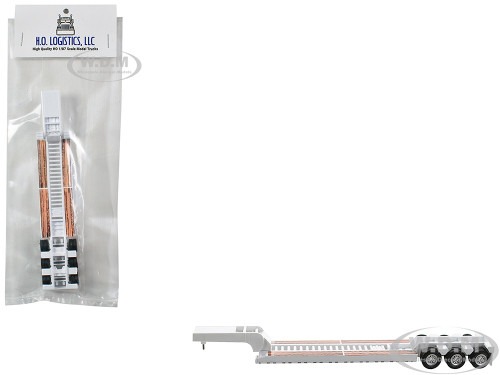
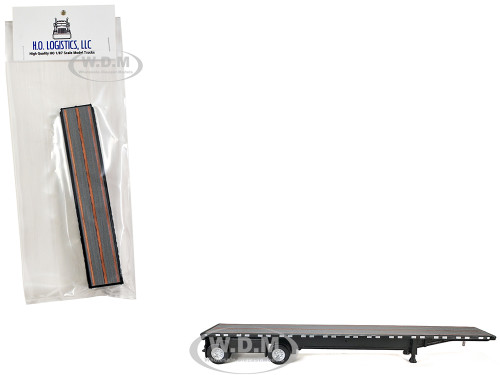
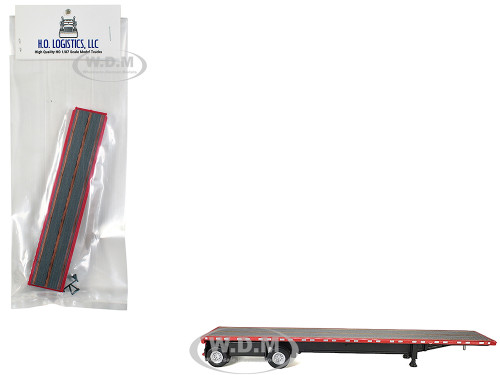
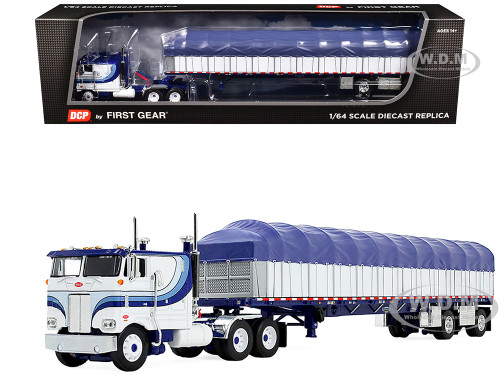
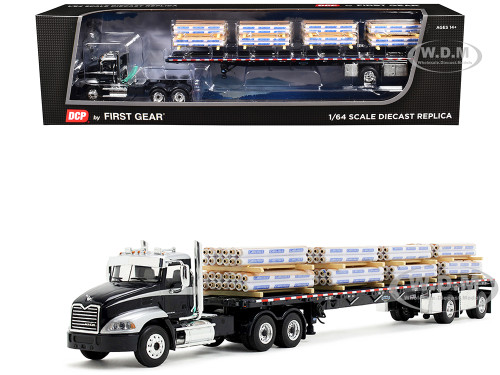
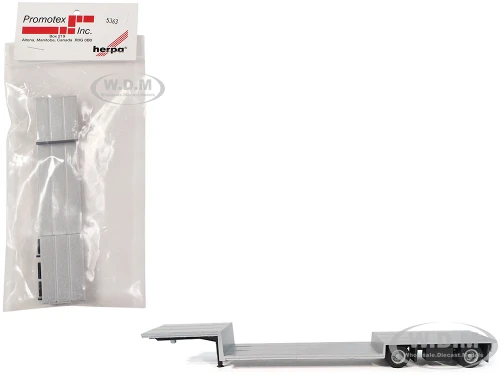
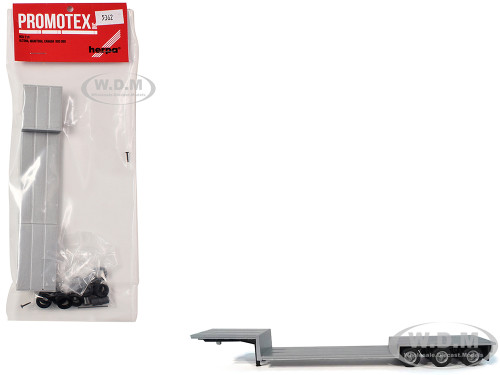
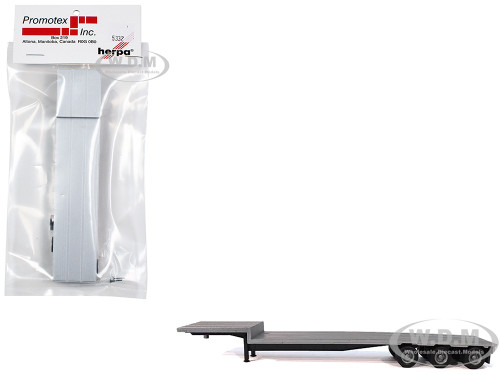
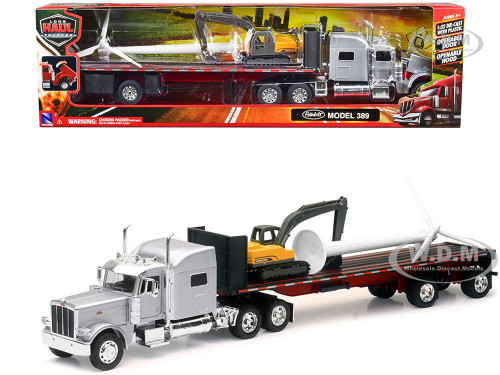
Flatbed Car Trailer Diecast Models
Flatbed car trailers are open-deck trailers designed to transport automobiles without enclosing them inside a covered body. With a low, unobstructed platform and dedicated loading equipment, they provide easy access for loading and unloading vehicles. In the real world, flatbed car trailers can be used by automotive transporters, dealerships, repair businesses, racing teams, collectors, and enthusiasts who need to move cars and specialty vehicles.
For diecast collectors, flatbed car trailer models add an important transportation element to automotive displays. A car mounted on a flatbed trailer can be paired with a pickup, SUV, truck, or commercial vehicle to create a realistic towing scene. The open design also allows the vehicle being transported to remain completely visible, making the combination especially effective as a display piece.
The Flatbed Car category at DiecastModelsWholesale.com features scale trailer models representing this practical and recognizable form of vehicle transportation.
What Is a Flatbed Car Trailer?
A flatbed car trailer is an unpowered trailer consisting primarily of an open, level deck supported by a chassis, axles, wheels, suspension, and towing equipment. Unlike an enclosed car trailer, it does not have a roof or fully enclosed side walls around its cargo.
The open platform allows automobiles to be driven or winched onto the trailer. Depending on the design, the trailer may use ramps, a tilt deck, removable sections, or other loading arrangements. Once loaded, the vehicle is secured using appropriate restraints before transportation.
Flatbed car trailers come in different sizes and configurations. Smaller trailers can be designed to carry a single passenger vehicle, while larger commercial equipment can accommodate heavier or larger automobiles.
Typical Features
Depending on the prototype represented by a diecast model, collectors may find details such as:
- Open flat loading deck
- Loading ramps
- Wheel chocks or securing points
- Trailer frame and crossmembers
- Tandem or multiple axles
- Fenders
- Detailed wheels and tires
- Suspension components
- Trailer tongue and hitch
- Winch or loading equipment on some designs
- Removable or folding ramps
The open construction makes many of these components easy to see, which can make a detailed flatbed car trailer particularly attractive to collectors interested in realistic mechanical features.
How Flatbed Car Trailers Are Used
The versatility of the flatbed design makes it suitable for many types of automotive transportation.
Vehicle Transport
Flatbed trailers can be used to move passenger cars, sports cars, classic automobiles, project vehicles, and other vehicles that can be safely loaded onto the platform.
For automotive collectors, a trailer can represent a vehicle being transported between a home garage, restoration facility, dealership, auction, or car show.
Motorsports
Racing enthusiasts are another natural audience for flatbed car trailers. Race cars and track vehicles often need to be transported rather than driven on public roads, and an open trailer provides a straightforward way to move them.
A diecast race car displayed on a flatbed trailer can therefore create a convincing pre-race or transportation scene. Collectors can combine the trailer with models from the Racing Models category to expand a motorsports display.
Automotive Service and Recovery
Flatbed designs can also be associated with repair shops, vehicle service operations, and specialty transportation. An automobile that is not suitable for normal road travel can be loaded onto a trailer and transported to another location.
This makes flatbed car trailers useful additions to displays centered on automotive workshops and transportation.
Flatbed Car Trailer vs. Enclosed Car Trailer
The most obvious distinction between flatbed and enclosed car trailers is the structure surrounding the vehicle.
A flatbed car trailer has an open deck. The automobile remains fully visible and accessible from the sides, while ramps or other loading equipment provide access to the platform.
An enclosed car trailer surrounds the vehicle with a roof and side walls. It provides greater protection from weather and road debris and may also provide enclosed storage for equipment.
Both types have important real-world applications. For diecast collectors, the choice can come down to the type of display being created. A flatbed offers an unobstructed view of the vehicle being transported, while an enclosed trailer creates a more specialized transport or motorsport appearance.
Flatbed Car Trailers and Other Open Trailers
Flatbed car trailers are related to several other open trailer designs, but their intended cargo helps distinguish them.
A general flatbed trailer provides an open level deck for a wide variety of cargo, including machinery, building materials, equipment, and oversized loads. A flatbed car trailer is configured specifically around transporting automobiles.
A drop-side trailer incorporates removable, folding, or hinged side panels and is generally intended for cargo that benefits from side containment and access.
A lowboy or lowboy trailer places the deck considerably lower and is primarily associated with transporting heavy construction machinery and other tall equipment.
A boat trailer, meanwhile, is purpose-built around supporting a boat hull and uses bunks, rollers, and other components designed for marine craft.
Understanding these differences can help collectors choose the right trailer model for a particular vehicle display. The broader Trailer category provides additional trailer configurations for collectors exploring different types of scale transportation equipment.
A Brief History of Flatbed Vehicle Transport
The concept behind an open vehicle transport trailer is closely connected to the early development of motor vehicles and commercial road transportation. Before specialized automobile trailers became common, vehicles and equipment could be moved using general-purpose carts, wagons, and platforms.
As automobile ownership expanded during the early 20th century, so did the need to transport vehicles that could not simply be driven to their destination. Dealers, repair businesses, manufacturers, and motorsports participants all had reasons to move automobiles independently of normal road use.
Trailer technology continued to develop alongside trucks and towing equipment. Improvements in steel construction, axles, suspension, braking, tires, couplings, and loading ramps allowed trailers to carry increasingly specialized and heavier loads.
The flatbed design remained useful because of its simplicity and flexibility. An open deck does not require the additional body structure of an enclosed trailer and provides easy access to the cargo. For automobile transportation, the basic concept can be adapted with ramps, tie-down points, wheel guides, and other features intended to make vehicle loading and securing more practical.
Modern flatbed car trailers continue this long tradition of straightforward open-deck transportation.
Choosing a Flatbed Car Trailer Diecast Model
When selecting a flatbed car trailer for a collection, consider how the model will relate to the vehicles already in your display.
Match the Scale
Scale compatibility is particularly important when pairing a trailer with a car and tow vehicle. Common scales for automotive and trailer models include 1/18, 1/24, 1/32, 1/43, 1/50, and 1/64, although availability depends on the specific model and manufacturer.
A properly matched trailer can make the entire combination look considerably more realistic.
Consider the Deck and Loading Configuration
Look at the length and width of the deck and the style of ramps or loading equipment. A compact trailer may be appropriate for a passenger car or sports car, while a larger flatbed can create a more substantial commercial transportation scene.
Look for Mechanical Detail
Collectors who appreciate construction and engineering details may want to examine the trailer's axles, suspension, frame, ramps, wheels, hitch, and securing equipment. These features can give a small model considerable visual interest.
Think About the Tow Vehicle
A flatbed car trailer is often most convincing when displayed as part of a complete towing combination. Depending on the size and configuration, the tow vehicle could be a pickup, SUV, or heavier commercial truck.
Explore Pickup Trucks and UTV & SUV models when creating a passenger-vehicle towing scene, or browse the broader Truck selection for commercial transportation displays.
Display Ideas for Collectors
Flatbed car trailers provide numerous possibilities for scale displays because the vehicle being transported remains visible.
Consider creating scenes such as:
- A classic car being transported to a show
- A race car heading to the track
- A project car leaving a restoration shop
- A sports car being delivered to a customer
- A vintage automobile being moved between garages
- A roadside transportation scene
- A pickup towing a loaded car trailer
The trailer can also be displayed without a vehicle, particularly when the collector wants to emphasize its chassis, deck, ramps, and mechanical details.
For larger-scale models, details such as wheel straps, ramps, suspension, and trailer hardware can become important focal points. At smaller scales, several vehicles and trailers can be combined to create a broader automotive transportation scene.
Flatbed Trailers in Automotive Collections
Automotive diecast collections often focus heavily on the cars themselves. Adding a flatbed car trailer introduces another part of the story by showing how those vehicles are transported.
This can be particularly effective with classic cars, race cars, customized vehicles, and specialty automobiles. The trailer creates context without hiding the vehicle, allowing the collector to enjoy both models at the same time.
Flatbed car trailers also bridge the gap between passenger-vehicle collecting and commercial transportation collecting. Their combination of automotive purpose and trailer engineering makes them useful for enthusiasts with interests spanning cars, trucks, and equipment.
Build a Complete Transportation Display
A flatbed car trailer can become the foundation of a compact automotive diorama. Pairing the trailer with a compatible tow vehicle and a carefully selected car creates a three-part display that tells a simple but recognizable story: a vehicle is being transported from one place to another.
Collectors can take the scene further with a garage, workshop, race paddock, dealership, or roadside setting. Because the trailer is open, the transported vehicle remains the visual centerpiece while the trailer provides supporting context.
Shop Flatbed Car Trailer Diecast Models
Whether you collect classic automobiles, racing models, trucks, or transportation equipment, a flatbed car trailer diecast model can add variety and realism to your display. Its open design showcases the vehicle being transported while providing an opportunity to appreciate the trailer's own construction and detailing.
Browse the Flatbed Car category at DiecastModelsWholesale.com to find available scale flatbed car trailers and discover a model that complements your favorite vehicles, tow trucks, or automotive diorama.