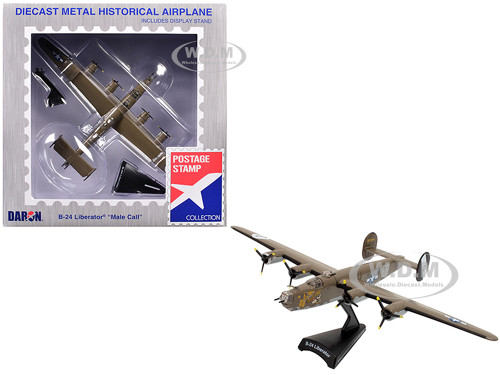
Explore 1/163 scale diecast models at DiecastModelsWholesale.com, a specialized category for collectors looking for compact and uncommon-scale vehicles. At 1/163 scale, each model represents its real-world counterpart at approximately one 163rd of its actual size, creating a miniature format that takes up very little display space.
The 1/163 scale is considerably less common than established diecast scales such as 1/18, 1/24, 1/43, 1/50, and 1/64. It is therefore best suited to shoppers who are specifically searching for a particular model in this scale or collectors who appreciate specialized miniature vehicles.
What Does 1/163 Scale Mean?
Scale describes the proportional relationship between a model and its full-size counterpart. A 1/163 scale model means that one unit of measurement on the miniature represents 163 of the same units on the actual vehicle.
For example:
- 1 inch on the model represents 163 inches on the real vehicle.
- 1 centimeter on the model represents 163 centimeters on the real vehicle.
- A 40-foot-long vehicle would be approximately 2.94 inches long at 1/163 scale.
- A 50-foot-long aircraft would be approximately 3.68 inches long.
- A 100-foot-long aircraft would be approximately 7.36 inches long.
The actual dimensions of a 1/163 model depend on the size of the original subject. A compact automobile will naturally produce a smaller model than a bus, truck, or aircraft, even though both are made to the same scale.
This proportional relationship is particularly useful for collectors planning a compact display or trying to determine whether a model will fit alongside other subjects.
Why Collect 1/163 Scale Diecast Models?
The primary appeal of 1/163 scale diecast models is their compact footprint. Collectors can represent a variety of vehicles without dedicating as much shelf or cabinet space as larger-scale models require.
This can be particularly useful for large real-world subjects. Aircraft, buses, commercial vehicles, and other transportation equipment can become physically large when reproduced at 1/32, 1/43, 1/50, or other larger scales. A compact scale offers another option for collectors who want to display these subjects efficiently.
An uncommon scale can also have a special appeal for dedicated collectors. When scale consistency matters, finding the right subject at 1/163 may be more important than selecting a similar model in a more readily available scale.
What Can You Expect to Find in 1/163 Scale?
Because 1/163 is an uncommon scale, product selection can vary according to current manufacturing and availability. Depending on the models offered, shoppers may find several types of compact vehicles and transportation subjects.
Aircraft and Aviation Models
The compact dimensions of 1/163 can make it suitable for aviation subjects, particularly larger aircraft that would otherwise require considerable display space.
Depending on availability, collectors may encounter:
- Commercial passenger aircraft
- Airline models
- Cargo aircraft
- Transport aircraft
- Military aircraft
- Helicopters
- Specialty aviation subjects
A collection of compact aircraft can represent multiple aircraft types or liveries while requiring substantially less space than larger aviation models.
Cars and Road Vehicles
Depending on current availability, 1/163 scale may also be represented by road vehicles and transportation subjects.
Compact automobiles can be displayed individually or incorporated into larger scenes. Collectors can organize them around manufacturers, vehicle types, historical periods, or other themes.
Trucks and Commercial Transportation
Trucks and commercial vehicles can also be useful subjects for compact-scale collections. Depending on the products available, these may include delivery vehicles, commercial trucks, service vehicles, or other transportation equipment.
A consistent compact scale can be especially useful when multiple vehicles are being arranged as a fleet or transportation scene.
Military and Specialty Vehicles
Specialized military and other vehicles may also appear in uncommon scales. Since manufacturers do not produce every subject in every proportion, availability can vary significantly.
Collectors searching for a particular military or specialty vehicle should verify the scale listed for each individual product rather than relying on its apparent size.
How Large Is a 1/163 Model?
A 1/163 model does not have one universal physical size. The model's dimensions depend on the dimensions of the original subject.
The basic calculation is:
Model size = actual size ÷ 163
For example, a 40-foot vehicle measures 480 inches in real life. Dividing 480 by 163 gives a model approximately 2.94 inches long.
A 160-foot aircraft would produce a model approximately 11.78 inches long.
This illustrates why two 1/163 models can have very different physical dimensions while both accurately follow the same scale relationship.
If you are shopping for a model to fit a particular display case, shelf, desk, or cabinet, check the individual product dimensions whenever they are available.
1/163 Scale Compared With Nearby Scales
Because 1/163 is uncommon, nearby scales can sometimes appear during a search for compact models. Understanding the differences can help you choose the right product.
- 1/150 — Larger than 1/163 and used for certain specialized transportation subjects.
- 1/155 — Larger than 1/163, with a noticeable but still relatively modest proportional difference.
- 1/156 — Slightly larger than 1/163.
- 1/157 — Slightly larger than 1/163 and another uncommon scale.
- 1/160 — Slightly larger than 1/163 and commonly associated with N scale in many model railroad contexts.
- 1/163 — A compact, uncommon scale suited to specialized collections.
- 1/200 — Smaller than 1/163 and particularly useful for compact aircraft displays.
The difference between 1/160 and 1/163 is relatively small: a 1/160 model is about 1.9% larger in linear dimensions than a 1/163 model of the same subject. For casual display, this may be difficult to notice, but collectors creating a scale-specific collection should still follow the manufacturer's stated scale.
Choosing a 1/163 Scale Diecast Model
When shopping for a 1/163 model, there are several factors worth considering.
Verify the Exact Scale
Confirm that the product is specifically identified as 1/163 scale. This is especially important with uncommon scales because 1/157, 1/160, 1/163, and other nearby proportions can appear very similar visually.
Consider the Subject
Think about the role the model will play in your collection. It might be a standalone miniature, part of an aviation fleet, a transportation collection, a military display, or a larger themed group.
Check the Model Dimensions
The scale tells you how the model relates proportionally to the original subject, while the product dimensions tell you how much physical space it will occupy.
This distinction is particularly important when purchasing compact models for a specific display case or shelf.
Review the Product Details
Different models can vary in construction, finish, graphics, markings, accessories, and presentation. Check the individual product information to understand what is included with the particular model you are considering.
Building a 1/163 Scale Collection
An uncommon scale can provide a distinctive foundation for a focused collection. Rather than trying to collect every possible vehicle, you can build around a particular theme and add compatible subjects as they become available.
Potential themes include:
- Commercial aviation
- Airline fleets
- Military aircraft
- Transportation vehicles
- Commercial fleets
- Buses and road transportation
- Historical subjects
- Particular manufacturers
- Specialty vehicles
- Compact-scale displays
A scale-specific collection can be especially satisfying when each new model maintains the same proportional relationship as the others.
Displaying 1/163 Scale Diecast Models
The small footprint of 1/163 models provides considerable flexibility for display. Individual models can be showcased in compact cases, while multiple models can be arranged into larger collections without requiring extensive shelf space.
Aviation collectors can create compact fleet displays, while transportation collectors can organize vehicles around streets, terminals, industrial areas, or commercial settings.
If you are building a scale-accurate diorama, keeping the primary models at 1/163 helps maintain consistent proportions. When mixing nearby scales, consider the differences in size before placing models together.
The Appeal of an Uncommon Scale
Collecting an uncommon scale is often about finding the right combination of subject and proportion. A collector may specifically want a 1/163 model because it matches an existing display, fills a gap in a specialized collection, or provides a compact representation of a large real-world subject.
The limited use of uncommon scales also means that availability can vary. Manufacturers may produce particular subjects only for specific markets or projects, and not every vehicle will be offered in every scale.
For that reason, collectors searching for 1/163 models should pay close attention to product descriptions, scale information, and dimensions.
Find 1/163 Scale Diecast Models
Whether you are looking for a compact aircraft, transportation vehicle, military subject, or another specialized miniature, 1/163 scale diecast models offer a space-conscious format for collecting and display.
Browse the 1/163 scale selection at DiecastModelsWholesale.com, review the individual product specifications and dimensions, and find a model that fits your collection, display, or specialized scale project.