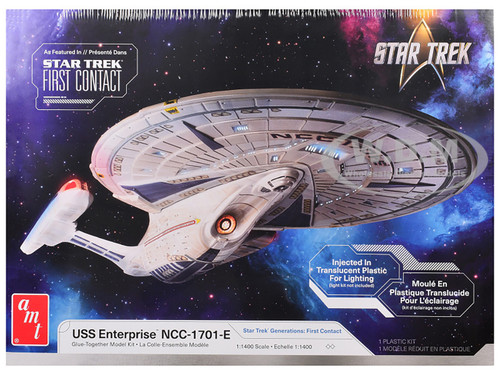
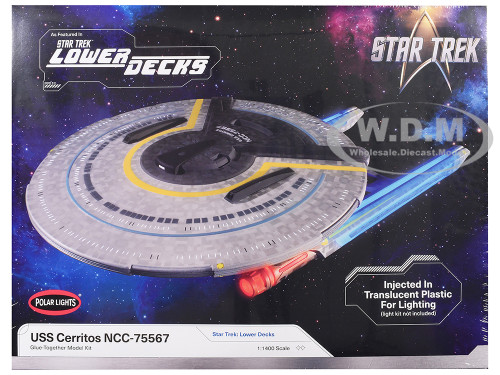
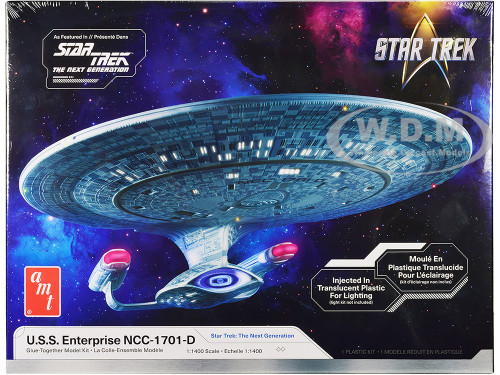
1/1400 scale diecast models are highly compact scale collectibles designed to represent large real-world subjects in a space-efficient format. At a ratio of 1:1400, every 1,400 units of the original object are represented by one unit on the model. The scale is particularly well suited to large aircraft, ships, transportation subjects, and other prototypes where a larger scale could require considerable display space.
For example, a 1,400-foot prototype would measure approximately 12 inches at 1/1400 scale. A 1,000-foot prototype would be about 8.6 inches long, while a 500-foot prototype would measure approximately 4.3 inches. This compact format allows collectors to display large subjects while maintaining a manageable collection size.
What Are 1/1400 Scale Diecast Models?
The 1/1400 scale is an uncommon and highly specialized scale rather than one of the major standardized scales used across the diecast hobby. Its appeal comes primarily from its ability to reduce very large prototypes to compact display pieces.
Depending on current product availability, 1/1400 scale models may include subjects such as:
- Commercial and passenger aircraft
- Airline aircraft
- Military aircraft
- Large transportation vehicles
- Ships and maritime subjects
- Naval and military vessels
- Historical transportation subjects
- Other specialized large-scale prototypes
Because 1/1400 models can vary considerably by subject, shoppers should always check the individual product specifications for the exact prototype, dimensions, materials, and features.
Understanding the 1/1400 Scale
Scale modeling uses a ratio to show how a model relates to its full-size prototype. At 1/1400, one inch on the model represents 1,400 inches on the real object.
This makes the scale particularly useful for large prototypes. A model of a relatively large aircraft can remain small enough for a desk or display cabinet, while a ship that would be enormous in real life can be represented in just a few inches.
Some approximate examples illustrate the compact nature of the scale:
| Prototype Length | Approximate 1/1400 Model Length |
|---|
| 1,400 feet |
12 inches |
| 1,200 feet |
10.3 inches |
| 1,000 feet |
8.6 inches |
| 800 feet |
6.9 inches |
| 700 feet |
6 inches |
| 600 feet |
5.1 inches |
| 500 feet |
4.3 inches |
| 300 feet |
2.6 inches |
| 200 feet |
1.7 inches |
| 100 feet |
0.9 inch |
Actual model dimensions can differ from these simple length calculations because the prototype may have an unusual shape, and model manufacturers may use different presentation formats.
1/1400 Aircraft Models
Aviation is one of the natural applications for highly compact scales. Large commercial aircraft, widebody airliners, military aircraft, and other aviation subjects can be represented without the display footprint associated with larger aircraft scales.
For airline collectors, a compact scale can make it practical to display aircraft from multiple airlines, aircraft families, or eras together. A collection might focus on a particular airline, aircraft manufacturer, aircraft type, country, or period in aviation history.
Large aircraft such as widebody airliners can still have a meaningful presence at 1/1400. The compact size also makes it possible to display several aircraft together, which can be particularly useful for collectors interested in comparing different aircraft designs.
Military aviation collectors may also appreciate the ability to represent aircraft fleets in a small area. Depending on available models, subjects can include transport aircraft, strategic aircraft, bombers, or other specialized military aviation.
1/1400 Ships and Maritime Subjects
The compact dimensions of 1/1400 also make the scale appropriate for large maritime prototypes. Large vessels can be difficult to display at scales such as 1/350 or 1/700, particularly when collecting multiple ships.
At 1/1400, a large vessel can be reduced to a considerably smaller display footprint. Depending on the products available, collectors may encounter naval vessels, commercial ships, passenger vessels, historical ships, or other maritime subjects.
A collection can be organized around:
- Naval fleets
- Aircraft carriers
- Battleships and major warships
- Commercial vessels
- Passenger ships
- Ocean liners
- Maritime history
- Specific countries or navies
- Individual ship classes
As with any uncommon scale, the selection of subjects can vary, so collectors interested in maintaining a consistent 1/1400 collection should verify the scale of each product before purchasing.
1/1400 vs. Nearby Scales
Understanding how 1/1400 compares with nearby scales is important when building a collection.
A 1/1200 model is approximately 16.7% larger linearly than the same prototype represented at 1/1400. A 1/1250 model is approximately 12% larger than a 1/1400 model.
The difference becomes more pronounced with larger scales. A 1/1000 model is approximately 40% larger linearly than a 1/1400 model, while a 1/700 model is exactly twice the linear dimensions.
For example, consider a 1,000-foot prototype:
- 1/700: approximately 17.1 inches
- 1/1000: approximately 12 inches
- 1/1200: approximately 10 inches
- 1/1250: approximately 9.6 inches
- 1/1400: approximately 8.6 inches
These differences can become important when models are displayed next to one another. If scale consistency is a priority, shoppers should avoid assuming that similar-looking compact models are interchangeable.
Why Choose an Uncommon Scale?
Collectors do not necessarily need to limit themselves to the most common scales. Uncommon scales such as 1/1400 can provide practical solutions for particular display requirements or specialized collections.
The biggest advantage is space efficiency. Collectors interested in large aircraft or ships can represent more prototypes without dedicating as much shelf or cabinet space to each model.
The scale can also be useful when a particular prototype is available in 1/1400 but not in the collector's preferred scale. For collectors who prioritize the subject itself over strict scale uniformity, an uncommon scale can provide access to interesting models that might otherwise be difficult to find.
Building a 1/1400 Collection
Because 1/1400 is not as broadly standardized as scales such as 1/64, 1/43, 1/32, or 1/18, collectors should approach the category with the specific product in mind.
Before adding a model, consider:
Confirm the Scale
Make sure the product is actually listed as 1/1400. Similar compact scales such as 1/1200, 1/1250, and 1/144 can look comparable in product listings but represent different ratios.
Check the Prototype
Look at the actual aircraft, ship, vehicle, or other subject represented by the model. The prototype's dimensions can help you estimate how large the finished model will be.
Consider Display Space
1/1400 is well suited to compact displays. Measure available shelf or cabinet space if you are building a collection of large prototypes.
Decide on Collection Consistency
If you are creating a dedicated 1/1400 collection, maintaining the same scale throughout will provide the most consistent appearance. If you collect by subject rather than scale, mixing nearby scales may be perfectly appropriate.
Display Ideas for 1/1400 Models
The small footprint of 1/1400 models opens up several display possibilities. Aircraft can be arranged together to create airline or aviation-themed collections, while ships can be grouped by navy, historical period, vessel type, or individual fleet.
For larger collections, organizing models chronologically can create an especially interesting display. Collectors can show the evolution of aircraft or ships across different generations while keeping the overall display compact.
A dedicated display case can also help protect small details such as aircraft landing gear, antennas, wings, masts, radar equipment, and other delicate components. Always follow the handling and display recommendations provided with the individual model.
1/1400 Scale for Collectors
The appeal of 1/1400 scale comes from its combination of compact dimensions and large prototypes. It allows collectors to explore subjects that can otherwise become difficult to display at larger scales.
For aviation enthusiasts, it can provide a way to represent large aircraft in a relatively small area. For maritime collectors, it can make large ships and fleets easier to accommodate. For general diecast enthusiasts, it offers an opportunity to collect specialized subjects in a scale that occupies less space.
Because 1/1400 is an uncommon scale, product availability may be more specialized than in major diecast scales. That makes checking individual product details especially important when building a consistent collection.
Find 1/1400 Scale Diecast Models
Whether you are searching for compact aircraft, large transportation subjects, maritime models, military collectibles, or another specialized prototype, 1/1400 scale offers a practical format for displaying large subjects in a smaller footprint.
Browse the available 1/1400 scale diecast models at DiecastModelsWholesale.com and find compact scale collectibles to add to your collection or display.