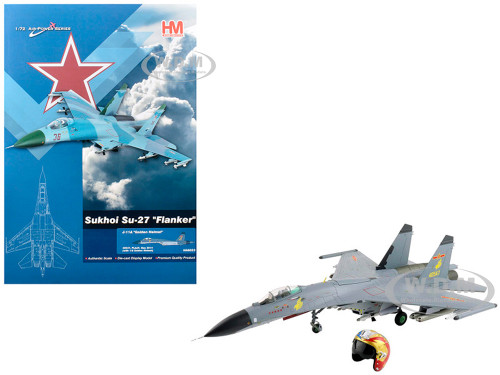
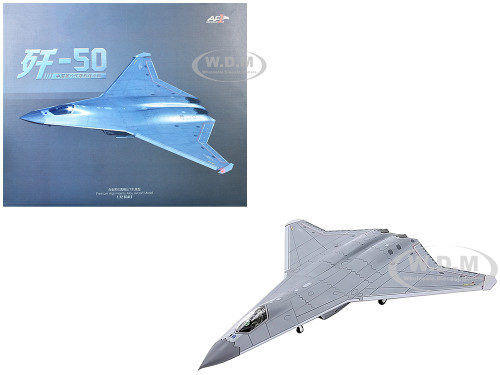
Shenyang is an important name in Chinese aviation history, particularly known for the development and production of military aircraft. Based in Shenyang, Liaoning Province, Shenyang Aircraft Corporation became associated with fighter aircraft, aviation manufacturing, and China's evolving military aviation industry. For aircraft enthusiasts and military model collectors, Shenyang-related models offer an opportunity to explore aircraft designs connected with the development of Chinese aviation.
The Shenyang category at Diecast Models Wholesale is intended for shoppers interested in collectible aircraft and military aviation models associated with Shenyang, depending on current product availability. These collectibles may appeal to aviation enthusiasts, military history hobbyists, and collectors building displays around international fighter aircraft and the evolution of military aviation.
Shenyang aircraft are particularly relevant to collectors because their history includes both aircraft derived from earlier Soviet designs and later Chinese-developed fighters. These aircraft illustrate changes in aerodynamics, engine technology, avionics, and combat aircraft design across several generations.
Product availability and specifications vary. Check each listing for the exact aircraft designation, operator or markings, scale, materials, manufacturer, and other details before purchasing.
The History of Shenyang Aircraft Corporation
The Development of China's Aviation Industry
Shenyang became an important center of China's aircraft manufacturing industry during the twentieth century. Shenyang Aircraft Corporation, commonly known as SAC, developed a reputation for producing military aircraft, including fighters used by the People's Liberation Army Air Force.
In the early stages of China's modern aviation industry, cooperation with the Soviet Union influenced aircraft manufacturing and technical development. Chinese factories produced aircraft based on Soviet designs while developing the industrial capabilities needed to support domestic aviation programs.
Over time, Chinese aircraft manufacturers expanded their technical expertise and began producing increasingly developed versions of earlier aircraft as well as new designs. Shenyang became closely associated with this process, particularly through its work on fighter aircraft.
From Early Jet Fighters to Modern Aircraft
Shenyang's aircraft production history includes several generations of fighter aircraft. Early jet programs reflected the influence of Soviet aviation technology, while later developments incorporated changes in engines, structures, avionics, and weapons systems.
This progression makes Shenyang an interesting subject for military aviation collectors. Models from different periods can illustrate how fighter aircraft evolved from relatively early jet designs toward more modern aircraft with advanced aerodynamic features and integrated systems.
For collectors, identifying the specific aircraft is essential. A model's designation, production variant, and historical markings can distinguish one aircraft from another even when the overall design appears similar.
Notable Shenyang Aircraft for Collectors
Shenyang J-5
The Shenyang J-5 was a Chinese-built version of the Soviet Mikoyan-Gurevich MiG-17 fighter. It became one of the important early jet fighters produced by China's aviation industry.
The J-5 featured swept wings and a relatively compact airframe typical of early generations of jet fighters. Its design reflects an era when military aviation was transitioning rapidly from propeller-driven aircraft to jet-powered combat aircraft.
For collectors, a J-5 model can represent an important stage in Chinese aviation history. Its shape, wing arrangement, air intake, and tail design distinguish it from later Chinese fighter aircraft.
Shenyang J-6
The Shenyang J-6 was derived from the Soviet MiG-19, a supersonic fighter design. The J-6 became a significant aircraft in Chinese military aviation and was produced in large numbers for domestic use and export.
Compared with earlier jet fighters, the J-6 represented a move toward supersonic performance and more advanced aircraft capabilities. Its twin-engine arrangement and distinctive fuselage shape make it recognizable to military aviation enthusiasts.
The J-6 also served as the basis for specialized versions, including aircraft adapted for different operational requirements. When selecting a miniature, collectors should check the precise variant and markings shown in the product listing.
Shenyang J-8
The Shenyang J-8 was developed as a Chinese interceptor, intended to address the requirements of high-speed, high-altitude air defense. Its long fuselage, pointed nose, and distinctive aerodynamic configuration set it apart from earlier Chinese fighters derived from Soviet designs.
Later versions of the J-8 incorporated improvements in radar, avionics, and other systems. The aircraft's development illustrates China's effort to expand its independent fighter design capabilities.
A J-8 miniature can be a useful addition to a collection focused on interceptor aircraft or the development of Chinese military aviation. Its unusual proportions also make it visually different from more widely recognized Western and Russian fighter designs.
Shenyang J-11
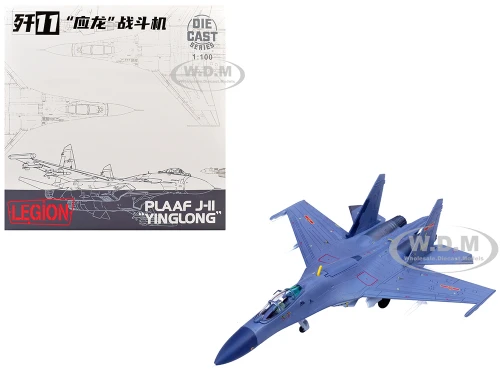
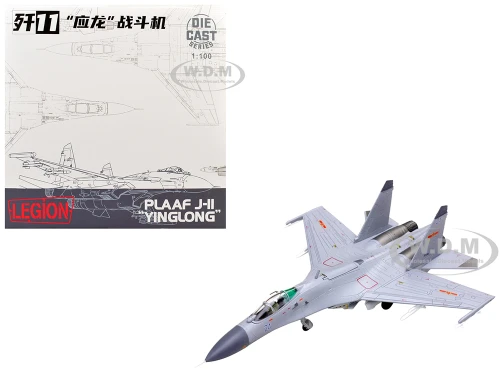
The Shenyang J-11 is a twin-engine fighter derived from the Sukhoi Su-27 design family. It represents a later stage in China's development of modern fighter aircraft and features a large airframe, twin vertical stabilizers, and widely spaced engines.
The J-11 family includes aircraft developed for air-superiority roles, with subsequent variants incorporating different systems and capabilities. Its size and configuration distinguish it from the earlier J-5, J-6, and J-8 aircraft.
For model collectors, the J-11 can complement displays featuring modern fighter aircraft from different countries. When comparing models, check the exact variant and markings, since similar-looking aircraft may represent different versions or operators.
Shenyang J-15
The Shenyang J-15 is a carrier-based fighter developed for China's naval aviation. Based on the Su-33 design lineage, it incorporates features associated with carrier operations, including folding wings and equipment designed for use aboard aircraft carriers.
Carrier-based aircraft differ from land-based fighters because they must operate within the demanding constraints of a shipboard environment. Structural considerations, landing equipment, and wing-folding arrangements are among the features that can distinguish naval fighters from their land-based counterparts.
For collectors, a J-15 model can represent the development of Chinese naval aviation. Carrier-related markings and aircraft configuration are important details to check when identifying a particular miniature.
Shenyang FC-31 and the J-35 Family
The Shenyang FC-31 demonstrator program introduced a newer fighter design featuring twin engines, a blended fuselage, and angular surfaces associated with reduced radar visibility. The design has been connected with China's development of more advanced fighter aircraft.
Subsequent development has included the J-35 designation, associated with China's newer fighter programs, including carrier aviation. Exact designations and configurations depend on the particular aircraft and development stage being represented.
For collectors, these newer aircraft are relevant to the changing appearance of modern combat aviation. Their angular shaping and contemporary configuration differ considerably from the early jet fighters that helped establish Shenyang's manufacturing history.
When purchasing a model of a newer aircraft, verify the precise designation and version in the product listing rather than assuming all FC-31 and J-35 models represent the same configuration.
What to Look for in Shenyang Aircraft Models
Military aircraft collectibles can differ in their level of detail, construction, and historical representation. Consider the following points when choosing a Shenyang aircraft model.
-
Aircraft designation: Confirm whether the model represents a J-5, J-6, J-8, J-11, J-15, FC-31, J-35, or another aircraft.
-
Variant and period: Aircraft often undergo changes during their service lives. The designation and markings can help identify the version represented.
-
National and unit markings: Insignia, tail numbers, and other markings may distinguish aircraft by operator, unit, or period.
-
Scale and dimensions: Check the listed scale and measurements before combining the model with aircraft already in your collection.
-
Materials and construction: Confirm whether the collectible is made from diecast metal, plastic, or a combination of materials.
-
Display features: Review the description for any included stand, landing gear, detachable components, or movable features. Do not assume these are included unless specified.
-
Packaging and condition: Collectors who preserve original packaging should check the listing for relevant details.
-
Current availability: Product selection changes, so confirm the exact aircraft and specifications before ordering.
Building a Military Aviation Collection
Shenyang models can be collected as a focused group or incorporated into a broader display of international military aircraft.
Collecting by Aircraft Generation
One approach is to organize models by technological era. Early jet fighters such as the J-5 and J-6 can be displayed alongside later designs such as the J-8 and J-11 to illustrate changes in airframe configuration and performance requirements.
Collecting by Mission
Another approach is to focus on aircraft roles. Interceptors, air-superiority fighters, and carrier-based aircraft have different design priorities, and comparing them can make a display more informative.
The J-8 and J-11, for example, offer contrasting approaches to fighter design, while the J-15 illustrates the special requirements of naval aviation.
Collecting International Aircraft
Shenyang aircraft can also complement models from other countries and manufacturers. A collection of fighters from different aviation traditions can highlight differences in wing design, engine configuration, cockpit layout, and national markings.
When arranging models together, verify their scales and dimensions so that the display remains visually consistent.
Displaying and Caring for Shenyang Collectibles
Aircraft models often include delicate components such as antennas, landing gear, vertical stabilizers, wingtip details, and small external fittings. Handle them carefully and support the main airframe rather than applying pressure to these parts.
Use a stable shelf or display cabinet, and position models where they will not be easily knocked over. A stand can help present the aircraft's profile, provided the stand is included or compatible with the product.
Dust models gently with a soft brush or cloth. Avoid harsh cleaning products and prolonged direct sunlight, which can affect painted finishes. If the model includes removable parts or movable components, follow the manufacturer's instructions and avoid forcing pieces that resist movement.
For a visually effective display, group aircraft by generation, role, or national aviation history. This arrangement can make the differences between early jet fighters, modern air-superiority aircraft, and carrier-based designs easier to appreciate.
Shop Shenyang Aircraft Models at Diecast Models Wholesale
Shenyang's aircraft history covers several important stages in the development of Chinese military aviation, from early jet fighters to modern combat aircraft programs. For collectors, these aircraft offer distinctive designs and a way to explore the evolution of fighter aviation.
Browse the Shenyang category at Diecast Models Wholesale to explore available aircraft and military aviation collectibles. Review each product's designation, markings, scale, and construction to find a model suited to your collection.


 $54.99
 $54.99