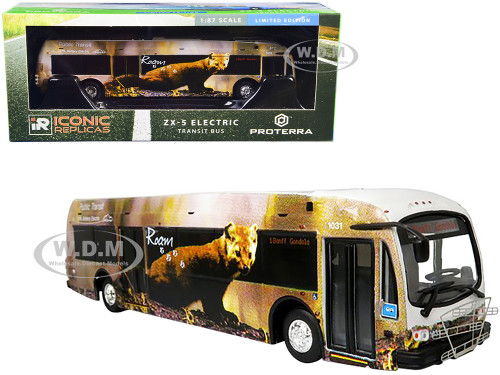
Discover Proterra diecast model buses at DiecastModelsWholesale.com, featuring miniature vehicles inspired by a company known for its role in the development of battery-electric public transportation. Proterra became recognized for electric transit buses and related electrification technology, reflecting a major shift in how cities and transit agencies approach cleaner, quieter urban transportation.
Unlike traditional diesel-powered buses, battery-electric transit buses use electric motors and onboard battery systems to move passengers without producing tailpipe emissions during operation. This technology has made electric buses an important subject for transportation enthusiasts, public transit fans, and collectors interested in modern commercial vehicles.
Proterra models can appeal to collectors who want to represent the evolution of public transportation through miniature vehicles. Their appeal goes beyond their appearance: they also reflect a period of change in bus design, fleet electrification, and the adoption of alternative powertrains.
Explore the Proterra category to see which models are available, and review each product listing for details about the vehicle represented, scale, manufacturer, finish, and features. Availability and product specifications can vary.
The Proterra Story: Electric Buses and Public Transportation
Proterra was founded in 2004 in the United States with a focus on developing advanced transportation solutions. The company became particularly known for battery-electric transit buses designed for public transportation agencies. Its vehicles helped bring greater attention to the possibility of replacing conventional diesel buses with electric alternatives.
Electric transit buses combine several major systems, including a battery pack, electric drive components, power electronics, and charging infrastructure. Unlike conventional buses that depend on diesel fuel, battery-electric vehicles draw energy from stored electricity. Their operation can reduce local tailpipe pollution and vehicle noise, although their overall environmental impact also depends on factors such as electricity generation, manufacturing, and battery production.
Proterra's vehicles were part of a broader transition toward electrified public transit in North America. Transit agencies began evaluating electric buses for routes where operating requirements, charging access, passenger capacity, and total ownership costs made them suitable alternatives to conventional fleets.
The company's business history also reflects the challenges of bringing new technology into the commercial vehicle industry. Proterra filed for Chapter 11 bankruptcy protection in 2023, and its business assets were subsequently sold through separate transactions. The Proterra name remains associated with an important period in the development of electric transit buses and charging technology.
For collectors, this history gives Proterra miniature buses a distinctive context. They represent not only a particular vehicle design but also the changing technology and priorities of modern urban transportation.
Proterra Electric Transit Bus Models
Proterra's best-known vehicles were designed for fixed-route public transit, where buses make frequent stops, carry large numbers of passengers, and operate throughout the day. Their all-electric powertrains and modern exterior styling distinguish them from many traditional transit buses.
Proterra Catalyst
The Proterra Catalyst was a battery-electric transit bus developed for public transportation fleets. It was offered in different configurations, with vehicle length and battery arrangements varying by version and model year.
The Catalyst became closely associated with the early expansion of battery-electric buses in North America. Its design emphasized the requirements of city transit, including passenger access, frequent stops, and the ability to operate on scheduled routes.
A Proterra Catalyst miniature can be an interesting addition to a collection focused on modern transit vehicles, electric commercial transportation, or the evolution of city buses. When available, check the product listing to confirm the particular Catalyst configuration represented.
Proterra ZX5
The Proterra ZX5 represented a later generation of the company's battery-electric transit bus designs. Developed for transit agency applications, the ZX5 featured an updated body design and electric propulsion technology intended for demanding daily service.
The ZX5 is a relevant subject for collectors interested in the more recent development of electric city buses. Its modern styling and association with fleet electrification make it visually distinct from classic transit buses and conventional diesel models.
If a ZX5 miniature is available, compare the listed model details and photographs to identify its configuration and exterior finish. Do not assume every miniature includes functional electric components; a collectible model generally represents the vehicle visually rather than reproducing its full propulsion system.
Why Electric Transit Buses Matter to Collectors
Transit buses are practical working vehicles, but they also reflect broader changes in technology, city planning, and public infrastructure. Proterra's electric buses represent several developments that make them interesting subjects for miniature vehicle collections.
The Transition from Diesel to Electric
Conventional city buses have historically relied on diesel engines, while battery-electric buses use stored electrical energy to power their motors. This changes the vehicle's powertrain, maintenance requirements, charging needs, and operating characteristics.
Electric buses can operate without tailpipe emissions and are often quieter than diesel buses. However, their performance and environmental benefits depend on operating conditions, charging systems, and the source of the electricity used.
A Proterra model can therefore represent an important milestone in the transition from traditional bus fleets to newer electric alternatives.
Modern Transit Vehicle Design
Electric buses may have different engineering requirements from conventional vehicles, but their exterior appearance still needs to accommodate passenger doors, windows, seating, accessibility features, and transit agency equipment.
For collectors, details such as the front fascia, side windows, roofline, wheel placement, and destination signage can help distinguish one bus design from another. These elements also make modern electric buses interesting alongside more traditional transit models.
A Record of Changing Transportation Technology
A collection of public transit models can illustrate how bus technology has evolved over time. Placing an electric Proterra bus alongside a classic diesel transit bus, a hybrid model, or a modern motorcoach can show the variety of vehicles used to move passengers.
Collectors interested in industrial design and transportation history may find this approach especially rewarding because it combines recognizable vehicle forms with the story of changing propulsion technology.
Proterra Models for Transit and Commercial Vehicle Collections
Proterra miniatures can fit several types of collecting interests.
-
Public transit collections: Add a modern electric bus to a display of city buses and transit vehicles.
-
Electric vehicle collections: Represent battery-electric technology beyond passenger cars and light trucks.
-
Commercial vehicle displays: Include a passenger transportation vehicle alongside delivery trucks, emergency vehicles, and other working vehicles.
-
Transportation history collections: Use modern electric buses to represent a period of change in public transportation.
-
Contemporary vehicle collections: Explore the design of newer commercial vehicles alongside traditional models.
A Proterra bus can also complement models from other bus manufacturers. Comparing vehicles by body style, propulsion type, or intended use creates a display that highlights differences in the design of public transportation vehicles.
What to Look for When Buying a Proterra Diecast Model
Before purchasing a Proterra miniature, consider the following details to make sure it suits your collection.
-
Vehicle identification: Confirm whether the model represents a Catalyst, ZX5, or another Proterra-related vehicle.
-
Scale and dimensions: Transit buses can be long even as miniatures. Check the listed scale and actual model length before choosing a display space.
-
Exterior finish: Review the paint scheme, graphics, destination signage, and other visible markings.
-
Construction and detailing: Materials and levels of detail vary by manufacturer and product.
-
Manufacturer and licensing: Check the product description for the model manufacturer and any stated licensing or branding details.
-
Packaging and condition: If you prefer to keep models in their original boxes, consider the packaging as well as the miniature.
-
Product availability: Not every Proterra vehicle or configuration is necessarily available as a collectible model.
Product photographs and specifications are particularly useful when comparing transit bus miniatures. Two models may represent similar vehicles but differ in scale, livery, body configuration, or detailing.
Understanding Scale for Proterra Bus Models
Scale is the ratio between a miniature and the full-size vehicle. Because a transit bus is much longer than a typical passenger car, scale is especially important when planning a display.
1:43 Scale Models
A 1:43 scale model is approximately one-forty-third the length of the original vehicle. This scale is used across many collectible vehicles and can work well in displays that combine buses with cars and commercial vehicles.
Even at 1:43 scale, a transit bus can require a substantial shelf area because of its full-size length.
1:50 Scale Models
The 1:50 scale is common in commercial vehicle and transport-related collecting. Models in this scale can work well alongside trucks and other commercial miniatures, although the exact scale of a Proterra product should always be confirmed.
Other Scales
Other scales and sizes may be available depending on the specific release. Check the product listing for the stated scale and dimensions rather than assuming all Proterra models are offered in the same format.
Proterra Diecast Buses as Gifts
A Proterra miniature may be a thoughtful gift for public transit enthusiasts, bus collectors, electric vehicle fans, transportation professionals, and people interested in modern engineering.
It can also suit someone who works in public transportation or follows the development of electric buses. Compared with a conventional passenger car miniature, a transit bus offers a different subject and can add variety to an existing collection.
When selecting a gift, consider the recipient's interest in electric vehicles, preferred model scale, and available display space. If they collect specific transit agencies or bus configurations, confirm the vehicle details before ordering.
Explore Proterra Diecast Models at DiecastModelsWholesale.com
Proterra's place in the development of battery-electric transit buses makes the brand a distinctive subject for transportation collectors. Its Catalyst and ZX5 vehicles represent the effort to bring electric propulsion into everyday public transportation and help shape the future of city bus fleets.
Whether you're collecting modern transit buses, building an electric vehicle display, or searching for a miniature that reflects the changing world of commercial transportation, explore the Proterra category at DiecastModelsWholesale.com. Browse the available selection, compare product details, and find a Proterra model that complements your collection.