Volvo is a well-known Swedish automotive manufacturer whose vehicles are associated with Scandinavian design, practical engineering, safety innovation, and a broad range of transportation applications. From classic passenger cars and sporty coupes to modern SUVs, heavy-duty trucks, and construction equipment, Volvo has built a diverse automotive legacy that appeals to collectors across several interests.
The Volvo category at Diecast Models Wholesale is intended for collectors, automotive enthusiasts, truck fans, and shoppers looking for miniature representations of Volvo vehicles. Depending on current availability, the selection may include Volvo diecast cars, scale model trucks, and other collectible vehicles representing different periods of the manufacturer's history.
Volvo models offer several collecting possibilities. Passenger-car enthusiasts may be drawn to the classic Amazon, the distinctive P1800 sports coupe, or the long-running 240 series. Fans of modern vehicles may prefer Volvo SUVs and contemporary performance-oriented models, while commercial-vehicle collectors may be interested in Volvo's heavy trucks and construction machinery.
Whether you collect Swedish cars, European vehicles, commercial transportation, or miniature engineering equipment, Volvo's varied history provides plenty of subjects to explore.
The History of Volvo
Swedish Origins and Early Passenger Cars
Volvo was founded in Sweden in 1927, and its first production car, the ÖV4, introduced the brand to the automotive market. From its earliest years, Volvo developed a reputation for building vehicles suited to demanding conditions, including the challenging weather and road environments found in Scandinavia.
As the company grew, it expanded its passenger-car range and developed designs that combined practical usability with a recognizable Scandinavian character. Volvo cars became associated with straightforward styling, functional interiors, and engineering intended to support dependable everyday transportation.
These characteristics help explain the appeal of vintage Volvo diecast models. Early and mid-century designs offer a different look from many American and other European cars of the same period, making them useful additions to collections focused on international automotive history.
Volvo Amazon: A Classic Swedish Favorite
Introduced in the 1950s, the Volvo Amazon became one of the company's best-known early passenger cars. Its rounded bodywork, upright grille, and clean styling gave it a distinctive appearance that evolved through several versions.
The Amazon is also significant in Volvo's history because of its safety-related development. The model was among the early cars to incorporate three-point seat belts as standard equipment, reflecting a safety-focused direction that would become strongly associated with the company.
For collectors, the Amazon represents a classic period of Swedish automotive design. Its recognizable shape makes it an appealing subject for miniature models, particularly for enthusiasts building displays of European cars from the 1950s and 1960s.
Volvo P1800: A Distinctive Sports Coupe
The Volvo P1800 introduced a more sporting side of the brand. Launched in the early 1960s, this elegant coupe stood apart from Volvo's practical family sedans with its low profile, long hood, and carefully sculpted bodywork.
The P1800 became even more recognizable through its association with the television series The Saint, in which the car was driven by the lead character. Its combination of European styling and cultural visibility helped establish a lasting following among classic-car enthusiasts.
Later versions, including the P1800S, P1800E, and P1800ES, introduced changes in specification and body style. The P1800ES, with its distinctive rear glass hatch, offers a particularly unusual variation on the original coupe concept.
Volvo P1800 diecast models can appeal to collectors of classic sports cars, vintage television memorabilia, and European automotive design. When comparing models, look for the particular version represented, as coupe and shooting-brake designs have significantly different profiles.
Iconic Volvo Models for Collectors
Volvo 240 and 260 Series
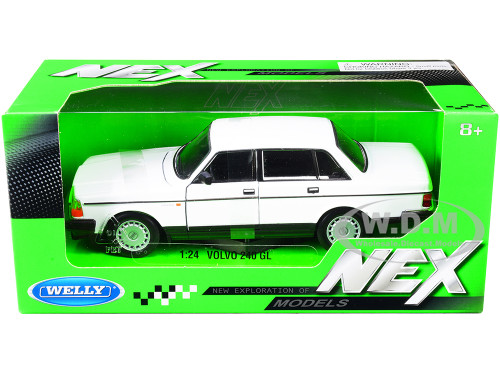
Introduced in 1974, the Volvo 240 became one of the company's most recognizable vehicles. Its angular body, prominent bumpers, upright profile, and practical interior gave it a distinctive appearance that contrasted with the more rounded styling of many cars from the same period.
The 240 range included sedans and station wagons, while the related 260 series offered more upscale versions. The estate models, particularly the 245, became closely associated with Volvo's reputation for practical family transportation. The 240 also developed a motorsport following, demonstrating that Volvo's boxy family cars could be competitive in touring-car racing.
For diecast collectors, the 240 is an excellent subject for exploring the differences between sedan and wagon body styles, standard and sporting versions, and period-specific exterior details. Its long production history also makes it a natural centerpiece for collections of classic European cars from the 1970s through the early 1990s.
Volvo Station Wagons
Volvo's station wagons have long been an important part of the brand's identity. From the practical Duett and classic 245 to later 700, 850, and V70 models, Volvo wagons combined passenger-car comfort with additional cargo capacity.
These vehicles appeal to collectors who appreciate understated design and practical automotive engineering. Their long roofs, extended rear bodywork, and distinctive tailgates also give them a different visual character from sedans and coupes.
A Volvo wagon model can complement a collection of classic family cars or serve as a representative example of the European estate-car tradition. Performance-oriented wagons are especially interesting to enthusiasts who appreciate vehicles that combine everyday utility with sporting capability.
Volvo 850 and Performance Models
The Volvo 850, introduced in the early 1990s, marked an important development in the company's modern passenger-car range. Available as a sedan and estate, it introduced a front-wheel-drive platform with a transversely mounted five-cylinder engine.
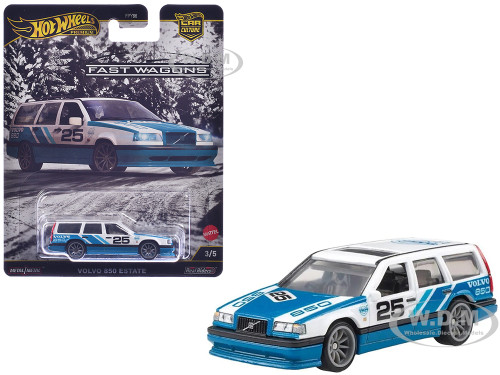
The 850 became particularly memorable through its association with touring-car racing. The distinctive racing estate entered the British Touring Car Championship in 1994, creating one of the most recognizable competition-car images in Volvo's history.
Later Volvo performance models continued to develop the brand's sporting identity. Depending on current availability, scale-model collectors may encounter representations of road cars, performance variants, or racing-inspired vehicles. When choosing a particular model, check the product listing to confirm whether it depicts a standard production vehicle or a competition version.
Modern Volvo Cars and SUVs
Volvo's contemporary range includes sedans, wagons, and SUVs designed around modern styling, comfort, technology, and safety. Models such as the S60, S90, V60, V90, XC60, and XC90 illustrate the variety of vehicle types offered under the Volvo name in recent decades.
Modern Volvo designs generally feature clean body lines, sculpted panels, and distinctive lighting. Their appearance differs considerably from the angular styling of classic models such as the 240, making them interesting additions to collections that span several generations.
For collectors, modern Volvo diecast cars can help represent the brand's transition from traditional family sedans and wagons to contemporary premium vehicles and SUVs. Availability varies, so review individual listings for the exact model, year, trim, and scale.
Volvo Trucks and Commercial Vehicle Collectibles
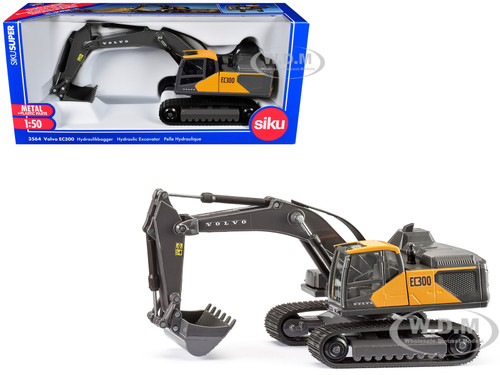
Volvo's automotive legacy extends beyond passenger cars. The Volvo Group is also a major manufacturer of commercial transportation products, including heavy-duty trucks, buses, and construction equipment. These vehicles are important subjects for collectors interested in industrial design, logistics, road transportation, and heavy machinery.
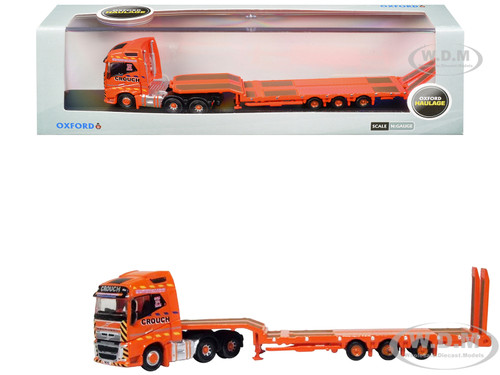
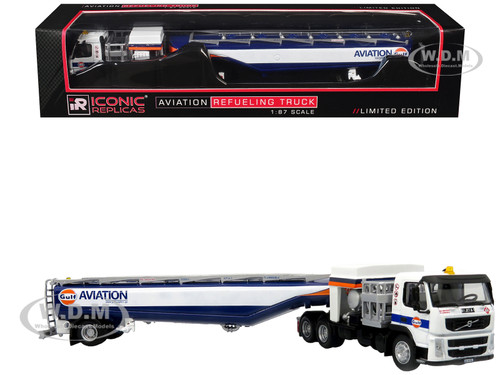
Volvo truck models offer a different collecting experience from passenger cars. Their larger cabs, prominent grilles, chassis details, and specialized configurations create distinctive display pieces. Depending on the product, miniature trucks may represent highway tractors, regional transport vehicles, or other commercial applications.
Collectors interested in commercial vehicles may choose to organize models by truck type, cab design, generation, or transportation role. However, the products available in this Volvo category should be checked individually to confirm the vehicle type and specifications.
Choosing the Right Volvo Scale Model
The Volvo category URL references several scales, including 1/12, 1/18, 1/24, and 1/43. Actual options depend on current product availability and the specific vehicle being modeled.
-
1/12 scale: A large-format model that can provide a substantial display presence. Confirm the product's dimensions before purchasing, especially if display space is limited.
-
1/18 scale: A popular choice for collectors who want a prominent model with room for exterior and interior detail, depending on the product.
-
1/24 scale: A practical option for building a varied collection while balancing display size and visible detail.
-
1/43 scale: A compact scale that works well for collectors who display many vehicles or want to represent several generations of Volvo cars in a smaller space.
Scale indicates the model's proportions relative to the real vehicle. It does not automatically determine the quality of the finish, construction, or accuracy. A model's actual dimensions also depend on the size of the vehicle being represented.
Before ordering, check the product details for the scale, approximate dimensions, materials, paint finish, included accessories, and any opening components. These details can help you choose a model that fits your collection and expectations.
What to Look for in Volvo Diecast Models
Accuracy and Design Details
Volvo vehicles are often recognized by their distinctive proportions and restrained styling. Classic models feature details such as upright grilles, rectangular headlights, and squared-off bodywork, while newer vehicles use more sculpted surfaces and contemporary lighting.
When comparing scale models, look for exterior details that identify the correct generation. Grille design, bumper shape, wheel style, lighting, mirrors, and trim can all distinguish one version from another.
Body Style and Model Year
Many Volvo model families were offered in more than one body style or received significant updates during their production lives. A sedan and estate from the same family may have substantially different proportions, while a facelifted version may feature revised lights, bumpers, or grille details.
If you collect a specific model, confirm the version represented by the miniature rather than relying on the name alone. This is particularly useful for the long-running 240 series and the various generations of Volvo wagons.
Paint Finish and Special Editions
Color can be an important part of a collection, especially when comparing classic vehicles with distinctive period finishes or racing-inspired models. Some collectors prefer original-looking factory colors, while others choose models that stand out visually in a display.
Product photographs and descriptions can help establish the finish and trim represented by an individual model. Special liveries or competition markings should be treated as features of the specific product rather than assumed to be available across the category.
Who Collects Volvo Scale Models?
Volvo diecast models appeal to several kinds of enthusiasts:
-
Classic-car collectors may prefer the Amazon, P1800, 240, and other historic passenger cars.
-
European automotive enthusiasts may appreciate Volvo's distinctive Swedish design and engineering history.
-
Station-wagon fans can explore the brand's long tradition of practical estate cars.
-
Motorsport collectors may be interested in Volvo's touring-car history and sporting variants.
-
Modern-car enthusiasts may prefer contemporary sedans, wagons, and SUVs.
-
Commercial-vehicle collectors may look for Volvo trucks or other transportation equipment when available.
-
Gift shoppers can select a miniature Volvo that reflects a recipient's favorite vehicle, generation, or automotive interest.
A carefully chosen model can add variety to an established collection or provide an approachable introduction to Swedish automotive history.
Displaying and Caring for Volvo Collectibles
Volvo models can be displayed by generation, body style, scale, or historical period. A collection featuring an Amazon, a P1800, a 240 estate, and a modern SUV would illustrate how Volvo's styling and vehicle range have evolved over time.
For a clean display, group models of similar scales together and allow enough space around larger pieces. Smaller-scale models can be arranged in rows to show changes in design, while a larger model can serve as a focal point.
To help preserve your collectibles:
-
Keep models away from prolonged direct sunlight.
-
Remove dust gently with a soft brush or microfiber cloth.
-
Handle mirrors, antennas, and other delicate parts carefully.
-
Store models away from excessive moisture and extreme temperatures.
-
Retain original packaging if you prefer boxed storage or collector-style presentation.
The best care method depends on the materials and construction of the individual model. Check product information when specific handling instructions are provided.
Explore the available Volvo diecast models at Diecast Models Wholesale to discover classic Swedish cars, distinctive coupes, practical station wagons, and modern Volvo vehicles. Compare product details, scales, and finishes to find a collectible that suits your interests or makes a thoughtful gift for an automotive enthusiast.

 $29.99Was $32.99Save 9%
 $14.99Was $19.99Save 25%




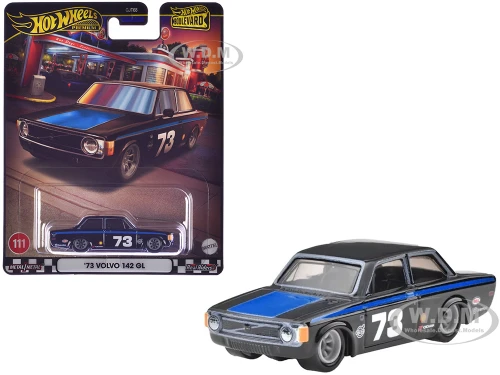
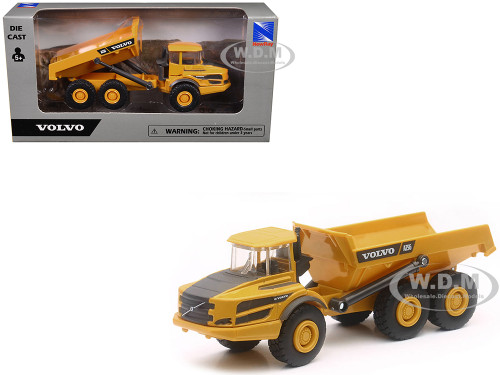 $10.49Was $12.99Save 19%


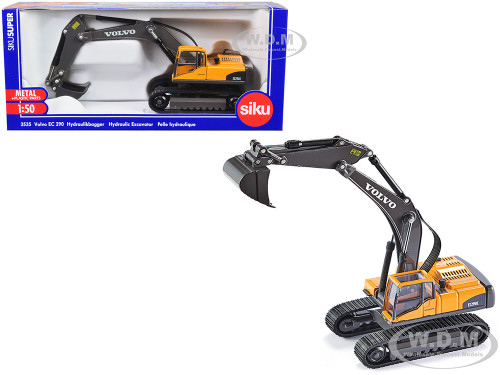 $39.99Was $44.99Save 11%
 $24.99Was $29.99Save 16%
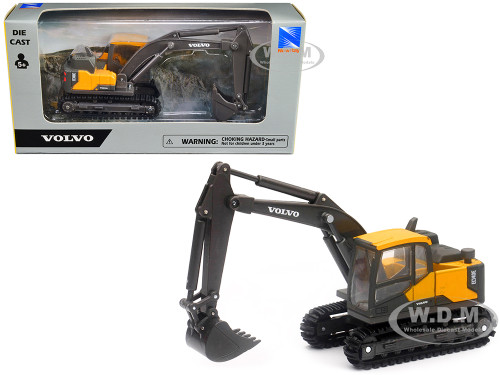
 $10.49Was $12.99Save 19%

 $19.99Was $23.99Save 16%
