Explore Mercury diecast model cars inspired by a distinctive chapter in American automotive history. The Mercury brand was created by Ford Motor Company to occupy a position between its mainstream Ford vehicles and the more upscale Lincoln lineup. Over several decades, Mercury produced stylish sedans, coupes, convertibles, muscle cars, personal luxury cars, and performance-oriented vehicles that reflected changing American tastes.
For diecast collectors, Mercury offers a wide range of classic car designs, from the streamlined automobiles of the late 1930s and postwar era to the powerful coupes and distinctive personal luxury cars of the 1960s, 1970s, and later years. Depending on current availability, Mercury model cars may include recognizable classics such as the Cougar, Monterey, Cyclone, Comet, and other vehicles associated with the marque.
The Mercury category at Diecast Models Wholesale is intended for collectors of American classic cars, muscle cars, vintage automobiles, and historically significant vehicle brands. Whether you are looking for a miniature of a favorite Mercury from the past or adding another marque to a broader American automotive collection, these diecast models offer a way to appreciate the styling and character of Mercury vehicles.
Model selection, scale, finish, and features vary by individual release. Check each product listing to confirm the exact vehicle, model year or generation when specified, scale, manufacturer, and construction.
The History of the Mercury Brand
Ford Motor Company introduced Mercury in 1938 as a new automobile division positioned between Ford and Lincoln. The brand was intended to offer customers a combination of style, comfort, performance, and additional refinement without moving into the highest-priced luxury-car segment.
Early Mercury vehicles shared engineering foundations with Ford products but featured their own styling and positioning. The Mercury Eight, introduced for the 1939 model year, helped establish the marque with a larger, more powerful image than many standard passenger cars of its time.
After World War II, Mercury expanded its range as the American automobile market grew. The brand developed a reputation for distinctive styling and a broad lineup that included family sedans, coupes, convertibles, station wagons, and increasingly sporty models.
During the 1950s and 1960s, Mercury vehicles reflected the dramatic changes in American automotive design. Larger bodies, expressive chrome trim, wraparound windshields, powerful engines, and more personalized styling became important features across the industry. Mercury models participated in these trends while maintaining their position within Ford Motor Company's lineup.
The 1960s and 1970s brought several memorable Mercury nameplates, including the Cougar, Comet, Cyclone, and Monterey. Some models became closely associated with performance, while others emphasized comfort and personal luxury.
In later decades, Mercury's lineup included sedans, coupes, and sport utility vehicles. Ford discontinued the Mercury brand in 2010, bringing an end to more than seven decades of production.
For collectors, this history makes Mercury an appealing subject because its vehicles reflect multiple periods of American automotive development. A Mercury collection can focus on classic prewar and postwar styling, 1960s performance cars, 1970s personal luxury coupes, or later vehicles that marked the final years of the brand.
Iconic Mercury Cars for Diecast Collectors
Mercury produced vehicles for a variety of buyers, and its most recognizable models offer different opportunities for collectors. Some are valued for their classic styling, others for their performance associations, and others for their place in the history of American family and luxury cars.
Mercury Eight
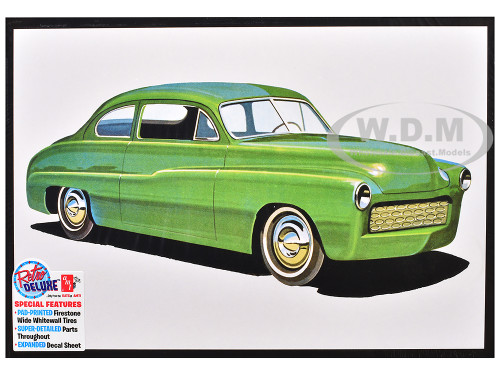
The Mercury Eight helped establish the brand in its early years. Introduced for the 1939 model year, it combined V8 power with styling and dimensions that positioned Mercury between Ford and Lincoln.
Early Mercury vehicles are notable for their rounded bodies, prominent grilles, flowing fenders, and period-specific details. Later postwar examples developed a different look as American cars became wider and more expressive in their styling.
A Mercury Eight diecast model can suit a collection focused on prewar and postwar American automobiles. When choosing a model, check the specific year and body style, as coupes, sedans, and convertibles can have noticeably different profiles.
Mercury Monterey
The Monterey became an important nameplate in Mercury's full-size lineup. Across its history, the Monterey appeared in several forms, including sedans, coupes, and convertibles.
Classic Monterey models are useful for collectors interested in the evolution of American full-size cars. Their designs reflect changing preferences in grille shapes, chrome detailing, rooflines, tailfins, and body proportions.
Depending on the specific generation, a Monterey model may complement other classic American vehicles from the same period. Collectors building a decade-by-decade display can use it to represent Mercury's approach to family transportation and upscale styling.
Mercury Cougar
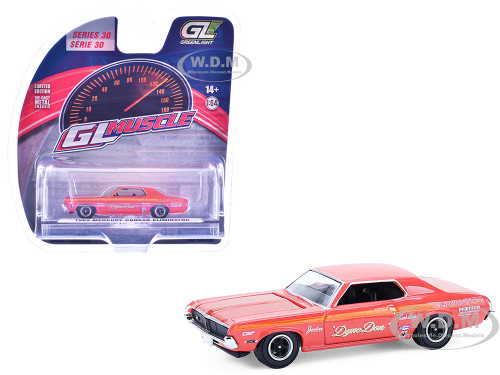
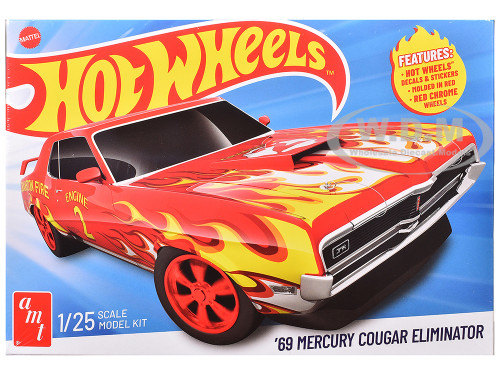
The Mercury Cougar debuted for the 1967 model year as a sporty personal car related to the Ford Mustang platform. It offered a more upscale interpretation of the pony-car formula, with distinctive styling, hidden headlamps on early versions, and a strong emphasis on its own identity.
The Cougar evolved through multiple generations, changing in size, styling, and character as the market shifted. Early models are especially relevant to collections focused on 1960s American performance and pony cars, while later versions illustrate the movement toward larger personal luxury coupes.
For diecast collectors, the Cougar provides many possible themes. You might focus on first-generation cars, compare different generations, or collect versions with distinctive factory-inspired colors and trim. If a model represents a special performance version, verify the exact designation in its product description.
Mercury Comet
The Mercury Comet began as a compact car in the early 1960s and later became available in more performance-oriented forms. Its history reflects the changing American market, where buyers increasingly looked for smaller cars as well as traditional full-size vehicles.
The Comet's different generations ranged from practical compact models to sportier coupes. Certain versions became associated with drag racing and performance, making the nameplate relevant to collectors interested in both everyday American cars and motorsport culture.
A Comet diecast model can add variety to a collection dominated by larger muscle cars. When comparing models, pay attention to the year, body style, and whether the miniature depicts a standard production version or a specialized performance variant.
Mercury Cyclone
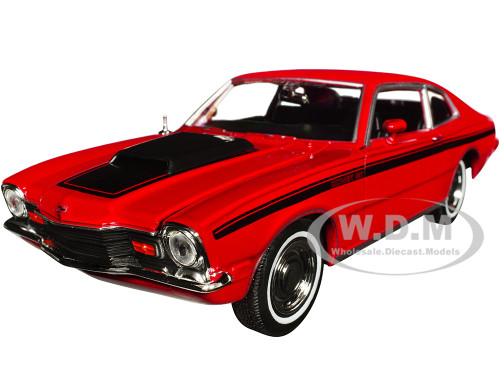
The Mercury Cyclone became one of the brand's most notable performance-oriented nameplates. Based on the Comet platform during much of its early development, the Cyclone gained attention through its sporty styling and involvement in American stock-car racing.
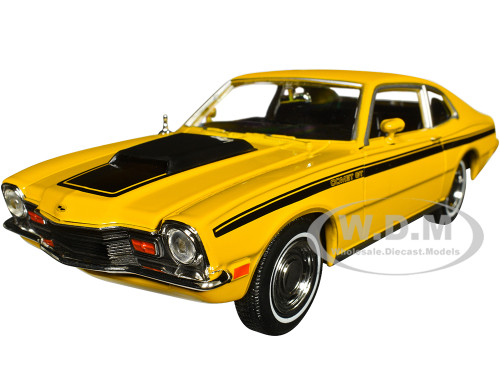
The Cyclone name appeared on several versions, including models with more powerful engines and distinctive performance equipment. The Cyclone GT and later special variants illustrate Mercury's efforts to compete in the increasingly important performance-car market of the 1960s and early 1970s.
For collectors, Cyclone models are particularly relevant to classic American muscle-car and racing-themed displays. As with other period performance cars, details such as hood design, wheels, stripes, and engine-related trim can vary by year and version.
Mercury Marauder
The Marauder name was used on more than one generation of Mercury vehicles, including full-size performance-oriented cars in the 1960s and a later modern sedan. These vehicles differ substantially, so the exact model year is important when shopping for a miniature.
Classic Marauders combined full-size American proportions with sporty styling. Their long bodies, distinctive grilles, and period-specific trim make them suitable subjects for collections focused on 1960s American cars.
The later Marauder sedan, introduced for the 2003 model year, offered a modern interpretation of the name with a performance-focused V8 powertrain and understated styling. Collectors interested in this model should distinguish it from the earlier classic cars when reviewing product descriptions.
Mercury Grand Marquis
The Grand Marquis was a full-size luxury sedan that became one of Mercury's longest-running nameplates. It emphasized spacious interiors, comfortable ride quality, and traditional American sedan styling.
For diecast collectors, the Grand Marquis represents a different side of Mercury's identity from the Cougar and Cyclone. Its significance lies in the evolution of the full-size American sedan and the role of comfort-oriented vehicles in the brand's lineup.
A Grand Marquis model can complement classic coupes and muscle cars in a collection, helping illustrate the breadth of Mercury's offerings over time.
Mercury Capri
The Capri name was used for different vehicles over the years, including a European-designed sports coupe sold in North America under the Mercury name and a later roadster. These models should not be confused with one another.
The Capri is an interesting collecting subject because it reflects Mercury's efforts to offer smaller, sportier cars alongside its traditional American sedans and coupes. A Capri model can add variety to a collection focused on the changing tastes of American motorists during the 1970s, 1980s, and 1990s.
When shopping for a Capri diecast car, check the generation, body style, and year to ensure the model matches the vehicle you want.
Mercury Muscle Cars and American Performance
Mercury's performance history is closely connected to the growth of American muscle cars and pony cars. Although the brand was not exclusively focused on performance, models such as the Cougar and Cyclone gave it a recognizable place in this part of automotive history.
Classic Mercury performance cars often combined V8 power with distinctive styling, upgraded suspension or braking components on certain versions, and trim that differentiated them from standard models. Their designs reflected an era when manufacturers used performance variants, racing involvement, and visual identity to appeal to enthusiasts.
For collectors, Mercury muscle cars offer several ways to build a focused display:
-
1960s performance cars: Explore early Cougar and Cyclone models from the period when American pony cars and muscle cars were growing in popularity.
-
Racing-inspired vehicles: Look for versions associated with stock-car racing or other competition themes, where available.
-
Distinctive factory styling: Compare paint colors, stripes, wheels, hood designs, and other features that identify specific versions.
-
American performance collections: Display Mercury models alongside performance cars from other American manufacturers to compare styling and engineering trends.
Not every Mercury coupe is a muscle car, and not every model bearing a performance nameplate represents the highest-performance version. Checking the exact vehicle designation and product details helps avoid confusing standard models with specialized variants.
Mercury Diecast Model Cars by Scale
Scale is an important consideration when choosing a Mercury diecast model. It determines the miniature's size relative to the original vehicle and helps you plan display space or match the model with other cars in your collection.
Common scales in diecast car collecting include:
-
1:18 scale: Larger display models that provide room for visible body details, wheels, trim, and interiors. Depending on the release, some models have opening doors, hoods, or trunks.
-
1:24 scale: A versatile middle size for collectors who want a detailed display model without the footprint of many 1:18 replicas.
-
1:43 scale: A compact format suited to collectors who want to display several Mercury generations or build a broader collection of American classic cars.
-
1:64 scale: A smaller format useful for compact displays and collections featuring a wide range of vehicles.
These are general scale options across the diecast hobby, not a guarantee that every Mercury model is available in each size. Confirm the scale and dimensions in the individual product listing before purchasing.
Choosing a Scale for Your Collection
If you are collecting a particular Mercury model across multiple generations, choosing a consistent scale can make your display look more uniform. A 1:18 collection, for example, can emphasize exterior and interior details, while a 1:43 collection can accommodate more vehicles in the same space.
If you are interested in a specific Mercury that is available only in a particular scale, you may prefer to prioritize the vehicle rather than a uniform display size. In either case, consider shelf depth, model length, and how much space you want to leave between cars.
What to Look for When Buying Mercury Models
Mercury diecast cars can vary by manufacturer, scale, finish, and level of detail. Reviewing the specifications helps you choose a model that fits your interests and expectations.
-
Exact model and generation: Confirm whether the car is a Cougar, Comet, Cyclone, Monterey, or another Mercury model, and check the generation or model year when provided.
-
Body style: Coupes, sedans, convertibles, and wagons can look very different even when they share a nameplate.
-
Performance version: If you are looking for a particular muscle-car or racing variant, verify that the model represents the correct version.
-
Paint and trim: Color, wheel design, stripes, chrome detailing, and other exterior features can distinguish one release from another.
-
Construction and features: Check whether the model includes diecast metal components, plastic details, opening parts, steering, or a display base. Features vary by manufacturer and release.
-
Packaging and display: If you intend to keep the model in its original packaging, consider the package dimensions and the space available for storage or display.
Product photographs and specifications are especially useful when you are trying to match a miniature to a particular full-size vehicle or complete a collection of cars from a specific decade.
Building a Mercury Collection
Mercury's history makes it possible to create a collection with a clear theme. Rather than collecting randomly, you can focus on the parts of the brand that interest you most.
-
Classic American cars: Collect Mercury Eight and Monterey models to explore early and postwar styling.
-
Pony cars and muscle cars: Focus on the Cougar, Comet, and Cyclone to represent Mercury's sportier side.
-
Personal luxury cars: Look for models that illustrate the evolution of American coupes and upscale sedans.
-
Full-size sedans: Add vehicles such as the Grand Marquis to represent Mercury's comfort-oriented models.
-
By decade: Build a display featuring Mercury vehicles from different eras to show how body proportions, trim, and styling evolved.
-
By scale: Choose a consistent scale for a coordinated display, or select individual models based on the vehicles you most want to collect.
Mercury models can also complement diecast cars from other American manufacturers. Comparing vehicles from the same decade can highlight differences in styling, performance positioning, and the way manufacturers responded to changing customer preferences.
Shop Mercury Diecast Model Cars at Diecast Models Wholesale
From the classic Mercury Eight and Monterey to the sporty Cougar, Comet, and Cyclone, Mercury's history offers a variety of subjects for collectors of American automobiles. The brand's combination of distinctive styling, performance models, and full-size luxury cars makes it an interesting addition to a classic car or muscle-car collection.
Browse the Mercury category at Diecast Models Wholesale to explore the available selection. Compare model names, generations, scales, finishes, and product specifications to find Mercury diecast model cars that suit your interests and add another piece of American automotive history to your collection.




 $32.49Was $35.99Save 9%




 $8.49


 $23.99Was $28.99Save 17%