Ford Model T Diecast Models
The Ford Model T is one of the most historically significant automobiles ever produced, and Model T diecast models give collectors an opportunity to preserve the appearance of a vehicle that fundamentally changed the automobile industry. Introduced in 1908, the Model T was designed as a practical, durable, relatively affordable automobile and became closely associated with the growth of mass automobile ownership in the United States and around the world.
The Model T category at DiecastModelsWholesale.com is dedicated to Ford Model T scale models and collectibles, with products that can appeal to antique automobile enthusiasts, Ford collectors, history-focused collectors, and anyone interested in early automotive design.
Because the Model T remained in production for nearly two decades, it was offered in a variety of configurations and body styles. This makes Model T diecast models more varied than the familiar image of a simple black touring car might suggest.
Why the Ford Model T Is Important
The Model T was introduced to the public on October 1, 1908, and remained in production until 1927. Ford's goal was to create a practical automobile that could be produced in large quantities and made accessible to a much larger portion of the population.
Its importance was not simply the result of the vehicle's design. The Model T became closely connected with Ford's manufacturing innovations, particularly the development of the moving assembly line at the company's Highland Park, Michigan, plant.
Ford's assembly-line experiments began in 1913, and the moving assembly line dramatically increased production efficiency. The Henry Ford notes that more than 15 million Model Ts were produced between 1908 and 1927, while production improvements helped bring the price of a Model T down substantially during its production run.
For collectors, this history gives the Model T an unusual distinction: a small scale replica represents not only an early automobile but also an important chapter in the development of modern manufacturing.
Ford Model T History
The Model T was developed during a period when automobiles were still relatively new and manufacturers were experimenting with different approaches to vehicle construction, operation, and production.
Ford emphasized simplicity, durability, ease of operation, and suitability for the rough roads of the early 20th century. The Model T incorporated several engineering features that were notable for its time, including extensive use of vanadium steel and a design intended to make maintenance and operation relatively straightforward.
The car quickly became successful, and Ford's production system evolved alongside it. Manufacturing moved to the Highland Park plant in 1910, and the introduction of the moving assembly line in 1913 helped Ford increase output dramatically.
The Model T eventually became an international vehicle. The Henry Ford records that by the end of its production in 1927, Model Ts had been produced in numerous countries outside the United States, making the car an early example of a truly international automobile.
Production ended in May 1927, and Ford subsequently introduced the Model A as its replacement.
Model T Body Styles and Configurations
One of the most interesting aspects of collecting Ford Model T diecast models is that the Model T was not limited to one body style.
During its long production period, the Model T was available in configurations that included passenger cars, touring cars, roadsters, coupes, sedans, and utility-oriented versions. Ford also produced Model T-based commercial vehicles and trucks.
The exact body style and terminology can vary according to production year and source, so collectors looking for a particular version should pay close attention to the product description and stated year.
Model T Touring Cars
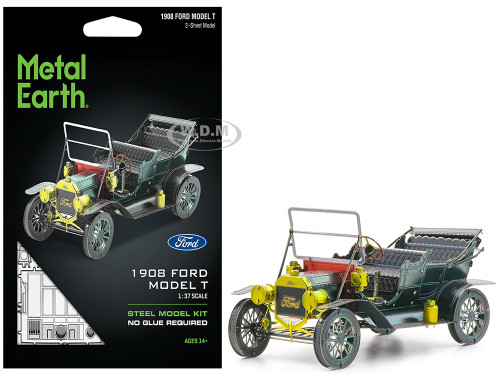
The Model T Touring is one of the most recognizable early Ford configurations. Its open passenger compartment and folding top give it the classic appearance associated with early American motoring.
A touring-car diecast can make an effective centerpiece for an antique automobile collection because its proportions and open bodywork make the vehicle immediately identifiable as a Model T.
Model T Roadsters
Model T roadsters provide a sportier and more compact interpretation of Ford's early automobile. Their open two-seat configuration makes them visually different from touring models and gives collectors another way to represent the Model T era.
Model T Coupes and Sedans
Closed-body Model T models illustrate the transition toward more enclosed automobiles. Depending on the production period and body style, these models can have substantially different proportions and rooflines from the familiar open touring car.
Model T Trucks and Commercial Vehicles
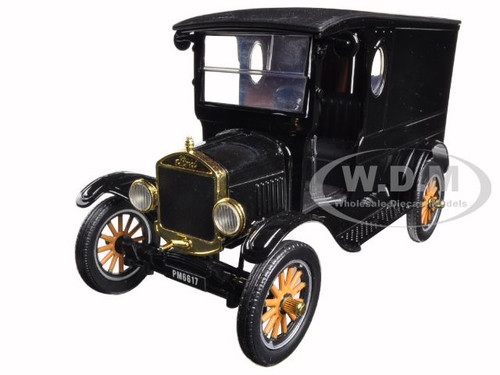
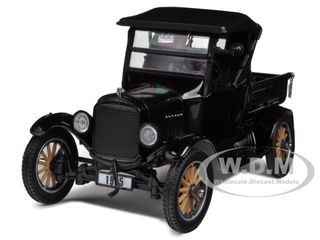
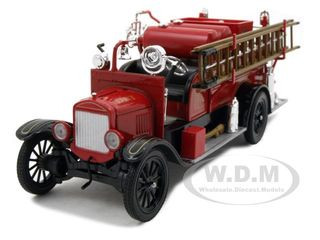
The Model T platform was also adapted for commercial and utility purposes. Ford's chronology records the introduction of its first Ford truck in 1917, powered by a Model T engine.
Model T-based trucks can therefore complement collections focused on vintage trucks, commercial vehicles, early American transportation, or industrial history.
The Model T and the Famous "Tin Lizzie" Image
The Model T became widely known by nicknames including "Tin Lizzie." Ford notes that there are several explanations for the origin of the nickname, rather than one definitively established source.
The popular image of the Model T is also strongly associated with black paint. However, the idea that every Model T was black throughout its entire production history is inaccurate. Ford explains that the car was offered in black from 1914 through 1925, while Model Ts could be purchased in other colors before and after that period.
That distinction can be useful when evaluating a Model T diecast. A model's color can sometimes help identify the period or particular interpretation being represented.
Model T Diecast Models for History-Focused Collections
The Ford Model T is particularly well suited to collections organized around automotive history rather than simply performance or styling.
A Model T can represent several important themes at once:
- Early American automobiles
- Ford Motor Company history
- Antique and vintage cars
- The development of mass automobile ownership
- Automotive manufacturing history
- Early commercial vehicles
- American transportation history
- The evolution of automobile body styles
- Early 20th-century industrial design
For collectors who already have later Ford models, the Model T can also establish an early starting point for a chronological Ford collection.
For example, a collection could progress from the Model T to the Model A and then into later Ford passenger cars, trucks, and performance models. This approach shows how Ford's vehicles evolved rather than focusing exclusively on one generation.
Collecting Model T Diecast Models
There are several ways to approach a Model T collection. Some collectors concentrate on a particular body style, while others choose models from different periods to demonstrate how the car evolved.
Collect by Body Style
Compare touring cars, roadsters, coupes, sedans, and utility or truck configurations. Differences in body design can make each model distinct even when all are based on the Model T.
Collect by Era
Because the Model T remained in production from 1908 through 1927, collectors can focus on early, middle, or late production examples.
Collect by Color
Color can be an interesting secondary collecting theme. Black is strongly associated with the Model T, but historically accurate representations can also reflect the periods when Ford offered other colors.
Collect by Scale
Collectors who already have antique automobiles may want to match their Model T to the scale of their existing collection. This creates a more consistent display and makes it easier to compare vehicles from different manufacturers and eras.
Ford Model T Diecast Scales
The best scale depends on available products and the type of display you are building. Always check the individual product listing for its confirmed scale because Model T collectibles can vary by manufacturer and product type.
1/18 Model T Models
A 1/18 scale Model T provides a larger display format that can show body details, wheels, interior features, lamps, running boards, and other characteristic elements more clearly.
This scale can work particularly well when the Model T is intended to be an individual centerpiece within an antique-car display.
1/24 Model T Models
1/24 scale Model T models provide a useful balance between display size and detail. They can work well in collections that combine Model Ts with other classic American automobiles.
1/43 and Smaller Model T Models
Smaller scales can be useful for collectors who want to represent multiple years or body styles without requiring as much display space. They are also practical for chronological collections covering a broad range of automotive history.
Availability varies, so shoppers should verify the scale, dimensions, materials, and features of each individual product before purchasing.
Model T Details Collectors Look For
Even a relatively simple early automobile can have numerous details that distinguish one scale model from another.
Collectors may want to compare:
- Body style and roof configuration
- Model year or stated production period
- Wheel and tire design
- Fender shape
- Running boards
- Headlamps and exterior lighting
- Radiator and grille details
- Interior configuration
- Steering wheel and dashboard
- Paint color
- Convertible or removable-top details
- Manufacturer and construction
- Opening parts, where applicable
- Included accessories or figures
The more historically specific the collection, the more important it becomes to compare the product description with the particular Model T version being represented.
The Model T in Automotive History
The significance of the Model T extends well beyond its appearance. Its production history is closely tied to the development of modern automotive manufacturing.
At Highland Park, Ford's engineers developed increasingly efficient methods for assembling the car. The Henry Ford's collection documents how chassis, axles, engines, dashboards, wheels, radiators, and bodies moved through production stations as the assembly system developed.
Ford's manufacturing approach became an important part of the broader history of mass production. The Model T therefore provides collectors with a physical way to connect automotive design with industrial history.
For additional historical research, collectors can explore The Henry Ford's Model T collections and Ford's official historical resources for photographs, production information, archival material, and documentation.
Building a Vintage Ford Collection
A Model T can be the foundation for a much broader collection of Ford vehicles. Because it predates many of the familiar Ford cars associated with American automotive culture, it gives a collection historical depth.
Collectors can combine a Model T with other early Ford models, vintage trucks, classic cars, or later Ford icons. A chronological display can show the progression from early mass-produced automobiles to the increasingly specialized passenger cars, trucks, and performance vehicles that followed.
The Model T can also complement a collection focused on American automotive history, where vehicles are selected based on their historical importance rather than simply their appearance or performance.
Why Collect Model T Diecast Models?
A Ford Model T diecast model represents a vehicle that played a defining role in early automobile history. Its long production run, distinctive construction, variety of body styles, and connection with the development of mass production give collectors several different reasons to appreciate it.
For antique-car enthusiasts, it represents an early American automobile. For Ford collectors, it marks a foundational chapter in the company's history. For diecast enthusiasts, different body styles and production periods provide opportunities to build a more specialized collection.
Whether displayed individually or alongside other classic American vehicles, a Model T adds historical context to a diecast collection.
Shop Ford Model T Diecast Models
Explore the Model T category at DiecastModelsWholesale.com to find collectible Ford Model T scale models and related early Ford vehicles. Compare available body styles, colors, scales, manufacturers, and details to find a Model T that fits your collection, display, or automotive-history theme.