Ramp Truck Diecast Models
Ramp trucks are specialized vehicles designed to make loading, transporting, and unloading other vehicles or equipment easier. Often recognized by their extended cargo deck and integrated loading ramps, these trucks are used to transport automobiles, motorcycles, construction equipment, machinery, and other wheeled vehicles.
The Ramp category at DiecastModelsWholesale.com features scale models representing trucks equipped with ramps or specialized loading platforms. These vehicles can be especially appealing to collectors interested in commercial trucks, vehicle transporters, motorsports, towing and recovery equipment, construction vehicles, and automotive service equipment.
Ramp trucks are practical working vehicles, but they can also have considerable visual character. Their open decks, ramps, heavy-duty chassis, wheel configurations, and specialized equipment make them noticeably different from conventional box, dump, or delivery trucks.
What Is a Ramp Truck?
A ramp truck is a truck configured with a loading deck and one or more ramps that allow vehicles or equipment to be driven onto or off the truck. The ramps may be permanently integrated into the body or designed to fold, slide, or otherwise be positioned for loading.
The basic purpose is straightforward: provide a safe and practical transition between ground level and the truck's cargo platform.
Ramp trucks can be used for many different applications. A vehicle transporter may carry automobiles, while a motorsports support truck can transport race cars and equipment. Construction and industrial operations may use ramp-equipped trucks to move compact machinery, and service businesses can use them to transport vehicles or specialized equipment.
Because the term "ramp truck" describes the truck's loading configuration rather than one specific vehicle type, models can vary considerably in size and design.
Types of Ramp Trucks
Vehicle Transport Trucks
Vehicle transport trucks use ramps or inclined loading platforms to carry cars, trucks, motorcycles, and other road-going vehicles.
Some are relatively compact and designed to carry one vehicle, while larger configurations can transport multiple vehicles. The deck design and ramp arrangement depend on the truck's intended payload.
Equipment Transport Trucks
Construction and industrial equipment often needs to be moved between jobsites. Ramp-equipped trucks can carry compact excavators, skid-steer loaders, utility equipment, and other machinery that can be driven onto the deck.
For collectors interested in these combinations, related Construction models can help create a complete equipment-transport display.
Motorsports Transporters
Racing teams and private competitors use specialized transport vehicles to move race cars between workshops and events. A ramp-equipped truck can combine vehicle transportation with storage for tools, spare parts, tires, and other racing equipment.
This makes motorsport ramp trucks particularly interesting to collectors who enjoy combining transport vehicles with racing models.
Service and Specialty Trucks
Some ramp-equipped trucks are built for businesses that regularly move vehicles or machinery. Their configurations may include tool storage, winches, enclosed compartments, tie-down equipment, or other specialized features.
How Ramp Trucks Work
The loading system is the defining feature of a ramp truck. When the vehicle or equipment needs to be transported, the ramp provides a gradual path from the ground to the truck deck.
Depending on the design, a ramp can be:
- Folded or unfolded for loading
- Hinged at the rear of the deck
- Stored alongside or beneath the cargo platform
- Integrated into a hydraulic loading system
- Designed for a specific type of vehicle or machinery
Once the load is positioned on the deck, it must be secured using appropriate restraints and tie-down equipment. The truck's chassis, suspension, axles, brakes, and loading equipment are designed around the weight and type of cargo it is expected to carry.
On a scale model, these functional elements can add significant visual interest.
A Brief History of Ramp and Vehicle Transport Trucks
The need to transport vehicles and machinery developed alongside the motor vehicle itself. As automobiles became increasingly common in the early 20th century, businesses needed practical ways to move non-operational or newly manufactured vehicles.
Early vehicle transporters were often simple truck-based platforms or trailers equipped with ramps. As automotive production expanded and vehicle ownership increased, specialized transport equipment became more common.
Truck manufacturers and body builders developed increasingly sophisticated vehicle carriers, service trucks, and equipment haulers. Hydraulic lifting equipment, folding ramps, winches, and improved load-securing systems made it easier to transport heavier and more specialized vehicles.
Motorsports also contributed to the evolution of vehicle transporters. Racing teams needed dependable ways to move competition cars and equipment between events, leading to increasingly specialized transport vehicles.
Today, ramp-equipped trucks continue to serve vehicle transportation, equipment hauling, recovery, motorsports, and other specialized applications.
Ramp Trucks vs. Flatbed Trucks
Ramp trucks and flatbed trucks can appear similar because both may have an open cargo platform. The key difference is the loading equipment.
A conventional Flatbed truck provides an open level deck for carrying cargo. Loading may require a forklift, crane, loading dock, or separate ramps.
A ramp truck incorporates ramps specifically intended to allow vehicles or equipment to travel onto the deck. The ramp is therefore an important part of the truck's function.
Some flatbed trucks can be equipped with removable ramps, so the distinction can sometimes overlap. For collectors, the important consideration is how the particular vehicle is configured and represented by the model.
Ramp Trucks vs. Trailers
Ramp trucks carry their cargo directly on the truck itself, while a Trailer is a separate vehicle that must be connected to a towing vehicle.
A ramp-equipped truck can therefore provide an all-in-one transportation solution. Larger loads may instead require a tractor and specialized trailer, particularly when greater deck length or payload capacity is required.
Both configurations are important in commercial transportation, and they can complement one another in a scale-model collection.
Features to Look for in Ramp Truck Models
Ramp truck diecast models can reproduce many of the practical details found on their full-size counterparts.
Loading Deck
The deck is the primary cargo platform. Collectors may want to examine its length, width, surface detailing, side rails, wheel wells, and overall construction.
Loading Ramps
Ramps are the defining feature of this category. Depending on the model, they may be represented as folded, deployed, removable, or integrated into the rear of the vehicle.
Chassis and Axles
A realistic chassis and appropriate axle configuration help communicate the truck's load-carrying role. Heavy-duty ramp trucks may have multiple axles and substantial tires.
Winches and Tie-Down Equipment
Vehicle transport and recovery configurations may include winches, hooks, tie-down points, chains, or other equipment used to position and secure loads.
Cab and Exterior Details
Grilles, headlights, mirrors, bumpers, fuel tanks, exhaust systems, steps, and other cab and chassis details can add realism to a scale model.
Graphics and Livery
Commercial operators, racing teams, manufacturers, and service businesses often use distinctive paint schemes and graphics. These markings can be an important part of a model's collecting appeal.
Ramp Trucks in Diecast Collections
Ramp trucks offer collectors an opportunity to represent the transportation side of the automotive and equipment industries. Instead of focusing solely on the vehicles being transported, collectors can add the specialized truck responsible for moving them.
A ramp truck can be displayed with a classic car, race car, pickup, motorcycle, or piece of construction equipment. This creates a miniature representation of a real-world transportation operation.
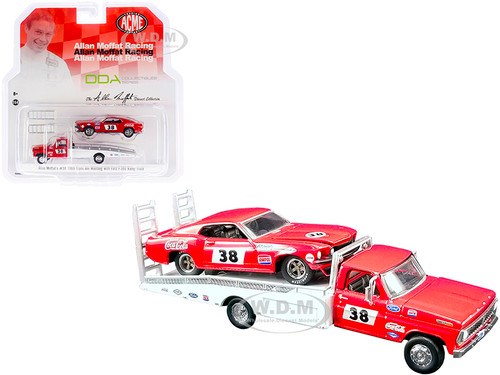
For motorsports collections, a ramp truck can serve as a support vehicle for racing models. For construction collections, it can represent the movement of equipment between jobsites. For automotive collections, it can be paired with passenger cars and pickups.
Collecting by Era and Application
Ramp truck models can be collected according to the period they represent. Older trucks often feature distinctive cab designs, separate fenders, simpler decks, and period-specific equipment. Later models tend to feature more integrated styling, modern chassis designs, and specialized loading systems.
Collectors may also focus on the vehicle's application rather than its age. A collection could include:
- Classic vehicle transporters
- Modern equipment haulers
- Motorsports support trucks
- Automotive service trucks
- Recovery and transport vehicles
- Heavy-duty loading trucks
This approach makes it possible to build a diverse collection while maintaining a clear theme.
Choosing the Right Scale
Ramp trucks are available in different scales depending on the individual model. Common scales for commercial and truck models include 1/18, 1/24, 1/32, 1/43, 1/50, and 1/64.
Scale becomes particularly important with ramp trucks because the loading deck and ramps can make the model physically longer than a conventional truck.
Larger scales provide additional space for details such as deck surfaces, ramps, chassis components, winches, and cab interiors. Smaller scales are useful for collectors who want to create larger transportation scenes or display multiple trucks together.
When pairing a ramp truck with a car or piece of equipment, matching scales can help create convincing proportions.
Building a Vehicle Transport Display
One of the most interesting ways to display a ramp truck is with a vehicle positioned on its deck. A classic car, race car, motorcycle, or compact construction machine can demonstrate the truck's intended purpose.
Collectors can also create a miniature motorsports or automotive-service scene by combining a ramp truck with race cars, support equipment, trailers, and other commercial vehicles.
Because ramp trucks are designed around transportation, they can connect several different collecting interests in a single display.
Why Collect Ramp Truck Diecast Models?
Ramp trucks represent an often-overlooked but essential part of vehicle transportation. They are not simply generic work trucks; their decks, ramps, chassis, and specialized equipment are designed around the challenge of moving other vehicles and machines.
For diecast collectors, this makes them useful display pieces as well as interesting examples of commercial vehicle engineering. Their distinctive configuration also adds variety to collections dominated by passenger cars or standard pickups.
Whether you are interested in motorsports, classic vehicles, construction equipment, commercial transportation, or specialized trucks, a ramp truck can add an important transportation element to your collection.
Shop Ramp Truck Diecast Models
Explore the Ramp category at DiecastModelsWholesale.com to find scale models representing specialized trucks equipped for vehicle and equipment loading. Compare available designs, scales, body configurations, and details to find the right model for your collection.
Add a ramp truck to a motorsports display, pair one with a favorite automobile or piece of equipment, or use it as part of a broader commercial-truck collection. Browse the category and discover a specialized truck built around the important job of moving vehicles and equipment.


 $19.95