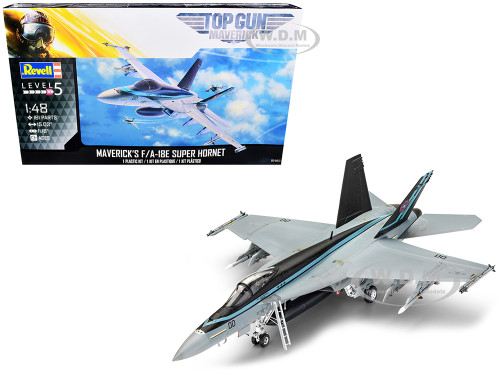
Skill Level 5 (Expert) model kits represent the highest level in the five-step skill classification used for scale model kits at DiecastModelsWholesale.com. These kits are intended for experienced builders who are comfortable working with complex assemblies, small components, detailed finishing, and projects that require considerable patience and precision.
An expert model kit can be much more than a straightforward assembly project. Depending on the manufacturer and subject, these kits may involve numerous parts, intricate subassemblies, detailed mechanical components, extensive painting and finishing, or specialized construction techniques.
At DMW, the Skill Level 5 category gives experienced hobbyists a convenient way to browse the most demanding projects within the site's model-kit classification. Individual kits vary considerably, so always review the product listing for the exact scale, number of parts, materials, construction requirements, and manufacturer-assigned skill level.
What Is a Skill Level 5 Model Kit?
Skill Level 5 generally identifies an expert-level project within a manufacturer's own rating system. It sits at the top of DMW's five-level progression:
- Skill Level 1 — Beginner
- Skill Level 2 — Easy
- Skill Level 3 — Intermediate
- Skill Level 4 — Advanced
- Skill Level 5 — Expert
A Skill Level 5 model kit may require substantially more modeling experience than an entry-level project. Builders may encounter intricate assemblies, numerous small components, detailed interiors or mechanical systems, complex part alignment, and extensive painting or finishing.
However, skill ratings are not a universal industry standard. Manufacturers can use different criteria when assigning a skill level, so a Skill Level 5 kit from one manufacturer should not automatically be assumed to have exactly the same construction requirements as another manufacturer's Skill Level 5 kit.
The individual product description should therefore be considered the most useful source when evaluating a specific project.
Designed for Experienced Scale Model Builders
Expert model kits are best suited to hobbyists who are already comfortable with the fundamentals of scale modeling. This can include working with small parts, preparing components before assembly, using adhesives appropriately, painting individual pieces, applying decals, and correcting minor fitting or alignment issues.
Experienced builders may also enjoy the additional freedom that complex kits can provide for customization and finishing.
Depending on the subject, an expert project may involve:
- Detailed multi-part assemblies
- Numerous small components
- Intricate interiors or cockpits
- Detailed engines and mechanical systems
- Complex chassis or suspension assemblies
- Fine exterior details
- Multiple decal sheets or detailed markings
- Painting and masking
- Advanced finishing techniques
- Careful alignment and part preparation
The exact requirements vary by product, so check the manufacturer's specifications before beginning a build.
Automotive Expert Model Kits
Automotive modeling is one of the most popular areas of the scale-model hobby, and expert-level automotive kits can provide experienced builders with a particularly involved project.
A detailed automotive model can include separate engine components, suspension pieces, exhaust systems, steering components, interior assemblies, wheels, tires, body panels, trim, and other parts that must be assembled and finished carefully.
Depending on the product, expert automotive subjects can include:
- Classic American automobiles
- Muscle cars
- Sports and exotic cars
- Historic racing cars
- Competition vehicles
- Custom cars and hot rods
- Pickups and commercial vehicles
- European performance cars
- Japanese performance vehicles
1:24 and 1:25 are common scales for automotive model kits, but expert projects can also be found in larger and smaller scales.
For collectors who enjoy both building and finished collectibles, a completed expert model can also complement a collection of ready-made diecast vehicles. The distinction is important: a model kit is designed to be assembled by the hobbyist, while a finished diecast model arrives already assembled.
Racing and Motorsport Projects
Expert model kits can be particularly attractive to motorsport enthusiasts. Racing vehicles often incorporate specialized components that distinguish them from their road-going counterparts.
Depending on the subject, a detailed racing kit may include:
- Competition-specific interiors
- Roll cages
- Racing seats and harness details
- Specialized wheels and tires
- Aerodynamic components
- Racing engines and exhaust systems
- Detailed suspension
- Race-specific bodywork
- Driver or team markings
- Extensive livery decals
The finishing stage can be just as important as assembly on a racing model. Accurate masking, paint application, decal positioning, and surface finishing can significantly influence the appearance of the completed vehicle.
Aircraft and Military Expert Model Kits
Expert-level modeling is not limited to automobiles. Aircraft and military kits can present their own unique challenges because of their detailed cockpits, engines, landing gear, weapons, tracks, suspension, external equipment, and other small-scale components.
Aircraft subjects can include historic propeller aircraft, military jets, bombers, transport aircraft, and other aviation subjects. Military kits can cover tanks, armored vehicles, artillery, military trucks, and related equipment.
Common scales in these areas include:
Other scales are also used depending on the subject and manufacturer.
When choosing an aircraft or military model kit, consider both the scale and the subject's physical size. A larger scale does not automatically mean a higher skill rating, and a smaller model can still contain an intricate assembly.
Science Fiction, Spacecraft and Licensed Models
Expert model kits can also appeal to collectors interested in spacecraft, science fiction, and licensed entertainment subjects.
These kits can combine traditional scale-modeling techniques with unusual shapes, fictional mechanical systems, detailed interiors, and specialized display components. Depending on the product, builders may need to work with complex assemblies or carefully apply markings and finishes to recreate the intended appearance.
For collectors, an expert-level science-fiction model can also become part of a larger themed display. Finished models can be displayed with figures, other scale kits, diecast collectibles, or related memorabilia.
What Makes an Expert Model Kit More Demanding?
There is no single feature that makes a kit Skill Level 5. Complexity can come from several different areas.
Number and Size of Parts
A kit containing numerous small parts can require more time and concentration than a simpler project. Small components may also require careful preparation and handling.
Assembly Sequence
Complex kits can require several subassemblies to be completed in a particular order. Installing one component incorrectly can affect the fit of parts later in the build.
Precision and Alignment
Expert projects often reward careful dry fitting and alignment before permanently attaching components. Small errors can become more noticeable as the model progresses.
Painting and Finishing
Some advanced projects place considerable emphasis on painting, masking, decals, weathering, or other finishing techniques. Builders who enjoy the finishing side of scale modeling may find these projects particularly engaging.
Subject-Specific Techniques
Different subjects require different approaches. A detailed automotive kit, aircraft kit, and military vehicle kit may all be rated at the same skill level while presenting very different building challenges.
Choosing a Skill Level 5 Model Kit
Before ordering an expert model kit, take a few minutes to evaluate the project itself rather than relying on the skill-level number alone.
Review the Product Specifications
Check the scale, manufacturer, subject, construction material, included components, and any listed skill information. Product specifications can help you understand what you will actually be building.
Consider Your Experience
An expert kit is generally most appropriate for someone already familiar with scale-model construction. If you are still learning basic assembly, painting, or decal application, a Skill Level 3 (Intermediate) or Skill Level 4 (Advanced) project may provide a more gradual progression.
Check Required Supplies
Traditional scale model kits may require supplies that are not included in the box. Depending on the product, this can include model cement, hobby knives, sanding tools, paint, brushes, masking materials, decal-setting products, and other modeling equipment.
Always check the individual product listing before assuming a kit is complete with everything needed for assembly and finishing.
Plan Your Display Space
An expert build can represent a significant investment of time, so consider where the finished model will be displayed. Check the model's scale and approximate finished dimensions when available.
A larger project may benefit from a dedicated display case, while smaller models can be integrated into an existing collection.
Expert Kits as Collector Projects
One of the advantages of building an expert-level model is the connection between the building process and the finished collection. The completed model reflects not only the original subject but also the builder's assembly and finishing work.
Experienced hobbyists may build models around a particular theme, such as:
- A specific automobile manufacturer
- A historic racing era
- Classic American cars
- Military aviation
- Historic armored vehicles
- Space exploration
- Science-fiction franchises
- A particular scale
- A specific manufacturer or model series
This approach can turn individual model kits into part of a larger, organized collection rather than treating each project as an isolated build.
Skill Level 5 vs. Lower Skill Levels
The five-level DMW classification provides a useful way to browse model kits according to general project complexity.
Skill Level 1 (Beginner) and Skill Level 2 (Easy) are useful starting points for people learning the fundamentals. Skill Level 3 (Intermediate) provides a more involved project, while Skill Level 4 (Advanced) moves toward increasingly complex construction and finishing.
Skill Level 5 (Expert) represents the top category in this progression and is intended for builders looking for particularly demanding projects.
The progression should not be interpreted as a universal measure of modeling ability. Someone with years of experience building cars may still need to learn new techniques when moving to a complex aircraft, ship, military vehicle, or science-fiction kit.
Build an Expert-Level Display Piece
Skill Level 5 (Expert) model kits are for hobbyists who enjoy the challenge of detailed scale-model construction and want to take on projects requiring experience, patience, precision, and careful finishing. From detailed automotive and racing subjects to aircraft, military vehicles, spacecraft, and licensed models, the category provides a starting point for exploring some of the most involved projects in the DMW model-kit classification.
Browse the Skill Level 5 (Expert) model kits at DiecastModelsWholesale.com to compare available subjects, scales, and manufacturers, and find an expert-level project worthy of your next build and display.

 $19.99
 $19.99
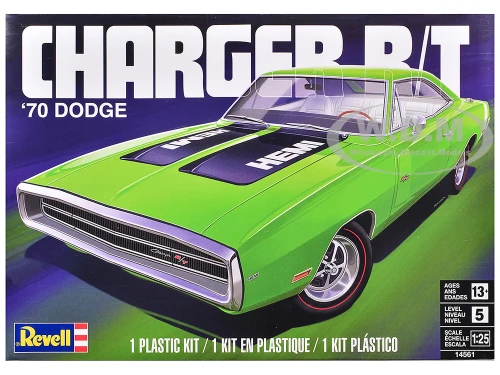 $32.99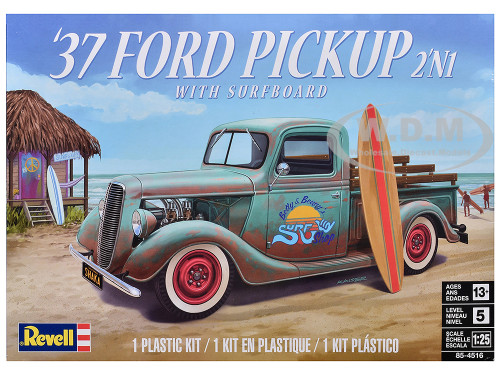
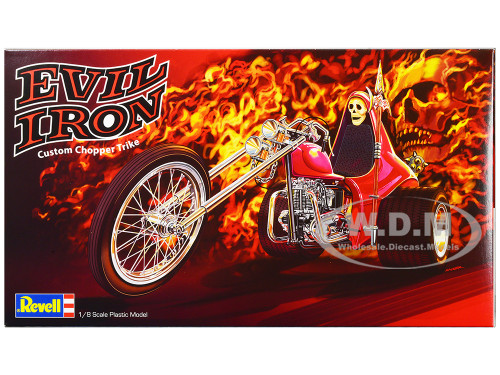 $50.99
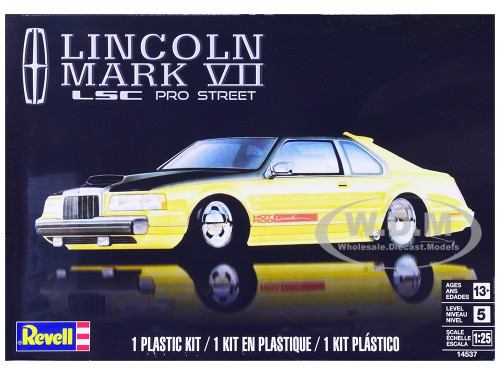 $38.99
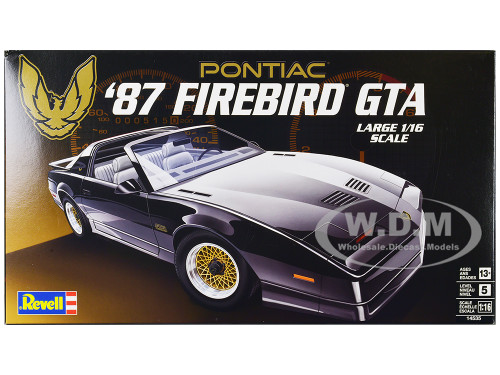 $46.99
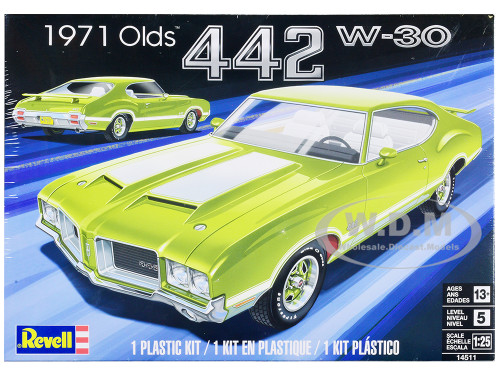 $39.99
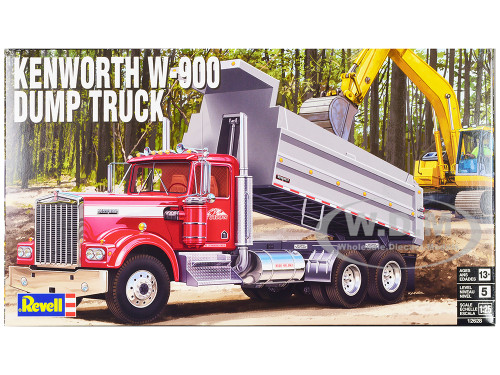 $68.99
 $24.99
 $35.99
 $35.99
 $34.99