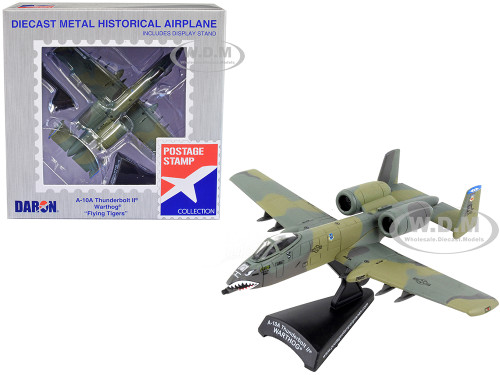
1/140 scale diecast models are compact collectible vehicles and aircraft designed at a scale of one unit on the model for every 140 units on the real subject. This uncommon scale offers collectors a practical way to display detailed models when larger scales would require too much space.
Because 1/140 is a relatively specialized scale, the subjects available can vary considerably depending on current production. It is particularly well suited to aircraft and aviation models, where even a large real-world aircraft can be represented in a manageable display size. Other transportation, military, automotive, or specialty subjects may also appear in this scale depending on the manufacturer and product line.
For collectors, the most important consideration is not simply the number on the box, but how a 1/140 model fits with the rest of a collection. Scale determines the model's overall dimensions, display footprint, and how naturally it can be positioned alongside other models.
What Does 1/140 Scale Mean?
A 1/140 scale model represents the original subject at one one-hundred-fortieth of its actual size.
For example, if a real aircraft has a wingspan of 140 feet, a mathematically exact 1/140 model would have a wingspan of approximately 1 foot. The actual dimensions of a model will depend on the dimensions of the real vehicle, so two 1/140 models can have noticeably different physical sizes even though they share the same scale.
This makes 1/140 particularly interesting for aircraft collectors. Large commercial airliners, military aircraft, cargo aircraft, and other full-size subjects can be represented without taking up the substantial amount of shelf space required by larger aircraft scales.
Scale is also useful when planning a collection. Models that share the same scale can generally be displayed together with a more consistent sense of proportion, although real-world vehicle dimensions will still determine the relative size of each model.
Why Collect 1/140 Scale Diecast Models?
One of the biggest advantages of 1/140 scale is its compact display size. Collectors interested in aviation or large vehicles can represent substantial subjects without needing an oversized display cabinet.
Compact Display Footprint
A 1/140 model can be an excellent choice for collectors with limited shelf space. Aircraft with large wingspans or long fuselages become much easier to accommodate when represented at this compact scale.
This can also make it easier to create a collection containing multiple aircraft rather than dedicating an entire display area to only a few larger models.
A Specialized Scale
1/140 is not as commonly encountered as scales such as 1/72, 1/100, 1/144, 1/200, or 1/400. That relative rarity is part of its appeal.
Collectors who enjoy unusual scales may appreciate finding a particular aircraft or vehicle represented in 1/140. Instead of building a collection exclusively around the most common scales, an uncommon scale can provide an opportunity to explore specialized subjects and manufacturers.
Suitable for Aviation Collections
Aircraft are naturally well suited to compact scales because their real-world dimensions can be considerable. A 1/140 aircraft model can preserve the recognizable proportions, markings, colors, and overall character of the original while remaining practical for home display.
Depending on current availability, collectors may encounter subjects from commercial aviation, military aviation, cargo operations, or other aviation-related categories.
What Can You Expect to Find in 1/140 Scale?
The selection of 1/140 scale diecast models can be more specialized than larger, more established scales. Product availability changes as manufacturers introduce new releases and discontinue older models.
Aircraft are among the most natural subjects for this scale, particularly when the goal is to represent a relatively large real-world aircraft in a compact format.
Depending on the available product range, 1/140 scale can also be relevant to:
- Commercial and passenger aircraft
- Military aircraft
- Cargo and transport aircraft
- Aviation-related specialty models
- Military and transportation subjects
- Other vehicles produced in specialized 1/140 scale
When shopping this category, it is useful to check the individual product specifications rather than assuming every model will have the same physical dimensions. The real-world size of the subject has a direct effect on the finished model.
1/140 Scale Aircraft Models
For aviation enthusiasts, one of the most useful aspects of 1/140 scale is the ability to represent relatively large aircraft without the display requirements of a much larger model.
A passenger aircraft with a substantial wingspan can become a manageable shelf display at 1/140. The same principle applies to large military transports, strategic aircraft, cargo aircraft, and other aviation subjects.
Aircraft collectors may choose 1/140 models based on several factors:
Aircraft Type
Consider whether the model represents a passenger airliner, military aircraft, cargo aircraft, transport aircraft, or another aviation subject. Different aircraft have dramatically different dimensions, so their finished model sizes will vary.
Livery and Markings
For airline and military aviation collectors, the paint scheme and markings can be just as important as the aircraft itself. A specific airline livery, registration, squadron marking, or historical configuration can make a model particularly meaningful within a collection.
Display Space
Measure the available display area before purchasing, especially for aircraft. Wingspan is often the most important dimension for shelf planning, while fuselage length becomes important for long aircraft.
Comparing 1/140 With Nearby Scales
When choosing between scales, remember that a smaller denominator represents a larger model.
Some useful comparisons include:
- 1/100 — Larger than 1/140 and generally requires more display space.
- 1/120 — Larger than 1/140 while still remaining a compact scale.
- 1/125 — Slightly larger than 1/140.
- 1/130 — Slightly larger than 1/140.
- 1/140 — A specialized compact scale that can be useful for large aircraft and transportation subjects.
- 1/144 — Slightly smaller than 1/140 and another established compact scale for aircraft.
- 1/200 — Significantly smaller than 1/140, making it useful when minimizing display space is a priority.
The difference between 1/140 and 1/144 is relatively small in linear dimensions. However, they should still be treated as different scales when maintaining a carefully matched collection.
For collectors building displays around a specific scale, matching the stated scale is generally preferable to choosing models solely because their finished dimensions appear similar.
Building a 1/140 Scale Collection
A collection does not have to be large to be interesting. With an uncommon scale such as 1/140, collectors can build around a particular theme rather than trying to acquire every possible subject.
An aviation collection could focus on a particular airline, aircraft family, country, military branch, era, or type of operation. Another collector might combine aviation subjects with transportation or military models that share the same scale.
For a consistent display, consider organizing models by:
- Aircraft or vehicle type
- Manufacturer
- Airline or operator
- Military service
- Historical era
- Country or region
- Color scheme or livery
- Subject size
Keeping models within the same scale can make a display feel more cohesive, while mixing scales can be useful when the goal is to represent subjects according to their real-world proportions.
Displaying 1/140 Diecast Models
The compact nature of 1/140 models provides considerable flexibility when planning a display.
Aircraft can be displayed individually on shelves, arranged as part of an aviation-themed collection, or incorporated into a larger transportation or military display. Clear display cases can help protect models from dust while allowing the details and markings to remain visible.
For a more thematic presentation, consider grouping models by airline, aircraft family, historical period, or military service. A consistent arrangement can make even a relatively small collection visually engaging.
Because model dimensions vary according to the size of the original subject, it is always a good idea to check the listed product dimensions before selecting a display case or shelf.
Choosing the Right 1/140 Model
When shopping for a 1/140 diecast model, start with the subject itself. If you are collecting a particular aircraft, vehicle, airline, or military subject, verify the exact version represented by the model.
Pay attention to:
- Scale: Confirm that the model is specifically listed as 1/140.
- Subject: Check the exact aircraft, vehicle, or variant.
- Markings: Review airline, military, registration, or other identifying details.
- Dimensions: Consider wingspan, length, and available shelf space.
- Construction: Review the product description for information about materials and features.
- Manufacturer: Different manufacturers may approach detailing, construction, and presentation differently.
- Collection compatibility: Decide whether the model will be displayed with other 1/140 models or alongside nearby scales.
For uncommon scales, product availability can change over time. If you are looking for a particular subject, checking the current selection is especially important because not every aircraft or vehicle is produced in 1/140.
The Appeal of an Uncommon Scale
Collectors often associate scale with a particular style of collecting. Some prefer widely established scales because they make it easier to build large collections with consistent proportions. Others enjoy uncommon scales because they provide access to specialized products and distinctive display possibilities.
1/140 falls into the latter category. It can be an appealing choice for collectors who want something between more familiar compact scales or who have found a particular aircraft or vehicle that is especially meaningful in this format.
The scale can also make sense when the original subject is simply too large for a comfortable display in a larger scale. A substantial aircraft that would dominate a room at 1/48 or 1/72 can become considerably easier to display when produced at 1/140.
Ultimately, the best scale is the one that works for the subject, collection, and available space. For collectors who appreciate compact aviation models and specialized scale representations, 1/140 offers an interesting alternative to more common choices.
Find 1/140 Scale Diecast Models
Whether you are expanding an aviation collection, looking for a compact representation of a favorite aircraft, or collecting unusual scale models, 1/140 scale diecast models offer a practical combination of manageable size and distinctive collector appeal.
Browse the current 1/140 selection at DiecastModelsWholesale.com to see which aircraft, vehicles, and specialty models are available, and find a model that fits your collection and display.