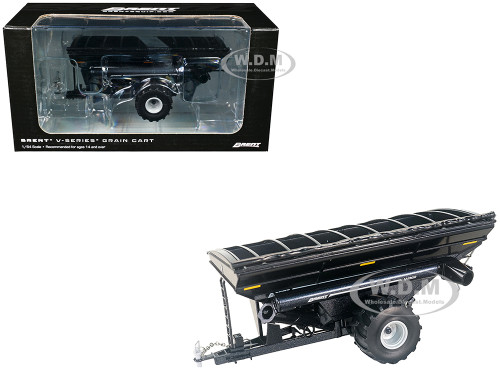
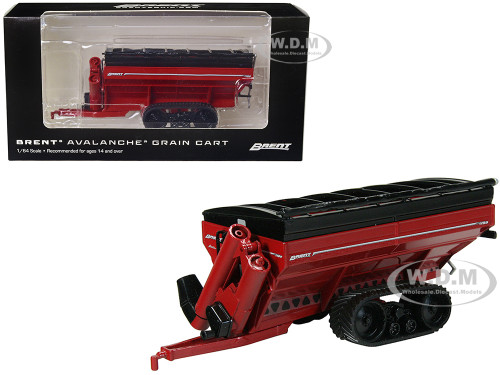
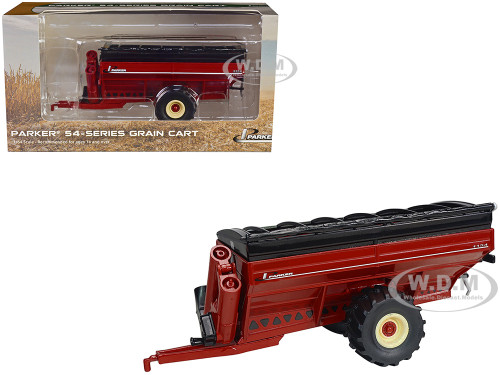
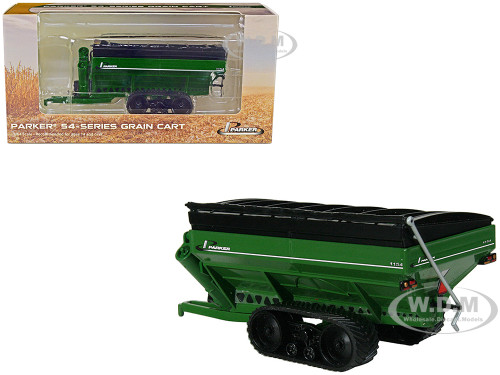
Grain cart diecast models bring an important piece of modern farm equipment into scale form. Also called grain carts, grain wagons, or auger carts, these machines are designed to move harvested grain from a combine in the field to a waiting truck, trailer, or other grain-handling equipment. Their large hopper, high-flotation tires or tracks, and prominent unloading auger give them a distinctive appearance that makes them particularly recognizable in an agricultural equipment collection.
At DiecastModelsWholesale.com, the Grain Cart category is part of the broader Vehicle Type collection. These agricultural scale models can be displayed alongside Combine diecast models, tractors, trucks, trailers, and other farm equipment to create a detailed harvest or farm scene.
What Is a Grain Cart?
A grain cart is a mobile agricultural container used to receive harvested grain from a combine and transfer it to a truck or other transportation equipment. The cart is normally pulled by a tractor and operates between the combine working in the field and the vehicle transporting the harvested crop.
The system is particularly useful because the combine does not necessarily have to stop harvesting while its grain tank is emptied. The combine can transfer grain into the cart while both machines are moving, after which the cart can travel to a waiting truck and unload its contents.
A typical grain cart includes:
- Large grain hopper or container
- Unloading auger
- Auger drive system
- High-flotation tires or track system
- Heavy-duty frame
- Tractor hitch
- Grain discharge spout
- Hydraulic controls
- Adjustable or folding auger on many modern designs
- Optional roll tarp and other equipment
The large hopper and elevated unloading auger are among the most recognizable characteristics of a grain cart.
How Grain Carts Work
During harvest, a combine cuts and processes the crop before storing the cleaned grain in its onboard grain tank. When the tank needs to be emptied, the combine's unloading auger transfers grain into the hopper of the grain cart.
The tractor pulls the cart alongside or behind the combine while the grain is transferred. Once the cart is loaded, the tractor takes it to a waiting grain truck or trailer. The cart's unloading auger then moves the grain from the hopper into the truck.
This process can reduce the amount of time that a combine spends away from harvesting. Kinze's history of its early grain carts specifically describes the equipment as a way to transfer large quantities of grain from loaded combines to trucks while allowing harvesting to continue.
The arrangement is especially useful when trucks cannot easily travel through soft or muddy fields. A grain cart can use large flotation tires or tracks to move across field conditions where a conventional road-going truck would be less suitable.
The History of the Grain Cart
The modern grain cart developed from earlier grain wagons and auger-equipped farm equipment. The basic problem was straightforward: farmers needed a faster way to move harvested grain away from a combine without requiring the combine to travel back and forth to a truck.
One important chapter in grain cart history comes from Kinze Manufacturing. According to Kinze's account, Jon Kinzenbaw built an auger-unloading grain wagon in 1967 after seeing the need for better grain movement in difficult field conditions. In 1971, he developed a two-wheeled, approximately 400-bushel grain cart with large-diameter augers and high-flotation tires.
The prototype was designed around the practical problem of harvesting in wet conditions. Trucks could remain on a road or firmer ground while the grain cart traveled into the field, collected grain from the combine, and returned to the truck.
Kinze's original 1971 cart had a low-profile design and used large augers for rapid unloading. The company describes the first cart as having approximately 435-bushel capacity and being able to unload in about three minutes.
Other manufacturers also developed grain carts during this period. Brent reports that its first double-auger grain cart appeared in 1976 with approximately 500-bushel capacity, followed by a single-auger side-discharge design in 1980.
J&M Manufacturing entered the grain cart market with a 450-bushel side-folding auger cart in the 1980s and later developed a front-folding corner-auger configuration.
These developments helped establish many of the features associated with modern grain carts.
Grain Cart Design and Features
Hopper
The hopper is the large container that receives grain from the combine. Its capacity and shape have changed considerably as agricultural operations and harvesting equipment have become larger.
For collectors, the hopper is usually one of the most prominent components of a grain cart model. Sidewalls, extensions, bracing, covers, and manufacturer markings can add considerable visual detail.
Unloading Auger
The unloading auger is arguably the defining feature of a modern grain cart. It moves grain from the bottom of the hopper upward and outward into a truck or trailer.
Modern designs may use single or double auger systems, and the unloading auger can incorporate folding or pivoting mechanisms to make transport and positioning easier. Brent and J&M histories document the development of several of these configurations.
On a diecast model, the auger is often the feature that immediately distinguishes a grain cart from a conventional farm wagon.
Tires and Tracks
Grain carts need to operate in agricultural fields rather than exclusively on paved surfaces. Large flotation tires distribute the machine's weight over a larger area, helping it operate in softer conditions.
Some modern grain carts use track systems instead of conventional wheels. Kinze introduced its SOF-TRAK rubber-track system in 1988, while later manufacturers developed additional track and flotation configurations.
A scale model with oversized tires or tracks can therefore represent a specific approach to field mobility.
Hitch and Frame
The grain cart is normally pulled by a tractor, making the hitch and heavy frame important parts of its design. These components support the weight of the hopper and its contents while allowing the cart to follow the tractor across the field.
Discharge Spout
At the end of the unloading auger, a discharge spout directs grain into the receiving truck or trailer. Modern designs may incorporate adjustable spouts to improve positioning during unloading.
Grain Carts and Modern Harvesting
Modern grain carts have increased substantially in capacity as combines, tractors, and grain-handling systems have grown. Manufacturers now offer carts with very large grain capacities, high unloading rates, folding or pivoting augers, electronic weighing systems, tracks, and other features.
J&M, for example, describes modern grain carts ranging up to 2,300 bushels with a 22-inch unloading auger, while Unverferth's history documents grain cart designs reaching even larger capacities.
These larger machines are a direct reflection of changes in modern harvesting. A high-capacity combine can process substantial quantities of grain, making efficient transfer and transportation an important part of the overall harvesting operation.
Grain Cart Diecast Models for Collectors
Grain cart models are particularly interesting for collectors who enjoy agricultural machinery because they represent a specific part of the harvesting process rather than the harvesting machine itself.
A combine cuts and processes the crop, while the grain cart provides the intermediate transportation step before grain reaches a truck or other storage or transportation equipment.
Collectors may choose models based on:
- Manufacturer: Kinze, Brent, J&M, Unverferth, and other agricultural equipment brands
- Configuration: Single-auger, double-auger, corner-auger, or other designs
- Capacity: Different hopper sizes can represent different generations and applications
- Mobility: Conventional tires or tracked undercarriages
- Era: Earlier grain wagons and carts versus modern high-capacity equipment
- Color and livery: Manufacturer paint schemes and agricultural branding
- Scale: Match the cart to tractors, combines, trucks, and trailers in the collection
Manufacturer details can be particularly valuable for collectors because grain carts often have strong visual differences between generations and product lines.
Grain Cart Scale Models
Agricultural diecast models are produced in a variety of scales. Depending on the manufacturer and specific product, grain cart models may be found in 1/16, 1/32, 1/43, 1/50, and 1/64 scale, among others.
Scale is especially important with agricultural equipment because grain carts can be physically large. A large modern cart may have a substantial presence even when reproduced in a relatively small scale.
Collectors building an agricultural display should compare the scale of the grain cart with the tractor and combine that will be displayed alongside it. Matching scales can create a more convincing harvest scene.
Grain Carts in Farm and Harvest Displays
A grain cart can help turn a collection of individual agricultural models into a more complete harvesting scene.
For example, a farm display might include:
- Combine harvester
- Grain cart
- Tractor
- Grain truck
- Semi-trailer
- Farm wagon
- Corn or soybean field
- Farm buildings and storage facilities
The grain cart is particularly useful for showing the movement of grain between the combine and transportation equipment.
It can also be displayed in different positions. A model with a movable or folded unloading auger can represent the cart traveling through the field, while an extended auger can create the appearance of unloading into a truck.
Grain Cart vs. Grain Wagon
The terms grain cart and grain wagon are sometimes used broadly, but modern agricultural equipment generally distinguishes the two.
Traditional gravity wagons are relatively simple containers designed to carry harvested grain and unload it through a bottom opening. A modern grain cart is typically designed specifically for high-capacity field-to-truck transfer and uses an auger or conveyor unloading system.
The development of modern grain carts was closely tied to the need for faster harvesting logistics. Kinze's history illustrates this transition from auger-equipped wagons to specialized high-capacity carts designed to keep combines working in the field.
Building an Agricultural Diecast Collection
Grain cart models work particularly well as part of a broader farm-equipment collection. A collector interested in harvest machinery can combine a grain cart with a matching combine and tractor, while a larger agricultural display can incorporate planting, tillage, harvesting, transportation, and grain-handling equipment.
For collectors focused on manufacturer history, grain carts also provide an opportunity to follow how agricultural equipment evolved from relatively simple wagons into large, specialized machines equipped with advanced unloading systems and flotation technology.
Explore Grain Cart Diecast Models
Grain cart diecast models represent the equipment that keeps harvested grain moving from the field to the next stage of the agricultural supply chain. From early auger carts to modern high-capacity machines with sophisticated unloading systems, these models offer an interesting subject for collectors of farm equipment and agricultural history.
Browse the Grain Cart category at DiecastModelsWholesale.com to explore available scale models and find a grain cart to complement your tractors, combines, trucks, and other agricultural collectibles.

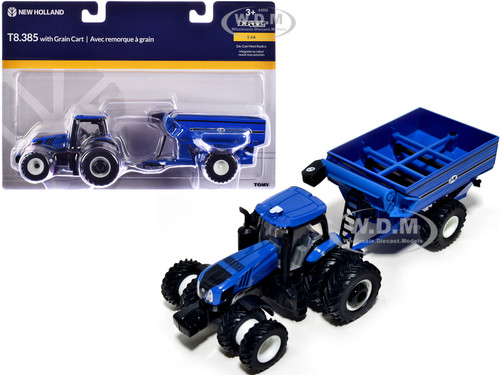
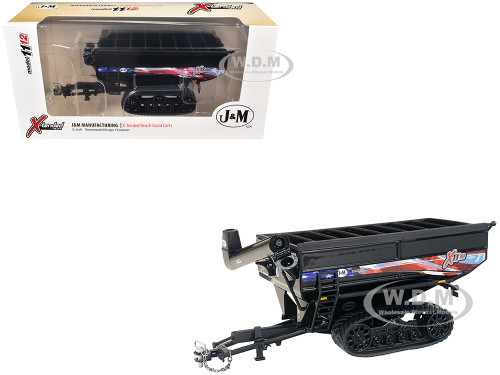
 $36.99
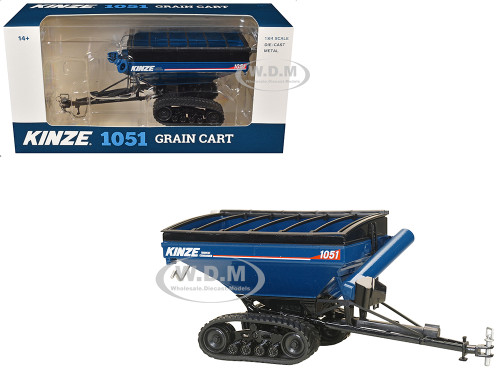 $43.99
 $40.99


 $36.99
 $36.99

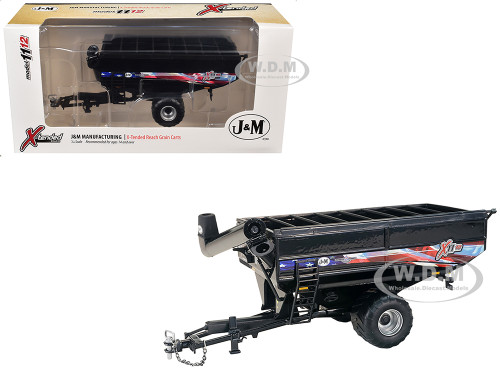


 $37.99
 $37.99
 $45.99
 $39.99
 $39.99

 $39.99
 $39.99
 $39.99
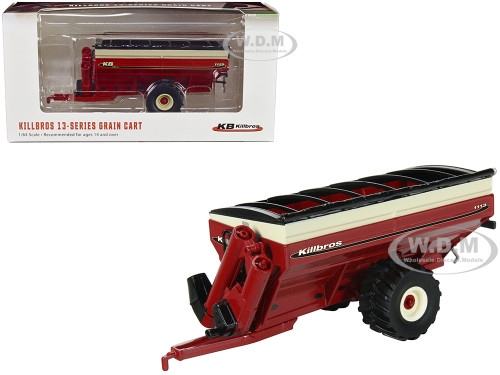 $39.99
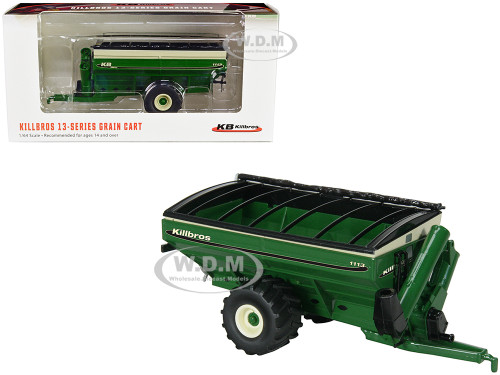 $39.99
 $39.99
 $39.99

 $37.99
 $39.99
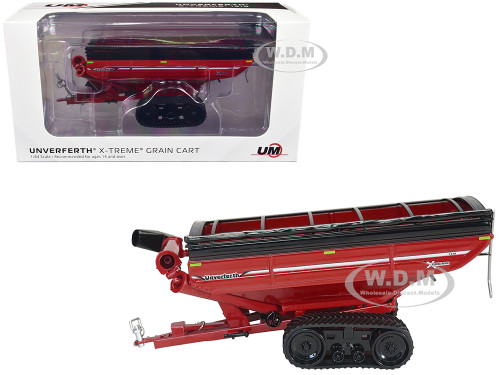 $37.99
 $37.99
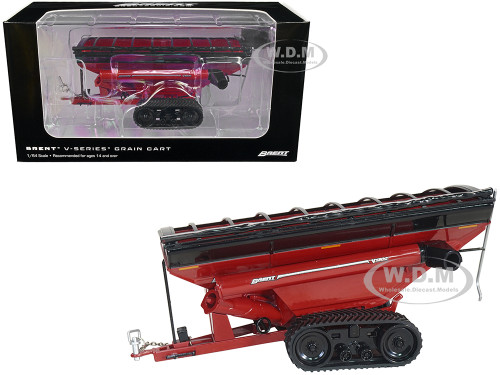 $37.99
 $37.99
 $35.99
