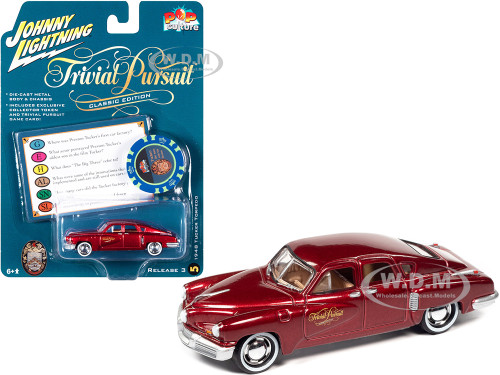
Discover Tucker diecast model cars at DiecastModelsWholesale.com and explore miniature replicas inspired by one of the most remarkable stories in American automotive history. The Tucker automobile, officially known for its innovative 1948 design, represents ambition, engineering experimentation, and a bold challenge to the established automobile industry.
For diecast collectors, the Tucker 48 is an especially interesting subject because of its distinctive styling, advanced-for-its-time features, and exceptionally limited production. Unlike automotive marques that introduced dozens of models over many decades, Tucker is remembered primarily for one groundbreaking passenger car. That singular history gives Tucker scale models a special place in collections devoted to classic American automobiles, automotive innovation, and historically significant vehicles.
Whether you collect vintage American cars, enjoy unusual automotive designs, or are looking for a miniature representation of an important chapter in automotive history, Tucker model cars offer something different from the familiar Ford, Chevrolet, and Chrysler classics.
Browse this category to explore available Tucker diecast models. Specific scales, finishes, and product features depend on the individual listings and current inventory.
The History of the Tucker Automobile
Preston Tucker's Vision for a Different Kind of Car
Preston Tucker was an American automotive entrepreneur who sought to introduce a new kind of passenger car in the years immediately following World War II. At a time when the American automobile market was dominated by established manufacturers, Tucker envisioned a vehicle that would incorporate forward-thinking engineering, distinctive styling, and an emphasis on occupant protection.
His company, Tucker Corporation, developed the automobile that became known as the Tucker 48. Although it is often informally called the Tucker Torpedo, the production vehicle is most commonly identified as the Tucker 48.
The project attracted substantial public attention because of its ambitious design and the promise of features that differed from conventional automobiles of the period. However, the company encountered significant financial, manufacturing, and legal challenges before it could establish sustained production.
The Tucker story ultimately became one of the most memorable episodes in American automotive history: an ambitious attempt to challenge the industry's major manufacturers that resulted in a car now remembered for both its engineering ideas and its rarity.
The 1948 Tucker 48
The Tucker 48 was introduced in the late 1940s with a streamlined body that looked different from many contemporary American sedans. Its low profile, rounded contours, and unusual front-end design helped distinguish it from the larger, more upright automobiles commonly seen on American roads during that era.
The vehicle was developed with several notable engineering features, including a rear-mounted flat-six engine and a central headlight designed to turn with the steering. The central light, often called the cyclops headlight, became one of the Tucker's most recognizable visual characteristics.
Other proposed or implemented safety and engineering ideas contributed to the car's reputation as an unusually ambitious design for its time. The Tucker project reflected Preston Tucker's desire to reconsider how a passenger automobile could be engineered and presented to the public.
These distinctive details make the Tucker 48 especially appealing as a diecast subject. Its recognizable front lighting arrangement, rounded body, and historical significance distinguish it from other classic American cars.
Why the Tucker 48 Is So Collectible
The Tucker 48 is notable not simply because of its styling, but because so few production examples were completed. Approximately 51 cars were built, including the prototype, making the automobile exceptionally rare in the context of American passenger-car production.
Its limited production, dramatic company history, and unusual engineering have made the Tucker 48 a familiar subject in automotive museums, historical collections, and classic-car discussions.
For diecast enthusiasts, the Tucker combines several desirable collecting characteristics:
-
Historical significance: The Tucker represents a distinctive postwar attempt to introduce new ideas into the American automobile market.
-
Recognizable styling: Its streamlined body and central headlight give it an appearance that stands apart from other 1940s American sedans.
-
Rarity of the original automobile: The small number of full-size cars produced contributes to the vehicle's enduring fascination.
-
American automotive heritage: It fits naturally into collections focused on classic American cars, postwar vehicles, and important automotive designs.
-
Conversation value: Its unusual history makes a Tucker model an interesting centerpiece for a display of historically significant automobiles.
A Tucker diecast model can therefore appeal to both traditional model-car collectors and enthusiasts who appreciate the stories behind the vehicles they collect.
Tucker Diecast Models for Classic Car Collections
Tucker scale models are particularly well suited to collections that celebrate the development of American automobile design. The Tucker 48's distinctive proportions provide an interesting contrast with other vehicles from the late 1940s and early 1950s.
Collectors may display a Tucker alongside classic American sedans, early postwar automobiles, streamlined concept vehicles, or historically important cars from established manufacturers. This type of arrangement can help illustrate the different approaches to styling and engineering that shaped the American automotive industry.
A Tucker model can also be a focal point in a collection devoted to rare and unusual automobiles. Because the original Tucker 48 was produced in such small numbers, its story differs from that of mass-produced classics that were once common on American roads.
When choosing a model, consider the specific product's representation of the original car, including its body shape, front lighting, trim, wheels, and overall finish. These details help determine how well the miniature captures the vehicle's distinctive design.
Choosing a Tucker Scale Model
Scale is an important consideration when selecting a collectible Tucker model. Different scales provide different display possibilities, and the available options depend on the particular product release.
Common model-car scales include:
-
1:12 scale: A large display format that can provide room for extensive detailing, where available.
-
1:18 scale: A popular format for displaying classic automobiles and appreciating their exterior proportions and interior features.
-
1:24 scale: A practical option for collectors who want a detailed display model without the footprint of a larger replica.
-
1:43 scale: A compact format suited to collections featuring numerous classic cars and historically significant vehicles.
Not every Tucker model is produced in every scale. Check the individual product listing to confirm the scale, dimensions, materials, finish, and any opening or moving parts.
Display and Presentation
The Tucker 48's unusual design makes it well suited to a display where the front of the vehicle can be seen clearly. Its central headlight and rounded body are among the features that distinguish it from other classic cars.
Collectors who display models in cabinets may wish to consider the miniature's dimensions, packaging, and compatibility with neighboring vehicles. Those who retain original boxes should also review the product description and packaging information when available.
As with any collectible model, the best choice depends on your personal interests, preferred scale, available display space, and the details of the specific release.
Tucker Models as Gifts for Automotive Enthusiasts
A Tucker diecast model can make a thoughtful gift for someone interested in classic American automobiles, automotive history, or unusual engineering designs.
Unlike a miniature of a widely produced passenger car, a Tucker represents a specific and memorable chapter in American automotive development. Its distinctive appearance and limited production history can make it especially appealing to enthusiasts who appreciate vehicles with compelling stories.
A Tucker model may suit several types of recipients:
-
Collectors of classic American automobiles.
-
Enthusiasts interested in postwar automotive history.
-
Hobbyists who collect unusual or historically significant vehicles.
-
Fans of streamlined automotive design.
-
Collectors building displays of rare and influential automobiles.
When selecting a gift, consider the recipient's preferred scale and display style, and confirm the product's specifications before ordering.
Explore Tucker Diecast Model Cars
The Tucker 48 remains one of America's most distinctive historic automobiles, remembered for its ambitious engineering, streamlined design, and extraordinary story. Its rarity and recognizable styling make it a compelling subject for scale-model collectors who appreciate more than just the appearance of a miniature car.
Explore the Tucker category at DiecastModelsWholesale.com to discover available Tucker diecast models and find a collectible that brings this remarkable chapter of American automotive history to your display.