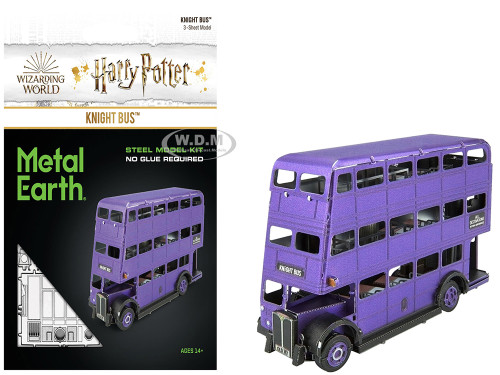
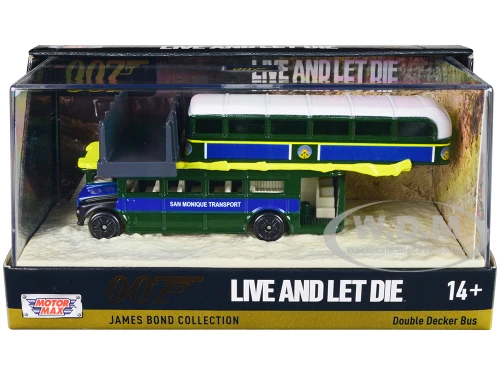
Double-Decker Bus Diecast Models
Double-decker buses are passenger vehicles designed with two levels of seating, allowing operators to carry more passengers within a relatively compact road footprint. They are especially associated with urban transportation and have become recognizable symbols of cities around the world. In diecast collecting, double-decker bus models are valued not only as miniature vehicles but also as representations of public transportation history, distinctive vehicle designs, city liveries, and famous transit systems.
The Double-Decker category at DiecastModelsWholesale.com features diecast and scale model replicas representing two-level buses from different eras and transportation systems. Depending on the model, collectors may find classic city buses, historic double-deckers, sightseeing buses, transit vehicles, and modern designs.
What Are Double-Decker Buses?
A double-decker bus has two passenger compartments arranged vertically, normally with a lower passenger deck and an upper deck. This configuration provides additional seating capacity without requiring the bus to be substantially longer.
Double-decker buses have been particularly prominent in the United Kingdom, where vehicles from London Transport and other operators became closely associated with urban life. Similar designs have also been used in other countries for city transportation, sightseeing, and specialized passenger services.
For collectors, the two-level configuration creates an especially recognizable miniature. Features such as stairways, upper-deck windows, destination boards, passenger doors, wheels, and operator liveries can make a double-decker model considerably different in appearance from a conventional single-deck bus.
A Brief History of Double-Decker Buses
The history of double-decker buses is closely connected with the development of urban public transportation. London's bus history stretches back to the 19th century, beginning with horse-drawn omnibuses before the introduction of motor buses. The London Transport Museum documents the development of London's buses from the early horse bus era through the rise of motor buses and later generations of transit vehicles.
The practical advantage of placing passengers on an upper level was the ability to increase capacity while keeping the vehicle's overall footprint suitable for busy city streets. Over time, manufacturers and transit operators developed numerous double-decker configurations, including open-top buses, enclosed city buses, sightseeing vehicles, and buses designed specifically for particular routes and operating conditions.
London became particularly famous for its double-decker buses. Historic vehicles such as the RT and Routemaster became important parts of the city's transportation heritage. The London Transport Museum's collections document numerous double-deck vehicle types, including the RT and other buses operated by London Transport and its predecessors.
The double-decker also became an enduring cultural symbol. London's Transport Museum describes early red double-decker buses among the recognizable icons represented in its collection.
Famous Double-Decker Bus Designs
London Double-Decker Buses
London's double-decker buses are among the most recognizable bus designs in the world. Their distinctive proportions, two passenger levels, destination displays, and operator liveries have made them popular subjects for transportation memorabilia and scale models.
The Routemaster, introduced during the postwar era, is particularly significant to collectors. Its distinctive design and long association with London make Routemaster scale models appealing to enthusiasts interested in British transportation history.
Earlier London buses are also represented in historical collections. The London Transport Museum's archives document a wide range of London bus types, including B-type, K-type, NS, STL, RT, and Routemaster vehicles.
Classic and Vintage Double-Deckers
Vintage double-decker buses can represent a particular period of public transportation technology. Collectors may focus on the body design, chassis, destination board, operator markings, or historical color scheme represented by a particular model.
A scale replica of a classic bus can therefore complement collections focused on vintage vehicles, transportation history, British vehicles, or historical city scenes.
Modern Double-Deckers
Double-decker buses remain part of modern public transportation in various markets. Contemporary designs can incorporate low-floor accessibility, updated passenger interiors, modern engines or alternative powertrains, and updated body styling.
For collectors, modern double-decker models provide a contrast to traditional buses and can represent the continuing evolution of urban transportation.
Double-Decker vs. Other Bus Models
The Double-Decker category is specifically focused on buses with two passenger levels. It differs from other bus categories based on the vehicle's configuration and intended use.
- Double-Decker: Two passenger levels, commonly associated with urban transit and sightseeing.
- Articulated Bus: A longer bus divided into sections by a flexible joint.
- Coach: Generally designed for longer-distance, intercity, touring, or charter transportation.
- School Bus: Designed primarily for student transportation.
- City Bus: A broad category that can include conventional single-deck transit buses as well as certain double-deck designs.
Collectors interested in related vehicles can also explore the broader Bus Diecast Models category or browse other Vehicle Type diecast models.
What to Look for When Collecting Double-Decker Diecast Models
When choosing a double-decker bus replica, collectors may want to consider several details beyond the basic vehicle type.
Vehicle and Era
The actual bus represented by a model can be an important part of its collecting appeal. A classic London bus, a postwar Routemaster, a vintage transit vehicle, and a contemporary double-decker can each represent a different period in transportation history.
Livery and Operator
Bus liveries can be just as important as the vehicle itself. Transit operators often use distinctive colors, logos, route markings, and destination signs. A model representing a particular operator or city can therefore have significance for transportation collectors.
Scale
Double-decker bus models are produced in several scales, depending on the manufacturer and specific vehicle. Common collectible scales may include 1/12, 1/18, 1/24, and 1/43, although availability varies by model.
Scale is particularly important when combining buses with other diecast vehicles or creating a transportation display. A larger scale can provide more room for details such as stairways, seats, windows, mirrors, wheels, and destination signs, while smaller scales can make it easier to display multiple vehicles together.
Construction and Detail
Collectors may also compare the level of exterior and interior detailing. Depending on the model, details can include opening components, realistic wheels and tires, painted or printed destination displays, detailed interiors, visible seating, upper-deck windows, stairways, and manufacturer-specific body features.
Double-Decker Buses as Transportation Collectibles
Double-decker models appeal to several types of collectors. Some concentrate on British transportation and London buses, while others collect buses by manufacturer, operator, city, historical period, or scale.
They can also work particularly well in broader transportation displays. A collection might combine a vintage double-decker with conventional city buses, coaches, taxis, emergency vehicles, trucks, and automobiles to illustrate different forms of road transportation.
For collectors interested in transportation history, a double-decker replica can also represent more than a particular vehicle. It can document changing approaches to passenger capacity, urban mobility, vehicle engineering, and city design.
Building a Bus Collection
A double-decker bus can serve as a starting point for a broader bus collection or as a specialized addition to an existing display. Collectors might organize models chronologically, by geographic region, by operator, by manufacturer, or by scale.
Those interested in London transportation can focus on historically significant bus designs and liveries. Others may prefer modern transit buses, sightseeing vehicles, or double-deckers from different cities and countries.
If your collection extends beyond buses, you can also explore related categories such as Coach Diecast Models, Articulated Bus Diecast Models, and other vehicle types available at DiecastModelsWholesale.com.
Shop Double-Decker Bus Diecast Models
Whether you collect historic London transportation, British buses, city transit vehicles, or simply enjoy distinctive scale replicas, the Double-Decker category brings together models built around one of the most recognizable passenger-vehicle configurations.
Browse the available double-decker bus diecast models at DiecastModelsWholesale.com to compare vehicles, scales, designs, and historical styles and find additions that fit your collection or display.