Grand Prix racing models bring the history and character of major international motor races into collectible scale. This category is designed for collectors and motorsport enthusiasts looking for Grand Prix model cars, diecast Grand Prix race cars, Formula 1 replicas, and racing models associated with famous circuits, drivers, teams, and events.
The term "Grand Prix" comes from French for "big prize" and is used in motorsport for individual races within a championship or racing series. In Formula 1, each championship race is known as a Grand Prix, making Grand Prix models a broad collecting category that can represent many different circuits, countries, teams, drivers, and racing eras.
Browse our Racing Models collection to explore more scale race cars and motorsport replicas, or visit Formula 1 for F1-specific models.
What Are Grand Prix Racing Models?
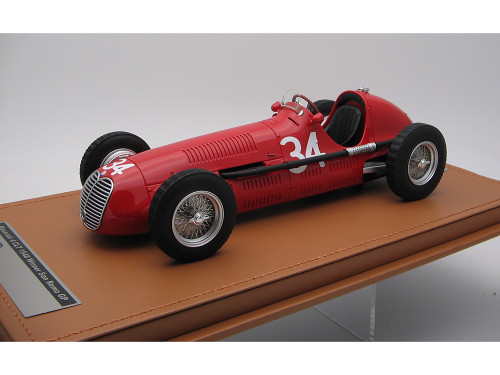
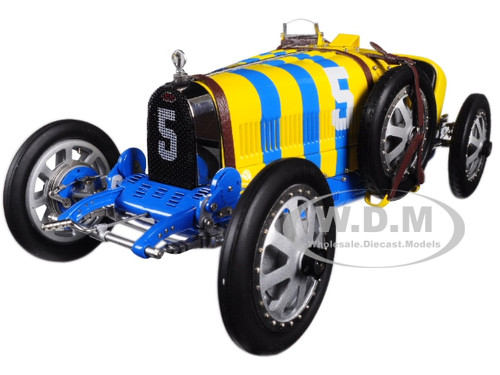
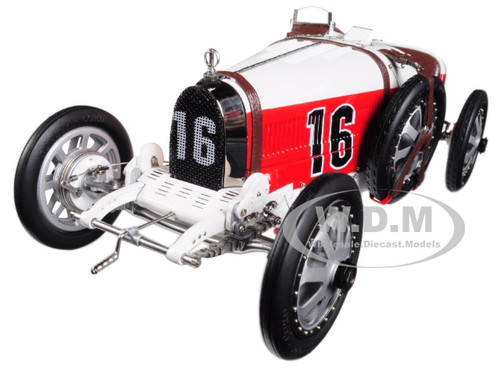
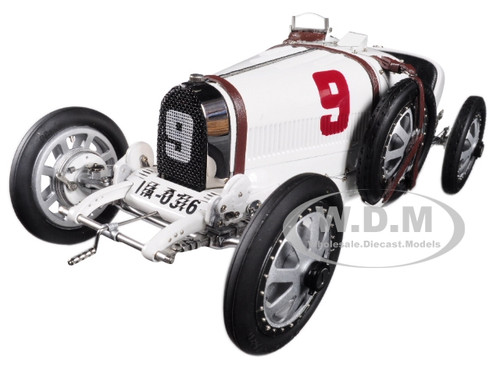
Grand Prix racing models are scale replicas connected with major Grand Prix events and the cars that competed in them. A model may represent a specific race entry, season, driver, team, manufacturer, or racing livery.
Unlike a category focused on one circuit or racing series, Grand Prix models can cover a wide range of motorsport history. A collection might include cars from European classics, modern Formula 1 races, historic Grand Prix events, or specific national Grand Prix competitions.
Depending on the available models, shoppers may find:
- Formula 1 Grand Prix race cars
- Historic Grand Prix cars
- Race-winning cars
- Championship-season cars
- Driver-specific Grand Prix models
- Team and constructor replicas
- Grand Prix liveries
- Circuit-specific race entries
- Historic and modern open-wheel race cars
- Special-edition and commemorative racing models
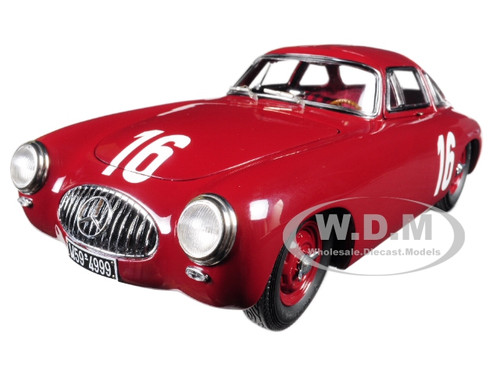
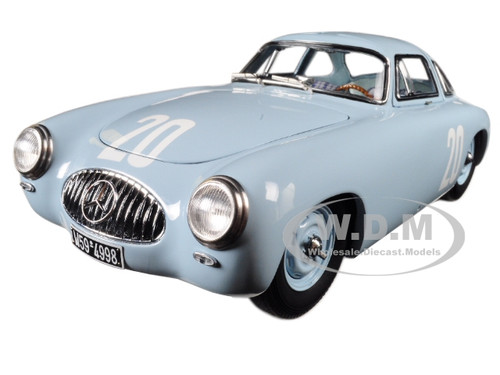
The individual product details are important because a model representing a particular Grand Prix can differ from another version of the same car through its race number, driver, livery, circuit, or season.
The History of Grand Prix Racing
Grand Prix racing developed from the international motor races that became popular during the early decades of automobile competition. The French term "Grand Prix" became associated with major events, and the expression eventually became part of the vocabulary of international motorsport.
Formula 1 provides the most familiar modern example. The FIA Formula One World Championship began in 1950, with the inaugural championship race held at Silverstone in Great Britain on May 13. Giuseppe "Nino" Farina won that race driving an Alfa Romeo 158 and went on to become the first Formula 1 World Champion.
Since then, Grand Prix racing has expanded across Europe and around the world. Formula 1's calendar has included races in North and South America, Asia, Australia, the Middle East, and other regions, creating an extensive history of circuits, cars, teams, and drivers for collectors to explore.
Grand Prix Models and Formula 1
Formula 1 is closely associated with the term Grand Prix. Each F1 race is a Grand Prix, and individual races form part of the season-long Drivers' and Constructors' Championships.
This makes Grand Prix models particularly useful for collectors who want to build a collection around specific F1 events rather than collecting only by team or driver.
For example, a collector could focus on cars from:
- Monaco Grand Prix
- British Grand Prix
- Italian Grand Prix
- Belgian Grand Prix
- French Grand Prix
- German Grand Prix
- Japanese Grand Prix
- Canadian Grand Prix
- Australian Grand Prix
- United States Grand Prix
A Grand Prix collection can therefore become a visual record of different circuits and racing environments around the world.
Collecting Models by Grand Prix
One of the most interesting approaches is to collect cars according to the specific Grand Prix they represent.
A Grand Prix-specific collection might include several cars from the same event across different years. This allows collectors to compare how Formula 1 cars changed at the same circuit over time.
For example, a collection centered on the British Grand Prix could contain cars from several generations of F1 competition at Silverstone. The circuit hosted the first Formula 1 World Championship race in 1950, giving it an especially important place in Grand Prix history.
Another approach is to collect a single driver's cars from different Grand Prix events. This can create a chronological display of a driver's career while also showing different teams, chassis, liveries, and technical eras.
Famous Grand Prix Circuits
Grand Prix models can be connected with some of the world's best-known racing circuits.
Monaco Grand Prix
The Monaco Grand Prix is associated with the narrow streets and distinctive setting of Monte Carlo. Models representing Monaco entries can be especially recognizable because of the circuit's unique environment and the importance of the event within Formula 1 history.
British Grand Prix
Silverstone hosted the inaugural Formula 1 World Championship race in 1950 and remains one of the sport's historic venues. Grand Prix models associated with Silverstone can therefore represent some of the earliest and most modern generations of Formula 1 cars.
Italian Grand Prix
Monza is one of the most recognizable names in Formula 1 and is known for its high-speed character. The circuit has hosted the Italian Grand Prix throughout most of Formula 1's championship history.
Belgian Grand Prix
Spa-Francorchamps has become one of the signature circuits of international Grand Prix racing. Its long lap, elevation changes, and fast sections have made it an important subject for motorsport enthusiasts and collectors.
Japanese Grand Prix
Suzuka is another distinctive Grand Prix venue, recognized for its technical layout and long association with Formula 1. Cars representing Japanese Grand Prix entries can add a different circuit theme to an F1 collection.
United States Grand Prix
The United States has hosted Formula 1 races at several circuits over the years. Modern Grand Prix collections can include American race entries alongside European and Asian events, reflecting the international character of the championship.
Collecting by Driver
Driver-based collecting gives Grand Prix models an additional historical dimension. A collection can follow a particular driver's career from one team or era to another, or focus on the cars associated with specific victories and championship seasons.
When comparing driver models, look for the exact:
- Driver name
- Race number
- Grand Prix
- Season
- Team
- Chassis
- Livery
- Race result or championship significance
These details can distinguish two visually similar cars and help ensure that a model represents the particular Grand Prix event you want to add to your collection.
Collecting by Team and Constructor
Team-based collecting provides another way to explore Grand Prix history. A collection can follow one constructor through several generations of racing technology or compare cars from different teams competing during the same period.
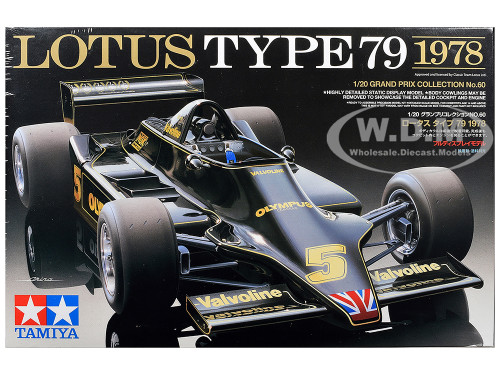
Ferrari, McLaren, Williams, Lotus, Mercedes, Red Bull Racing, Alfa Romeo, Renault and many other teams have contributed to Formula 1's Grand Prix history.
A team collection can be organized chronologically, showing how colors, sponsorship graphics, aerodynamic designs, and car configurations changed from one season to the next.
Historic and Modern Grand Prix Cars
Grand Prix models can represent dramatically different generations of racing machinery.
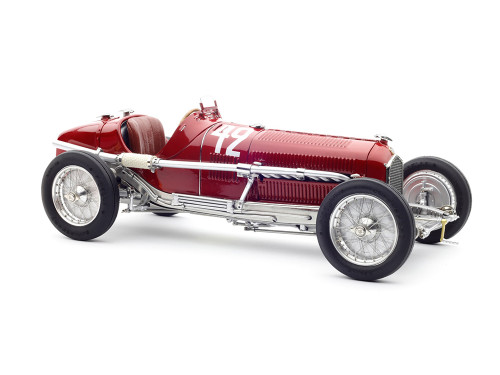
Historic cars from the 1950s and 1960s typically have relatively simple open-wheel designs compared with contemporary Formula 1 cars. Later decades introduced increasingly sophisticated aerodynamics, wings, ground-effect concepts, turbocharged engines, electronics, hybrid power units, and advanced materials.
Modern Formula 1 cars are highly specialized machines shaped by detailed technical regulations covering areas such as aerodynamics, power units, weight, safety equipment, fuel systems, and other technical features.
This technical evolution makes Grand Prix models useful not only as racing collectibles but also as miniature representations of automotive engineering history.
Choosing the Right Grand Prix Model Scale
Scale is an important consideration when building a Grand Prix collection. Different scales offer different balances between physical size, detail, and the number of cars that can be displayed together.
1:12 Grand Prix Models
1:12 models provide a large display format that can work particularly well for centerpiece cars or highly detailed individual replicas.
1:18 Grand Prix Models
1:18 is a popular scale for collectors who want a substantial display model while retaining a manageable footprint. It is well suited to individual race cars and detailed driver or team collections.
1:24 Grand Prix Models
1:24 provides a useful middle-sized format for collectors who want several cars without the footprint of larger models.
1:43 Grand Prix Models
1:43 is particularly practical for collecting multiple Grand Prix cars. Its smaller size makes it easier to create displays organized by driver, team, race, or season.
Always check the individual product listing for exact scale, dimensions, manufacturer, and other specifications before purchasing.
Building a Grand Prix Collection
There is no single way to build a Grand Prix collection. The broad nature of the category makes it possible to create a display around almost any aspect of racing history.
Consider collecting by:
- Grand Prix event
- Circuit
- Driver
- Team
- Constructor
- Season
- Championship
- Race victory
- Racing era
- Race number
- Livery
- Model scale
A circuit-based collection can show different generations of cars at the same Grand Prix. A driver-based collection can document a career across multiple races and teams. A championship collection can focus on cars associated with important title-winning seasons.
For collectors interested in more specialized subjects, our Formula 1 category provides a dedicated selection of F1 models.
Grand Prix Display Ideas
Grand Prix models work well as individual display pieces or as part of a larger motorsport presentation.
A chronological arrangement can show the evolution of racing design. Grouping cars by Grand Prix can create a circuit-focused display, while driver- or team-based arrangements can tell a more personal racing story.
Collectors can also expand a racing scene with Dioramas & Scenes, Figures & Figurine Sets, and Accessories.
For individual feature cars or valuable collections, Display Cases and Display Stands & Turntables can provide a dedicated presentation.
What to Look For When Buying a Grand Prix Model
Before purchasing a Grand Prix diecast model, verify the details that identify the exact race entry. A model's appearance alone may not tell you which Grand Prix or season it represents.
Important specifications can include:
- Grand Prix and circuit
- Race year
- Driver
- Team or constructor
- Vehicle or chassis
- Race number
- Livery
- Scale
- Model manufacturer
- Diecast construction
- Special-edition status, when applicable
These details are especially important when collecting multiple versions of the same car or driver.
Explore Grand Prix Racing Models
Grand Prix racing connects individual race cars with some of the most recognizable circuits, drivers, teams, and moments in motorsport history. From the first Formula 1 World Championship race at Silverstone to modern Grand Prix events around the world, each race provides another opportunity to collect a specific piece of racing history.
Whether you are searching for a Grand Prix diecast car, Formula 1 race model, historic Grand Prix replica, driver-specific model, team car, or circuit-focused collectible, browse the Grand Prix collection at DiecastModelsWholesale.com and find a racing model that fits your collection.


 $669.99
 $669.99
 $669.99
 $669.99

 $400.99
 $400.99
 $400.99
 $597.99
 $597.99
 $403.99
 $403.99