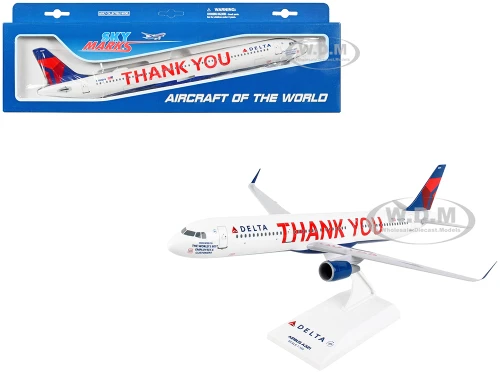
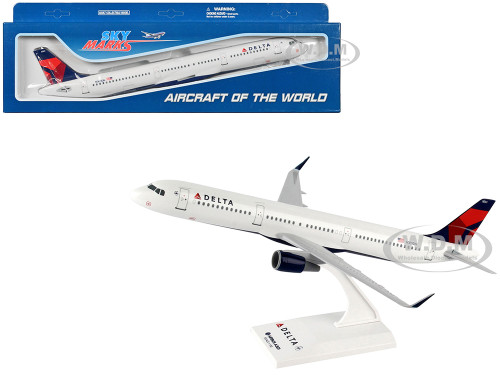
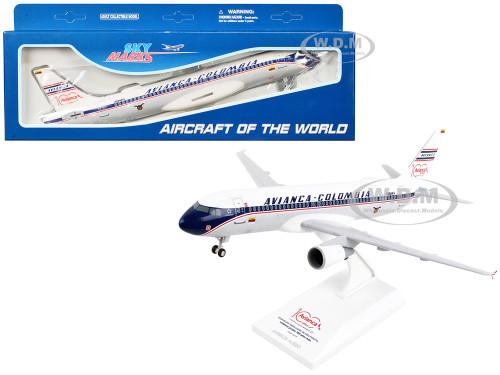
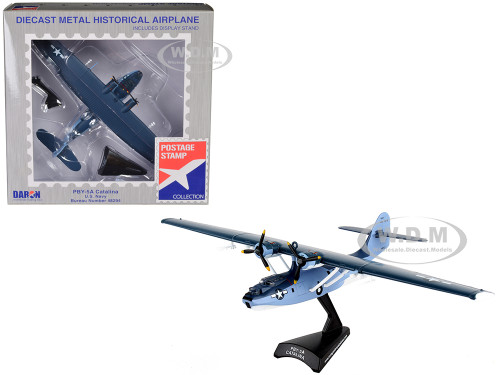
1/150 scale diecast models are compact replicas produced at one one-hundred-fiftieth of the dimensions of the original vehicle or subject. This specialized scale is particularly relevant to Japanese transportation and railway modeling, where 1/150 is widely used for many N-scale road vehicles and railway subjects.
At 1/150 scale, every linear measurement of the original is reduced to 1/150 of its real-world size. A full-size vehicle measuring 15 feet long, for example, would be approximately 1.2 inches long as a mathematically exact 1/150 model.
The compact size makes 1/150 useful for collectors who want to represent cars, buses, trucks, commercial vehicles, and other transportation subjects without requiring a large display area. It is also particularly useful for creating miniature streets, cities, railway stations, industrial areas, and other scenes where multiple vehicles can be displayed together.
What Does 1/150 Scale Mean?
The basic scale calculation is:
Model dimension = actual dimension ÷ 150
This applies to length, width, height, and other linear measurements. The actual size of a 1/150 model therefore depends on the size of the original vehicle.
For example:
- A 15-foot automobile would be approximately 1.2 inches long.
- A 30-foot bus would be approximately 2.4 inches long.
- A 45-foot coach would be approximately 3.6 inches long.
- A 150-foot real-world subject would be approximately 12 inches long.
These examples demonstrate why 1/150 can work so well for transportation displays. Even relatively large real-world vehicles remain manageable at this scale.
The scale itself does not mean that every 1/150 model will be the same physical size. A large bus, truck, or train will naturally be bigger than a passenger car produced at the same scale.
Why Collect 1/150 Scale Diecast Models?
Compact Transportation Collecting
One of the biggest advantages of 1/150 is its compact footprint. Collectors can represent a broad selection of vehicles while using considerably less shelf space than larger scales.
This makes the scale particularly appealing for collectors interested in building a miniature transportation environment rather than displaying only individual vehicles.
A collection can include passenger cars, buses, trucks, emergency vehicles, delivery vehicles, and other road-going subjects while still fitting comfortably into a relatively small display.
Excellent for Miniature Scenes
The small size of 1/150 models makes them useful for creating complete scenes.
Instead of displaying one vehicle on an isolated shelf, collectors can create environments such as:
- City streets
- Railway stations
- Bus terminals
- Parking areas
- Industrial districts
- Construction sites
- Freight facilities
- Residential neighborhoods
- Commercial areas
- Transportation hubs
A few appropriately positioned vehicles can add considerable context to a miniature scene.
Particularly Relevant to Japanese Modeling
The 1/150 ratio has an important connection with Japanese N-scale transportation modeling. Many Japanese railway and road vehicle models use 1/150, making the scale especially relevant to collectors interested in Japanese railways, buses, automobiles, and urban transportation.
This also makes 1/150 an interesting choice for collectors building displays inspired by Japanese cities and transportation networks.
What Can You Expect to Find in 1/150 Scale?
The selection of 1/150 scale diecast models can vary according to current manufacturer production and availability. Because this is a specialized scale, shoppers should review individual product specifications rather than assume that every type of vehicle is routinely produced in 1/150.
Depending on current availability, subjects can include:
- Passenger cars
- Buses
- Coaches
- Trucks
- Delivery vehicles
- Commercial vehicles
- Emergency vehicles
- Construction and utility vehicles
- Transportation-related subjects
- Railway-related vehicles
- Japanese transportation subjects
The compact nature of the scale makes it especially suitable for vehicles that need to coexist with buildings, roads, trains, and scenery in a miniature environment.
1/150 Scale and N Scale Model Railroading
One of the most important things to understand about 1/150 is its relationship with N scale model railroading.
N scale is a model railroad category rather than one universal scale ratio. Different modeling traditions use somewhat different scale ratios within the broader N-scale family.
In Japanese modeling, 1/150 is commonly used for standard-gauge railway subjects and associated road vehicles, while 1/160 is also encountered within N-scale modeling in other markets and applications. This distinction matters when building a layout because the scale of the trains, vehicles, buildings, and scenery should ideally work together visually.
For diecast collectors, this means 1/150 vehicles can be particularly useful as accessories for compatible N-scale layouts.
Building a 1/150 Transportation Display
A 1/150 collection can be much more than a group of individual vehicles. Its compact dimensions make it possible to build a miniature transportation environment around the models.
City Streets
Passenger cars, taxis, buses, delivery vans, and emergency vehicles can be arranged along streets and intersections. Buildings, signs, sidewalks, and other scenery can help establish a convincing urban environment.
Railway Stations
Vehicles can be positioned around station entrances, parking areas, taxi stands, and bus stops. These details help connect the railway to the surrounding city.
Industrial Areas
Trucks and commercial vehicles can be used around warehouses, factories, loading areas, and freight facilities.
Construction Scenes
Construction vehicles and utility trucks can represent an area undergoing development. Even a small number of appropriately placed vehicles can make a miniature construction site feel active.
1/150 Scale Vehicles for Collectors
Collectors can approach 1/150 from several different directions.
Some may focus specifically on Japanese vehicles and transportation, while others may use the scale for N-scale railroad layouts. Another collector might simply appreciate the compact size and use 1/150 models as part of a broader transportation collection.
Possible themes include:
- Japanese automobiles
- Japanese buses and coaches
- Urban transportation
- Commercial fleets
- Emergency services
- Construction vehicles
- Delivery and logistics
- Classic transportation
- Modern transportation
- Railway-related vehicles
A themed collection can be particularly effective at this scale because several vehicles can be displayed together without requiring a large amount of space.
1/150 Compared With Nearby Scales
Understanding the relationship between 1/150 and nearby scales can help collectors choose models that work together.
- 1/120 — Larger than 1/150 and produces a noticeably larger model of the same subject.
- 1/130 — Larger than 1/150.
- 1/140 — Slightly larger than 1/150.
- 1/144 — Slightly larger than 1/150 and commonly encountered in compact aircraft modeling.
- 1/145 — Slightly larger than 1/150.
- 1/148 — Slightly larger than 1/150 and associated with N-scale modeling in some markets.
- 1/150 — A compact scale with a particularly strong Japanese transportation and modeling connection.
- 1/160 — Smaller than 1/150 and widely used for N-scale modeling in other markets.
The difference between 1/148 and 1/150 is small. For the same real-world subject, a 1/148 model is only about 1.4% larger in linear dimensions than a 1/150 model.
Similarly, 1/150 and 1/160 are relatively close, but they are not identical. A 1/150 model is approximately 6.7% larger in each linear dimension than a 1/160 model of the same subject.
For collectors building a precisely matched display, it is best to use the stated manufacturer scale rather than treating nearby ratios as interchangeable.
Choosing a 1/150 Diecast Model
When selecting a 1/150 scale diecast model, consider both the individual vehicle and how it will be used in the collection.
Check the Exact Scale
Confirm that the product is actually listed as 1/150. This is particularly important when shopping for compact transportation models because several nearby scales can appear visually similar.
Consider the Subject
Decide whether the model is intended for a standalone collection, an N-scale railroad, a Japanese transportation display, or a larger miniature city scene.
Review the Dimensions
The scale tells you the proportional relationship, but the actual dimensions depend on the original vehicle. Check the listed length and width when available, particularly when planning a layout or display case.
Look at Markings and Details
For transportation collectors, colors, fleet markings, operator names, registrations, and other details can be important. These features can help a small model represent a particular vehicle, operator, or historical period.
Think About Compatibility
If the model will be placed alongside buildings, trains, or other vehicles, consider whether those items were designed for the same or a compatible scale.
Displaying 1/150 Scale Models
The compact nature of 1/150 makes display options especially flexible.
A small shelf can accommodate several vehicles, while a larger layout can incorporate dozens of individual elements into a complete miniature environment.
For a Japanese transportation theme, consider organizing models around a city street, railway station, bus terminal, or commercial district. For a more general transportation display, group vehicles according to type, era, or function.
If the models are being used with a railroad layout, placement can make a major difference. Vehicles parked near buildings, stopped at intersections, positioned at loading docks, or waiting outside a station can make the surrounding environment feel more realistic.
A display case can also help protect smaller models from dust and accidental handling.
Building a 1/150 Scale Collection
There is no single right way to build a 1/150 collection.
A collector interested in Japanese transportation might concentrate on domestic automobiles, buses, commercial vehicles, and other road traffic. Another collector might build a miniature city where each vehicle contributes to the overall scene.
A collection can also be organized chronologically. Classic vehicles can represent an earlier period of transportation, while modern buses, cars, trucks, and emergency vehicles can represent a contemporary environment.
Because the models are compact, collectors can explore multiple themes without the space requirements associated with larger diecast scales.
The Appeal of 1/150 Scale
The appeal of 1/150 scale diecast models is closely connected to their combination of compact size, transportation focus, and compatibility with miniature scenes.
For collectors interested in Japanese transportation and N-scale modeling, 1/150 can be particularly meaningful. For other enthusiasts, it offers a practical way to build a detailed collection when shelf space is limited.
The scale also encourages a different approach to collecting. Rather than focusing exclusively on the individual model, collectors can think about how vehicles interact with roads, buildings, trains, stations, and other elements of a miniature environment.
That ability to create a complete scene is one of the strongest reasons to consider 1/150.
Find 1/150 Scale Diecast Models
Whether you are building an N-scale transportation scene, collecting Japanese vehicles, expanding a compact diecast collection, or looking for models that fit a detailed miniature environment, 1/150 scale diecast models offer an interesting and versatile format.
Browse the current 1/150 selection at DiecastModelsWholesale.com to explore the available vehicles and find models that complement your collection, display, or miniature transportation layout.





 $11.19Was $13.99Save 20%