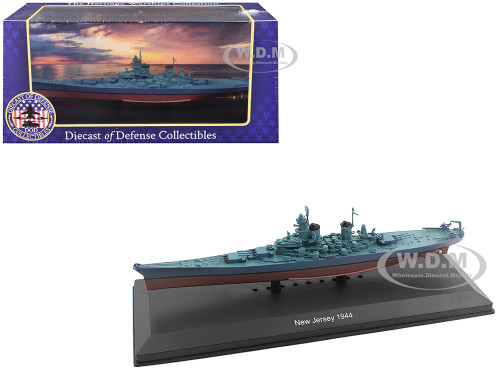
1/1100 Scale Diecast Models
1/1100 scale diecast models are highly compact collectibles representing real-world subjects at one-thousand-one-hundredth of their full-size linear dimensions. This uncommon scale is especially useful for collectors interested in large prototypes, compact displays, and specialized miniature models.
At 1/1100 scale, substantial ships, aircraft, military subjects, transportation models, and other large prototypes can be represented in a remarkably small format. The scale is therefore well suited to collectors who want to display multiple subjects while keeping overall shelf and cabinet space under control.
Because 1/1100 is an uncommon scale compared with more established formats such as 1/400, 1/500, 1/600, 1/700, and 1/1000, product selection can be more specialized. Availability depends on the manufacturer and subject, so shoppers should review each individual listing for the exact prototype, materials, dimensions, and display configuration.
What Does 1/1100 Scale Mean?
The 1/1100 scale ratio means that one unit on the model represents 1,100 of the same units on the original subject.
For example:
- A 1,100-foot prototype would be approximately 12 inches long.
- A 1,000-foot prototype would be approximately 10.91 inches long.
- A 800-foot prototype would be approximately 8.73 inches long.
- A 700-foot prototype would be approximately 7.64 inches long.
- A 500-foot prototype would be approximately 5.45 inches long.
- A 300-foot prototype would be approximately 3.27 inches long.
- A 200-foot prototype would be approximately 2.18 inches long.
- A 100-foot prototype would be approximately 1.09 inches long.
These examples demonstrate why 1/1100 can be particularly effective for large subjects. A prototype that would require substantial display space in 1/400, 1/500, or 1/700 can become much more manageable at 1/1100.
The exact dimensions of each model depend on the size of its real-world prototype.
A Specialized Compact Scale
1/1100 is best considered a specialized compact scale rather than a general-purpose automotive scale. Collectors are more likely to encounter this type of ratio in subjects where reducing the physical size of a large prototype is useful.
Depending on current availability, 1/1100 scale models may include:
- Large ships
- Naval vessels
- Commercial vessels
- Aircraft
- Military subjects
- Transportation models
- Historical subjects
- Specialty miniatures
The actual selection can vary significantly. Collectors should use the individual product description to determine the exact subject and construction.
For shoppers, the appeal is often less about owning a large physical model and more about having a recognizable representation of an interesting prototype in an efficient display format.
1/1100 Scale and Large Ships
Large maritime subjects are particularly well suited to compact scales.
At 1/1100 scale, a 900-foot ship would be approximately 9.82 inches long, while a 600-foot vessel would measure approximately 6.55 inches.
This allows major ships to retain a useful physical presence without requiring the large display area associated with larger ship-modeling scales.
Depending on the product, collectors may encounter subjects such as:
- Aircraft carriers
- Battleships
- Cruisers
- Destroyers
- Submarines
- Frigates
- Passenger ships
- Cargo vessels
- Historic ships
- Support and auxiliary vessels
A 1/1100 collection can be organized around a particular navy, historical period, ship type, manufacturer, or individual class.
For collectors building a fleet display, the compact nature of the scale can make it possible to represent a much larger number of vessels within a fixed amount of shelf space.
1/1100 Scale Aircraft
Aircraft can also be produced at 1/1100, although the finished models will generally be much smaller than large ships because most aircraft have shorter overall dimensions.
For example:
- A 200-foot aircraft would be approximately 2.18 inches long.
- A 150-foot aircraft would be approximately 1.64 inches long.
- A 100-foot aircraft would be approximately 1.09 inches long.
- A 60-foot aircraft would be approximately 0.65 inches long.
This compact format can appeal to aviation collectors who want to represent a large number of aircraft without dedicating an entire shelf to each model.
Depending on availability, 1/1100 aircraft may include commercial, military, cargo, or transport subjects. Because models at this scale can be very small, shoppers should pay close attention to product dimensions and the manufacturer's stated level of detail.
1/1100 Compared With Other Scales
Comparing 1/1100 with nearby scales helps put its physical size into perspective.
1/1000 Scale
1/1000 is slightly larger than 1/1100. An equivalent 1/1000 model is approximately 10% larger linearly than a 1/1100 model.
The difference is relatively modest, but it can become noticeable when comparing large models side by side.
1/1100 and 1/1000
Because these scales are close, collectors may encounter products that appear similar in overall size. They are nevertheless different ratios, so a collection intended to maintain exact scale consistency should keep the distinction in mind.
1/1200 Scale
1/1200 is smaller than 1/1100. An equivalent 1/1100 model is approximately 9.1% larger linearly than a 1/1200 model.
Both are compact scales that can be useful for large prototypes and space-conscious displays.
1/700 Scale
1/700 is substantially larger than 1/1100. An equivalent 1/700 model is approximately 57.1% larger linearly than a 1/1100 model.
For a large ship, this difference can translate into several additional inches of model length.
1/400 Scale
The difference is even greater with 1/400. An equivalent 1/400 model is 175% larger linearly than a 1/1100 model, or 2.75 times the linear dimensions.
This illustrates the major space advantage of 1/1100 for very large prototypes.
Why Collectors Choose 1/1100
Collectors may choose 1/1100 scale for several reasons.
Efficient Display
The smaller dimensions allow more models to fit into a cabinet, shelf, or desktop display.
Large Prototype Subjects
A large ship, aircraft, or transportation subject can be represented without producing an oversized model.
Fleet Collections
Collectors can create broad displays featuring numerous vessels or aircraft while keeping the individual models compact.
Specialized Scale Collecting
Uncommon scales can be attractive to collectors who enjoy exploring formats beyond the mainstream 1/18, 1/24, 1/43, 1/64, and other widely collected ratios.
Subject Availability
Sometimes the scale of a particular collectible is determined by the manufacturer or the product series. For collectors who want a specific prototype, accepting an uncommon scale may provide access to subjects that are not available in a preferred scale.
Building a 1/1100 Collection
A collection can be organized in several different ways.
By Subject
Collectors can focus on naval vessels, commercial ships, military aircraft, transportation, or another specialized category.
By Historical Era
A display could represent a particular period, such as World War II, the Cold War, or the modern era.
By Country
Collectors interested in military history can organize models by navy, air force, or country of origin.
By Prototype Class
For ship collectors, comparing different vessels within a particular class can be an effective way to explore the history and development of a type of ship.
The consistent 1/1100 ratio makes it easier to compare the relative dimensions of different prototypes.
Choosing a 1/1100 Scale Model
Because 1/1100 is a specialized scale, shoppers should examine individual product specifications before purchasing.
Verify the Prototype
Confirm the exact aircraft, vessel, vehicle, or other subject represented by the model.
Check the Dimensions
Scale determines the ratio, but the prototype determines the finished size. A 1/1100 model of a 1,000-foot ship will be considerably longer than a 1/1100 model of a 100-foot aircraft.
Check Construction
Product materials can vary. Depending on the specific model, construction may include diecast metal, plastic, or other components.
Check the Display Configuration
For ship models, check whether the product is presented as a full-hull or waterline model when applicable. Also verify whether a base or display stand is included.
Consider Detail Versus Size
The compact nature of 1/1100 is one of its strengths, but the small physical dimensions mean some features will naturally be represented on a smaller scale than they would be in 1/400, 1/500, or 1/700.
Displaying 1/1100 Scale Models
The small footprint of 1/1100 models gives collectors considerable flexibility.
They can be displayed in:
- Glass display cabinets
- Compact shelving
- Desktop cases
- Fleet arrangements
- Historical displays
- Transportation collections
- Maritime displays
- Themed dioramas
For large collections, arranging models chronologically or by prototype size can create a visually interesting presentation.
Collectors can also combine 1/1100 models with nearby compact scales, although models should be clearly identified by scale if accurate proportional relationships are important.
1/1100 for Space-Conscious Collectors
For collectors with limited display space, the biggest benefit of 1/1100 may simply be the ability to collect more large subjects in less physical space.
A fleet of large ships that would require substantial shelving in 1/500 or 1/700 can be represented much more compactly at 1/1100. This makes the scale especially attractive when the goal is to build a broad collection rather than focus on a small number of large centerpiece models.
Shop 1/1100 Scale Diecast Models
If you enjoy large ships, aviation, military history, transportation, or unusual miniature scales, 1/1100 scale diecast models provide a compact way to represent substantial real-world subjects.
Browse the available 1/1100 scale models at DiecastModelsWholesale.com, review the individual product details and dimensions, and find a specialized collectible that fits your interests, collection, and available display space.