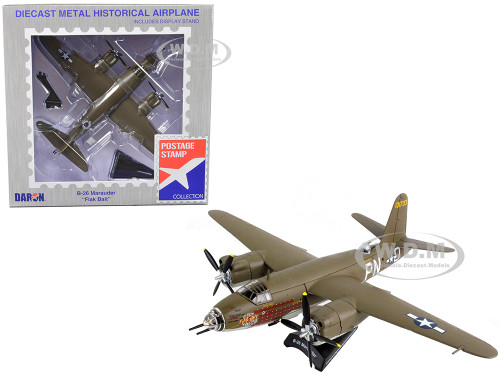
Martin Diecast Models
Martin is a name associated with an important chapter in American aviation history. The Glenn L. Martin Company designed and produced military aircraft that served in major conflicts and helped shape the development of aviation during the 20th century. From World War II bombers to Cold War-era patrol and experimental aircraft, Martin-built designs have a lasting place in military aviation history.
The Martin diecast models category at Diecast Models Wholesale is intended for aviation enthusiasts, military aircraft collectors, and hobbyists interested in historic American aircraft. Depending on current availability, Martin-related collectibles may represent aircraft such as the B-26 Marauder, B-29 Superfortress, and P5M Marlin, along with other designs associated with the company's history and its later corporate successors.
Martin aircraft are especially interesting to collectors because they represent different roles in aviation, including medium bombing, strategic bombing, maritime patrol, and flying-boat operations. Their designs reflect the changing demands of military aviation, from wartime production to the development of long-range aircraft and advanced aerospace technology.
Whether you collect World War II aircraft, Cold War military aviation models, or historic American aircraft, Martin diecast models can add an important piece of aviation history to your display.
The History of the Glenn L. Martin Company
The Glenn L. Martin Company was founded in 1912 by aviation pioneer Glenn Luther Martin. The company became one of the significant American aircraft manufacturers of the early and mid-20th century, developing aircraft for military and commercial purposes as aviation technology advanced.
During the years between the world wars, aircraft manufacturers explored new designs, materials, engines, and manufacturing methods. Martin contributed to this development through a series of military aircraft projects, eventually becoming particularly well known for its bomber designs.
World War II brought an enormous expansion of American aircraft production. Martin manufactured aircraft for the United States military, including medium bombers and other specialized types. These aircraft supported operations in multiple theaters and became part of the broader story of wartime aviation engineering and industrial production.
Martin and World War II Aviation
Martin's wartime aircraft are among the most recognizable subjects associated with the company. Its B-26 Marauder became a notable medium bomber, while its involvement in the B-29 Superfortress program connected the company to one of the most technologically advanced American aircraft of the war.
For collectors, World War II Martin aircraft provide opportunities to explore aircraft that served different purposes and operated under different conditions. Medium bombers, heavy bombers, and other military aircraft differed in size, range, engine configuration, and mission requirements.
Diecast models allow these differences to be appreciated at a manageable display size. Features such as wing shape, engine nacelles, tail configuration, defensive gun positions, and historical markings help distinguish one aircraft from another.
Notable Martin Military Aircraft
Several Martin aircraft stand out for their engineering, operational history, and appeal to aviation collectors.
Martin B-26 Marauder
The B-26 Marauder was a twin-engine medium bomber developed for the U.S. Army Air Corps and introduced during World War II. Its design emphasized speed and performance, including a relatively small wing for its weight, which contributed to demanding takeoff and landing characteristics.
The aircraft served in the Mediterranean and European theaters, supporting Allied operations with tactical bombing missions. Although early training accidents gave the Marauder a difficult reputation, the aircraft developed a strong combat record as crews gained experience and later versions incorporated improvements.
For diecast collectors, the B-26 is one of the most recognizable Martin aircraft. Its twin-engine layout, distinctive fuselage, glazed nose, and defensive gun positions make it an interesting subject for a World War II aircraft display.
Martin B-29 Superfortress Production
The B-29 Superfortress was designed by Boeing, but the Glenn L. Martin Company manufactured B-29s under a wartime production program at its Nebraska facility. This contribution connected Martin to one of the most significant American aircraft programs of World War II.
The B-29's large wings, four engines, pressurized crew compartments, and advanced systems represented a major step in long-range bomber development. Aircraft built at the Martin-operated plant included the Enola Gay and Bockscar, which later became historically associated with the atomic bombings of Hiroshima and Nagasaki.
Collectors interested in this period should distinguish between aircraft designed by Martin and aircraft manufactured by Martin under contract. A B-29 may be relevant to the company's manufacturing history without being a Martin-designed aircraft.
Martin PBM Mariner
The PBM Mariner was a twin-engine flying boat developed for the U.S. Navy. It served in maritime patrol, reconnaissance, and anti-submarine warfare roles during World War II and the postwar period.
Its high-mounted wing, large hull, and distinctive twin-engine arrangement give it a very different appearance from conventional land-based bombers. The PBM is particularly appealing to collectors interested in naval aviation, patrol aircraft, and flying boats.
A Martin PBM Mariner model can add variety to a collection dominated by fighters and bombers, illustrating how military aviation extended beyond traditional runway-based aircraft.
Martin P5M Marlin
The P5M Marlin, later redesignated P-5 Marlin, was a postwar flying boat designed for maritime patrol. It entered service in the early 1950s and was used by the U.S. Navy, with variants also serving other operators.
Developed from the earlier Mariner, the Marlin featured a refined hull and a distinctive single-fin tail. Its design reflected the continuing importance of long-range maritime surveillance during the early Cold War.
For collectors, the P5M Marlin represents an interesting transition from wartime flying boats to specialized postwar naval aircraft. Its large hull and unusual proportions make it stand out alongside conventional military airplanes.
Martin B-57 Canberra
The Martin B-57 Canberra was an American-built version of the British-designed English Electric Canberra jet bomber. Martin produced the aircraft for the United States, adapting it for American military requirements.
The B-57 represented a shift from piston-engine bombers to jet-powered aircraft. Its streamlined shape, swept wings, and twin jet engines contrast sharply with the propeller-driven Marauder and Mariner.
Collectors interested in the Cold War period may find the B-57 particularly appealing because it illustrates the changing technologies and mission requirements of postwar military aviation.
Martin Aircraft Beyond Bombers
Martin's aviation history extends well beyond its best-known bombers. The company also developed flying boats, patrol aircraft, experimental aircraft, and commercial airliners.
Martin Flying Boats and Maritime Aviation
Flying boats were designed to take off from and land on water, making them useful for long-distance transportation, maritime patrol, and rescue operations. Before large airports and long runways became widespread, they also played an important role in commercial aviation.
Martin's flying boats included the PBM Mariner and the larger JRM Mars. These aircraft demonstrate the company's experience with large hulls, high-mounted wings, and long-range operations over water.
Collectors who appreciate unusual aircraft designs may enjoy adding flying boats to a display of traditional land-based military aircraft.
Martin Experimental and Jet Aircraft
The postwar era brought rapid advances in jet propulsion, aerodynamics, and high-speed flight. Martin participated in this transition with experimental aircraft and jet-powered military designs.
Aircraft such as the XB-48 and XB-51 explored different approaches to bomber performance and configuration, although neither entered large-scale production. These projects reflect the experimental nature of military aviation during the transition from propeller-driven aircraft to jets.
Although experimental aircraft may be less familiar to casual aviation fans, they can be particularly interesting to collectors who enjoy engineering history and uncommon aircraft designs.
Choosing Martin Diecast Aircraft Models
When selecting a Martin aircraft collectible, consider the aircraft's historical period, mission, and design features. These details can help you choose a model that complements your interests.
-
Aircraft type: Decide whether you prefer World War II bombers, maritime patrol aircraft, flying boats, or Cold War-era jets.
-
Historical period: A B-26 Marauder represents wartime aviation, while a P5M Marlin or B-57 Canberra reflects postwar military technology.
-
Aircraft markings: Unit insignia, national markings, nose art, and squadron identifiers can distinguish one version from another.
-
Model accuracy: Check the aircraft designation, variant, and represented period in the product description.
-
Level of detail: Depending on the model, details may include propellers, landing gear, engine nacelles, cockpit glazing, turrets, and other aircraft-specific features.
-
Scale and dimensions: Compare the listed scale and measurements to make sure the model suits your display space.
-
Display arrangement: Consider whether the model will be displayed individually or alongside other aircraft from the same conflict, service branch, or historical period.
Features and materials vary by manufacturer and product. Review each product's description and photographs to confirm its specifications rather than assuming that every Martin aircraft model includes the same level of detail or functionality.
Understanding Aircraft Model Scales
Scale indicates the relationship between the model's dimensions and those of the real aircraft. A 1:72 scale model, for example, is one seventy-second of the full-size aircraft's dimensions.
Aircraft are available in different scales, and the best choice depends on the particular product and your display plans. Larger models can make individual features easier to appreciate but require more space, while smaller models allow collectors to display several aircraft together.
When building a collection of Martin aircraft, consider selecting a consistent scale where possible. This can make it easier to compare different aircraft and create a cohesive display. However, even models in the same scale can vary considerably in size because real aircraft differ in wingspan, length, and overall proportions.
For large aircraft such as the B-29 Superfortress or JRM Mars, checking the actual model dimensions is especially important before purchasing.
Building a Martin and American Aviation Collection
Martin models can form the centerpiece of a collection dedicated to American military aviation or complement aircraft from other manufacturers.
A World War II display might feature the B-26 Marauder alongside other medium bombers and fighters from the same era. A naval aviation collection could combine the PBM Mariner and P5M Marlin with patrol aircraft, carrier-based aircraft, and other maritime designs.
For a Cold War theme, the B-57 Canberra offers a useful contrast with earlier piston-engine aircraft. Displaying aircraft by period helps illustrate how engine technology, aerodynamic design, and military requirements changed over time.
Collectors may also choose to organize their models by mission. Bombers, patrol aircraft, flying boats, and experimental aircraft each represent different approaches to aviation engineering. Grouping models in this way can make a collection more informative and visually varied.
Shop Martin Diecast Models at Diecast Models Wholesale
Martin aircraft represent an important part of American aviation history, from the World War II B-26 Marauder to maritime patrol flying boats and postwar jet aircraft. Their varied designs offer plenty of interest for military aviation enthusiasts, historic aircraft collectors, and hobbyists building displays around particular eras or aircraft types.
Explore the Martin category at Diecast Models Wholesale to discover available aviation collectibles and compare the aircraft, markings, and details that best suit your interests. Whether you are drawn to World War II bombers, naval flying boats, or Cold War jet aircraft, find a model that adds a meaningful piece of aviation history to your collection.
Category Description
Martin Diecast Models – Military Aircraft and Aviation Collectibles
Martin is a name associated with an important chapter in American aviation history. The Glenn L. Martin Company designed and produced military aircraft that served in major conflicts and helped shape the development of aviation during the 20th century. From World War II bombers to Cold War-era patrol and experimental aircraft, Martin-built designs have a lasting place in military aviation history.
The Martin diecast models category at Diecast Models Wholesale is intended for aviation enthusiasts, military aircraft collectors, and hobbyists interested in historic American aircraft. Depending on current availability, Martin-related collectibles may represent aircraft such as the B-26 Marauder, B-29 Superfortress, and P5M Marlin, along with other designs associated with the company's history and its later corporate successors.
Martin aircraft are especially interesting to collectors because they represent different roles in aviation, including medium bombing, strategic bombing, maritime patrol, and flying-boat operations. Their designs reflect the changing demands of military aviation, from wartime production to the development of long-range aircraft and advanced aerospace technology.
Whether you collect World War II aircraft, Cold War military aviation models, or historic American aircraft, Martin diecast models can add an important piece of aviation history to your display.
The History of the Glenn L. Martin Company
The Glenn L. Martin Company was founded in 1912 by aviation pioneer Glenn Luther Martin. The company became one of the significant American aircraft manufacturers of the early and mid-20th century, developing aircraft for military and commercial purposes as aviation technology advanced.
During the years between the world wars, aircraft manufacturers explored new designs, materials, engines, and manufacturing methods. Martin contributed to this development through a series of military aircraft projects, eventually becoming particularly well known for its bomber designs.
World War II brought an enormous expansion of American aircraft production. Martin manufactured aircraft for the United States military, including medium bombers and other specialized types. These aircraft supported operations in multiple theaters and became part of the broader story of wartime aviation engineering and industrial production.
Martin and World War II Aviation
Martin's wartime aircraft are among the most recognizable subjects associated with the company. Its B-26 Marauder became a notable medium bomber, while its involvement in the B-29 Superfortress program connected the company to one of the most technologically advanced American aircraft of the war.
For collectors, World War II Martin aircraft provide opportunities to explore aircraft that served different purposes and operated under different conditions. Medium bombers, heavy bombers, and other military aircraft differed in size, range, engine configuration, and mission requirements.
Diecast models allow these differences to be appreciated at a manageable display size. Features such as wing shape, engine nacelles, tail configuration, defensive gun positions, and historical markings help distinguish one aircraft from another.
Notable Martin Military Aircraft
Several Martin aircraft stand out for their engineering, operational history, and appeal to aviation collectors.
Martin B-26 Marauder
The B-26 Marauder was a twin-engine medium bomber developed for the U.S. Army Air Corps and introduced during World War II. Its design emphasized speed and performance, including a relatively small wing for its weight, which contributed to demanding takeoff and landing characteristics.
The aircraft served in the Mediterranean and European theaters, supporting Allied operations with tactical bombing missions. Although early training accidents gave the Marauder a difficult reputation, the aircraft developed a strong combat record as crews gained experience and later versions incorporated improvements.
For diecast collectors, the B-26 is one of the most recognizable Martin aircraft. Its twin-engine layout, distinctive fuselage, glazed nose, and defensive gun positions make it an interesting subject for a World War II aircraft display.
Martin B-29 Superfortress Production
The B-29 Superfortress was designed by Boeing, but the Glenn L. Martin Company manufactured B-29s under a wartime production program at its Nebraska facility. This contribution connected Martin to one of the most significant American aircraft programs of World War II.
The B-29's large wings, four engines, pressurized crew compartments, and advanced systems represented a major step in long-range bomber development. Aircraft built at the Martin-operated plant included the Enola Gay and Bockscar, which later became historically associated with the atomic bombings of Hiroshima and Nagasaki.
Collectors interested in this period should distinguish between aircraft designed by Martin and aircraft manufactured by Martin under contract. A B-29 may be relevant to the company's manufacturing history without being a Martin-designed aircraft.
Martin PBM Mariner
The PBM Mariner was a twin-engine flying boat developed for the U.S. Navy. It served in maritime patrol, reconnaissance, and anti-submarine warfare roles during World War II and the postwar period.
Its high-mounted wing, large hull, and distinctive twin-engine arrangement give it a very different appearance from conventional land-based bombers. The PBM is particularly appealing to collectors interested in naval aviation, patrol aircraft, and flying boats.
A Martin PBM Mariner model can add variety to a collection dominated by fighters and bombers, illustrating how military aviation extended beyond traditional runway-based aircraft.
Martin P5M Marlin
The P5M Marlin, later redesignated P-5 Marlin, was a postwar flying boat designed for maritime patrol. It entered service in the early 1950s and was used by the U.S. Navy, with variants also serving other operators.
Developed from the earlier Mariner, the Marlin featured a refined hull and a distinctive single-fin tail. Its design reflected the continuing importance of long-range maritime surveillance during the early Cold War.
For collectors, the P5M Marlin represents an interesting transition from wartime flying boats to specialized postwar naval aircraft. Its large hull and unusual proportions make it stand out alongside conventional military airplanes.
Martin B-57 Canberra
The Martin B-57 Canberra was an American-built version of the British-designed English Electric Canberra jet bomber. Martin produced the aircraft for the United States, adapting it for American military requirements.
The B-57 represented a shift from piston-engine bombers to jet-powered aircraft. Its streamlined shape, swept wings, and twin jet engines contrast sharply with the propeller-driven Marauder and Mariner.
Collectors interested in the Cold War period may find the B-57 particularly appealing because it illustrates the changing technologies and mission requirements of postwar military aviation.
Martin Aircraft Beyond Bombers
Martin's aviation history extends well beyond its best-known bombers. The company also developed flying boats, patrol aircraft, experimental aircraft, and commercial airliners.
Martin Flying Boats and Maritime Aviation
Flying boats were designed to take off from and land on water, making them useful for long-distance transportation, maritime patrol, and rescue operations. Before large airports and long runways became widespread, they also played an important role in commercial aviation.
Martin's flying boats included the PBM Mariner and the larger JRM Mars. These aircraft demonstrate the company's experience with large hulls, high-mounted wings, and long-range operations over water.
Collectors who appreciate unusual aircraft designs may enjoy adding flying boats to a display of traditional land-based military aircraft.
Martin Experimental and Jet Aircraft
The postwar era brought rapid advances in jet propulsion, aerodynamics, and high-speed flight. Martin participated in this transition with experimental aircraft and jet-powered military designs.
Aircraft such as the XB-48 and XB-51 explored different approaches to bomber performance and configuration, although neither entered large-scale production. These projects reflect the experimental nature of military aviation during the transition from propeller-driven aircraft to jets.
Although experimental aircraft may be less familiar to casual aviation fans, they can be particularly interesting to collectors who enjoy engineering history and uncommon aircraft designs.
Choosing Martin Diecast Aircraft Models
When selecting a Martin aircraft collectible, consider the aircraft's historical period, mission, and design features. These details can help you choose a model that complements your interests.
-
Aircraft type: Decide whether you prefer World War II bombers, maritime patrol aircraft, flying boats, or Cold War-era jets.
-
Historical period: A B-26 Marauder represents wartime aviation, while a P5M Marlin or B-57 Canberra reflects postwar military technology.
-
Aircraft markings: Unit insignia, national markings, nose art, and squadron identifiers can distinguish one version from another.
-
Model accuracy: Check the aircraft designation, variant, and represented period in the product description.
-
Level of detail: Depending on the model, details may include propellers, landing gear, engine nacelles, cockpit glazing, turrets, and other aircraft-specific features.
-
Scale and dimensions: Compare the listed scale and measurements to make sure the model suits your display space.
-
Display arrangement: Consider whether the model will be displayed individually or alongside other aircraft from the same conflict, service branch, or historical period.
Features and materials vary by manufacturer and product. Review each product's description and photographs to confirm its specifications rather than assuming that every Martin aircraft model includes the same level of detail or functionality.
Understanding Aircraft Model Scales
Scale indicates the relationship between the model's dimensions and those of the real aircraft. A 1:72 scale model, for example, is one seventy-second of the full-size aircraft's dimensions.
Aircraft are available in different scales, and the best choice depends on the particular product and your display plans. Larger models can make individual features easier to appreciate but require more space, while smaller models allow collectors to display several aircraft together.
When building a collection of Martin aircraft, consider selecting a consistent scale where possible. This can make it easier to compare different aircraft and create a cohesive display. However, even models in the same scale can vary considerably in size because real aircraft differ in wingspan, length, and overall proportions.
For large aircraft such as the B-29 Superfortress or JRM Mars, checking the actual model dimensions is especially important before purchasing.
Building a Martin and American Aviation Collection
Martin models can form the centerpiece of a collection dedicated to American military aviation or complement aircraft from other manufacturers.
A World War II display might feature the B-26 Marauder alongside other medium bombers and fighters from the same era. A naval aviation collection could combine the PBM Mariner and P5M Marlin with patrol aircraft, carrier-based aircraft, and other maritime designs.
For a Cold War theme, the B-57 Canberra offers a useful contrast with earlier piston-engine aircraft. Displaying aircraft by period helps illustrate how engine technology, aerodynamic design, and military requirements changed over time.
Collectors may also choose to organize their models by mission. Bombers, patrol aircraft, flying boats, and experimental aircraft each represent different approaches to aviation engineering. Grouping models in this way can make a collection more informative and visually varied.
Shop Martin Diecast Models at Diecast Models Wholesale
Martin aircraft represent an important part of American aviation history, from the World War II B-26 Marauder to maritime patrol flying boats and postwar jet aircraft. Their varied designs offer plenty of interest for military aviation enthusiasts, historic aircraft collectors, and hobbyists building displays around particular eras or aircraft types.
Explore the Martin category at Diecast Models Wholesale to discover available aviation collectibles and compare the aircraft, markings, and details that best suit your interests. Whether you are drawn to World War II bombers, naval flying boats, or Cold War jet aircraft, find a model that adds a meaningful piece of aviation history to your collection.



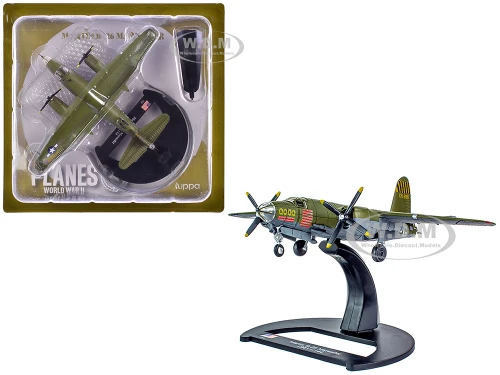 $30.95