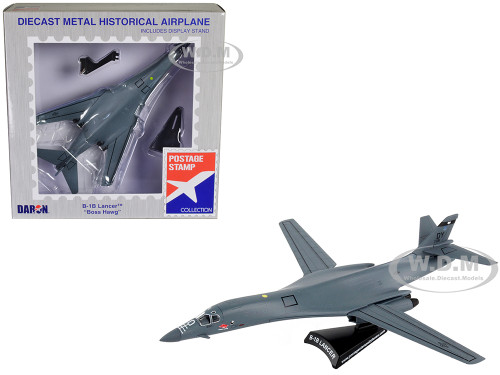
1/221 scale diecast models represent real-world vehicles at approximately one two-hundred-and-twenty-first of their original size. This is an uncommon scale, making it particularly relevant to collectors looking for specialized models produced outside the most familiar diecast and aircraft scales.
At 1/221 scale, the finished dimensions depend on the size of the original vehicle. For example, a 200-foot-long aircraft would be approximately 10.9 inches long at this scale, while a 100-foot aircraft would be approximately 5.4 inches long. The actual dimensions of each model will vary according to the subject's full-size dimensions.
Because 1/221 is close to 1/200 and 1/250, it can be useful to compare these neighboring scales when planning a collection or deciding how a particular model will fit into an existing display. For collectors who prioritize exact scale, however, 1/221 should be treated as its own scale rather than simply interchangeable with nearby formats.
What Does 1/221 Scale Mean?
A scale ratio describes the relationship between a model and the real vehicle it represents. In a 1/221 scale model, one unit on the model corresponds to 221 of the same units on the original.
Some approximate examples include:
- A 20-foot vehicle would be about 1.09 inches long.
- A 40-foot vehicle would be about 2.17 inches long.
- A 100-foot aircraft would be about 5.43 inches long.
- A 150-foot aircraft would be about 8.14 inches long.
- A 200-foot aircraft would be about 10.86 inches long.
- A 250-foot aircraft would be about 13.57 inches long.
These calculations illustrate the scale relationship and are not substitutes for the manufacturer's listed model dimensions.
The ratio applies to every linear dimension. An aircraft's fuselage length, wingspan, tail height, and other dimensions are reduced proportionally when represented at 1/221 scale.
Why Collect 1/221 Scale Diecast Models?
The appeal of 1/221 diecast models comes from their specialized nature as well as their compact display size. Collectors sometimes encounter an unusual scale because a particular aircraft, vehicle, airline, or livery is especially important to their collection.
Rather than choosing a model only because it belongs to a common scale, an enthusiast may prioritize the subject itself. An uncommon scale can therefore become a natural part of a collection built around a particular theme.
The compact format can also make 1/221 practical for collectors who want models that have more presence than very small aircraft scales while requiring less space than many larger aircraft models.
Potential advantages include:
- Compact display dimensions
- A specialized scale for focused collections
- Compatibility with displays centered around nearby compact scales
- A useful format for aircraft and transportation subjects
- An opportunity to collect less-common model subjects
As with other uncommon scales, selection can vary depending on current manufacturer production and availability.
What Can You Expect to Find?
The exact assortment of 1/221 scale models depends on the products currently available. Compact aircraft and transportation subjects are natural possibilities for this scale, while other specialized vehicles may also be represented when manufacturers produce them at 1/221.
Depending on availability, shoppers may encounter:
- Commercial aircraft
- Airline aircraft
- Cargo aircraft
- Transport aircraft
- Military aircraft
- Aviation collectibles
- Transportation models
- Other specialized scale vehicles
Since 1/221 is not a standardized mainstream scale across all diecast categories, it is especially important to check the individual product listing. Product photographs, specifications, dimensions, subject identification, manufacturer information, and included accessories can help determine exactly what you are purchasing.
1/221 Scale Aircraft Models
Aircraft are particularly suitable for compact scales because their real-world size can make larger models difficult to display.
A 1/221 aircraft model provides a recognizable representation while maintaining a relatively manageable footprint. A large wide-body airliner will naturally be considerably larger than a small regional aircraft at the same scale, particularly in wingspan.
For aviation collectors, the identity of a model extends beyond the aircraft type. The airline, livery, registration, aircraft variant, and historical configuration can all contribute to its collecting appeal.
A 1/221 aviation collection might be organized around:
- A particular airline
- Aircraft manufacturers
- Specific aircraft families
- Commercial aviation
- Cargo aviation
- Military aviation
- Historical aircraft
- Airline liveries
- Personal travel experiences
When purchasing an aircraft model, pay attention to the exact variant. Aircraft within the same family can differ in fuselage length, engines, wings, and other characteristics.
1/221 Scale Airline Models
Airline collectors can use compact aircraft scales to represent individual aircraft or build themed fleet displays.
A collection might feature several aircraft operated by the same airline or compare different airlines using the same aircraft family. Another approach is to collect aircraft representing different generations of commercial aviation.
Important details to check when selecting an airline model include:
- Aircraft type and variant
- Airline and livery
- Registration, when provided
- Fuselage markings
- Tail design
- Engine configuration
- Display stand or accessories
- Listed model dimensions
The livery can be particularly important to collectors because airline branding can distinguish otherwise similar aircraft.
1/221 Scale Military Aircraft
Depending on current availability, 1/221 military aircraft models can provide another option for compact aviation displays.
Military collectors can organize their models around countries, air forces, aircraft families, historical periods, or specific conflicts. Fighters, bombers, transports, patrol aircraft, and other military aviation subjects may be represented when produced in this scale.
Markings can play an important role in identifying a military aircraft model. National insignia, camouflage schemes, squadron markings, unit identifiers, and historical configurations can make one version of an aircraft significantly different from another.
When shopping for a military model, verify the aircraft designation and markings in the product information to make sure the model represents the subject you want.
Choosing a 1/221 Diecast Model
Verify the Exact Scale
If you maintain a scale-specific collection, confirm that the model is listed as 1/221 scale. Nearby scales such as 1/200 and 1/250 can have similar-looking dimensions but are not the same scale.
Identify the Subject
Review the complete product name and specifications. For aircraft, look for the exact aircraft type or variant, airline or military operator, markings, and other identifying information.
Check the Dimensions
The scale ratio alone does not tell you the finished size of a model. A wide-body aircraft can require substantially more shelf space than a smaller aircraft at the same scale.
Check the listed length, wingspan, or other dimensions when available and compare them with your intended display area.
Consider Model Features
Different models can have different construction methods and features. Product photographs and specifications can help you determine whether a particular model includes a display stand, landing gear, movable components, or other features important to you.
1/221 vs. Nearby Scales
Comparing neighboring scales can help put 1/221 into perspective.
- 1/144 — Larger than 1/221 and provides a more substantial aircraft display.
- 1/200 — Very close to 1/221, but approximately 10.5% larger in each linear dimension.
- 1/221 — An uncommon compact scale positioned between 1/200 and 1/250.
- 1/250 — Smaller than 1/221 and offers a more compact representation of the same subject.
- 1/400 — Significantly smaller; a 1/400 model has approximately half the linear dimensions of a 1/200 model of the same subject.
The difference between 1/200 and 1/221 is noticeable but not dramatic. A 200-foot aircraft would be about 12 feet long at 1/200 scale and approximately 10.9 feet at 1/221—illustrating the proportional difference without requiring a specific aircraft type.
For a strict scale collection, even relatively small differences matter. For a general display, the visual difference may be less important than the subject, livery, manufacturer, and available display space.
Building a 1/221 Scale Collection
An uncommon scale can give a collection a distinctive focus. Instead of collecting solely by scale, enthusiasts can establish a theme based on their interests.
For example, an airline collector could focus on different aircraft operated by one carrier. A military enthusiast could build a collection around aircraft from a particular country or historical period. Another collector might concentrate on aircraft families or historically significant liveries.
If you already own 1/200 or 1/250 models, 1/221 models may be visually close enough to work within a broader compact aircraft display. However, collectors seeking strict scale accuracy should keep each model's exact scale clearly identified.
Maintaining a simple record of each model's scale, aircraft type, operator, manufacturer, and other identifying details can also help keep a specialized collection organized.
Displaying 1/221 Scale Models
The relatively compact format of 1/221 makes it suitable for shelves, display cabinets, desks, and dedicated aviation displays. Large aircraft can still require considerable width because of their wingspan, so available space should be considered before purchasing.
Leave sufficient clearance around each model to prevent wings, engines, landing gear, tails, or other delicate components from contacting neighboring pieces.
For a more organized presentation, arrange models by airline, aircraft family, manufacturer, historical era, country, or mission. A themed display can make a small collection more visually cohesive and easier to appreciate.
The Appeal of an Uncommon Scale
Not every collector is interested only in the most common scales. 1/221 scale diecast models can appeal to enthusiasts who value specialized subjects, unusual production scales, and models that fit a particular place in an existing collection.
The scale is particularly worthwhile when the subject has significance to the collector. A specific airline, aircraft, military subject, or historical livery can be the reason to purchase a model regardless of whether the scale is widely used.
Its position between 1/200 and 1/250 also makes 1/221 an interesting choice for collectors evaluating compact aircraft displays. When choosing between models, consider the exact scale alongside the subject, dimensions, markings, construction, features, and available display space.
Find 1/221 Scale Diecast Models
Explore the 1/221 scale diecast models at Diecast Models Wholesale to find specialized compact models for your collection and display. Review the scale, subject, dimensions, markings, and product features to find a model that matches your collecting interests.
Browse the 1/221 scale category and discover an uncommon format for aviation enthusiasts, diecast collectors, hobbyists, and collectors searching for specialized scale models.