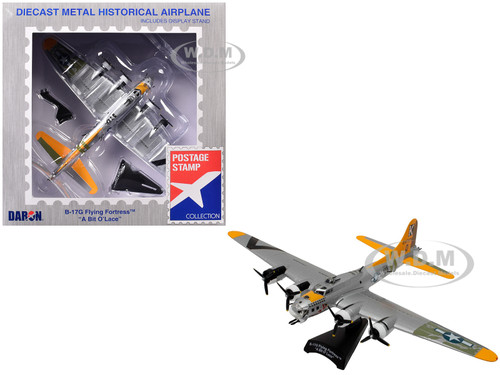
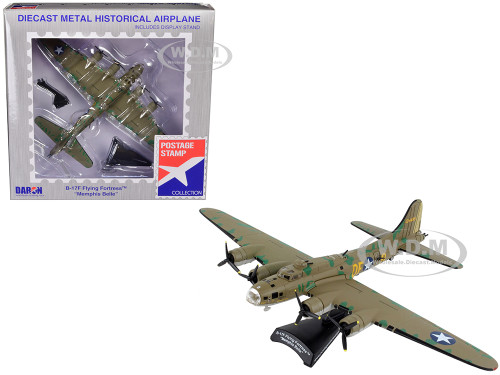
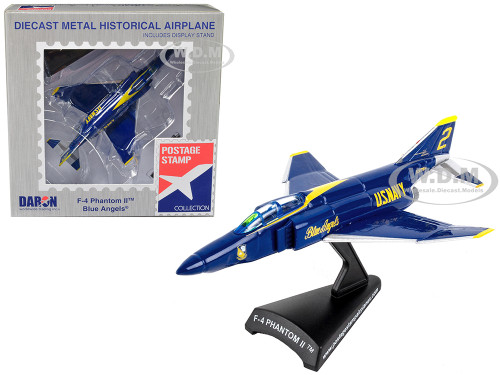
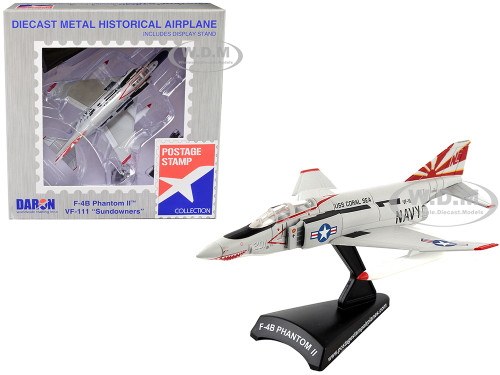
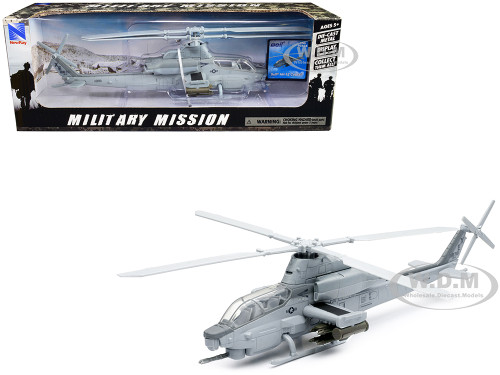
Welcome to the 1/155 scale diecast models category at DiecastModelsWholesale.com. The 1/155 scale is an uncommon compact scale that appeals to collectors looking for smaller display models, specialized subjects, and diecast vehicles that fit comfortably into space-conscious collections.
A 1/155 scale model represents an object at approximately 1/155 of its real-world size. For example, a 155-foot-long vehicle or aircraft would be approximately 1 foot long in 1/155 scale. Because the actual dimensions of vehicles vary significantly, the finished size of a 1/155 model will depend on the subject being reproduced.
Unlike widely established scales such as 1/18, 1/24, 1/43, 1/50, 1/64, and 1/144, 1/155 scale diecast models are relatively uncommon. That makes this category particularly useful for shoppers who are searching for a specific model at this scale rather than simply looking for a general miniature vehicle.
What Does 1/155 Scale Mean?
Scale is a proportional relationship between a model and its full-size counterpart. In a 1/155 scale model, one unit of measurement on the miniature represents 155 of the same units on the original vehicle.
For example:
- 1 inch on the model represents 155 inches on the real vehicle.
- 1 centimeter on the model represents 155 centimeters on the real vehicle.
- A 31-foot-long vehicle would be approximately 2.4 inches long in 1/155 scale.
- A 50-foot-long aircraft would be approximately 3.9 inches long in 1/155 scale.
These calculations are useful when planning a display, but actual product dimensions can vary because manufacturers may use approximate scales, account for production requirements, or reproduce subjects that are themselves available in different configurations.
Why Collect 1/155 Scale Diecast Models?
The main attraction of an uncommon scale such as 1/155 is its compact size. Collectors can display multiple subjects without requiring the amount of shelf space associated with larger models.
A compact model can also be useful when the subject itself is large. Aircraft, commercial vehicles, transportation equipment, and other sizable subjects can become difficult to display in larger scales. A smaller scale allows collectors to represent these subjects while keeping the overall collection manageable.
1/155 scale can also be appealing to collectors who organize their models around a particular subject, manufacturer, airline, transportation company, military unit, historical period, or other theme. When the exact model and scale are important to the collection, an uncommon scale can be preferable to choosing a visually similar model simply because it is more widely available.
What Can You Expect to Find in 1/155 Scale?
Because 1/155 is a specialized scale, the selection can vary according to current production and availability. Depending on the models offered, shoppers may encounter subjects such as:
Aircraft and Aviation Models
The compact proportions of 1/155 can make the scale suitable for aviation-related subjects. Smaller aircraft models require less display space, while larger aircraft can still have enough physical presence to be recognizable as individual display pieces.
Collectors interested in aviation may look for:
- Commercial and passenger aircraft
- Airline liveries
- Military aircraft
- Transport and cargo aircraft
- Helicopters
- Specialty aviation subjects
When collecting aircraft at an uncommon scale, always check the manufacturer's stated scale and the product dimensions rather than assuming that similarly sized models are interchangeable.
Transportation and Commercial Vehicles
Depending on the available products, 1/155 may also appear in transportation-oriented subjects. Buses, trucks, commercial vehicles, and other large road-going equipment can be represented in compact form.
These models can work particularly well in collections where the goal is to represent a broad fleet rather than concentrate on large individual display pieces.
Military and Specialty Subjects
Compact military and specialty models may also be produced in less-common scales. Depending on current availability, collectors may find vehicles or equipment associated with different military, transportation, or industrial themes.
For historical collections, scale consistency can be especially important. A 1/155 model can provide a useful addition when the specific subject is available at this scale and matches the collector's intended display.
1/155 Scale Compared With Nearby Scales
Because 1/155 is an uncommon scale, comparing it with nearby scales can help shoppers understand its relative size.
- 1/144 — Slightly larger than 1/155. This is an established compact scale, particularly for aircraft and aviation models.
- 1/150 — Slightly larger than 1/155 and another specialized compact scale used for certain transportation subjects.
- 1/155 — A compact, uncommon scale suited to specialized collections and space-conscious displays.
- 1/160 — Slightly smaller than 1/155 and widely associated with N-scale modeling in many markets.
- 1/200 — Noticeably smaller than 1/155 and particularly common for compact aircraft displays.
- 1/400 — Much smaller, allowing large aircraft collections to occupy relatively little space.
The differences between nearby scales can be small in terms of individual dimensions. However, when displaying multiple models together, those differences can become noticeable. If scale consistency is important to you, it is best to keep models from the same scale together rather than judging compatibility only by overall appearance.
How Large Is a 1/155 Model?
There is no single standard physical length for a 1/155 model because the size depends on the original vehicle.
A useful way to estimate a model's dimensions is:
Model size = actual size ÷ 155
For example, an actual vehicle measuring 31 feet in length would produce a model approximately 2.4 inches long. A much larger aircraft measuring 155 feet would produce a model approximately 12 inches long.
This is one reason scale is more useful than a simple description such as "small" or "compact." Two 1/155 models can have dramatically different physical dimensions while still being exactly the same scale.
When shopping for a specific model, review the individual product specifications and dimensions if available. This is especially important when you have limited shelf, cabinet, desk, or display-case space.
Choosing a 1/155 Scale Diecast Model
When shopping for a 1/155 diecast model, consider more than the scale alone.
Confirm the Scale
If your collection is organized around a particular scale, make sure the product listing specifically identifies the model as 1/155 scale. This is especially important with uncommon scales because visually similar models can be produced at several different proportions.
Consider the Subject
Think about how the model fits into your existing collection. A 1/155 model can be a standalone display piece or part of a larger theme involving aircraft, transportation, military vehicles, commercial equipment, or other subjects.
Check the Dimensions
Scale does not determine the model's exact physical size without knowing the dimensions of the original subject. Check the listed product dimensions whenever available, particularly if the model will be displayed in a particular cabinet or case.
Look at the Manufacturer and Details
Diecast models can vary considerably in construction, finish, markings, and presentation. Collectors may want to consider features such as painted details, graphics, wheels, landing gear, windows, interior elements, accessories, and packaging depending on the particular product.
Building a Collection Around an Uncommon Scale
Collecting around an uncommon scale can be a rewarding way to create a distinctive display. Instead of starting with a broad vehicle category, some collectors begin with a specific theme and then look for models that fit both the subject and the desired scale.
A 1/155 collection could be organized around:
- A particular aircraft or vehicle type
- Airlines or transportation companies
- Military aviation
- Commercial transportation
- Historical subjects
- Specific manufacturers
- Regional or national themes
- A compact multi-subject display
Because availability can change over time, collectors searching for a specialized scale may also want to check individual product specifications carefully before adding a model to a scale-specific collection.
Displaying 1/155 Scale Diecast Models
The compact nature of 1/155 models provides flexibility when planning a display. Smaller models can be arranged in groups, organized by subject, or combined with other compact-scale pieces where appropriate.
For aviation collections, a row of aircraft can create the appearance of a small fleet or airport display. Transportation models can be arranged as a road, terminal, commercial fleet, or city scene. Military subjects can be organized by vehicle type, historical period, or operational theme.
If combining different scales, keep in mind that the models will not necessarily represent the same real-world proportions. For a scale-accurate diorama or fleet display, maintaining the same scale throughout the scene generally produces the most consistent result.
The Appeal of 1/155 Scale
Not every collector wants the largest possible model. Compact scales offer an alternative for enthusiasts who value variety, organization, and efficient use of display space.
The 1/155 scale is particularly interesting because it sits within the world of specialized miniature collecting. Finding an exact subject in an uncommon scale can add something different to a collection and can be especially useful when a collector wants to maintain a consistent scale without moving to a much larger display format.
Whether you are adding one specialized model or building a larger collection around compact vehicles, the key is finding models that match your interests and fit the way you want to display them.
Find 1/155 Scale Diecast Models
Explore the 1/155 scale diecast models available at DiecastModelsWholesale.com and discover compact collectibles suited to specialized displays and scale-focused collections. Check individual product details for subject, manufacturer, dimensions, and scale information, then find the model that fits your collection.