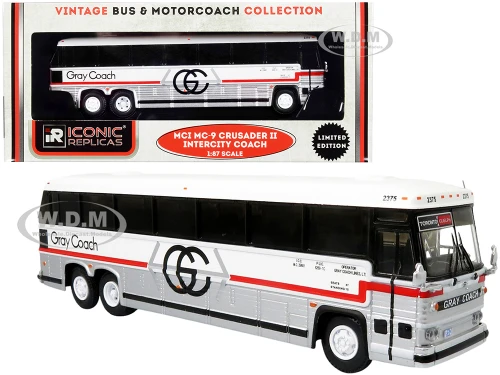
Discover MCI diecast bus models and collectible coaches inspired by one of North America's best-known motorcoach manufacturers. Motor Coach Industries, commonly known as MCI, has a long history of building buses for intercity transportation, charter services, tour operators, and other passenger transportation applications. Its full-size coaches are recognizable for their long bodies, large passenger windows, and designs created for comfortable travel over extended distances.
For diecast collectors, MCI buses offer a different perspective on transportation modeling. While car and truck collections often focus on individual vehicles, bus models can represent public transportation, long-distance travel, private coach operators, and the distinctive liveries of bus companies. An MCI model can also complement collections of commercial vehicles, emergency vehicles, transit buses, and other transportation subjects.
The MCI category at Diecast Models Wholesale is intended for collectors, bus enthusiasts, transportation historians, and hobbyists looking for models associated with the MCI name. Product selection can vary, so check individual listings for the specific coach model, operator markings, scale, construction, and other details.
The History of Motor Coach Industries
Motor Coach Industries traces its origins to 1933, when the company began building buses in Winnipeg, Manitoba, Canada. Over the following decades, MCI developed a reputation in the North American motorcoach market, supplying vehicles for intercity travel and charter transportation.
The company's history reflects the changing needs of passenger transportation. As long-distance bus travel expanded, operators needed coaches that could carry passengers over substantial distances while providing suitable seating, luggage capacity, and passenger amenities. MCI became associated with full-size highway coaches designed for these demanding operations.
MCI buses have been used by a wide range of operators, including intercity bus companies, charter services, tour businesses, and transportation organizations. The vehicles have also evolved through multiple generations, with changes in body styling, passenger areas, mechanical systems, and exterior details.
This history gives MCI diecast bus models appeal beyond their appearance alone. A particular coach design or paint scheme can represent a period in the development of highway transportation, a recognizable bus operator, or a memorable travel experience.
What Makes MCI Buses Distinctive?
MCI specializes in motorcoaches—large passenger buses designed primarily for longer journeys and highway operation. Although individual models differ, several characteristics help distinguish these coaches from city transit buses and school buses.
Highway Coach Design
MCI motorcoaches typically feature a long passenger cabin, large side windows, and a body designed for highway travel. Their proportions differ from those of conventional city buses, which are generally designed around frequent stops, passenger circulation, and urban routes.
For model collectors, these features create an appealing display subject. The extended body, window arrangement, front styling, and rear-engine configuration found on many coaches provide recognizable details that distinguish a highway bus from other commercial vehicles.
Passenger and Luggage Capacity
Full-size highway coaches are built to transport groups of passengers over longer distances. Their designs commonly include rows of forward-facing seats and dedicated luggage storage, often beneath the passenger compartment.
These practical features have influenced the proportions and layouts of modern motorcoaches. When comparing diecast bus models, collectors may notice differences in window placement, body length, luggage-compartment doors, and exterior equipment that reflect different coach generations.
Distinctive Operator Liveries
A bus operator's paint scheme can be just as important to a collector as the vehicle itself. Companies often use distinctive colors, logos, lettering, and decorative stripes to identify their fleets.
MCI coaches have appeared in many operator liveries over the years. Depending on the model available, collectors may encounter a coach representing a particular bus company, a charter or tour operator, or a transportation service. These markings can make a model especially meaningful to someone who remembers a specific company, route, or era of bus travel.
Availability of a particular livery or operator should always be confirmed in the individual product description.
Notable MCI Coach Families
MCI has produced several recognizable coach families over its history. Knowing a few of these names can help collectors identify the type of bus represented by a model and understand its place in transportation history.
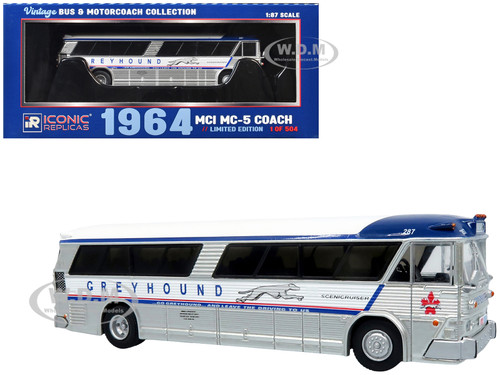
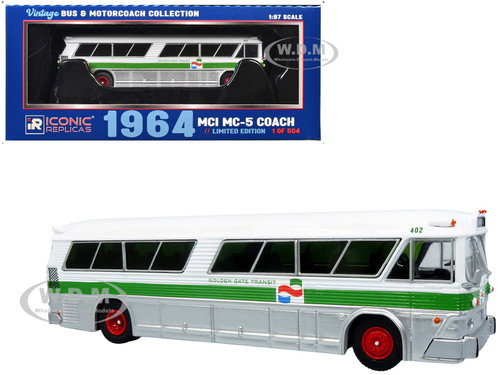
MC Series and MC-5
The early MC series helped establish MCI's identity in the North American motorcoach market. Models such as the MC-5 became familiar to bus enthusiasts and are interesting subjects for collections focused on classic highway coaches.
Older MCI designs have a different appearance from contemporary coaches, making them useful for building a collection that spans multiple decades. A classic MC-series model can also represent the earlier era of long-distance bus travel and the evolution of coach styling.
MC-9 Crusader II
Introduced in 1978, the MC-9 Crusader II became one of MCI's most recognizable coaches. Its long service life and widespread use made it an important part of North American bus transportation history.
For collectors, the MC-9 is a particularly relevant subject when exploring vintage intercity buses and the liveries of historic operators. Model versions can represent different fleet identities, allowing collectors to connect a familiar coach design with a specific period or company.
D-Series Coaches
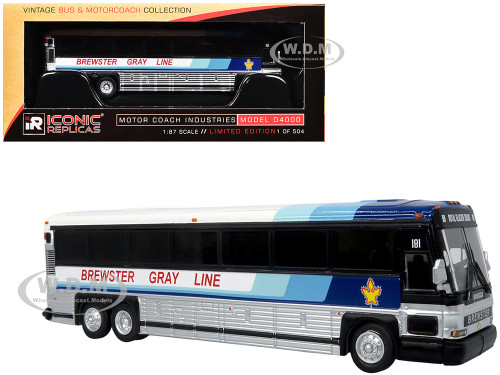
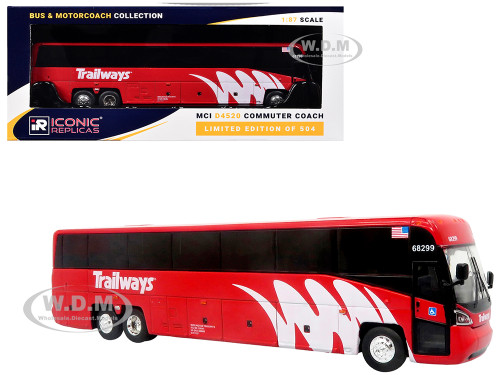
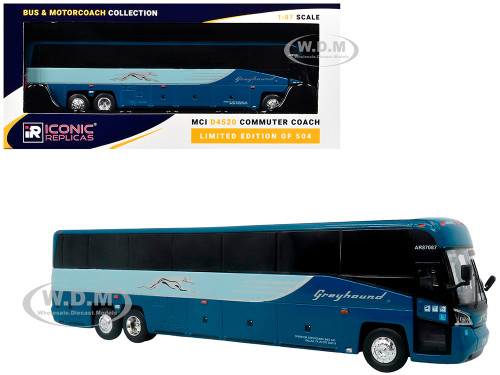
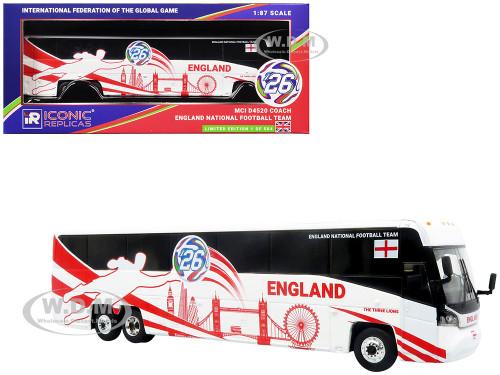
The D-Series developed into an important family of highway and commuter coaches. Depending on the version, these buses can serve intercity, charter, tour, or commuter transportation roles.
Collectors may encounter designations such as D4000, D4500, and D4520 in model descriptions. These names help distinguish versions within the broader family. Exterior details and configurations may vary, so the exact designation is worth checking when selecting a model.
J-Series Coaches
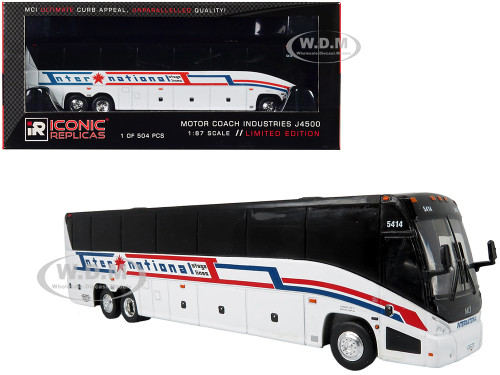
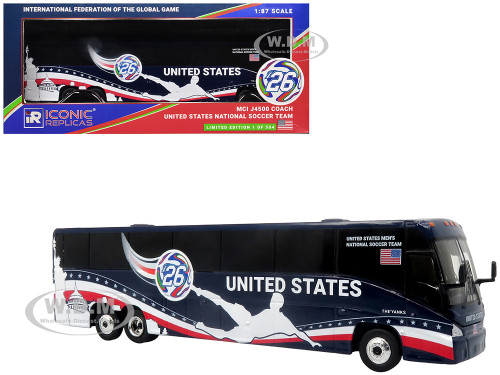
The J-Series includes modern luxury motorcoaches, with the J4500 becoming a widely recognized model in MCI's lineup. Its styling and use in charter, tour, and other passenger services make it a compelling subject for contemporary bus collections.
A J-Series model can add a modern coach to a display of older MC and D-Series vehicles. Operator markings may also help collectors represent specific transportation businesses or themes.
MCI Diecast Bus Scales and Display Options
Scale is an important consideration when purchasing a model bus. It determines the relationship between the miniature and the full-size coach, affecting the model's dimensions and how it fits alongside other vehicles.
1:87 Scale and HO-Scale Collections
The 1:87 scale is commonly associated with HO model railroading and is a popular choice for miniature buses and commercial vehicles. At this scale, a coach can fit into a compact display, transportation scene, model town, or railroad layout.
MCI models in 1:87 scale are useful for collectors who want to represent bus terminals, commuter operations, highway stops, or fleets without dedicating a large amount of space to each vehicle. The scale also makes it easier to display several buses together.
Larger Scale Models
Larger bus models occupy more display space but can make exterior features and markings easier to appreciate. The available scales depend on the individual product and manufacturer, so do not assume that every MCI coach is produced in multiple sizes.
Before purchasing, check the listed scale and dimensions, especially if you plan to place the model in a display case or alongside vehicles from other collections.
Displaying and Caring for Your Model
A few simple practices can help keep a collectible bus in good condition:
-
Choose a stable display surface: Long coach bodies benefit from a level surface with enough room to avoid accidental knocks.
-
Consider display depth: Measure the model's length and allow extra room for safe placement and handling.
-
Protect exterior markings: Keep the model away from direct sunlight and excessive heat, which can affect finishes and some materials over time.
-
Handle with care: Use a gentle grip and avoid putting pressure on mirrors, antennas, wheels, or other delicate parts.
-
Retain original packaging: Packaging can help protect a model when it needs to be stored or moved.
Construction varies between manufacturers and releases. Review the product description to determine whether a particular bus is a display collectible, whether it has moving components, and how it should be handled.
Collecting MCI Buses by Operator and Livery
For many bus enthusiasts, the operator's identity is a major part of a model's appeal. A familiar logo or color scheme can connect a miniature coach to a real fleet, a remembered trip, or a particular chapter in transportation history.
Intercity and Long-Distance Bus Companies
Intercity operators use motorcoaches to connect cities and communities over longer routes. Models featuring historic or contemporary operator liveries can help collectors recreate the look of long-distance bus services across different decades.
When comparing models, pay attention to the operator name, color scheme, lettering, and the specific MCI coach represented. These details help distinguish one release from another even when two models depict the same underlying bus design.
Commuter and Regional Transportation
MCI coaches have also been used for commuter transportation, including services that connect suburban communities with urban employment centers. These applications can be represented by different coach configurations and fleet identities.
A commuter-themed display can pair MCI models with other buses and commercial vehicles to illustrate the variety of transportation services used by communities. The precise configuration of a real coach depends on the model and its intended service.
Charter and Tour Coaches
Charter and tour operators use motorcoaches for group travel, sightseeing, events, and private transportation. Modern MCI coaches are associated with this segment, making them relevant to collectors interested in contemporary passenger transport.
Models bearing the markings of a charter or tour company can add variety to a collection focused on highway vehicles. A blank or neutral-livery model, when available, can also serve collectors who prefer an unbranded coach for a general transportation display.
Why Add MCI Models to a Diecast Collection?
MCI diecast buses offer a way to explore a segment of transportation history that differs from passenger cars, pickup trucks, and heavy-duty work vehicles. Their size, design, and fleet markings make them recognizable display subjects, while their history connects them with intercity travel and the development of modern coach transportation.
MCI models can suit several types of collections:
-
Bus and motorcoach collections: Focus on the evolution of highway coaches and their different designs.
-
Commercial vehicle displays: Combine passenger coaches with trucks, service vehicles, and other fleet equipment.
-
Transportation history collections: Represent different periods in North American bus travel.
-
Scale-model layouts: Use smaller-scale coaches to add realistic road transportation to a town, station, or railroad scene.
-
Livery collections: Compare operator colors, logos, and fleet identities across different coach generations.
When choosing a model, start with the coach designation and livery that interest you most. Then verify its scale, dimensions, manufacturer, and product details to make sure it fits your collecting goals.
Shop MCI Diecast Bus Models at Diecast Models Wholesale
From classic MC-series coaches to recognizable MC-9, D-Series, and J-Series designs, MCI's history offers plenty of inspiration for bus and transportation collectors. Each model can represent a different coach generation, operator, or era of passenger travel.
Browse the MCI category at Diecast Models Wholesale to explore the available selection of MCI bus models. Compare the coach designation, scale, livery, and product specifications to find a collectible that complements your display or adds a new chapter to your transportation collection.




 $49.95
 $49.95