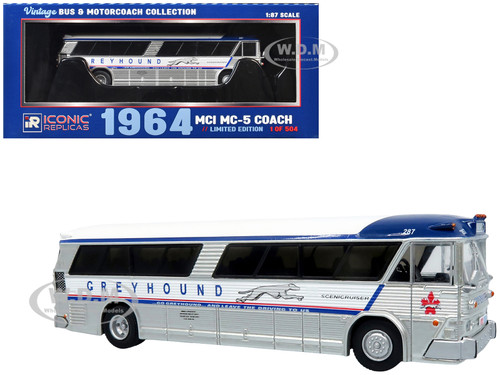
Greyhound diecast bus models are a great choice for collectors interested in historic American transportation, intercity buses, classic coaches, and the evolution of long-distance travel. Greyhound is one of the most recognizable names in North American bus transportation, with a history that stretches back to 1914. What began as a small transportation service in Minnesota eventually developed into a major intercity bus network connecting cities and communities across the United States and beyond.
The Greyhound diecast models category is focused on collectible buses and coaches associated with the Greyhound name. Depending on the available products, shoppers may find models representing historic Greyhound buses, distinctive fleet liveries, and different generations of intercity coaches.
For transportation enthusiasts, Greyhound models offer something different from conventional automobile collecting. A detailed bus model can represent a particular period in American transportation history, a memorable Greyhound livery, or the distinctive styling of a classic long-distance coach.
The History of Greyhound
Greyhound's story began in 1914 when Carl Wickman started transporting miners between Hibbing and nearby Alice, Minnesota, using a seven-passenger automobile. That small operation eventually developed into the Greyhound transportation network and became associated with long-distance bus travel throughout North America.
As intercity bus transportation expanded during the 1920s and 1930s, Greyhound grew through acquisitions and route expansion. The company developed a recognizable national identity and became an important part of American transportation.
The growth of highways and automobile travel further changed the intercity transportation landscape. Greyhound buses became associated with long-distance journeys between major cities, smaller communities, and destinations that were not necessarily served by rail.
The Greyhound name has remained in use for more than a century. Today, Greyhound is part of Flix SE following its acquisition in 2021, and Greyhound continues to operate intercity bus services in North America.
For collectors, this long history creates opportunities to collect buses from very different eras while keeping the recognizable Greyhound identity at the center of the display.
Classic Greyhound Buses
Some of the most interesting Greyhound diecast models represent the company's classic buses from the golden age of American intercity travel.
During the middle decades of the 20th century, Greyhound operated increasingly modern coaches designed for comfortable long-distance transportation. These buses featured streamlined bodies, large windows, luggage compartments, comfortable passenger interiors, and distinctive Greyhound graphics.
Classic Greyhound buses can be particularly appealing to collectors because they capture an era when the design of a highway coach was an important part of the travel experience.
Greyhound Scenicruiser
The Greyhound Scenicruiser is one of the most recognizable buses associated with the company and is an important subject for transportation collectors.
Developed by General Motors for Greyhound, the Scenicruiser featured a distinctive two-level body design with an elevated rear passenger section. Its unusual profile made it immediately recognizable and helped establish it as an icon of postwar American bus design.
The Scenicruiser was introduced in the 1950s and became closely associated with Greyhound's long-distance service. Its large windows and elevated seating area were particularly suited to sightseeing and highway travel.
A Greyhound Scenicruiser diecast model can make an excellent centerpiece for a transportation collection because its unusual proportions and historic Greyhound livery distinguish it from conventional single-level coaches.
Greyhound and General Motors Coaches
General Motors played an important role in the development of American transit and intercity buses, making GM-built coaches especially relevant to Greyhound collectors.
The GM PD-series buses are notable examples. Models such as the PD-4104 became recognizable examples of postwar highway coach design and were used by Greyhound and other operators.
The PD-4104, introduced in the 1950s, featured an aluminum body and a distinctive rounded profile. It represents the period when highway buses were becoming increasingly sophisticated and efficient for long-distance travel.
For collectors, GM-built Greyhound coaches provide an opportunity to combine two important subjects: the history of General Motors commercial vehicles and the history of Greyhound transportation.
Greyhound Bus Liveries and Branding
One of the most appealing aspects of collecting Greyhound models is the company's distinctive visual identity.
Over the decades, Greyhound buses have appeared in different paint schemes, graphics, and branding styles. Changes in livery can help identify the period represented by a particular model.
When comparing Greyhound bus models, collectors may want to consider:
- Greyhound logo and graphics
- Paint scheme
- Bus manufacturer
- Coach model
- Approximate operating period
- Fleet or vehicle markings
- Destination signage
- Scale
A model representing a particular historic livery can be especially interesting when displayed alongside other vehicles from the same period.
Greyhound Buses as Transportation History
Greyhound models are not simply miniature buses. They can represent important changes in American transportation.
During the 20th century, long-distance buses connected communities throughout the country and provided an alternative to rail and automobile travel. Greyhound became one of the most recognizable names in that industry.
A collection of Greyhound models can therefore be organized as a visual timeline. An early coach, a classic postwar bus, a Scenicruiser, and a later intercity coach can illustrate how bus design evolved alongside America's highway system.
This makes Greyhound especially appealing to collectors interested in transportation history, public transit, commercial vehicles, and American culture.
Greyhound Diecast Models for Transportation Collections
Greyhound buses can be displayed in several different ways. A collector might create a dedicated Greyhound display or combine the buses with other transportation models.
Possible display themes include:
- Classic American buses
- Historic intercity transportation
- Postwar highway travel
- General Motors buses and coaches
- American commercial vehicles
- Historic bus stations and terminals
- 1950s and 1960s transportation
- Greyhound fleet history
- North American bus operators
Greyhound models can also be paired with cars, trucks, gas stations, road signs, and other vehicles to create a broader highway or transportation scene.
Choosing a Greyhound Bus Model
When shopping for Greyhound diecast models, look beyond the Greyhound name and examine the specific bus represented.
Important details can include:
- Bus manufacturer: Different manufacturers supplied coaches to Greyhound over the years.
- Coach model: A Scenicruiser, PD-series coach, or another bus can represent a completely different period.
- Era: Compare the model's approximate operating period with the rest of your collection.
- Livery: Paint, logos, and destination signs can significantly affect the appearance of the model.
- Scale: Select a scale that works with your existing transportation models.
- Construction: Depending on the product, models may combine diecast metal and plastic components.
- Features: Some models may include detailed interiors, wheels, windows, luggage compartments, or other features.
Always check the individual product listing for the exact scale, dimensions, materials, and features of the model you are considering.
Popular Scales for Greyhound Models
Bus models are produced in several scales, and the best choice depends on your display space and the other models in your collection.
1/43 scale is a useful choice for collectors who want a detailed bus without the substantial footprint of a larger coach.
1/50 scale is particularly useful for transportation and commercial vehicle collections because it can work well alongside other trucks and buses.
1/72 scale provides a compact alternative for collectors who want to display several vehicles or create larger transportation scenes.
Other scales may be available depending on the specific Greyhound model. Because bus dimensions vary significantly, always verify the scale and dimensions listed for the individual product.
Collecting Greyhound Buses by Era
A chronological approach can make a Greyhound collection particularly interesting.
Early Greyhound
Early buses represent the development of scheduled intercity transportation and the company's expansion during the first half of the 20th century.
Postwar Greyhound
The 1940s and 1950s brought major developments in highway coach design. Larger windows, streamlined bodies, improved passenger accommodations, and more powerful engines transformed the appearance of intercity buses.
The Scenicruiser Era
The Scenicruiser represents one of the most distinctive chapters in Greyhound history. Its unique two-level design makes it an obvious centerpiece for a classic Greyhound collection.
Later Greyhound Coaches
Later generations of buses reflect the continuing evolution of intercity travel, with changes in styling, passenger amenities, engineering, and operating requirements.
Greyhound Models for Transportation Enthusiasts
Greyhound's century-plus history makes the brand particularly interesting for collectors who want to go beyond conventional car and truck models. A Greyhound bus can represent an important transportation company, a historic bus manufacturer, a particular period of American highway travel, or simply a memorable vehicle design.
The category can also appeal to former Greyhound passengers, transportation historians, bus enthusiasts, and collectors building displays around American commercial vehicles.
Whether you are looking for a classic Scenicruiser, a historic Greyhound coach, or another bus representing the company's long history, browse the Greyhound diecast models at DiecastModelsWholesale.com to find a collectible bus that fits your preferred era, scale, and transportation theme.