Saab is a Swedish automotive and aerospace name recognized for innovative engineering, distinctive styling, and a history that connects aviation with automobile design. For collectors, Saab vehicles stand out from more conventional European cars through their unusual design details, practical engineering, and strong connection to Scandinavian automotive history.
The Saab category at Diecast Models Wholesale is intended for collectors and enthusiasts looking for miniature representations of Saab vehicles and related collectibles when available. Whether you appreciate classic Swedish cars, distinctive performance models, or the brand's aviation-inspired heritage, Saab models can add something different to a collection focused on European automobiles.
Product selection and availability can change, so check individual listings for the specific vehicle, manufacturer, scale, materials, and packaging details before ordering.
The History of Saab
From Aircraft Engineering to Automobiles
Saab's story began in Sweden's aircraft industry. The company name originated as an abbreviation of Svenska Aeroplan Aktiebolaget, reflecting its early focus on aircraft development and production. This aviation background became an important part of Saab's identity and later influenced how the company approached automobile engineering and design.
Saab entered the passenger-car market in the late 1940s. Its first production automobile, the Saab 92, emerged from a development program shaped by the company's aircraft-engineering experience. The car featured streamlined bodywork that looked unusual compared with many cars of its era. Its aerodynamic appearance and front-wheel-drive layout helped establish a distinctive identity for the young automaker.
Over subsequent decades, Saab developed a reputation for taking a different approach to vehicle design. The brand became associated with turbocharged engines, practical hatchback bodies, safety-conscious engineering, and interiors that reflected its aviation heritage. These characteristics made Saab vehicles recognizable to enthusiasts and helped the marque develop a loyal following.
For diecast collectors, this history provides several different avenues of interest. Early Saab cars appeal to enthusiasts of postwar European motoring, while later models attract collectors interested in turbocharged performance, distinctive hatchbacks, and vehicles that helped define Saab's modern identity.
Saab's Automotive Identity
Saab cars often look different from the more familiar sports cars and luxury sedans produced by other European manufacturers. Instead of relying exclusively on traditional styling, Saab frequently emphasized aerodynamic forms, everyday usability, and engineering solutions that reflected the company's own priorities.
The result was a range of vehicles with recognizable silhouettes and details. Rounded early models, angular classic sedans, practical hatchbacks, and later performance-oriented cars each represent a different chapter in the brand's evolution.
This variety is part of the appeal for model collectors. A miniature Saab can complement a collection of European classics, rally-inspired vehicles, turbocharged performance cars, or historically significant automobiles. Collectors who enjoy automotive design can also use Saab models to explore how vehicle styling and engineering changed from the middle of the twentieth century into the modern era.
Notable Saab Cars for Collectors
Saab 92 and Saab 93
The Saab 92 introduced the brand's first production-car design. Its streamlined body and compact proportions reflected an approach to automotive development that differed from many contemporary European vehicles.
The Saab 93 followed as the company refined its early passenger-car formula. These cars are particularly interesting to enthusiasts who appreciate the beginnings of Saab's automotive history and the transition from aircraft manufacturing into passenger vehicles.
When miniature examples of these early cars are available, they can provide a useful historical contrast to the larger, more powerful Saab sedans and hatchbacks that followed.
Saab 96
The Saab 96 became one of the brand's best-known classic models. Produced over an extended period, it helped establish Saab's reputation in European rallying and demonstrated the durability and competitiveness of its compact-car designs.
The Saab 96 is especially appealing to collectors interested in classic motorsport. Its distinctive shape and association with rally competition make it recognizable even among enthusiasts who do not specialize in Swedish automobiles.
A model representing a standard road car offers a different collecting angle from one depicting a competition vehicle. Where a listing identifies a rally version, race livery, driver, or event, those details can help collectors choose an example that fits their interests.
Saab 99
Introduced in the late 1960s, the Saab 99 represented a major step in the company's development. Its modern design and engineering formed the basis for several important Saab innovations.
The Saab 99 Turbo helped popularize turbocharging in production passenger cars. At a time when turbocharged engines were not yet commonplace in everyday vehicles, Saab's approach helped establish a lasting connection between the brand and turbocharged performance.
For collectors, the Saab 99 offers a link between the company's earlier compact cars and the more performance-focused models of later decades. It is particularly relevant to collections exploring the history of road-car turbocharging.
Saab 900 and Saab 900 Turbo
The Saab 900 is one of the most recognizable vehicles associated with the brand. Its distinctive front end, curved windshield, and characteristic body proportions made it stand apart from competing European sedans and hatchbacks.
The classic Saab 900 Turbo became especially well known among enthusiasts. Combining practical everyday use with turbocharged performance, it helped reinforce Saab's image as an alternative to more conventional premium and performance vehicles.
Collectors may be interested in different body styles and versions of the 900, including hatchbacks, sedans, convertibles, and performance-oriented Turbo variants. Availability varies, so the exact configuration should be confirmed in each product listing.
Saab 9000
The Saab 9000 brought the brand into the executive-car segment with a larger, more spacious design. It combined comfort and practicality with the performance options expected from Saab's more powerful models.
For miniature-car collectors, the 9000 represents another side of the brand: a sophisticated European car designed for long-distance travel rather than a compact classic or sports-oriented model. It can be a useful addition to collections focused on executive sedans and the evolution of European automotive design during the 1980s and 1990s.
Saab 9-3
The Saab 9-3 continued the company's tradition of producing distinctive compact executive cars. Offered in different generations and body configurations, it carried Saab's design language into a more modern period.
Certain 9-3 versions are of particular interest to enthusiasts because of their turbocharged engines, sport-oriented equipment, and convertible body styles. A miniature representation can complement a collection of modern European cars or provide a later counterpart to a classic Saab 900.
Saab 9-5
The Saab 9-5 served as the brand's larger executive model. It combined understated styling with practical body designs and a range of engine options, including turbocharged versions.
The 9-5 is worth considering for collectors who want to represent Saab's later automotive history rather than concentrating exclusively on its classic models. Its design also illustrates how the brand maintained some of its distinctive character while adapting to changing expectations for comfort, performance, and vehicle technology.
Saab and Motorsport
Motorsport is an important part of Saab's heritage, particularly its participation in rallying. Models such as the Saab 96 demonstrated that compact cars with unconventional engineering could compete successfully in demanding events.
Rally-related Saab collectibles may appeal to fans of historic motorsport, competition liveries, and the drivers who helped establish the company's reputation. They can also broaden a collection beyond familiar rally marques by introducing a Swedish manufacturer with a different engineering philosophy.
When shopping for a motorsport-themed model, look carefully at the product description and photographs. Competition versions can differ significantly from road-going cars in their paint schemes, numbers, sponsor markings, wheels, and other details. Not every Saab miniature represents a racing or rally vehicle, and the listing should be used to confirm the exact version.
Saab's Aviation Heritage
Saab's connection to aviation remains central to its broader history. The company's work in aircraft development preceded its automobile production, and that engineering background helped shape its public identity.
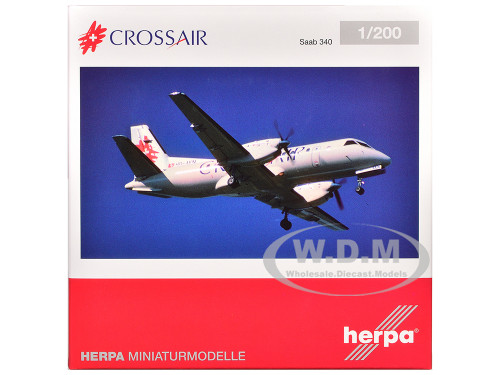
Saab aircraft and Saab automobiles are distinct collecting subjects, even though they share a historical connection to the same industrial name. If you collect aviation models as well as cars, Saab-related subjects can provide an interesting way to connect the two interests.
For accuracy, distinguish between the Saab automobile brand and aircraft produced by Saab's aerospace operations. The company name alone does not mean that every Saab-branded collectible is an automobile, so check each item's description to confirm whether it represents a road vehicle, aircraft, or another subject.
Choosing a Saab Diecast Model
The right Saab model depends on what you collect and what you value most in a miniature vehicle.
-
Historical significance: Early Saab models such as the 92, 93, and 96 represent the brand's formative automotive years.
-
Classic European styling: The Saab 99 and classic 900 offer distinctive designs from an era when Saab established a strong visual identity.
-
Turbocharged performance: Look for accurately identified Turbo versions if you are interested in Saab's role in the development of performance-oriented production cars.
-
Modern automotive design: Later 9-3 and 9-5 models can complement collections of late twentieth-century and early twenty-first-century vehicles.
-
Motorsport history: Where available, rally and competition versions offer a connection to Saab's sporting heritage.
-
Display and presentation: Consider the model's scale, paint finish, exterior detailing, packaging, and whether it is designed primarily for display or handling.
Understanding Scale and Detail
Scale indicates the relationship between the miniature and the full-size vehicle. For example, a 1:43 model is approximately one forty-third the length of the real car. A larger-scale model generally occupies more display space and may allow for more visible detail, although the level of detail also depends on the manufacturer and individual product.
Do not assume that every Saab model is available in every scale. Check the individual listing for the confirmed scale and dimensions, along with information about opening doors, moving parts, display bases, or other features. These characteristics vary by model and manufacturer.
Displaying and Caring for Your Collection
Saab models can be displayed individually or alongside other European cars from the same period. Arranging vehicles chronologically creates a visual history of Saab's design evolution, while grouping them by body style, performance variant, or motorsport connection offers a different approach.
To preserve a collectible, keep it away from direct sunlight, excessive heat, and moisture. Dust display areas carefully and handle miniatures by their base or sturdier body sections rather than delicate mirrors, antennas, or other small parts. If the model comes in a display box or original packaging, retaining it can help protect the item and preserve its presentation.
Before purchasing, review the listing photographs and product details to confirm the model's condition, finish, packaging, and features. These checks are especially useful when comparing different versions of a vehicle that share a similar body shape.
Shop Saab Collectible Models
Saab's combination of Swedish design, aviation-inspired engineering, turbocharged performance, and motorsport history makes the brand an appealing subject for diecast collectors. From early postwar cars to recognizable classic hatchbacks and later executive models, Saab offers several distinct chapters of automotive history to explore.
Browse the Saab category at Diecast Models Wholesale to see which collectible vehicles are currently available. Review each product's description, scale, and features to find a Saab model that fits your interests and adds a distinctive piece of Swedish automotive history to your collection.