Coach Diecast Models
Explore coach diecast models representing the long-distance passenger buses designed for intercity travel, touring, charter transportation, and other journeys between cities and regions. Also commonly called motor coaches, coach buses, or intercity buses, these vehicles are generally designed around seated passenger travel and longer-distance road transportation.
The Coach category at DiecastModelsWholesale.com features collectible coach bus scale models and replicas representing different styles, eras, and manufacturers. Depending on the individual product, shoppers may find modern motor coaches, classic and vintage coaches, touring buses, and other long-distance passenger vehicles.
Coach models are a natural fit for transportation collectors because their designs can reflect a particular period of bus engineering, a manufacturer's styling, or a specific operator and livery. Their large bodies also provide plenty of surface area for destination signs, company graphics, trim, windows, and other recognizable details.
What Is a Coach Bus?
A coach is a bus primarily designed for longer-distance passenger transportation. Compared with many city transit buses, coaches generally emphasize seated travel, passenger comfort, luggage capacity, and highway operation.
A typical motor coach can have a longer body, large windows, high-backed passenger seats, luggage compartments, and other features intended for journeys that may extend beyond a local transit route.
The terminology can vary by region. In North America, motor coach, coach bus, and intercity bus are common terms, while "coach" is widely used in other parts of the world. For collectors, these terms can describe overlapping groups of long-distance passenger vehicles.
A Brief History of Coach Transportation
Long-distance coach transportation predates the automobile. Horse-drawn stagecoaches provided scheduled transportation between towns and cities before railroads and motor vehicles transformed travel.
The Smithsonian's transportation collections document stagecoaches and other forms of passenger transportation as part of the development of American travel. As roads and motor vehicles improved, buses gradually took over many routes previously served by horse-drawn transportation.
The development of motor coaches during the 20th century was closely connected with improvements in engines, chassis, roads, tires, braking systems, and passenger-body construction. Buses could travel independently on road networks rather than being tied to railway tracks or overhead electrical infrastructure.
This evolution eventually produced the highway motor coaches familiar today.
The Rise of Intercity Motor Coaches
The expansion of paved highways and motor vehicle transportation helped create new opportunities for scheduled intercity bus travel. Coach operators could connect cities and communities using road networks and offer transportation to passengers who did not have access to private automobiles or rail service.
The Smithsonian's Warshaw Collection of Business Americana includes extensive material related to the history of bus transportation, including interstate bus carriers, schedules, routes, and companies such as Greyhound and its subsidiaries.
Intercity coaches consequently became an important part of the development of American passenger transportation. Their history also provides collectors with numerous recognizable vehicle designs and operator liveries to explore.
Types of Coach Diecast Models
Coach models can represent several different forms of long-distance and passenger transportation. Depending on the individual product, collectors may find:
- Motor coaches designed for highway passenger transportation
- Intercity buses connecting cities and regions
- Touring coaches used for organized travel and sightseeing
- Charter buses used for private group transportation
- Luxury coaches emphasizing passenger comfort and amenities
- Vintage coaches representing earlier generations of bus transportation
- Modern highway coaches featuring contemporary body designs
- Sleeper or specialty coaches representing specialized long-distance applications
These categories can overlap. A particular coach may be used for charter, tourism, or scheduled intercity service depending on its operator and configuration.
Coach Buses Compared With City Buses
One of the most useful distinctions for collectors is between coaches and urban transit buses.
City buses are generally designed for frequent stops, passenger turnover, standing passengers, and operation on local routes. Coaches are more focused on seated passengers and longer journeys.
This difference is reflected in their physical design. Coach models may feature:
- Large panoramic windows
- High-backed passenger seats
- Luggage compartments
- Longer wheelbases
- Streamlined bodywork
- Fewer passenger doors
- Highway-oriented proportions
- Comfortable passenger interiors
City buses, by comparison, commonly prioritize rapid boarding and exiting, accessibility, and frequent-stop operation.
Collectors looking for urban transit vehicles can explore the broader Bus category and compare coach models with city and articulated buses.
Touring and Sightseeing Coach Models
Touring coaches occupy an important part of the coach category. They are designed to transport groups of passengers on organized trips, sightseeing excursions, and longer-distance tours.
Sightseeing buses can be especially interesting to collectors because their liveries and graphics may be closely associated with a particular tour company, city, or destination. Historic examples also provide a connection between bus transportation and the development of tourism.
The Smithsonian's transportation archives document sightseeing bus operators and companies that provided tours of cities and scenic destinations.
A touring coach model can therefore represent both the vehicle itself and the history of travel and tourism associated with it.
Vintage and Historic Coach Models
Vintage coach models provide an opportunity to explore how long-distance bus design changed throughout the 20th century.
Early motor coaches often had a more upright appearance and shared some construction characteristics with trucks and other commercial vehicles. Later generations adopted smoother bodywork, larger passenger windows, improved interiors, and more streamlined styling.
By the mid-20th century, coach manufacturers were producing increasingly specialized vehicles for long-distance passenger travel. Changes in road infrastructure, engine technology, suspension systems, and passenger expectations all influenced coach design.
For collectors, vintage coach models can complement collections focused on classic transportation, commercial vehicles, or the history of American and international bus travel.
Coach Models by Manufacturer
The coach industry has included numerous manufacturers and body builders from around the world. Depending on the individual diecast model, collectors may encounter vehicles associated with manufacturers such as Greyhound's bus suppliers, General Motors, MCI, Prevost, Setra, Mercedes-Benz, Neoplan, Volvo, Scania, and others.
The exact manufacturers represented in collectible form vary by model and licensing. When shopping, distinguish between the original coach manufacturer and the diecast manufacturer that produced the miniature.
For example, a diecast company may reproduce a licensed coach originally manufactured by another company. Product specifications can help identify the original vehicle, miniature manufacturer, scale, and other relevant details.
Collectors interested in organizing vehicles by the original manufacturer can also browse the Vehicle Make category.
Coach Diecast Models and Scale
Scale is particularly important when collecting coach models because full-size motor coaches are large vehicles. Even relatively small replicas can have a substantial footprint compared with passenger cars.
Depending on the manufacturer and individual product, coach models may be available in scales such as:
- 1/12 scale – large display replicas with considerable physical presence
- 1/18 scale – larger models suited to detailed transportation displays
- 1/24 scale – useful for displays featuring larger diecast vehicles
- 1/43 scale – compact models suitable for bus and transportation collections
Not every coach is produced in every scale. Dimensions, construction, interior treatment, wheels, doors, luggage compartments, and other features vary by model.
When adding a coach to an existing collection, compare the listed scale and dimensions with nearby vehicles to create a visually consistent display.
Details to Look For in Coach Models
The long body of a motor coach provides numerous opportunities for miniature detailing. Depending on the specific replica, collectors may find:
- Detailed passenger windows
- Individual exterior mirrors
- Luggage compartments
- Passenger doors
- Detailed wheels and tires
- Destination displays
- Operator graphics
- Decorative striping
- Driver's compartment
- Passenger seating
- Dashboard details
- Roof-mounted equipment
- Period-specific exterior trim
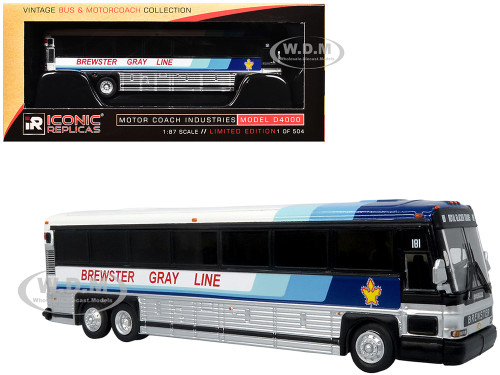
The livery can be especially significant. A coach's paint scheme and graphics may identify a particular transportation company, touring operator, historical period, or regional service.
For collectors interested in transportation history, these markings can make a model more meaningful than a generic representation of a bus.
Collecting Coach Diecast Models
There are several ways to build a coach collection. Some collectors focus on the vehicles themselves, while others collect models representing particular operators, manufacturers, countries, or historical periods.
Intercity Coach Collection
Collect models representing scheduled passenger transportation between cities and regions. This theme can cover different generations of highway coaches.
Touring Coach Collection
Focus on sightseeing and tour buses, particularly models with distinctive operator graphics or destination-related liveries.
Vintage Coach Collection
Build a historical display featuring classic and older motor coaches from different decades.
Manufacturer Collection
Follow a particular coach manufacturer and collect different body styles, generations, and configurations.
Operator and Livery Collection
Focus on buses associated with particular transportation companies. Distinctive paint schemes, logos, route information, and graphics can provide a strong visual theme.
Scale Collection
Select coach models that match the scale of an existing transportation collection or build a dedicated collection around a particular scale.
Coaches in a Transportation Collection
Coach models can complement many other transportation subjects. A collection centered on passenger transportation could include coaches alongside city buses, articulated buses, school buses, taxis, and automobiles.
They can also be combined with models representing other long-distance transportation, such as aircraft and trains. This creates an opportunity to illustrate the different ways people have traveled between cities throughout transportation history.
Collectors interested in other passenger vehicles can also explore Limousine models and Taxi models for additional road-transportation subjects.
Coach Diecast Models for Collectors and Enthusiasts
Coach diecast models combine commercial vehicle design, passenger transportation, and travel history in a distinctive collectible format. From classic motor coaches to modern highway buses, each model can represent a different approach to moving passengers over longer distances.
When choosing a coach model, consider the type of coach, original manufacturer, operator or livery, historical period, scale, construction, and level of detail. These factors can help determine how well a particular replica fits an existing collection or display.
Whether you collect intercity buses, touring coaches, vintage transportation, particular manufacturers, or bus models by scale, coach replicas provide a specialized subject within the broader world of diecast transportation models.
Explore Coach Diecast Models
Browse the Coach category at DiecastModelsWholesale.com to explore available coach diecast models and motor coach scale replicas. Compare scales, vehicle designs, manufacturers, liveries, and historical subjects to find coach models that complement your transportation collection or display.

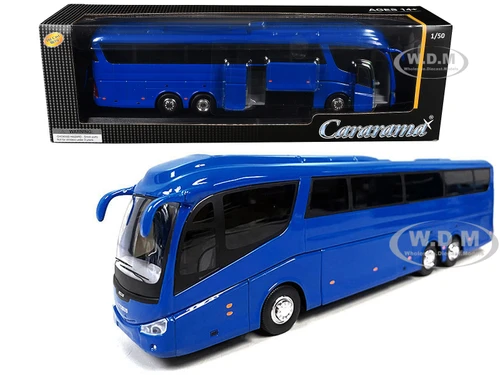 $29.99
 $29.99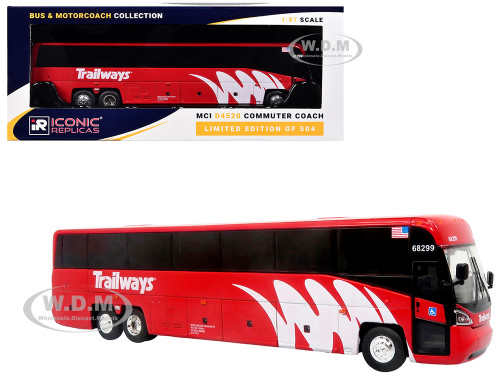

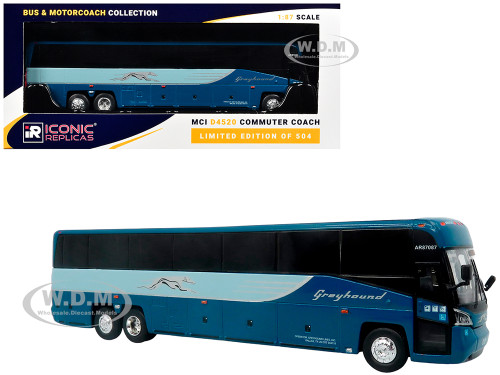


 $49.95
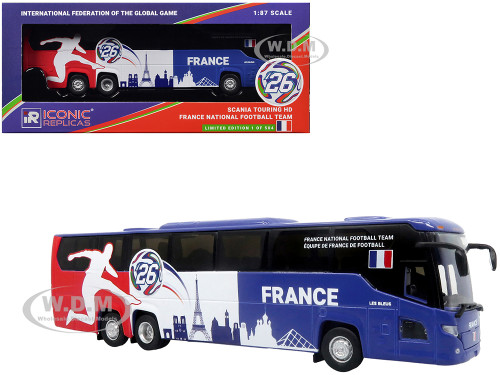 $49.95
 $49.95
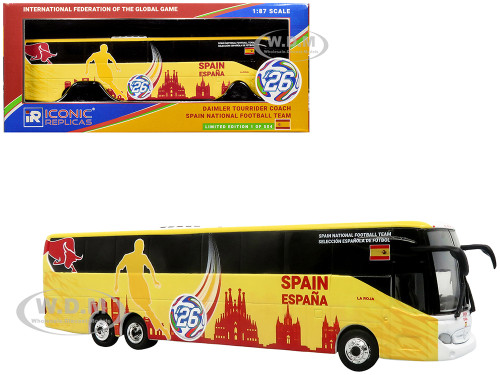 $49.95
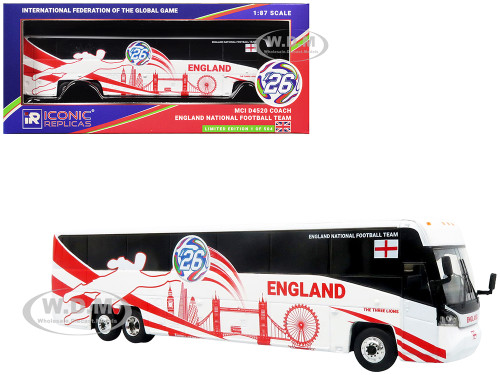 $49.95
 $49.95
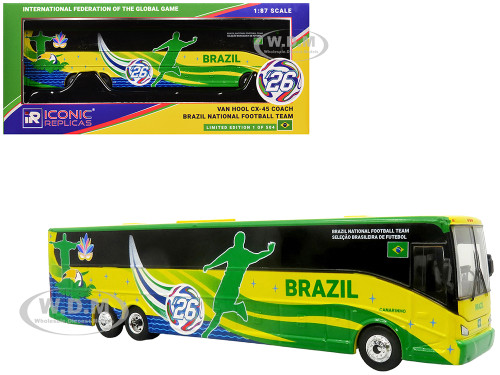 $49.95
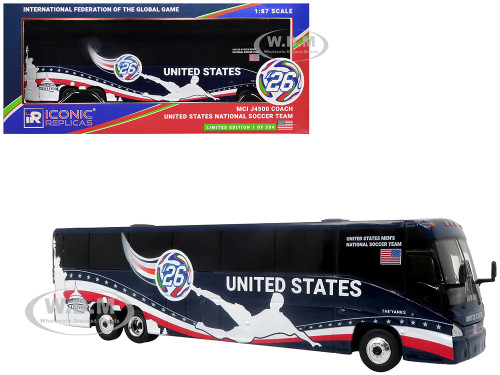 $49.95




 $29.99