1/26 Scale Diecast Models
Explore 1/26 scale diecast models at DiecastModelsWholesale.com, a less-common scale for collectors looking for vehicle models produced at approximately one twenty-sixth the size of their real-world counterparts. Positioned close to the familiar 1/24 and 1/25 scales, 1/26 offers a slightly smaller alternative while maintaining a useful display presence.
Because 1/26 is not one of the most widely standardized diecast scales, the selection can vary considerably depending on manufacturer, subject, and production run. Shoppers may encounter automotive models and other collectible vehicles depending on current availability.
For collectors who specifically need a 1/26 model, the scale listed in the product specifications is especially important. A model that appears similar to a 1/24 or 1/25 vehicle may have noticeably different dimensions when displayed alongside it.
What Does 1/26 Scale Mean?
Scale describes the proportional relationship between a model and the full-size vehicle it represents. A 1/26 scale model is approximately one twenty-sixth the size of its real-world counterpart.
For example, a full-size vehicle measuring approximately 15 feet long would translate to a model about 6.9 inches long at 1/26 scale. The actual dimensions will vary according to the original vehicle's proportions.
The scale is slightly smaller than 1/25 and 1/24. A comparable 1/26 model is approximately 4% smaller in linear dimensions than a 1/25 model and approximately 8% smaller than a 1/24 model.
These differences may be modest individually, but they become easier to see when similar vehicles from different scales are displayed directly beside one another.
Why Choose 1/26 Scale?
Collectors sometimes look beyond the most common scales because a particular vehicle, version, or collectible is available only in a less-common format. A 1/26 scale model can therefore be an interesting addition for shoppers who prioritize the subject as much as the scale.
The format also offers a practical display size. Models are generally smaller than comparable 1/18, 1/20, 1/21, 1/24, and 1/25 models while remaining large enough for exterior styling and other details to be appreciated.
A 1/26 collection can be organized around:
- Vehicle manufacturers
- Specific vehicle models
- Automotive eras
- Classic and vintage vehicles
- Sports and performance cars
- Trucks and utility vehicles
- Emergency and specialty vehicles
- Racing and motorsport subjects
- Movie and television vehicles
The exact subjects available will depend on current inventory and manufacturer production.
What Can You Expect to Find?
The 1/26 category is intended for models specifically identified as 1/26 scale. Since this is a less-common format, the selection may be more specialized than categories for highly established scales.
Depending on the individual product, a model may include:
- Detailed exterior bodywork
- Realistic wheels and tires
- Interior detailing
- Reproduced headlights and taillights
- Grilles, mirrors, trim, and other exterior details
- Engine or under-hood details
- Opening doors
- Opening hood or trunk
- Detailed chassis components
- Special paint finishes
- Racing graphics or themed markings
These features are not universal. Some models are designed as sealed display pieces, while others include opening or movable components. Always check the individual product listing for the exact specifications.
1/26 Scale Automotive Models
Automotive subjects are particularly well suited to this scale because the finished models can retain a useful amount of visual presence without occupying as much space as larger formats.
Classic and Vintage Cars
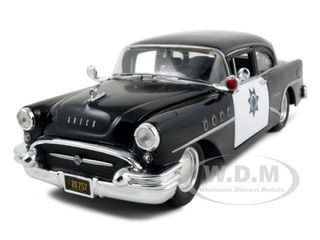
Classic vehicles can make attractive 1/26 collectibles because their distinctive body shapes, chrome trim, wheels, grilles, and period styling remain easy to appreciate at this size.
Collectors can build displays around a particular decade, manufacturer, or automotive era, or select individual vehicles based on design and historical interest.
Sports and Performance Cars
Sports cars and performance vehicles can also be compelling subjects. Their body contours, wheels, aerodynamic components, and interiors can provide plenty of visual detail for a collector display.
Trucks and Utility Vehicles
If available, trucks and utility vehicles offer another way to use the scale. Because full-size trucks can be considerably larger than passenger cars, a 1/26 truck can have a noticeably larger physical footprint than a 1/26 compact car.
Specialty and Themed Vehicles
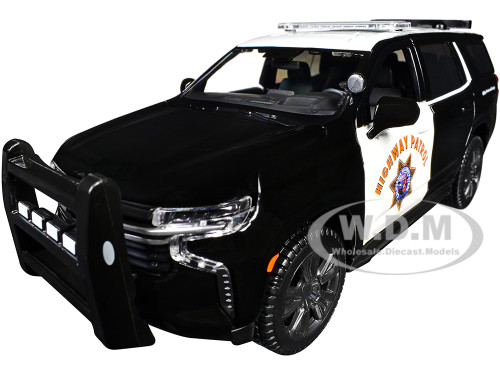
Police, fire, rescue, service, racing, movie, television, and other specialty vehicles can provide additional collecting themes when represented in this scale.
Choosing a 1/26 Diecast Model
When shopping for a 1/26 diecast model, consider the following factors along with the scale.
Confirm the Exact Subject
Check the vehicle name, year, generation, body style, and other identifying details. Closely related vehicles can differ significantly in appearance, particularly when comparing different generations or special editions.
Review the Dimensions
Scale provides the proportional relationship but does not tell you the exact length or width of a particular model.
A large pickup or SUV will require more display space than a compact car at the same 1/26 scale. If the model is going into a cabinet or case, compare its listed dimensions with your available space.
Check the Model Features
If you prefer models with opening doors, hoods, trunks, or other movable parts, verify that those features are listed for the specific product. Construction and functionality vary between manufacturers.
Consider Scale Compatibility
If you already own 1/24 or 1/25 models, remember that 1/26 is a separate scale. Decide whether your collection is based on strict proportional accuracy or whether you are comfortable displaying nearby scales together.
1/26 vs. 1/24 and 1/25 Scale
The scales closest to 1/26 are 1/24 and 1/25, both of which have a stronger presence in automotive collecting.
A 1/24 model is approximately 8% larger in linear dimensions than an equivalent 1/26 model, while a 1/25 model is approximately 4% larger. This means the difference may not be dramatic when looking at individual models, but side-by-side comparisons can reveal differences in overall proportions and footprint.
For a strictly scale-consistent display, grouping models by their stated scale is recommended. For a subject-focused collection, however, combining nearby scales can provide more flexibility when searching for particular vehicles.
Comparing Common Diecast Scales
A quick comparison can help put 1/26 into perspective:
- 1/12 — Large format with a substantial display footprint
- 1/18 — Popular large-scale format for detailed vehicles
- 1/20 — Large-format vehicle scale
- 1/21 — Uncommon scale close to 1/20 and 1/24
- 1/24 — Popular automotive scale
- 1/25 — Established automotive scale with a practical display size
- 1/26 — Less-common scale slightly smaller than 1/25
- 1/32 — Smaller vehicle scale with a reduced display footprint
- 1/43 — Compact scale for broad collections
- 1/64 — Small scale suited to large themed displays
The actual size of a model depends on the full-size vehicle it represents, so these scales should be viewed as proportional comparisons rather than fixed model dimensions.
Building a 1/26 Scale Collection
A 1/26 collection can be built around a specific theme or simply around individual vehicles that appeal to you. Because the scale is less common, collectors may find that a particular subject determines the direction of the collection rather than the other way around.
A manufacturer-focused collection can bring together different vehicles from the same marque. An era-based collection can showcase changing automotive designs over time. Alternatively, collectors can focus on a vehicle type such as sports cars, classic cars, trucks, or specialty vehicles.
For shoppers who already collect several scales, 1/26 can be incorporated into a larger display based on subject rather than exact proportional scale.
Displaying 1/26 Scale Diecast Models
The slightly smaller footprint of 1/26 compared with 1/24 and 1/25 can be useful when display space is limited. Models can be arranged on shelves, desks, cabinets, and collector cases while leaving room between individual vehicles.
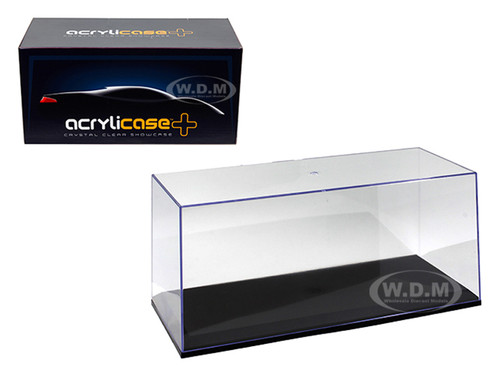
When planning your display, consider the model's complete dimensions. Mirrors, antennas, spoilers, accessories, and other components can extend beyond the main body. Models with opening doors, hoods, or trunks may also need additional clearance.
For a cohesive presentation, group vehicles by manufacturer, era, vehicle type, racing theme, or another common characteristic. If you mix 1/26 with nearby scales, arranging models by approximate physical size can help maintain visual balance.
A Practical Choice for Scale-Focused Collectors
For collectors who specifically seek 1/26 scale, having a dedicated category makes it easier to distinguish these models from the more common 1/24 and 1/25 formats.
The scale can also appeal to collectors who enjoy less-common diecast subjects. Finding an unusual scale can add variety to an established collection and provide another way to organize and display vehicles.
As always, check the individual product listing for the exact scale, dimensions, construction, and features before purchasing.
Find 1/26 Scale Diecast Models
The 1/26 category provides a convenient place to browse collectible vehicles produced in this uncommon scale. Availability can change as manufacturers introduce new products and existing models become unavailable.
If you are interested in exploring other formats, you can also browse the broader diecast model collection to find vehicles in different scales.
Whether you are building a dedicated 1/26 collection, searching for a particular vehicle, or adding an uncommon scale to an existing display, these models offer collectors another way to enjoy detailed vehicle replicas.
Browse the 1/26 scale diecast models at DiecastModelsWholesale.com and find a distinctive collectible for your collection or display.