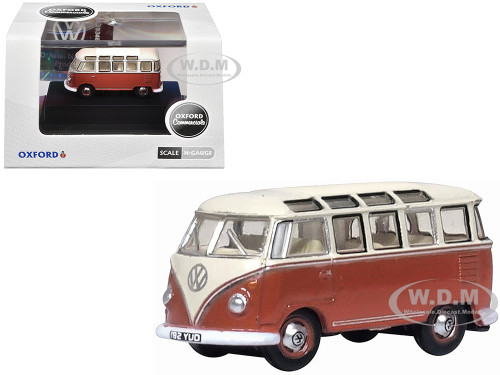
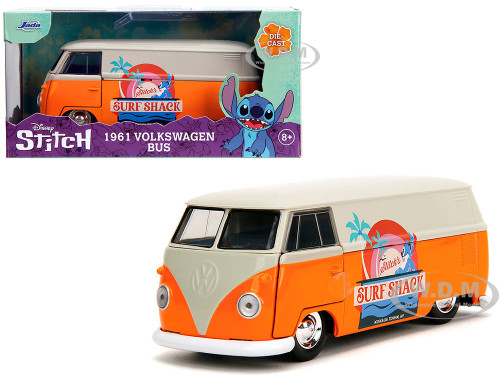
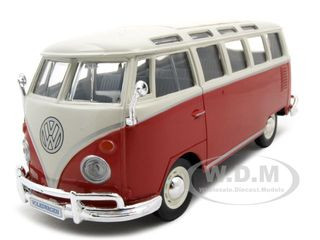
Microbus diecast models represent compact buses and passenger vans designed to carry people while retaining a relatively small, practical footprint. The term “microbus” is strongly associated with the Volkswagen Type 2, commonly known as the VW Bus, VW Microbus, Transporter, or Kombi, but it can also describe other compact passenger vehicles with bus-like configurations.
The Microbus category at DiecastModelsWholesale.com is intended for collectors looking for scale replicas of these distinctive compact buses and vans. Depending on the model, shoppers may find classic Volkswagen buses, passenger vans, vintage designs, camper-style vehicles, and other compact people carriers.
Microbus models can appeal to diecast collectors interested in Volkswagen, classic European vehicles, transportation history, vintage automobiles, or the cultural history surrounding iconic vans.
What Makes a Microbus Different?
A microbus generally occupies the space between a conventional passenger car and a full-size bus. Its compact exterior dimensions and relatively spacious interior make it suitable for transporting several passengers without the size of a traditional transit or coach bus.
The term is often used interchangeably with minibus, passenger van, Kombi, or VW Bus, although these terms are not always exact equivalents. In the diecast market, “Microbus” is particularly recognizable because of the cultural and historical importance of the Volkswagen Type 2.
Typical characteristics of microbus-style vehicles include:
- Compact body dimensions
- Multiple passenger seats
- Large side or rear windows
- Cab-forward or forward-control styling on many classic designs
- Practical interior space
- Passenger, commercial, camper, and specialty configurations
- Distinctive body designs that translate well into scale models
Volkswagen Type 2: The Iconic Microbus
The most recognizable vehicle associated with the term Microbus is the Volkswagen Type 2 Transporter. Volkswagen began series production of the Type 2 on March 8, 1950, following an idea developed from a sketch by Dutch Volkswagen importer Ben Pon. The vehicle was designed as a versatile transporter and was offered in multiple configurations, including passenger and commercial versions.
Volkswagen's official history describes the Type 2 as a multifunctional vehicle that served as a transporter, minibus, fire department vehicle, police vehicle, postal vehicle, and eventually camper van.
This versatility is an important part of the vehicle's collecting appeal. A single basic platform could represent very different real-world uses, which also creates a wide variety of subjects for diecast replicas.
The first-generation Transporter, now commonly referred to as the T1, was produced from 1950 to 1967. Volkswagen later developed successive generations of the Transporter, expanding the concept into a much broader family of commercial and passenger vehicles.
The Classic VW Microbus
The early Volkswagen Type 2 is especially recognizable for its rounded body, split windshield on many early examples, compact proportions, and rear-mounted air-cooled engine. Passenger versions included the Kombi, while the more highly appointed Samba became one of the most recognizable variants.
The Samba was introduced in 1951 and featured extensive glazing, a distinctive two-tone appearance, and a more passenger-oriented interior. Volkswagen's historical material identifies the Samba as a special minibus version and notes its development during the early years of the Type 2.
These visual differences are particularly noticeable in scale. Collectors can compare features such as:
- Split or later windshield designs
- Roof windows
- Side-window configurations
- Two-tone paint schemes
- Chrome trim
- Bumpers and wheels
- Interior seating
- Camper equipment
- Model-specific badges and markings
For collectors, these details can help distinguish one Microbus replica from another even when both are based on the same general vehicle family.
From Work Vehicle to Cultural Icon
The Volkswagen Microbus began primarily as a practical commercial and passenger vehicle, but its identity changed significantly as it became popular in the United States and other markets.
During the 1960s, the Volkswagen Bus became closely associated with youth culture, travel, music, and the counterculture movement. Smithsonian Magazine describes the Microbus as a vehicle that became a recognizable symbol of the social and cultural changes of that period.
The vehicle's practical interior also made it adaptable for recreational use. Camper conversions became particularly important, with Volkswagen working with Westfalia on camper equipment; the first VW Westfalia campers were exported to the United States in 1956.
That history gives Microbus diecast models several different collecting themes. A collector might focus on original commercial vehicles, passenger buses, camper vans, vintage advertising, period-correct liveries, or the cultural imagery surrounding classic Volkswagen buses.
Microbus Variants and Collecting Themes
Passenger Microbuses
Passenger versions are among the most recognizable Microbus subjects. These vehicles were designed to carry groups of people while retaining the compact footprint and practical layout of the Transporter.
Scale replicas may reproduce different seating configurations, body styles, and generations.
Volkswagen Samba Models
Samba replicas are especially distinctive because of their additional windows, two-tone paint schemes, and recognizable vintage styling. Collectors interested in classic Volkswagen models may choose to focus specifically on Samba-style vehicles.
Camper and Recreational Vans
The Microbus became closely associated with camping and road travel. Camper conversions can feature distinctive roofs, accessories, interior layouts, and exterior equipment.
A diecast camper-style Microbus can therefore complement collections focused on recreational vehicles as well as classic cars and Volkswagen models.
Commercial and Utility Versions
Not every Type 2 was configured as a passenger bus. Panel vans, delivery vehicles, pickups, and other commercial variants were important parts of the Transporter family.
These versions can be useful for collectors building historically themed displays or collections focused on commercial vehicles.
Microbus Diecast Models and Scale
Microbus replicas are produced in different scales, depending on the manufacturer and specific model. Collectors may encounter scales such as 1/12, 1/18, 1/24, 1/43, and 1/64 across the broader diecast and scale-model market.
Scale affects both the amount of detail available and the amount of display space required. Larger models can provide greater visibility of features such as interior seating, dashboards, windows, trim, wheels, and body details. Smaller models make it easier to assemble a larger collection of different vehicles.
When comparing Microbus models, it is useful to check the stated scale rather than judging size from product photographs alone.
What to Look for When Buying a Microbus Model
Collectors can consider several factors when choosing a Microbus diecast replica.
Generation and Vehicle Version
Determine whether the model represents a T1, T2, or later Transporter generation, or another compact bus altogether. Within each generation, passenger, commercial, camper, and specialty versions can look substantially different.
Exterior Details
Classic Volkswagen models are particularly recognizable because of their body shapes and trim. Look for details such as windows, headlights, bumpers, wheels, badging, roof features, and paint schemes.
Interior
Depending on the model and scale, the interior may include visible seating, steering wheels, dashboards, cargo areas, or camper equipment.
Livery and Theme
Some Microbus models emphasize factory-correct colors and styling, while others reproduce customized, promotional, recreational, or period-inspired appearances. The right choice depends on the theme of the collection.
Scale Compatibility
If the model will be displayed with other diecast vehicles, consider choosing a scale that works with the existing collection. You can also browse the broader Bus Diecast Models category for related bus models.
Microbus vs. Other Bus Categories
Microbuses occupy a distinct place within a larger bus collection.
- Microbus: Compact passenger bus or van, commonly associated with the Volkswagen Type 2.
- Double-Decker: Bus with two passenger levels.
- Articulated Bus: Multi-section bus connected by a flexible joint.
- Coach: Passenger vehicle generally designed for longer-distance, touring, or charter travel.
- Bus: The broader category encompassing multiple passenger-bus designs.
Collectors interested in compact passenger vehicles can also explore related Van Diecast Models and the broader Vehicle Type collection.
Why Microbuses Remain Popular With Collectors
The appeal of Microbus models comes from the combination of recognizable styling, practical vehicle history, and cultural significance. The classic Volkswagen Type 2 in particular can represent several different interests at once: automotive history, commercial vehicles, vintage European automobiles, camping, travel, and 1960s and 1970s popular culture.
For Volkswagen collectors, a Microbus can complement other iconic models such as the Beetle. For transportation collectors, it provides an example of how passenger and commercial vehicle design evolved beyond conventional automobiles. For general diecast enthusiasts, its distinctive shape makes it immediately recognizable in a display.
The category can also be useful for collectors building themed displays around classic Volkswagen vehicles, vintage buses, camper vans, European transportation, or historical road travel.
Shop Microbus Diecast Models
Whether you are looking for a classic Volkswagen Microbus, a vintage passenger van, a Samba-inspired model, or another compact bus replica, the Microbus category offers a focused way to explore this distinctive type of vehicle.
Browse the available Microbus diecast models at DiecastModelsWholesale.com to compare available designs, scales, generations, and styles, and find a model that fits your collection or display.