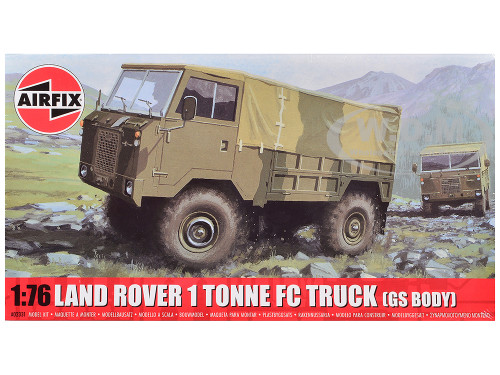
Skill Level 1 (Beginner) model kits are designed for hobbyists who are new to scale modeling or want a straightforward project without the complexity of more advanced kits. At DiecastModelsWholesale.com, this category brings together model kits identified as Skill Level 1, including beginner-friendly automotive subjects and snap-together kits that provide an accessible introduction to building scale models.
The DMW scale-model-kits catalog uses five skill levels: Skill Level 1 (Beginner), Skill Level 2 (Easy), Skill Level 3 (Intermediate), Skill Level 4 (Advanced), and Skill Level 5 (Expert). Skill Level 1 is the starting point of that progression.
For someone purchasing a first model kit, Skill Level 1 can be a useful place to begin. The individual product should still be reviewed carefully, because construction method, number of parts, scale, painting requirements, and other characteristics vary from one kit to another.
What Is a Skill Level 1 Model Kit?
A Skill Level 1 model kit is generally intended to make the assembly process more approachable for beginners. Rather than starting with a highly complex project containing numerous delicate components, a beginner can choose a kit with a more manageable construction process.
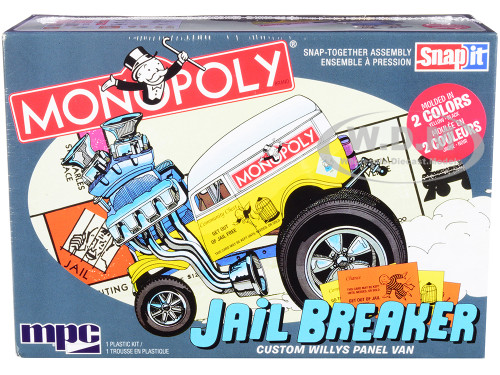
One important distinction is between a traditional model kit and a snap model kit. Some Skill Level 1 products at DMW are specifically identified as snap kits, meaning components are designed to fit together without the conventional glue-based assembly used by many traditional plastic kits. Current examples include Skill Level 1 snap kits from AMT and MPC.
However, Skill Level 1 does not necessarily mean that every kit is completely paint-free, glue-free, or tool-free. Always check the individual product description for the manufacturer's specific requirements.
Beginner-Friendly Model Kits
Starting with a manageable project can help a new builder become familiar with the basic stages of scale modeling:
- Review the instructions before beginning.
- Identify the parts and understand how the assemblies fit together.
- Prepare the components according to the kit's instructions.
- Assemble the model in the recommended sequence.
- Add decals or finishing details when required.
- Inspect the completed model before placing it on display.
The objective of a beginner kit is not simply to create a finished miniature. Building the model introduces the techniques and terminology used throughout the hobby, providing a foundation for more complicated projects later.
Cars and Trucks for Beginning Modelers
Automotive subjects are particularly approachable for people who already have an interest in cars and trucks. A familiar subject can make it easier to understand the relationship between individual components and the finished vehicle.
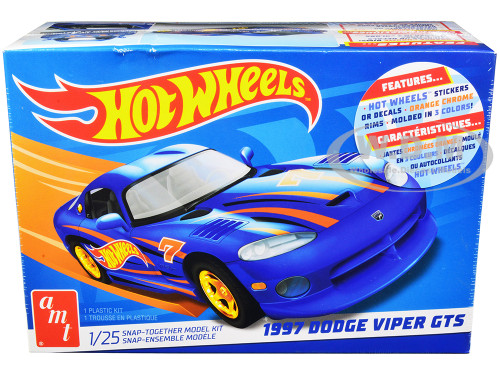
The current DMW scale-model-kit selection includes Skill Level 1 automotive subjects such as the Chevrolet K5 Blazer "Coca-Cola" 1:25 snap model kit, the Chevrolet Silverado "USA-1" Monster Truck 1:32 snap model kit, and the 1997 Dodge Viper GTS "Hot Wheels" 1:25 snap model kit.
These examples also demonstrate that beginner kits are not limited to one type of vehicle. Depending on current inventory, shoppers can find classic automobiles, trucks, performance cars, monster trucks, licensed subjects, and other automotive projects.
Snap Model Kits
Snap model kits can be an especially convenient starting point for someone who wants to experience model building without immediately taking on a traditional glue-assembly project.
Snap kits use specially designed connections that allow components to fit together. This can simplify the assembly process and reduce some of the challenges associated with applying model cement.
Current DMW listings include Skill Level 1 snap kits from manufacturers such as AMT and MPC, including automotive and specialty subjects.
Snap kits can also be useful for experienced collectors who want a quicker project or enjoy building models without committing to a more extensive paint-and-assembly process.
Nevertheless, "snap" should not automatically be interpreted as "no finishing required." Depending on the individual product, builders may still choose to paint parts, apply decals, remove mold lines, or add other finishing touches.
Choosing Your First Model Kit
When selecting a first model kit, the Skill Level 1 designation is a useful starting point, but there are several other factors worth considering.
Choose a Subject You Like
The best first project is often a subject that already interests you. If you enjoy American muscle cars, a classic automobile may be more appealing than an aircraft. If you are interested in trucks, a pickup or commercial vehicle can provide a more engaging first project.
A subject you already recognize can also make the assembly process easier to understand.
Check the Scale
Scale determines the approximate size of the finished model. A 1:25 car will be larger than a 1:32 car, while a 1:72 aircraft will be much smaller.
Current Skill Level 1 listings at DMW include both 1:25 and 1:32 automotive kits, demonstrating why it is important to check the scale of the individual product before purchasing.
Check Whether It Is a Snap Kit
If you specifically want a glue-free or simpler assembly experience, look for products identified as Snap Model Kits. Not every Skill Level 1 product should automatically be assumed to use the same construction method.
Read the Product Details
Before ordering, check the individual listing for:
- Scale
- Skill level
- Snap or traditional assembly
- Number of parts, when provided
- Painting requirements
- Decals
- Recommended tools or supplies
- Finished dimensions, when available
- Included accessories or alternate parts
These details can differ substantially between manufacturers and individual releases.
What Beginners Can Learn From Model Building
Even a relatively simple kit introduces skills that become increasingly useful as you progress through the hobby.
Following Instructions
Model kits are assembled in a particular sequence. Learning to follow the instructions carefully helps prevent mistakes and makes later stages of construction easier.
Understanding Scale
Working with a physical scale model gives beginners a practical understanding of how real vehicles and other subjects are represented at reduced size.
Parts Preparation
Depending on the kit, builders may learn how to separate components from sprues, clean up excess plastic, test-fit pieces, and identify where components belong.
Assembly
Model building develops patience and attention to detail. Even a beginner kit can contain small components that require careful handling.
Finishing
For kits that require or allow painting and decals, beginners can gradually learn about color selection, surface preparation, decal application, and other finishing techniques.
These skills provide a foundation for moving from beginner kits into more complex Skill Level 2 and Skill Level 3 projects.
From Beginner to Advanced Model Building
Skill Level 1 is only the beginning of the DMW model-kit progression. As builders become more comfortable with assembly and finishing, they can explore higher skill levels.
Skill Level 2 (Easy) introduces additional complexity while remaining accessible to many hobbyists. Current DMW listings include Skill Level 2 kits from AMT, MPC, and other manufacturers.
Skill Level 3 (Intermediate) can introduce more components and more detailed construction. Examples in the DMW catalog include Moebius 1:25 Ford pickup and tow-truck kits and an MPC 1:25 Pontiac GTO 3-in-1 kit.
Skill Level 4 (Advanced) and Skill Level 5 (Expert) are intended for builders who are comfortable with increasingly complicated assemblies and finishing techniques.
Starting with Skill Level 1 does not mean that a builder has to remain there. A beginner kit can be the first step toward developing the skills needed for increasingly detailed scale-model projects.
Model Kits for Kids, Teens and Adults
A Skill Level 1 designation describes the model-building difficulty, not necessarily the appropriate age for every product.
Always check the individual manufacturer's age recommendation before purchasing a kit for a child or young hobbyist. Small parts, tools, adhesives, paints, and other hobby materials may require adult supervision or may not be suitable for younger children.
For teens and adults beginning the hobby, Skill Level 1 can provide a practical entry point into scale modeling. More experienced builders can also choose beginner kits when they want a simpler weekend project or a quick build.
Skill Level 1 vs. Finished Diecast Models
It is important to understand the difference between a model kit and a finished diecast collectible.
A finished diecast model arrives assembled and ready for display. A model kit requires the buyer to construct the model.
This makes Skill Level 1 kits particularly interesting for people who want a hands-on hobby rather than simply adding another finished model to a collection.
If you prefer preassembled collectibles, DMW also carries a wide selection of finished diecast models. If you want to build the model yourself, the Scale Model Kits category provides access to projects across all skill levels.
Popular Beginner Model Kit Brands
Skill Level 1 products can come from different manufacturers, so the available brands change with inventory. Current DMW listings show beginner-oriented snap kits from AMT and MPC, among other model-kit products.
Brand alone should not determine whether a particular kit is suitable for a beginner. Always use the individual product's stated skill level and construction information when choosing a project.
Build Your First Scale Model
A Skill Level 1 model kit provides an opportunity to do more than simply collect a miniature. You get to open the kit, learn how its components fit together, assemble the model, and eventually place a finished project on your shelf.
Whether you are interested in a 1:25 classic car, a 1:32 monster truck, a snap-together automotive model, or another beginner-friendly subject, DMW's Skill Level 1 selection gives new builders a place to start.
Browse the Skill Level 1 (Beginner) model kits at DiecastModelsWholesale.com, explore the available subjects and scales, and choose a project that matches your interests and experience. Then start building your first scale model and take the next step into the hobby.