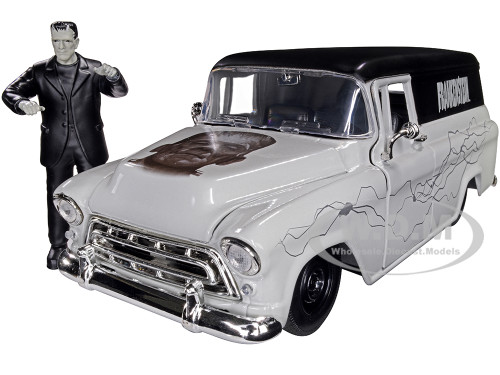
Frankenstein is one of the most enduring names in horror fiction, inspiring generations of filmmakers, artists, and collectors. The story of a scientist who creates life from assembled body parts originated with Mary Shelley's novel Frankenstein; or, The Modern Prometheus, first published in 1818. Since then, the novel and its adaptations have shaped the popular image of Frankenstein's creature, making it a recognizable figure in classic horror and Halloween culture.
For collectors, the Frankenstein theme can encompass classic monster movies, horror memorabilia, character collectibles, and vehicles associated with particular films or interpretations. The name is also connected with a broad tradition of cinematic monsters and imaginative designs, from the black-and-white Universal horror era to later adaptations and modern reimaginings.
This category is intended for shoppers exploring Frankenstein-related collectibles and movie-themed products. Because the franchise spans many decades and interpretations, it is important to distinguish items based on a specific film or licensed character from products that simply draw inspiration from classic monster imagery. Product availability, manufacturers, scales, and designs may vary; consult individual listings to confirm the details of any item currently offered.
The Origins of Frankenstein
Mary Shelley's Frankenstein was published in 1818 and is widely regarded as an important work of Gothic fiction and early science fiction. The novel follows Victor Frankenstein, a scientist whose experiments lead him to create a living being. Rather than presenting the creature as a simple monster, Shelley explores questions about ambition, responsibility, isolation, prejudice, and the consequences of scientific experimentation.
Over time, the story moved from literature into theater, film, television, and popular culture. Each adaptation brought its own interpretation of the scientist and his creation, helping the Frankenstein name evolve into a broad cultural reference.
One distinction is especially important to collectors: Frankenstein is the scientist's surname, while the creature is commonly called Frankenstein's monster or Frankenstein's creature. In everyday popular culture, the creature is often referred to simply as Frankenstein, but product names and licensed character descriptions may use more specific terminology.
This long history gives Frankenstein collectibles an appeal that extends beyond horror fans. The character's recognizable appearance and cultural significance make related items interesting to collectors of classic cinema, Gothic fiction, vintage monster imagery, and Halloween memorabilia.
Frankenstein in Classic Horror Cinema
Frankenstein (1931)
The 1931 film Frankenstein, directed by James Whale and starring Boris Karloff as the creature, established many of the visual features now associated with Frankenstein's monster. The creature's flat head, neck bolts, heavy shoes, and distinctive makeup became defining elements of the character's cinematic identity.
Karloff's performance helped make the creature more than a frightening figure. His portrayal also conveyed confusion, vulnerability, and the pain of being rejected by the world around him. This combination of horror and tragedy contributed to the film's enduring influence.
For collectors, the 1931 interpretation is particularly significant because many later toys, character figures, decorative items, and horror collectibles draw on this familiar design. When shopping for Frankenstein merchandise, the specific film or character version can be an important part of a product's appeal.
Bride of Frankenstein (1935)
Bride of Frankenstein, also directed by James Whale, continued the story and introduced another iconic character: the Bride, portrayed by Elsa Lanchester. Her towering hairstyle and striking appearance became influential images in horror history.
The sequel expanded the original film's themes while introducing new visual elements that distinguish its characters from other Frankenstein adaptations. Collectors interested in classic monster cinema may find the Monster and the Bride especially appealing as complementary subjects in a themed display.
Later Adaptations and Interpretations
Frankenstein's story continued through additional Universal films, including Son of Frankenstein (1939), as well as Hammer Film Productions' The Curse of Frankenstein (1957) and later adaptations such as Mary Shelley's Frankenstein (1994).
Each interpretation presents its own approach to the creature, the scientist, and the ethics of creating life. Costume, makeup, proportions, and overall tone can differ considerably between productions. These differences are useful to collectors who want to organize their items by film, actor, studio, or interpretation rather than treating every Frankenstein design as identical.
What to Look for in Frankenstein Collectibles
Frankenstein-related merchandise can cover a wide range of collecting interests. Depending on the products offered, shoppers may encounter character figures, horror-themed collectibles, movie memorabilia, or items inspired by classic monster designs.
When evaluating an item, consider the following:
-
Film or character identification: Determine which adaptation, actor, or interpretation the product represents.
-
Official licensing: Look for product information confirming an authorized connection to a film or entertainment property.
-
Design accuracy: Compare the character's makeup, clothing, proportions, and distinctive features with the intended screen version.
-
Manufacturer and materials: Review the listing for the manufacturer, construction, and any stated materials.
-
Size and scale: Confirm the item's dimensions and whether a stated scale applies to the product.
-
Packaging and condition: Check the packaging details if you plan to keep the collectible boxed or give it as a gift.
A collectible based on Boris Karloff's 1931 appearance, for example, may look quite different from one inspired by a later adaptation. Product names and photographs are therefore important when selecting an item for a specific collection.
Frankenstein and Diecast Collecting
Although Frankenstein is primarily associated with horror characters rather than automotive history, the subject can still appeal to collectors interested in movie-themed vehicles and unusual entertainment collectibles. Horror cinema has inspired imaginative designs across toys, model vehicles, and other pop-culture merchandise.
For diecast collectors, it is important to establish what a product actually represents. A vehicle with a horror-inspired decoration, a model associated with a particular movie, and a character collectible are different types of products. A Frankenstein theme alone does not establish that an item is an official film replica or that a particular vehicle appeared on screen.
If a diecast vehicle or other model is listed in this category, review its product description for the specific connection to Frankenstein. Confirmed licensing, manufacturer details, scale, and design information can help you decide whether it belongs in a movie collection, a horror-themed display, or a broader pop-culture assortment.
Displaying a Frankenstein Collection
Frankenstein collectibles can be displayed on their own or alongside other classic horror subjects. The character's long history offers several ways to organize a collection without mixing different versions unintentionally.
Consider these display themes:
-
Universal Classic Monsters: Group Frankenstein-related items with collectibles inspired by other classic Universal horror characters.
-
Classic black-and-white horror: Focus on early cinematic interpretations and the visual style of vintage monster films.
-
The Monster and the Bride: Display complementary character representations from Frankenstein and Bride of Frankenstein.
-
Horror through the decades: Arrange collectibles by film era to show how the creature's appearance has evolved.
-
Movie memorabilia: Combine character collectibles with other items related to favorite horror films, provided each item's identity and origin are clear.
Collectors who keep items in their original packaging may want to consider box condition, shelf depth, and protection from direct sunlight. Those who display unboxed figures or models should allow sufficient space to appreciate individual details and avoid overcrowding.
A well-organized display can highlight the differences between adaptations while celebrating the character's place in film history.
Frankenstein Collectibles for Horror Fans and Gift Shoppers
Frankenstein merchandise can be a fitting gift for fans of classic horror, Gothic fiction, vintage cinema, and monster movies. The character is recognizable across generations, making related collectibles appealing to longtime genre enthusiasts as well as people beginning a horror collection.
For a dedicated collector, the most appropriate gift may depend on a preferred film, actor, manufacturer, or character design. A fan of classic Universal horror may value a product inspired by the 1931 film, while someone interested in literary adaptations may prefer a different interpretation of Shelley's creation.
Before purchasing, check the listing for the item's identity, dimensions, materials, packaging, and licensing details. Do not assume that every Frankenstein-themed item belongs to the same film series or represents the same version of the creature.
Explore the available products in the Frankenstein category to find collectibles suited to your interest in classic monster movies, horror history, and memorable characters from the screen.