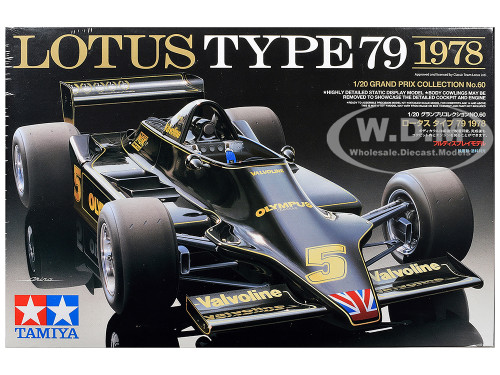
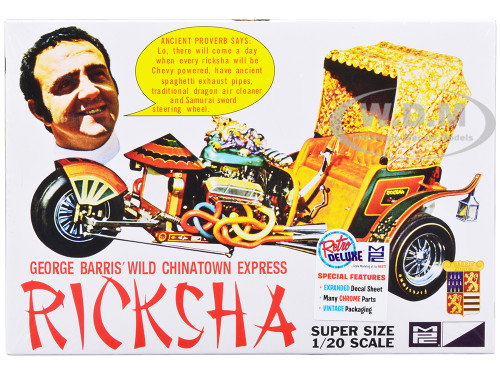
1/20 Scale Diecast Models
Explore 1/20 scale diecast models at DiecastModelsWholesale.com, featuring collectibles produced at approximately one-twentieth the size of their real-world counterparts. This scale occupies an interesting position among larger vehicle models, offering a substantial display presence while requiring less space than many 1/18 and larger-scale models.
The 1/20 scale is especially familiar in certain areas of vehicle modeling, including automotive and motorsport subjects, although the exact selection varies by manufacturer and production period. Depending on availability, collectors may find cars, racing vehicles, specialty vehicles, and other subjects represented in this scale.
For collectors who enjoy a particular vehicle but do not necessarily need the larger footprint of a 1/18 model, 1/20 can provide an appealing alternative. As with any diecast purchase, checking the individual product specifications is important because construction, dimensions, opening features, and materials vary from model to model.
What Does 1/20 Scale Mean?
Scale indicates how a model's dimensions compare with the full-size vehicle. A 1/20 scale model is approximately one-twentieth the length, width, and height of the original subject, although exact dimensions depend on the proportions of the real vehicle.
For example, a full-size automobile measuring about 15 feet long would translate to a model approximately 9 inches long at 1/20 scale. A larger vehicle will naturally produce a larger model even when both are manufactured to the same scale.
This makes 1/20 a relatively substantial scale for display while remaining manageable for many collectors. It is also close enough to 1/18 that collectors should pay attention to the stated scale when maintaining a strictly consistent display.
1/20 vs. 1/18 Scale
The most common comparison for 1/20 scale is 1/18. Both are established large-format scales, but a 1/20 model is smaller than an equivalent 1/18 model.
The difference is approximately 10% in linear dimensions. That can be noticeable when two otherwise similar vehicles are positioned directly beside one another.
For collectors building a strictly scale-consistent display, keeping 1/20 models with other 1/20 subjects will provide the most uniform appearance. However, many collections are organized around a vehicle, manufacturer, racing series, or historical theme rather than a single scale. In those collections, the relatively modest difference between 1/20 and 1/18 may be perfectly acceptable.
What Can You Expect to Find?
Because 1/20 is less broadly represented than some popular automotive scales, selection depends heavily on current manufacturer production and availability. The category may include different types of collectible vehicles rather than a single standardized subject.
Potential characteristics to look for include:
- Detailed exterior bodywork and trim
- Interior detailing such as seats, dashboards, and steering wheels
- Realistic wheels and tires
- Reproduced lights, grilles, mirrors, and other exterior components
- Opening doors, hoods, or other movable parts on applicable models
- Racing graphics, sponsor liveries, and competition details
- Manufacturer-specific features and trim
- Display-oriented construction for collectors
Not every 1/20 model will include all of these features. Product specifications and photographs are the best way to determine exactly what is included with an individual model.
Choosing a 1/20 Diecast Model
When shopping for 1/20 scale diecast models, consider more than simply the scale. The right model depends on what you collect and how you intend to display it.
Subject and Version
If you are collecting a particular vehicle, check the exact version represented. Differences in body style, year, racing configuration, trim, wheels, colors, and liveries can make two models of the same basic vehicle substantially different collectibles.
Model Dimensions
Scale provides a useful starting point, but actual dimensions are more important when planning a display. A long sports car, race car, truck, or specialty vehicle will occupy more shelf space than a smaller vehicle at the same scale.
Construction and Detail
Diecast models can combine metal and plastic components in different proportions. Examine the product description and photographs for information about the body, interior, wheels, exterior details, and movable components.
Display Space
A 1/20 model generally needs considerably more room than a 1/43 or 1/64 model. Measure your available shelf or display case before purchasing, particularly if you are building a collection of larger models.
Building a 1/20 Scale Collection
Collectors can build a 1/20 collection around almost any theme represented by available products. Automotive enthusiasts might focus on a particular manufacturer or type of vehicle, while motorsport collectors can organize models around racing teams, drivers, championships, or eras.
Another approach is to use 1/20 as part of a larger collection of related large-scale models. A display can combine subjects according to theme while recognizing that 1/18, 1/20, and other nearby scales will not have exactly the same proportions.
If scale accuracy is your priority, compare the scale printed in each product listing before adding a new model. This is particularly useful when shopping for vehicles that are available from different manufacturers in multiple scales.
Comparing Common Diecast Scales
Understanding how 1/20 relates to other popular formats can make it easier to choose models for your collection.
- 1/12 — Large scale with a strong display presence and room for extensive detailing
- 1/18 — Popular large-scale format for cars and many other vehicle subjects
- 1/19 — Uncommon scale positioned close to 1/18
- 1/20 — Large-format scale suitable for substantial vehicle displays
- 1/24 — Popular automotive scale with a smaller footprint
- 1/43 — Compact scale suitable for broad vehicle collections
- 1/64 — Small scale that allows many models to fit into a themed display
The actual size of a model depends on the size and proportions of the original vehicle. A 1/20 model of a large vehicle will therefore be larger than a 1/20 model of a compact car.
Displaying 1/20 Scale Models
A 1/20 diecast model can serve as an effective focal point on a shelf, cabinet, desk, or collector display. Its larger size allows the vehicle's overall shape and detailing to be appreciated without requiring the footprint of some larger scales.
Consider displaying models with enough space around them to see the bodywork, wheels, interior, and other details. If a model has opening parts, allow additional clearance so those features can be displayed without touching neighboring collectibles.
For themed displays, 1/20 models can work particularly well when grouped by manufacturer, racing series, vehicle type, era, or color scheme. A consistent background and spacing can also help individual models stand out.
Collectors combining multiple scales may want to place similarly sized models together rather than relying solely on the numerical scale. This can create a more visually balanced display while still allowing different subjects to remain part of the same collection.
1/20 Scale for Automotive and Motorsport Collectors
The scale can be an appealing choice for collectors interested in vehicle design and racing history. A model at this size has enough physical presence for details such as body contours, aerodynamic elements, wheels, cockpit areas, and racing graphics to become important parts of the display.
Motorsport collectors should pay particular attention to the specific racing version represented by a model. Race cars can change considerably from one season, event, team, or configuration to another, so the product name and description should be reviewed carefully before purchase.
For automotive collectors, details such as generation, body style, engine-related styling, wheels, paint scheme, and trim can similarly distinguish one collectible from another.
Finding Your Next 1/20 Scale Model
The 1/20 category gives collectors a convenient place to look for models specifically produced in this scale. Since availability can vary, shoppers searching for a particular vehicle or version should review the current selection and product specifications carefully.
If you collect across several sizes, you can also explore other diecast model scales to find vehicles that complement your existing display.
Whether you are starting a new collection, adding a centerpiece to an existing display, or searching for a specific vehicle in an uncommon scale, 1/20 offers an interesting balance of size and display presence.
Browse the 1/20 scale diecast models at DiecastModelsWholesale.com and find a collectible that fits your collection, interests, and display.

 $53.99Was $62.99Save 14%