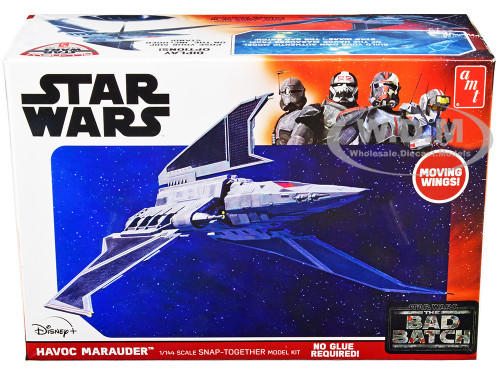
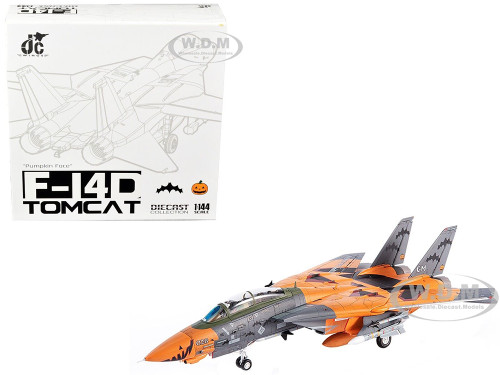
1/144 scale diecast models are compact scale replicas built at one one-hundred-forty-fourth of the dimensions of the original subject. This scale is especially important for aircraft models, making it possible to collect and display large commercial airliners, military aircraft, cargo planes, and other aviation subjects without the substantial shelf space required by larger scales.
At 1/144, a real-world measurement is reduced to approximately 0.69% of its original length. For example, an aircraft with a 48-foot wingspan would have a model wingspan of about 4 inches. This makes 1/144 a practical choice for collectors who want recognizable aircraft proportions and detailed liveries while keeping their collection relatively compact.
The scale also has a long-standing presence in the aircraft modeling world. Because aircraft vary greatly in size, 1/144 provides an interesting way to compare different aircraft within a collection while maintaining a consistent scale. A small fighter, regional aircraft, and large wide-body airliner can all be displayed together with their relative size differences represented naturally.
What Does 1/144 Scale Mean?
The 1/144 scale designation means that one unit on the model represents 144 of the same units on the original subject.
The calculation is straightforward:
Model dimension = actual dimension ÷ 144
This applies to length, wingspan, height, and other linear dimensions. As a result, the physical size of a 1/144 model depends on the size of the original aircraft or vehicle.
For example:
- A 36-foot aircraft length becomes approximately 3 inches at 1/144.
- A 60-foot wingspan becomes approximately 5 inches.
- A 200-foot airliner becomes approximately 16.7 inches long.
These are mathematical examples rather than specific product dimensions. Actual models can vary slightly because of manufacturing specifications, configuration, and how individual products are constructed.
For collectors, the key point is that 1/144 is a scale, not a fixed model size. A 1/144 wide-body aircraft will naturally be much larger than a 1/144 fighter aircraft.
Why Collect 1/144 Scale Diecast Models?
An Ideal Scale for Aircraft Collectors
Aircraft are among the most natural subjects for 1/144 scale. Full-size aircraft can be extremely large, particularly wide-body passenger jets and military transports. Representing them at 1/144 makes them much easier to collect and display.
The scale is particularly useful for collectors interested in building an aviation collection containing multiple aircraft types rather than concentrating on just one or two large models.
Compact but Visually Detailed
Although 1/144 models are considerably smaller than many popular automotive scales, they can still present the features that make a particular aircraft recognizable.
Depending on the individual model, collectors may appreciate details such as:
- Aircraft shape and proportions
- Wings and engine configuration
- Cockpit design
- Landing gear
- Airline liveries
- Registration markings
- Military insignia
- Squadron or unit markings
- Cargo and transport configurations
At this scale, markings and overall presentation can be particularly important because small details contribute significantly to the model's identity.
Consistent Aviation Displays
A major advantage of collecting at a consistent scale is the ability to compare aircraft according to their real-world proportions.
A 1/144 fighter aircraft will be smaller than a 1/144 transport aircraft because the original fighter is smaller. Likewise, a large commercial airliner will occupy considerably more shelf space than a regional aircraft at the same scale.
This creates a display that reflects the actual differences between the subjects rather than making every model approximately the same physical size.
What Can You Find in 1/144 Scale?
The selection of 1/144 diecast models can vary depending on current manufacturer production and availability. Aircraft are the most prominent application of the scale, but the specific subjects available can change over time.
Collectors may encounter 1/144 models representing:
- Commercial passenger aircraft
- Wide-body airliners
- Narrow-body airliners
- Regional aircraft
- Military fighters
- Bombers
- Cargo aircraft
- Military transport aircraft
- Helicopters
- Specialty aviation subjects
- Other vehicles or transportation subjects produced in this scale
When shopping, check the individual product specifications carefully. Not every aircraft or vehicle is produced in 1/144, and manufacturers may offer the same general subject in several different scales.
1/144 Scale Aircraft Models
For aviation enthusiasts, 1/144 is particularly useful because it allows a collection to cover a broad range of aircraft without requiring a large display area.
Commercial Aviation
Airline collectors can use 1/144 models to build collections around particular airlines, aircraft families, operators, eras, or liveries. A collection might include several generations of passenger aircraft, from earlier jetliners through modern commercial aircraft.
Because airline models are often identified by their liveries and registrations, collectors should pay close attention to the exact version represented by each model. Two models of the same aircraft type can have very different significance depending on the airline, registration, paint scheme, or historical period.
Military Aviation
1/144 also works well for military aircraft collections. Fighters, bombers, transports, reconnaissance aircraft, and other military subjects can be represented together while preserving relative size differences.
A collector might build a collection around a particular air force, aircraft manufacturer, conflict, historical era, or aircraft family. Compact scale can be particularly useful for displaying multiple aircraft from a broader military aviation theme.
Large Aircraft
One of the strongest practical advantages of 1/144 becomes apparent with large aircraft. A wide-body passenger aircraft or heavy military transport can require a substantial amount of room in a larger scale.
At 1/144, these aircraft remain large enough to make an impressive display while being considerably more manageable than the same subjects in scales such as 1/72 or 1/48.
1/144 Compared With Other Aircraft Scales
Choosing an aircraft scale often comes down to balancing detail, physical size, subject availability, and display space.
Some useful comparisons include:
- 1/72 — Much larger than 1/144 and well suited to collectors who want a larger aircraft display with more physical presence.
- 1/100 — Larger than 1/144 while remaining relatively compact.
- 1/120 — Larger than 1/144.
- 1/130 — Larger than 1/144, but closer in size than many larger aircraft scales.
- 1/140 — Slightly larger than 1/144; the difference is relatively small in linear dimensions.
- 1/144 — A compact, established aircraft scale offering a practical balance between model size and display space.
- 1/200 — Smaller than 1/144 and useful for collectors prioritizing compact displays.
- 1/400 — Considerably smaller, allowing very large aviation collections to occupy relatively little space.
A 1/72 model is exactly twice the linear dimensions of a 1/144 model when representing the same aircraft. That means the difference in display footprint can be substantial.
The choice between 1/140 and 1/144 deserves particular attention for collectors interested in uncommon compact scales. They are close in physical size, but they remain distinct scales. If maintaining scale consistency is important, choose models based on their stated scale rather than assuming nearby scales are interchangeable.
Choosing a 1/144 Diecast Model
When selecting a 1/144 scale diecast aircraft, consider more than just the aircraft type.
Verify the Exact Subject
Aircraft often have numerous variants and configurations. Check the product name and specifications to make sure the model represents the version you want.
Check the Livery or Markings
For airline collectors, the livery and registration may be the primary reason for choosing a particular model. Military collectors should similarly check national markings, squadron insignia, unit markings, and configuration.
Consider Model Dimensions
The scale tells you the proportional relationship to the original aircraft, but the actual finished dimensions depend on that aircraft's size.
Before purchasing, consider:
- Overall length
- Wingspan
- Height
- Display orientation
- Available shelf depth
- Display case dimensions
Consider How It Fits Your Collection
If most of your aviation collection is 1/144, adding another model in the same scale can provide a cohesive appearance. If your collection includes multiple scales, decide whether the new model will be displayed by scale, subject, airline, military service, or historical period.
Building a 1/144 Aviation Collection
The compact nature of 1/144 makes thematic collecting particularly practical.
An airline enthusiast might organize models by carrier or aircraft family. A military aviation collector could focus on a particular country, conflict, service branch, or era. Another collector might simply choose aircraft that have personal or historical significance.
Possible collection themes include:
- Commercial airliners
- Classic jetliners
- Modern passenger aircraft
- Cargo aircraft
- Military transports
- Fighter aircraft
- Strategic aircraft
- Helicopters
- Specific airlines
- Specific air forces
- Aircraft manufacturers
- Historical aviation eras
You can also use 1/144 as a common scale for building a chronological collection. For example, different aircraft generations can be displayed together to show how aviation design evolved over time.
Displaying 1/144 Scale Models
One of the greatest benefits of 1/144 is display flexibility.
Models can be arranged on shelves, inside glass or acrylic cases, or as part of a dedicated aviation display. Larger aircraft may need more shelf depth than smaller fighters, so measure the intended display area before deciding how to arrange the collection.
Collectors can also create themed groupings. Passenger aircraft can be arranged by airline, while military aircraft can be grouped by country or historical era. Alternatively, arranging models by aircraft size can emphasize the impressive differences between a compact fighter and a large transport or airliner.
For long-term display, protecting models from dust, excessive handling, and accidental impact can help preserve their appearance.
The Appeal of 1/144 for Collectors
1/144 occupies an interesting position among aircraft scales. It is compact enough for substantial collections but large enough for the aircraft to remain visually recognizable as an individual display piece.
This makes it especially attractive to collectors who want variety. Instead of dedicating a large display area to a small number of aircraft, a collector can represent many different aircraft, airlines, military units, or historical periods within a more manageable footprint.
The scale also works well for collectors who enjoy comparing aircraft. Because every model follows the same proportional standard, the relative physical size of the models reflects the size differences of the real aircraft.
For enthusiasts who appreciate aviation history, aircraft design, airline liveries, military markings, or simply the visual character of different aircraft, 1/144 provides a versatile foundation for a collection.
Find 1/144 Scale Diecast Models
Whether you are building an airline collection, collecting military aircraft, looking for a compact display model, or adding a particular aircraft to an existing collection, 1/144 scale diecast models offer an appealing combination of manageable size and recognizable detail.
Browse the current 1/144 selection at DiecastModelsWholesale.com and explore the available aircraft and other scale models to find the right addition for your collection.

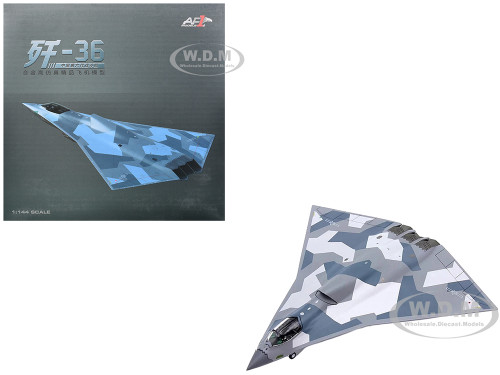

 $38.99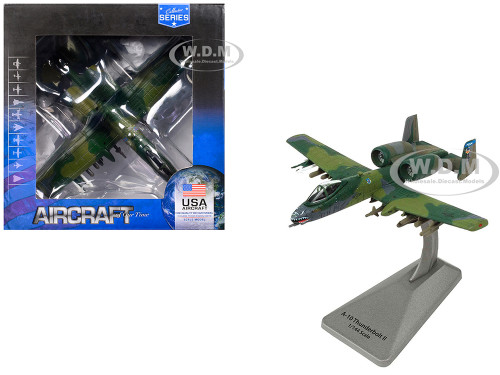
 $59.99


 $30.95
 $30.95
 $54.99
 $30.95
 $30.95
 $30.95
 $30.95


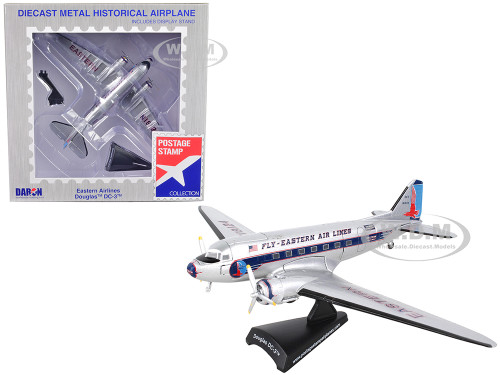
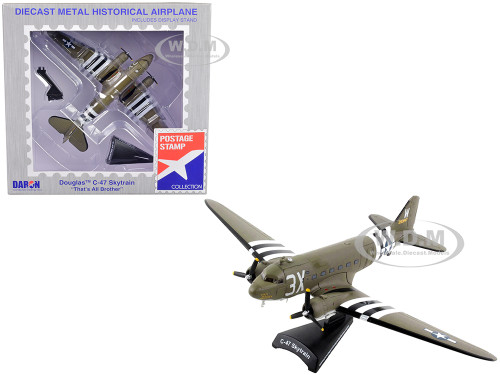
 $44.99
 $49.99