Fire Department Diecast Models and Fire Apparatus Replicas
Fire departments rely on a wide range of specialized vehicles and equipment to respond to fires, rescue incidents, medical emergencies, hazardous materials calls, and other emergencies. From traditional fire engines and ladder trucks to rescue units, pumpers, and command vehicles, each type of apparatus is designed for a particular role.
At DiecastModelsWholesale.com, the Fire Department category brings together scale replicas representing fire-service vehicles and apparatus. These fire department diecast models can be collected individually, organized by apparatus type or manufacturer, or displayed together as part of a miniature firehouse or emergency-response scene.
Fire Department Diecast Models
Types of Fire Department Vehicles
Fire apparatus varies considerably depending on the department, community, and operational requirements. The most recognizable types include fire engines, ladder trucks, rescue vehicles, and specialized emergency apparatus.
Fire Engines and Pumpers
A fire engine, also commonly called a pumper, is primarily equipped to deliver water and firefighting equipment. A typical engine can carry hose, water, pumps, ladders, breathing equipment, and other tools used by firefighters.
For collectors, fire engine models often provide some of the most recognizable examples of modern fire apparatus, with detailed cabs, hose beds, pump panels, emergency lighting, and department markings.
Ladder Trucks
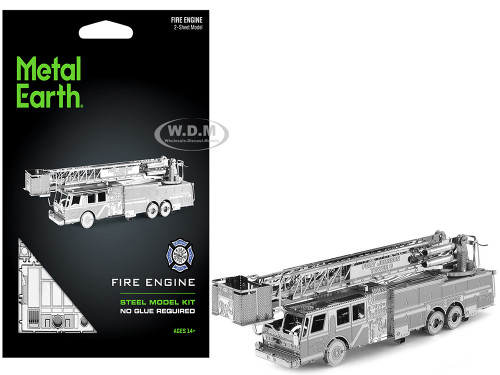
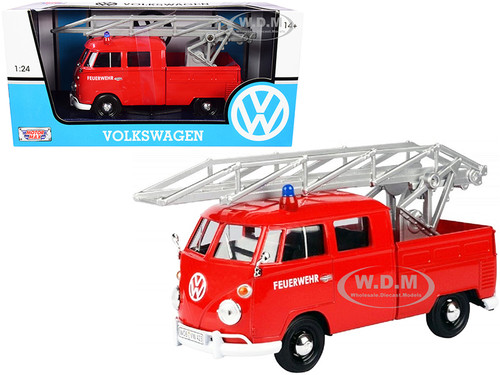
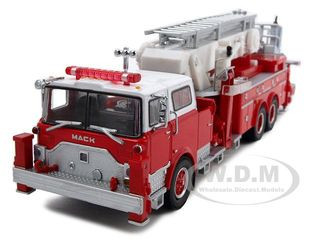
Aerial ladder trucks are designed to provide firefighters with elevated access to buildings and other structures. Depending on the apparatus, the aerial device may be a straight ladder or a telescoping or articulating platform system.
Ladder trucks are especially distinctive as scale models because of their long aerial devices, stabilizers, rear body compartments, and specialized chassis.
Rescue and Heavy Rescue Vehicles
Rescue apparatus carries specialized tools and equipment for situations that require more than conventional firefighting equipment. Depending on the department, rescue vehicles may support vehicle extrication, technical rescue, hazardous-material response, structural collapse operations, or other specialized missions.
Fire Department Command Vehicles
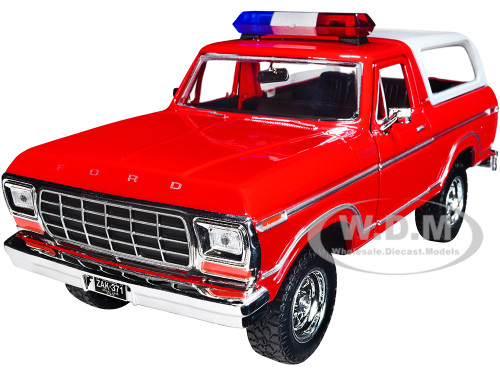
Command and support vehicles provide transportation and equipment for officers and specialized personnel. These can include SUVs, vans, pickups, and other vehicles configured for fire-service operations.
Specialized Fire Apparatus
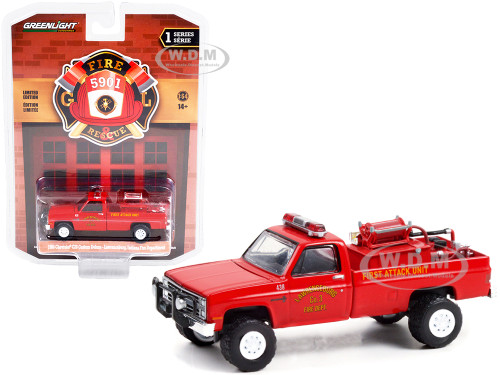
Departments may also operate specialized apparatus for particular environments or hazards, including airport fire vehicles, brush trucks, wildland apparatus, water tenders, hazmat units, and other equipment.
The result is a diverse range of fire-service vehicles, giving collectors many different subjects to explore.
A Brief History of Fire Apparatus
Firefighting equipment has a long history, and the development of fire apparatus reflects changes in technology, cities, firefighting methods, and fire-service organization.
In the United States, volunteer fire companies played an important role in firefighting during the 18th and 19th centuries. The Smithsonian's National Museum of American History notes that fire engines were central to the identity and pride of many volunteer companies. Engine maker's plates were prominently attached to apparatus and could identify the company, number, builder, and founding date.
Early American fire engines included hand-pumped apparatus. Firefighters supplied the pumping power manually while other members of the company handled hoses and water supply.
The technology changed substantially during the 19th century. Steam-powered fire engines became an important development, providing mechanical pumping power instead of relying entirely on manual operation. The Smithsonian records that Hunneman & Company of Boston, founded in 1792, built its first steam engine in 1866 after becoming known for hand-pumped apparatus.
The Transition to Motorized Fire Apparatus
The introduction of motor vehicles transformed fire departments. Motorized apparatus could travel to incidents under its own power and integrate pumps, hose, ladders, and other equipment onto specialized truck chassis.
The National Fire Protection Association's historical documentation describes the development of national specifications for motorized fire apparatus in the early 20th century. NFPA adopted its first national specification for municipal fire apparatus in 1914, followed by specifications covering combination chemical and hose wagons and automobile service ladder trucks.
As motorized apparatus became more sophisticated, fire departments increasingly operated purpose-built vehicles designed around specific firefighting and rescue functions.
Fire Department Apparatus and Modern Emergency Response
Today's fire apparatus can carry considerably more equipment than the early hand engines and steam fire engines of previous generations. Modern vehicles can incorporate pumps, water tanks, aerial devices, hydraulic tools, breathing apparatus, communications equipment, lighting, rescue tools, and specialized firefighting systems.
The exact apparatus assigned to a station depends on the community and the department's operational needs. A municipal fire station might operate an engine company, ladder company, rescue apparatus, or a combination of specialized vehicles.
Fire departments may also provide emergency medical services. NFPA research shows that U.S. fire departments vary in the level of emergency medical service they provide, from departments that provide no EMS to those providing basic or advanced life support.
This variety is reflected in the fire department diecast models available to collectors. A collection can represent not only traditional fire engines but the broader range of emergency vehicles used by fire services.
Fire Department Diecast Models for Collectors
Fire department models are popular subjects for collectors because they combine distinctive vehicle designs with recognizable emergency-service markings.
A detailed fire department diecast model may reproduce many of the features found on a full-size apparatus, including:
- Emergency lights and sirens
- Fire-service markings and lettering
- Hose beds and hose lines
- Pump panels
- Ladders and aerial devices
- Water tanks
- Compartment doors
- Rescue equipment
- Tool storage areas
- Mirrors and exterior fittings
- Fire department logos and unit numbers
Department graphics can be particularly interesting to collectors because they can identify a particular city, fire district, station, or apparatus company.
Fire Engine Models and Department Liveries
One of the most important visual elements of fire apparatus is its livery. Fire departments use different combinations of colors, striping, lettering, logos, and identification numbers.
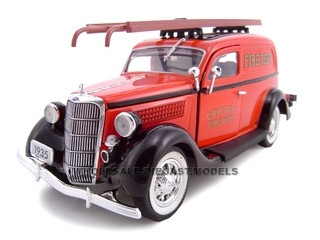
Although red is strongly associated with fire engines, real fire apparatus is not limited to one color. Departments may use different body colors or combinations of colors depending on local traditions and operating practices.
For collectors, the markings can be just as significant as the vehicle itself. Two scale models based on similar chassis can represent very different apparatus because of their department graphics, equipment configurations, and historical settings.
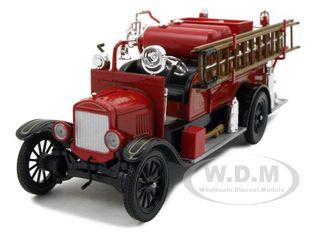
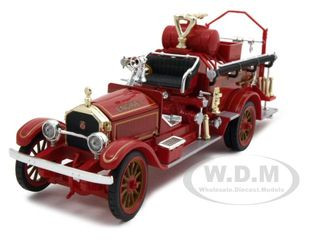
Vintage fire apparatus can be especially interesting because older body styles, equipment arrangements, and department markings can differ substantially from contemporary vehicles.
Fire Department Diecast Scales
Fire apparatus replicas are produced in several scales, depending on the manufacturer and individual model. Collectors may encounter fire department models in 1/12, 1/18, 1/24, 1/32, 1/43, 1/50, and 1/64 scale, among others.
The appropriate scale depends on the collector's existing display. A 1/64 collection can accommodate multiple apparatus in a relatively compact space, while larger scales allow more room for cab, equipment, ladder, and body details.
When purchasing a model, check the individual product specifications for the exact scale and dimensions. Not every fire apparatus type or manufacturer is produced in every scale.
Building a Fire Apparatus Collection
A fire department collection can be organized in many different ways.
Collect by Apparatus Type
A collector might build a display around different functions:
- Fire engines and pumpers
- Ladder trucks
- Rescue trucks
- Command vehicles
- Brush and wildland trucks
- Airport fire apparatus
- Hazmat vehicles
- Water tenders
- Specialized emergency apparatus
Collect by Manufacturer
Another approach is to focus on the truck and apparatus manufacturers represented by the models. Comparing different cab designs, chassis, body configurations, and equipment layouts can reveal how fire apparatus has evolved.
Collect by Fire Department
Department-specific collections can focus on the markings and apparatus associated with a particular city or fire service. This can make unit numbers, station identifiers, logos, and historical liveries important parts of the collection.
Collect by Era
A collection spanning vintage and modern fire apparatus can illustrate the transition from earlier motorized fire engines to contemporary emergency vehicles equipped with advanced pumps, aerial devices, rescue equipment, and electronic systems.
Fire Department Models for Display Scenes
Fire apparatus can also be used to create detailed miniature emergency-response scenes. A fire engine can be displayed outside a fire station, alongside a ladder truck, rescue unit, ambulance, or other emergency vehicle.
Collectors interested in expanding beyond fire apparatus can also explore Ambulance Diecast Models and Police Department Diecast Models to create a broader emergency-services display.
A fire department collection can also complement general Vehicle Type Diecast Models when building a larger collection organized around emergency, commercial, and specialty vehicles.
What to Look for in a Fire Department Diecast Model
When choosing a fire apparatus replica, collectors may want to consider:
- Apparatus type: Engine, pumper, ladder, rescue, command, or specialized vehicle.
- Scale: Match the model with other vehicles in the collection when desired.
- Fire department: Consider the city, district, or service represented.
- Vehicle manufacturer: Cab and chassis design can be an important identifying feature.
- Equipment detail: Look for ladders, hoses, pump panels, compartments, tools, and other apparatus features.
- Moving components: Some models may have movable ladders, aerial devices, wheels, doors, or other parts.
- Era: Compare vintage apparatus with contemporary fire-service vehicles.
- Livery: Department colors, logos, lettering, and unit numbers can add collecting interest.
The individual product description should be checked for exact scale, materials, dimensions, and working or movable features.
The Evolution of Fire Apparatus
The history of fire department vehicles reflects a broader transition from manually operated hand engines to steam-powered equipment and eventually motorized, purpose-built apparatus. Historic fire engine records preserved by the Smithsonian document the importance of apparatus to 19th-century volunteer fire companies, while NFPA's historical records show the development of formal specifications for motorized fire apparatus during the early 20th century.
For collectors, that history makes fire department models more than miniature emergency vehicles. Different apparatus can represent changes in firefighting technology, truck design, department organization, and specialized emergency response.
Whether you collect fire engines, ladder trucks, rescue vehicles, vintage apparatus, department-specific liveries, or modern emergency equipment, the Fire Department category provides an opportunity to build a collection around one of the most recognizable types of emergency-service vehicles.
Browse the Fire Department diecast models at DiecastModelsWholesale.com to explore fire apparatus replicas and find vehicles to add to your collection or display.

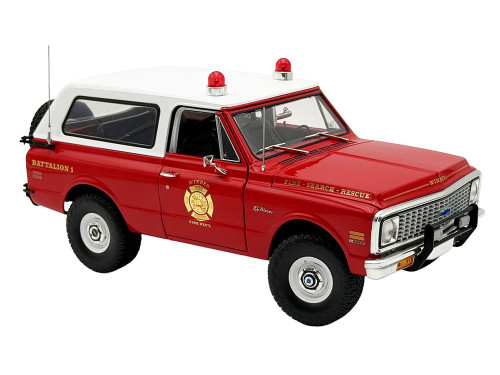 $144.95
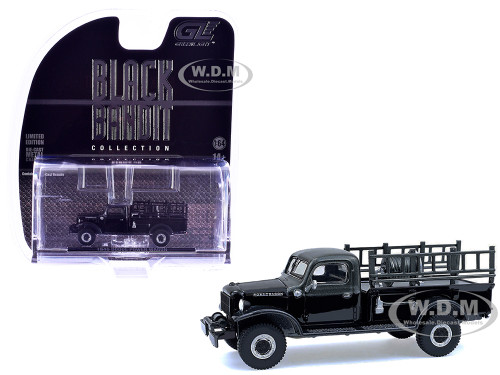
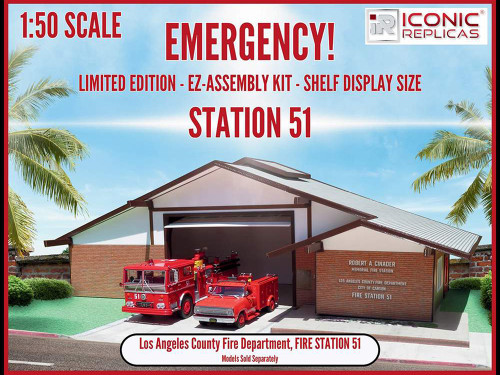

 $8.99
 $8.99
 $8.99
 $53.99


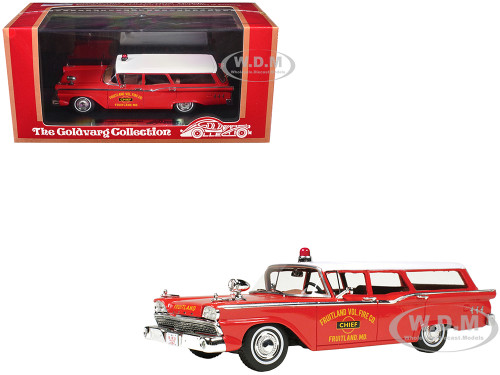
 $19.99Was $24.99Save 20%




 $8.99



 $54.99