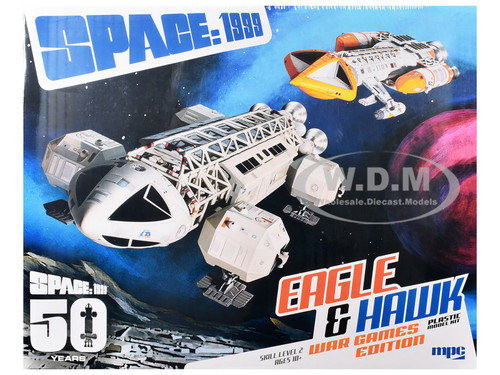
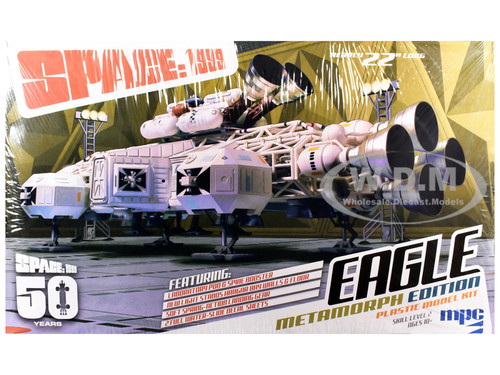
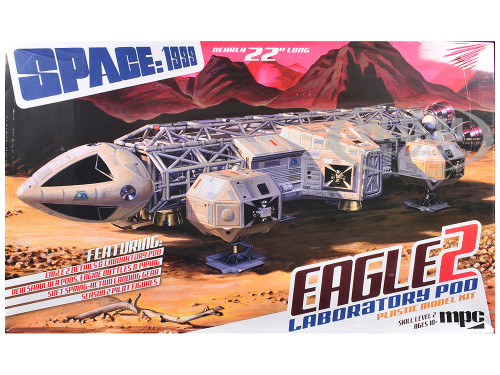
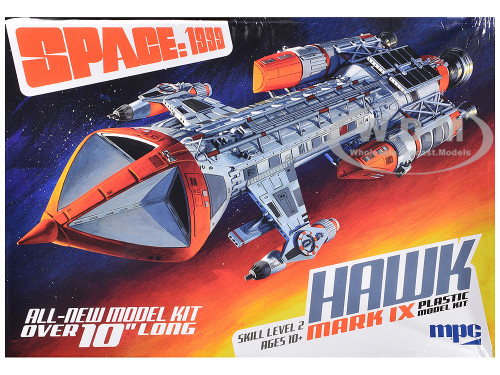
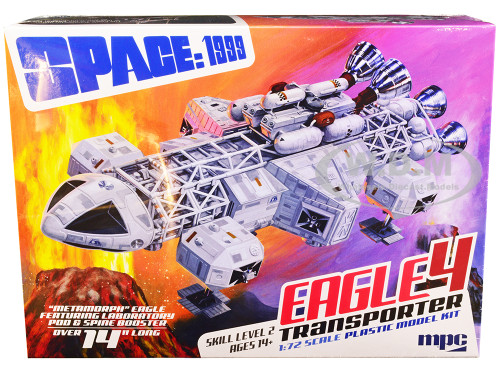
Space: 1999 is a classic science fiction television series celebrated for its imaginative spacecraft, futuristic technology, dramatic space adventures, and distinctive production design. The British series premiered in 1975 and was created by Gerry and Sylvia Anderson, known for their influential work in science fiction television. Set in the future, the story begins when a catastrophic nuclear explosion sends the Moon out of Earth's orbit, carrying Moonbase Alpha and its inhabitants into deep space.
For science fiction fans and model collectors, Space: 1999 remains especially memorable for its spacecraft designs. The Eagle Transporter, in particular, became one of the most recognizable spacecraft of classic television science fiction. Its functional-looking modular design, exposed framework, landing gear, and distinctive engine section helped establish a visual identity that continues to attract collectors decades after the show's original broadcast.
The Space: 1999 category at DiecastModelsWholesale.com is intended for fans of the series and collectors interested in its spacecraft and science fiction memorabilia. Available products may vary, so shoppers should check individual listings for the exact item, scale, dimensions, materials, features, and current availability.
The History of Space: 1999
A Classic British Science Fiction Series
Space: 1999 premiered in September 1975. The first season was produced by Gerry Anderson and Sylvia Anderson, with the series developed around a concept that combined space exploration, technological speculation, and stories about humanity confronting the unknown.
The series is set in 1999, when a massive explosion at a nuclear waste storage facility on the Moon causes it to break free from Earth's orbit. Moonbase Alpha, an international research settlement, is carried along with the Moon as it travels through space. Commander John Koenig and the base's personnel must find ways to survive, maintain their equipment, and respond to unfamiliar worlds and phenomena.
Rather than following a conventional journey toward a known destination, the series uses the Moon's unpredictable passage through space to introduce new mysteries and challenges. Its stories explore survival, scientific discovery, alien encounters, human conflict, and philosophical questions about humanity's place in the universe.
The second season premiered in 1976 and introduced changes to the cast, tone, and production style. Although the series ran for only two seasons, its striking spacecraft, futuristic sets, and atmospheric visual effects helped it maintain a lasting following among science fiction enthusiasts.
The Gerry and Sylvia Anderson Legacy
The Andersons had already established an important place in British television through productions such as Thunderbirds, Captain Scarlet and the Mysterons, and UFO. Their work was known for detailed futuristic vehicles, imaginative engineering concepts, and carefully designed miniature effects.
Space: 1999 continued that tradition with a more serious live-action science fiction format. The spacecraft were designed to look like practical machines rather than purely decorative fantasy vehicles. Their structural frameworks, modular components, and utilitarian appearance made them convincing parts of the show's fictional world.
This approach is one reason the series remains relevant to model enthusiasts. Collectors can appreciate the spacecraft as miniature design objects as well as representations of a particular television series.
The Eagle Transporter: Space: 1999's Most Iconic Spacecraft
The Eagle Transporter is the signature vehicle of Space: 1999 and one of the most recognizable spacecraft in classic science fiction television. Used by the personnel of Moonbase Alpha, Eagles serve a variety of practical purposes, including transporting people, carrying equipment, delivering supplies, and supporting missions away from the lunar base.
Unlike the streamlined starships often seen in science fiction, the Eagle has a rugged, industrial design. Its open central framework, passenger or cargo module, landing gear, and rear propulsion section create the impression of a spacecraft built for utility and maintenance.
Modular Design and Functional Appearance
One of the Eagle Transporter's defining characteristics is its modular configuration. Different central sections allow the craft to serve different roles, with passenger transport and cargo operations among its most familiar uses.
The spacecraft's recognizable features include:
-
Open structural framework: The exposed central structure gives the Eagle its distinctive industrial appearance.
-
Separate module design: The central section can be configured for different missions in the series.
-
Landing gear: Its substantial landing legs reinforce the appearance of a craft designed to operate from a lunar surface.
-
Rear engine assembly: The propulsion section provides a recognizable visual anchor at the back of the spacecraft.
-
Practical proportions: The Eagle's layout emphasizes utility and believable engineering over aerodynamic styling.
These characteristics give the Eagle Transporter considerable appeal as a collectible model. Its framework and component arrangement offer visual detail that stands out in a display cabinet, particularly alongside other spacecraft from television and film.
Eagle Transporter Models and Collecting Interest
For collectors, the Eagle Transporter can serve as the centerpiece of a Space: 1999 display. Its familiar outline is easy to recognize, and the spacecraft's modular design creates opportunities to compare different interpretations, configurations, and model sizes.
When choosing an Eagle Transporter collectible, consider the following details:
-
Scale and dimensions: Confirm the model's stated scale and measurements. Spacecraft models can vary substantially in overall size.
-
Configuration: Check whether the item represents a passenger transporter, cargo configuration, or another version.
-
Construction materials: Depending on the product, models may use diecast metal, plastic, resin, or mixed materials.
-
Surface detail: Examine the framework, landing gear, engine section, and module features shown in the product photographs.
-
Display arrangements: Consider the footprint, stand, and available shelf space before selecting a larger spacecraft model.
-
Packaging and condition: Collectors who value original packaging or particular presentation details should confirm what is included with the item.
Not every Eagle Transporter model will reproduce every configuration or detail from the television series. Product descriptions and photographs are the best guides to the specific version being offered.
Other Spacecraft and Technology in Space: 1999
Although the Eagle Transporter is the series' best-known vehicle, Space: 1999 features a wider range of fictional spacecraft, base equipment, and futuristic technology. These elements help create the impression of a working lunar research facility operating far from Earth.
Moonbase Alpha
Moonbase Alpha is the central setting of the series. It is an extensive lunar settlement containing living quarters, laboratories, command facilities, technical areas, and launch facilities for spacecraft.
The base's utilitarian architecture and scientific equipment reflect the show's emphasis on practical survival. Its personnel must maintain life-support systems, monitor unfamiliar environments, and keep the settlement operational as the Moon travels through space.
For fans, Moonbase Alpha provides the context that makes the Eagle Transporter and other vehicles meaningful. The spacecraft are not simply symbols of futuristic adventure; they are essential equipment used to sustain the community and explore its surroundings.
Reconnaissance and Mission Craft
The series also depicts smaller craft and specialized equipment used for reconnaissance, travel, and scientific missions. These vehicles reinforce the idea that Moonbase Alpha relies on different types of technology to meet the challenges it encounters.
Collectors interested in the broader spacecraft designs of Space: 1999 may enjoy exploring how these vehicles differ in size, function, and appearance from the larger Eagle Transporter. Exact product availability will depend on the items currently listed in the category.
The Characters Behind the Spacecraft
The vehicles of Space: 1999 are closely connected to the people who operate them. The series' central characters help establish the scientific and human perspective behind its spacecraft and technology.
Commander John Koenig
Played by Martin Landau, John Koenig becomes commander of Moonbase Alpha shortly before the disaster that sends the Moon away from Earth. His leadership is central to the settlement's survival, and he frequently directs missions involving the Eagle Transporters.
Dr. Helena Russell
Barbara Bain portrays Dr. Helena Russell, the base's chief medical officer. Her medical responsibilities and concern for the inhabitants of Moonbase Alpha provide an important human dimension to the series' technological and scientific challenges.
Professor Victor Bergman
Barry Morse plays Professor Victor Bergman, a senior scientific adviser whose knowledge and analytical approach help the crew understand the extraordinary phenomena they encounter. He is an important figure in the first season.
Tony Verdeschi
Introduced in the second season, Tony Verdeschi, played by Tony Anholt, becomes a significant member of the Moonbase Alpha team. His role reflects the changes in the series' cast and story direction during its later episodes.
These characters, along with the wider Moonbase Alpha community, give the series its emotional foundation. For collectors, they provide additional context for spacecraft associated with the show's most memorable missions.
Why Space: 1999 Appeals to Model Collectors
Space: 1999 occupies a distinctive place in science fiction collecting because its spacecraft were designed with a consistent industrial aesthetic. The Eagle Transporter, in particular, differs from many fictional starships through its exposed construction and modular functionality.
The category may appeal to several types of collectors:
-
Classic science fiction fans who appreciate television productions from the 1970s.
-
Spacecraft model collectors interested in fictional transporters, futuristic vehicles, and miniature engineering.
-
Gerry Anderson enthusiasts who collect memorabilia connected to his science fiction productions.
-
Television memorabilia collectors looking for items associated with a recognizable cult series.
-
Model display enthusiasts who enjoy combining spacecraft with models from other science fiction franchises.
-
Gift shoppers looking for a collectible for a fan of Space: 1999 or classic space adventure.
The appeal extends beyond nostalgia. The Eagle Transporter's design offers an interesting example of how science fiction production design can influence the way audiences imagine spacecraft. Its practical appearance, visible structural elements, and mission-focused layout distinguish it from many more stylized fictional vessels.
Choosing a Space: 1999 Collectible
Before purchasing a Space: 1999 model or collectible, consider how it will fit into your collection and what details matter most to you.
For display collectors: Compare overall dimensions, scale, stand design, and the space required to display the model securely.
For series enthusiasts: Look for clear product identification connecting the item to Space: 1999, especially if you are seeking a specific spacecraft or configuration.
For spacecraft model fans: Examine the structural framework, landing gear, engine assembly, and module design to determine whether the model matches your interests.
For gift buyers: Consider the recipient's familiarity with the series, preferred display size, and interest in classic science fiction.
Scale alone does not guarantee a particular level of detail or material quality. Two models representing the same spacecraft may differ in construction, finish, included accessories, and presentation. Review each listing carefully to understand what is being offered.
Explore Space: 1999 Collectibles at DiecastModelsWholesale.com
From the unmistakable Eagle Transporter to the futuristic world of Moonbase Alpha, Space: 1999 continues to inspire fans of classic science fiction and imaginative spacecraft design. Its combination of practical-looking technology, atmospheric storytelling, and memorable vehicles makes it an appealing subject for collectors of television memorabilia and miniature spacecraft.
Browse the available Space: 1999 products at DiecastModelsWholesale.com to discover collectibles that suit your interests, whether you are adding an Eagle Transporter to a spacecraft display, celebrating the legacy of Gerry and Sylvia Anderson, or searching for a gift for a classic science fiction fan. Check individual product listings for exact specifications, dimensions, materials, and current availability.