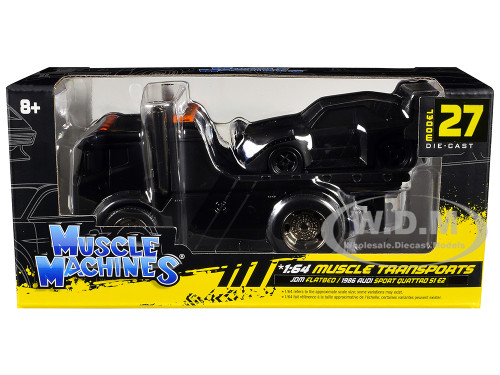
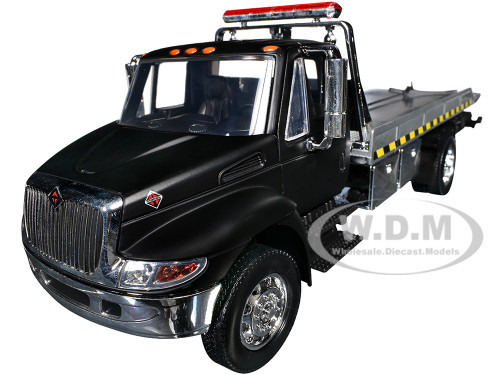
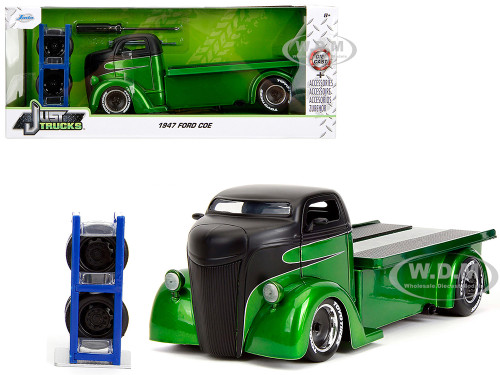
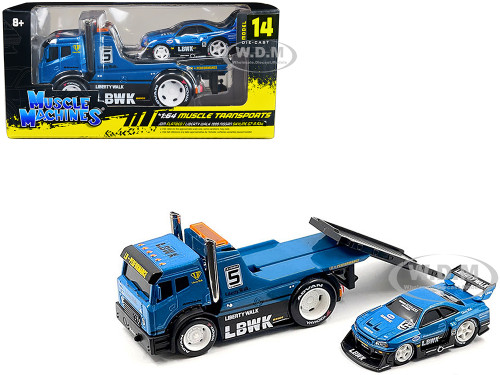
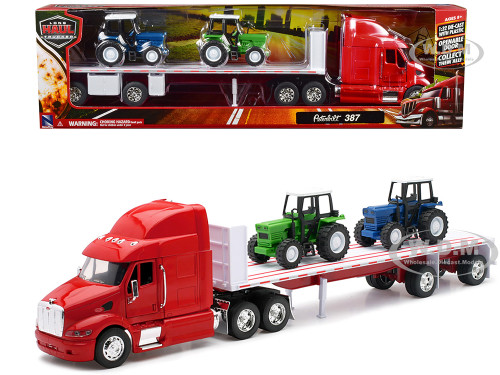
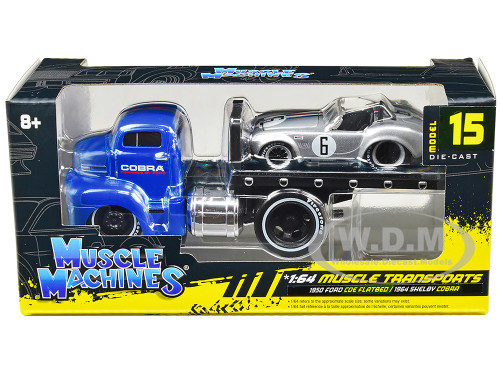
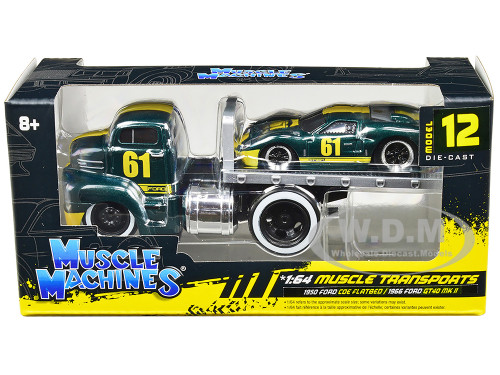
Flatbed trucks are among the most versatile vehicles in commercial transportation. Instead of using an enclosed cargo body, a flatbed has an open, level platform that makes it possible to load large, bulky, tall, or unusually shaped cargo from the sides, rear, or top. This practical design has made flatbed trucks an important part of construction, agriculture, manufacturing, equipment transportation, and general freight operations.
Flatbed Diecast Models capture these working trucks in miniature, from conventional flatbed pickups and medium-duty work trucks to heavy-duty commercial trucks carrying equipment or other oversized loads. Their open decks make the cargo part of the model especially visible, giving collectors an opportunity to display not only the truck but also the type of work it performs.
Within the Truck category at DiecastModelsWholesale.com, Flatbed models are a natural choice for collectors interested in commercial vehicles, construction transportation, heavy hauling, agricultural equipment, and realistic work-truck displays.
What Is a Flatbed Truck?
A flatbed truck is a truck equipped with an open cargo platform rather than an enclosed box, van body, or dump body. The platform generally has a flat floor and may incorporate side rails, stake pockets, removable sides, tie-down points, headache racks, or other equipment depending on its intended use.
The absence of fixed side walls provides several advantages. Cargo can often be loaded with forklifts or cranes, and long or wide items do not necessarily have to fit through a conventional rear cargo opening.
Flatbed trucks can transport many types of cargo, including:
- Construction equipment
- Lumber and building materials
- Pipes and structural steel
- Farm machinery
- Pallets and packaged goods
- Industrial components
- Vehicles and machinery
- Landscaping materials
- Large containers
- Utility and service equipment
The truck's configuration varies considerably according to the weight and dimensions of the cargo it is designed to carry.
Flatbed Trucks in Commercial Transportation
Flatbeds occupy an important position between ordinary delivery trucks and specialized heavy-haul equipment. A relatively small flatbed pickup may transport tools, landscaping materials, or compact equipment, while a heavy-duty truck with a long commercial flatbed can carry construction machinery, steel, lumber, or other substantial loads.
Because the cargo is exposed, securing the load is a major consideration in real-world flatbed transportation. Chains, straps, binders, tarps, stakes, and other equipment may be used depending on the cargo and applicable requirements.
For collectors, this exposed cargo area creates an opportunity for particularly interesting scale displays. A flatbed can be shown empty as a working truck or loaded with equipment to tell a more complete transportation story.
A Brief History of Flatbed Trucks
The flatbed concept has roots in the earliest forms of freight transportation. Horse-drawn wagons and carts frequently used open platforms because they allowed bulky materials to be loaded and unloaded without the restrictions of an enclosed body.
Motor trucks adopted similar configurations as commercial trucking developed in the early 20th century. Open platforms were particularly useful for transporting materials that were too large, long, or irregularly shaped for enclosed bodies.
As trucks became more capable, flatbeds were adapted to increasingly specialized work. Construction companies could use them to transport machinery and building materials, farmers could move agricultural equipment and supplies, and industrial businesses could transport manufactured components.
The development of hydraulic cranes, forklifts, specialized loading equipment, and improved cargo-securement systems further increased the usefulness of flatbed transportation. Today, flatbeds remain an important part of commercial trucking because their open design provides flexibility that enclosed cargo bodies cannot always offer.
Types of Flatbed Diecast Models
Pickup Flatbeds
A pickup with a flatbed replaces the conventional pickup box with an open platform. These trucks are commonly associated with agriculture, landscaping, construction, service work, and customized work vehicles.
Flatbed pickup models can be especially appealing to collectors because they bridge the gap between passenger-oriented pickups and dedicated commercial trucks.
Medium-Duty Flatbed Trucks
Medium-duty flatbeds are designed for more substantial loads and are frequently used by contractors, utilities, delivery businesses, municipalities, and other commercial operators.
These trucks can feature conventional cabs, larger frames, dual rear wheels, tool compartments, stake sides, or specialized equipment.
Heavy-Duty Flatbed Trucks
Heavy-duty flatbeds are built on commercial truck chassis and can transport heavier machinery, structural materials, and other substantial loads. Some are configured as straight trucks, while others may be tractor-based combinations used with specialized trailers.
Their larger frames, multiple axles, substantial tires, and commercial cabs make them particularly interesting subjects for scale truck collecting.
Equipment and Machinery Transporters
Flatbed trucks are frequently used to move machinery to and from construction sites. A model loaded with a compact excavator, skid steer, generator, compressor, or other equipment can represent a realistic job-site transportation scene.
For collectors interested in construction equipment, this is one of the most useful applications of flatbed models.
Flatbed vs. Other Truck Types
Flatbeds are easy to distinguish from several other common truck configurations.
A box truck has an enclosed cargo body designed to protect its contents from weather and provide secure storage. A flatbed instead provides an open platform for cargo that may be too large or awkward for an enclosed body.
A dump truck uses a hinged body that can be raised to discharge loose materials. A flatbed remains a fixed open platform and generally requires cargo to be unloaded using equipment, workers, or other handling methods.
A trailer is a separate vehicle designed to be pulled by another vehicle. A flatbed truck, by contrast, carries its cargo directly on its own chassis, although flatbed trailers are also widely used in commercial transportation.
Collectors can explore the Box, Dump, and Trailer categories to compare these different approaches to cargo transportation.
Flatbed Truck Features
The simplicity of a flatbed platform can conceal a considerable amount of specialized equipment. Depending on the real vehicle and the scale model, collectors may encounter several notable features.
Open Cargo Deck
The open deck is the defining feature. It may be constructed from steel, aluminum, wood, or combinations of materials, and its dimensions vary according to the chassis and intended cargo.
Stake Sides and Removable Rails
Some flatbeds include stake pockets or removable side rails. These features can help contain cargo while retaining much of the flexibility of an open platform.
Headache Racks
A headache rack is a protective structure mounted behind the cab on many flatbed trucks. It can help protect the cab and provide a location for securing certain equipment or materials.
Toolboxes and Storage
Work-oriented flatbeds may include under-bed storage boxes, side compartments, fuel tanks, or other equipment designed to keep tools and supplies accessible.
Cranes and Loading Equipment
Some flatbeds incorporate small hydraulic cranes or loaders for handling cargo. These trucks are especially useful where an independent forklift or loading machine is unavailable.
A scale model equipped with a crane can make a particularly interesting addition to a construction or industrial display.
Flatbed Trucks in Construction
Construction is one of the most recognizable applications for flatbed trucks. Contractors need to move everything from lumber and pipes to generators and compact machinery, and the open platform makes many of these loads easier to handle.
A construction-themed display might feature a flatbed carrying an excavator or other compact machine while a dump truck handles aggregate nearby. A crane truck can represent lifting operations, while a box truck can represent enclosed deliveries of tools and supplies.
The Excavator, Crane, and Construction categories can therefore complement a flatbed-focused collection.
Flatbed Trucks in Agriculture
Farm operations also make extensive use of open cargo platforms. Flatbed trucks can transport feed, supplies, fencing materials, tools, pallets, and machinery.
For collectors building agricultural displays, a flatbed can add an important transportation element between the farm, storage areas, fields, and equipment dealers. It can be paired with tractors, combines, grain carts, trailers, and other agricultural machinery.
Flatbed Models and Heavy Hauling
Some flatbeds are used for transporting particularly heavy or oversized machinery. These operations may involve specialized heavy-haul trucks, removable gooseneck trailers, lowboys, or other equipment rather than a conventional flatbed truck.
This distinction is useful when shopping for models. A standard flatbed is generally intended for cargo carried directly on its platform, while a lowboy or detachable gooseneck trailer is specifically designed to transport tall and heavy equipment at a lower deck height.
For collectors, the differences in chassis, deck height, axles, and cargo arrangement can make each type an interesting addition to a heavy-transport display.
Collecting Flatbed Diecast Models
Flatbed trucks offer collectors several ways to build a themed collection.
Collect by Truck Manufacturer
A manufacturer-focused collection might include flatbeds based on Peterbilt, Kenworth, Freightliner, International, Mack, Ford, Chevrolet, GMC, or other truck chassis, depending on the models available.
Comparing different manufacturers can reveal significant differences in cab styling, chassis proportions, axle configurations, and equipment.
Collect by Application
Collectors can also focus on how flatbeds are used:
- Construction
- Agriculture
- Utility and service
- Landscaping
- Industrial transportation
- Equipment hauling
- Municipal work
- General freight
This approach works particularly well when creating realistic working scenes.
Collect by Era
Classic flatbed trucks can represent earlier periods of commercial transportation, while modern models demonstrate contemporary cab styling, chassis design, lighting, and equipment.
Combining models from different decades can create an interesting visual history of the working truck.
Collect by Cargo
Because the cargo is visible, collectors can make the load part of the collecting theme. A flatbed carrying construction equipment creates a very different scene from one loaded with lumber, agricultural machinery, or industrial materials.
Choosing a Scale
Flatbed diecast models can be produced in a variety of scales. Common scales across truck collecting include 1/18, 1/24, 1/32, 1/43, 1/50, and 1/64, although the available scale depends on the individual vehicle and manufacturer.
Larger scales provide more room for details such as deck construction, tie-down equipment, cab interiors, wheels, chassis components, toolboxes, and cranes. Smaller scales are useful when building a larger commercial fleet or combining numerous trucks and pieces of equipment in a single diorama.
For construction and commercial truck collections, maintaining a consistent scale can help make the relationship between the truck, cargo, trailers, equipment, and buildings look more realistic.
Creating a Flatbed Truck Display
One of the biggest advantages of a flatbed model is its ability to interact visually with other vehicles. The open deck allows the collector to show what the truck is transporting and create a miniature story around it.
A construction display could feature a flatbed carrying equipment toward a job site. An agricultural scene could show a work truck transporting supplies. An industrial display could use several flatbeds to represent material movement around a warehouse or manufacturing facility.
Empty flatbeds can be just as useful for displays because they emphasize the truck's chassis and specialized body configuration.
Why Flatbed Trucks Make Great Collectibles
Flatbed trucks represent a practical side of the trucking industry that is sometimes overlooked in collections focused primarily on semis, sports cars, or passenger vehicles. Their open design, specialized equipment, and wide range of applications give them considerable variety.
They also provide an opportunity to collect trucks based not only on their appearance but on what they do. The cargo, equipment, livery, chassis, and body configuration can all contribute to the story represented by a model.
Whether you collect classic work trucks, modern commercial vehicles, construction equipment, agricultural machinery, or detailed transportation scenes, Flatbed Diecast Models can add a useful and visually distinctive dimension to your collection.
Browse the Flatbed Diecast Models category at DiecastModelsWholesale.com to explore available flatbed trucks and find models suited to your collection, work-truck display, or transportation-themed diorama.


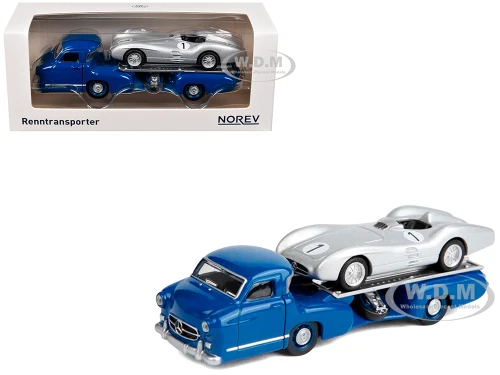

 $58.95