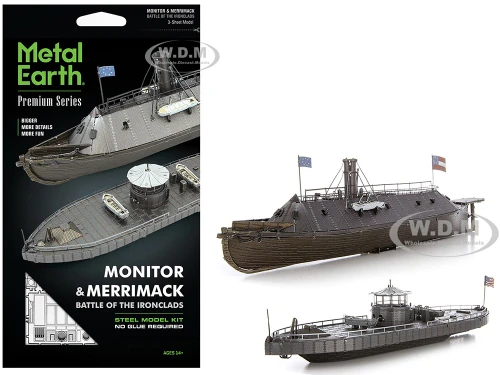
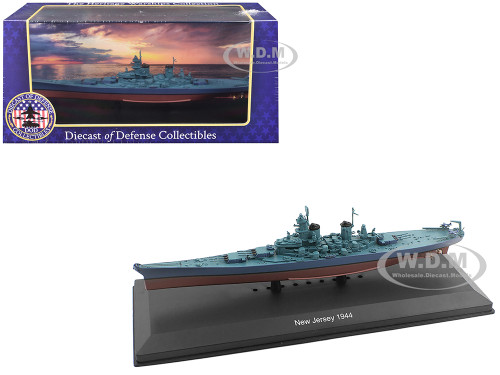
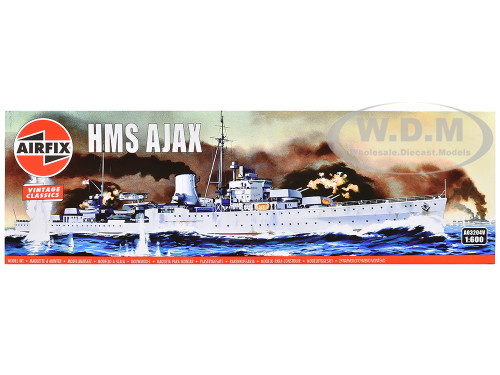
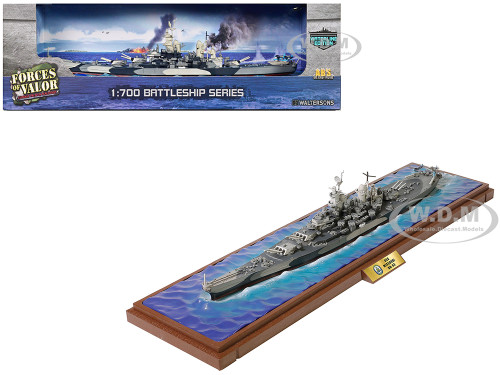
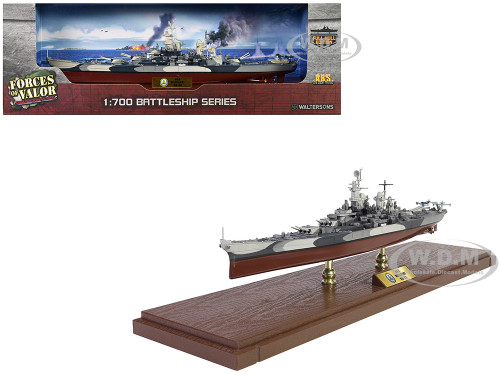
Maritime & Naval diecast models bring ships, boats, commercial vessels, naval warships, and other watercraft into collectible scale. This category brings together the broad world of maritime models and naval ship models, from historic sailing vessels and ocean liners to modern cargo ships, military vessels, patrol craft, and submarines.
For collectors, maritime subjects offer a different perspective from automotive and aviation models. A ship is shaped by its purpose, operating environment, propulsion system, and period of construction. Details such as hull design, superstructures, decks, masts, funnels, lifeboats, cranes, cargo equipment, aircraft facilities, and naval fittings can make each model distinctive.
The Smithsonian's maritime collections demonstrate just how broad the subject can be, encompassing sailing ships, steamboats, fishing craft, merchant vessels, ocean liners, cargo ships, and other watercraft.
At DiecastModelsWholesale.com, the Maritime & Naval category is designed for collectors interested in watercraft from commercial transportation, civilian boating, marine industries, and naval history.
Types of Maritime & Naval Models
Maritime collecting encompasses many different types of vessels. Choosing a particular vessel type can be a useful way to establish a collection or determine what kind of model fits an existing display.
Naval Ship Models
Naval models represent vessels designed for military service. Depending on the period and navy represented, this can include battleships, aircraft carriers, cruisers, destroyers, frigates, submarines, patrol vessels, amphibious ships, and support vessels.
Modern naval classification systems distinguish between different roles and ship types. The U.S. Navy, for example, classifies aircraft carriers, surface combatants, submarines, and amphibious warfare ships according to their roles and capabilities.
Naval ship models can therefore be collected according to ship class, individual vessel, navy, historical conflict, or period.
Battleship Models
Battleships represent an important period in naval history, particularly from the late 19th century through the first half of the 20th century. Their large hulls, heavy gun turrets, armored superstructures, and distinctive silhouettes make them especially recognizable subjects for scale models.
Historical naval classifications changed over time. The U.S. Navy's 1920 nomenclature, for example, separately classified battleships, cruisers, destroyers, submarines, patrol vessels, and auxiliary vessels.
Aircraft Carrier Models
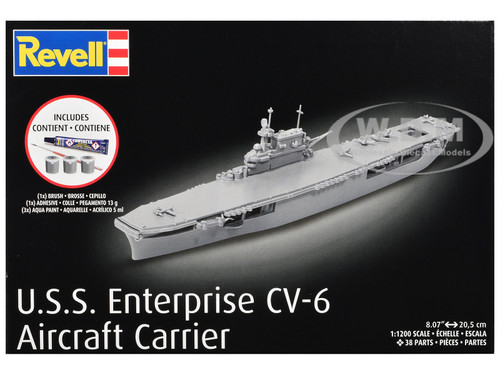
Aircraft carriers combine naval vessels with aviation. Their large flight decks, island superstructures, aircraft elevators, arresting equipment, and shipboard aircraft make them some of the most detailed subjects in naval modeling.
Modern aircraft carriers are designed primarily to conduct operations using embarked aircraft, while amphibious ships have different roles associated with transporting and supporting forces ashore.
A carrier model can be collected on its own or displayed with aircraft models to create a larger naval aviation scene.
Destroyer and Frigate Models
Destroyers and frigates are smaller than the largest capital ships but perform important fleet and escort roles.
Modern guided-missile destroyers, for example, can perform multiple missions involving air, surface, and undersea warfare.
Collectors may focus on a particular class, navy, historical period, or individual ship.
Submarine Models
Submarines provide another distinctive category of naval models. Their streamlined hulls, sail structures, periscopes, and relatively compact dimensions give them a very different appearance from surface warships.
Submarine collections can encompass historic diesel-electric boats as well as modern nuclear-powered attack and ballistic-missile submarines. The U.S. Navy formally distinguishes several submarine categories, including attack, ballistic-missile, and guided-missile submarines.
Commercial Ship Models
Maritime transportation is much broader than military vessels. Commercial ships move cargo and people around the world's waterways and have played an important role in the development of international trade.
Commercial ship models can include:
- Container ships
- Cargo ships
- Tankers
- Passenger ships
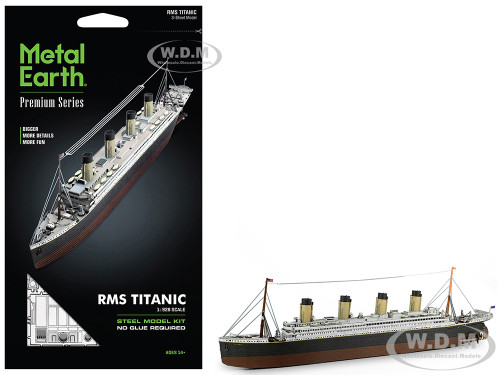
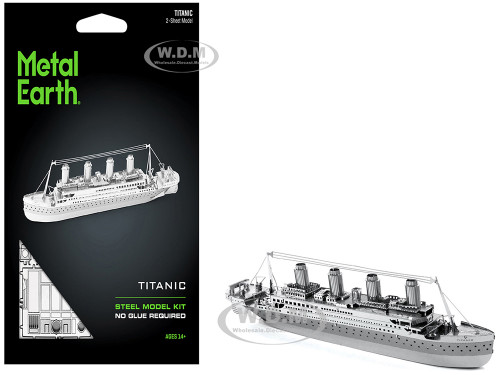
- Ocean liners
- Cruise ships
- Ferries
- Tugboats
- Workboats
- Fishing vessels
- River boats
The Smithsonian's maritime collections document the evolution of American water transportation from sailing ships and steamboats to modern container ships.
Boats and Recreational Watercraft
The maritime category can also encompass smaller civilian vessels and recreational watercraft, depending on the model represented. Motorboats, yachts, sailboats, and other boats provide an alternative to large commercial and naval vessels.
These models can work particularly well in coastal, harbor, marina, or waterfront-themed displays.
A Brief History of Maritime Transportation
Water transportation predates modern engines by thousands of years. Sailing vessels allowed people to move along coastlines and across oceans, while rivers and inland waterways became important routes for transportation and commerce.
The development of steam power during the 19th century changed maritime transportation significantly. Steamships could operate with less dependence on wind and gradually became an important part of passenger transportation, commercial shipping, and naval development.
The Smithsonian's On the Water exhibition traces maritime history from 18th-century sailing ships through 19th-century steamboats and fishing vessels to modern container ships.
Maritime technology continued to evolve through improvements in engines, hull construction, navigation, communications, cargo handling, and shipbuilding. These changes produced an enormous variety of vessel designs, giving collectors a wide range of historical subjects to explore.
The Evolution of Commercial Shipping
The modern cargo ship is the result of major changes in the way goods are transported.
One of the most significant developments was containerization. Standardized containers allowed cargo to move between ships, trucks, and railroads without unloading individual goods at every stage. The Smithsonian describes this integrated system as a major transformation in global commerce.
The Ideal-X made its first container voyage from New Jersey to Texas in 1956 carrying 58 containers, helping demonstrate the potential of containerized shipping.
Modern container ships are therefore not simply larger versions of traditional cargo ships. Their designs reflect an entire transportation system built around standardized cargo containers, specialized ports, and increasingly mechanized loading and unloading.
For collectors, comparing traditional cargo vessels with modern container ships provides an interesting way to see how maritime engineering responded to changes in commerce.
Naval History and Ship Design
Naval vessels have evolved alongside changes in propulsion, weapons, communications, aircraft, and naval strategy.
Sailing warships were followed by steam-powered vessels, armored warships, battleships, aircraft carriers, submarines, and modern guided-missile ships. Each technological period produced distinctive hull shapes, superstructures, propulsion arrangements, and equipment.
Historic ship plans provide another way to understand this evolution. The Smithsonian's warship-plan collection includes designs for American sailing and early steam warships dating from the mid-18th century through 1900.
That historical development makes naval diecast models particularly interesting for collectors who enjoy engineering and military history as well as scale modeling.
Collecting Maritime & Naval Diecast Models
There are several ways to build a maritime collection.
Collect by Vessel Type
A collection can focus on one type of vessel, such as:
- Naval ships
- Battleships
- Aircraft carriers
- Destroyers
- Submarines
- Cargo ships
- Container ships
- Ocean liners
- Cruise ships
- Tugboats
- Ferries
- Fishing boats
- Yachts and recreational vessels
This approach makes it easier to develop a focused collection around a particular area of maritime history.
Collect by Navy or Nation
Naval collectors may organize models according to the navy or country represented. This can create collections focused on American, British, Japanese, German, French, or other naval traditions.
Department markings, hull numbers, ship names, flags, and class characteristics can all help identify the historical context of an individual model.
Collect by Era
Another approach is to collect vessels from a particular period:
- Age of Sail
- Early steamship era
- Late 19th-century naval development
- World War I
- World War II
- Cold War
- Modern maritime era
Comparing vessels from different periods can reveal how dramatically ship design changed over time.
Collect by Individual Ship or Class
Some collectors concentrate on a particular ship or class. This can involve collecting different versions, configurations, liveries, or historical periods associated with the same vessel or ship class.
For naval enthusiasts, collecting an entire class can also provide an opportunity to compare ships that shared a common basic design.
Maritime Diecast Models and Scales
Scale is particularly important when collecting ships because real vessels can be enormous. Even relatively small-scale models can occupy substantial display space.
Available scales vary considerably by manufacturer and vessel type. Collectors may encounter scales such as 1/72, 1/100, 1/144, 1/200, 1/350, 1/400, 1/500, and 1/700, although not every scale is available for every subject.
Larger scales can make hull details, deck equipment, superstructures, lifeboats, antennas, and other features easier to appreciate. Smaller scales allow collectors to represent much larger ships without requiring an equally large display area.
When combining several vessels in one display, using consistent or visually compatible scales can help maintain a realistic sense of proportion.
Building a Maritime Display
Maritime models can be displayed individually or as part of a larger scene.
A naval collection might include several ships from the same fleet or historical period. A commercial maritime display could combine a container ship with tugboats and other port-related vessels. Smaller boats and yachts can be arranged around a marina or waterfront setting.
Collectors can also organize displays geographically or historically. A harbor-themed display, for example, can bring together commercial ships, ferries, tugboats, and smaller working vessels.
Because ship models are often long and horizontally oriented, a dedicated shelf or display cabinet can be especially effective. Larger naval or commercial ships may require additional clearance for masts, antennas, aircraft, or other components.
What to Consider When Choosing a Maritime Model
When selecting a Maritime & Naval diecast model, consider:
Vessel type: Decide whether you want a naval warship, commercial ship, passenger vessel, workboat, or recreational craft.
Historical period: Determine whether the model represents a historic, modern, or transitional period in maritime development.
Ship or class: Collectors interested in specific vessels should check the exact ship name, class, hull number, or configuration.
Scale: Make sure the model will fit your existing collection and display space.
Level of detail: Examine features such as deck equipment, lifeboats, cranes, aircraft, weapons, masts, antennas, and superstructures.
Display theme: Consider whether the model will be displayed individually or as part of a naval fleet, commercial port, harbor, or maritime history collection.
Why Collect Maritime & Naval Models?
Maritime models combine transportation history, engineering, military history, commerce, and industrial design in one collecting category.
They can represent a ship that carried passengers across an ocean, a cargo vessel involved in international trade, a tugboat working in a harbor, a historic sailing vessel, or a naval ship associated with a particular era.
The Smithsonian's maritime collections even include ship models and technical documentation intended to preserve the design and evolution of watercraft, illustrating the long-standing value of models as a way to study maritime technology.
For collectors, that makes maritime models more than decorative objects. They provide a tangible way to explore how vessels were designed and how their roles changed over time.
Shop Maritime & Naval Diecast Models
Explore the Maritime & Naval category at DiecastModelsWholesale.com to discover collectible ship and boat models representing naval vessels, commercial ships, maritime transportation, and other watercraft.
Whether you are looking for a naval warship, aircraft carrier, submarine, cargo ship, ocean liner, tugboat, or another maritime subject, browse the available Maritime & Naval diecast models and find a vessel that fits your collection, display, and interests.

 $15.49

 $49.99
 $22.95
 $32.95
 $30.95


 $15.95
 $15.95