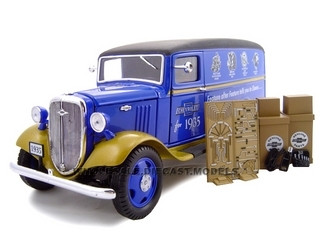
Delivery trucks are built around a simple but essential job: moving goods from a distribution point, warehouse, store, business, or terminal to their final destination. In the world of scale models, Delivery Diecast Models capture the distinctive trucks and commercial vehicles that have become part of everyday transportation, from classic local delivery vehicles to modern box trucks, step vans, and specialized fleet trucks.
At DiecastModelsWholesale.com, the Delivery category is part of the broader Truck vehicle type and is intended for collectors looking for miniature commercial vehicles associated with freight, parcel delivery, retail distribution, food service, equipment transport, and other local delivery operations. These models can be especially interesting because the real vehicles are often recognizable not only by their body style, but also by the company liveries, logos, colors, and equipment that identify a particular fleet.
What Are Delivery Trucks?
A delivery truck is a commercial vehicle designed primarily to transport goods over relatively short or regional routes and deliver them directly to businesses, homes, job sites, or other destinations. Unlike long-haul tractor-trailers that are generally designed to move large quantities of freight between terminals, delivery vehicles are often optimized for accessibility, frequent stops, maneuverability, and efficient loading and unloading.
The term covers a wide range of vehicle configurations. Depending on the product, delivery diecast models may represent:
- Box trucks and dry-goods trucks
- Step vans and walk-in delivery vehicles
- Parcel and package delivery trucks
- Retail and distribution trucks
- Food and beverage delivery vehicles
- Bakery and grocery delivery trucks
- Service and fleet vehicles
- Refrigerated delivery trucks
- Classic commercial delivery vehicles
- Pickup-based delivery trucks
- Specialty and promotional delivery vehicles
Some delivery trucks have conventional truck cabs with a separate cargo body, while others use an integrated walk-in body that allows the driver to move through the cargo compartment. This variety gives collectors an opportunity to build displays representing different periods and industries.
A Brief History of Delivery Trucks
The history of delivery vehicles developed alongside the growth of motorized transportation and modern retail. Before trucks became widespread, local deliveries were commonly handled by horse-drawn wagons, carts, and specialized commercial vehicles. Businesses often had dedicated wagons for groceries, milk, bread, furniture, laundry, and other goods.
The arrival of practical gasoline-powered trucks transformed local distribution. Motor trucks could travel farther, carry heavier loads, and operate without the limitations associated with working animals. As paved roads expanded and businesses began serving larger geographic areas, commercial trucks became increasingly important to retail and manufacturing.
During the first half of the 20th century, manufacturers produced an expanding range of light- and medium-duty chassis that could be fitted with specialized bodies. Enclosed delivery bodies became particularly useful for protecting merchandise from weather and allowing businesses to advertise their names and products directly on the vehicle.
After World War II, suburban development, supermarkets, department stores, mail-order businesses, and expanding consumer markets increased the importance of efficient local distribution. Delivery trucks became a familiar sight in cities and suburbs, while companies developed increasingly recognizable fleet designs.
The rise of parcel shipping and e-commerce has further expanded the role of delivery vehicles. Modern fleets can include everything from conventional box trucks to purpose-built step vans and electric delivery vehicles. For collectors, this long history creates opportunities to collect delivery models from different eras and compare how commercial vehicle design has evolved.
Types of Delivery Diecast Models
Box and Dry Goods Trucks
Box trucks are among the most recognizable delivery vehicles. Their enclosed rectangular cargo bodies are suited to transporting merchandise, packaged goods, appliances, furniture, and general freight. A model may feature a cab-over-engine design or a conventional hooded truck configuration.
For collectors, details such as rear cargo doors, side doors, mirrors, wheels, body proportions, and fleet graphics can make these models particularly appealing.
Step Vans and Walk-In Delivery Trucks
Step vans are purpose-built commercial vehicles with a low step-in height and large cargo compartment. Their design makes them practical for routes involving frequent stops because the driver can enter and exit the vehicle quickly.
These vehicles have been widely associated with parcel delivery, postal operations, bakeries, food distribution, and other businesses. Their distinctive shape also makes them immediately recognizable in a scale collection.
Parcel Delivery Vehicles
Parcel delivery trucks are designed around the transportation of packages and frequent residential or commercial stops. Depending on the period and fleet, they may be based on step vans, box trucks, vans, or specialized chassis.
Models featuring recognizable delivery fleet graphics can be particularly interesting to collectors who focus on commercial transportation or historical vehicle liveries.
Food and Beverage Delivery Trucks
Restaurants, grocery stores, beverage distributors, bakeries, and other food-related businesses have long depended on dedicated delivery vehicles. These trucks often carry highly visible advertising and product branding, making their real-world counterparts an important part of commercial vehicle history.
A collection of food and beverage delivery models can also complement classic service station, grocery store, restaurant, or downtown diorama scenes.
Specialty Delivery Trucks
Not every delivery vehicle carries ordinary dry cargo. Some are built for specific products or operating environments, including refrigerated goods, equipment, industrial supplies, flowers, laundry, and other specialized cargo.
These models can be useful for collectors who want to create more detailed commercial or industrial displays rather than concentrating exclusively on highway tractors and trailers.
Delivery Trucks and Box Trucks: What's the Difference?
The terms delivery truck and box truck are sometimes used interchangeably, but they describe slightly different concepts.
A box truck refers primarily to the vehicle's enclosed cargo-body configuration. A delivery truck describes the vehicle's intended function. A box truck can therefore be used as a delivery truck, but delivery vehicles can also include step vans, cargo vans, pickups, refrigerated trucks, and other configurations.
This distinction is useful when shopping for scale models. A collector interested in delivery vehicles may want to explore several truck body styles rather than limiting the collection to traditional box trucks.
Collecting Delivery Diecast Models
Delivery models have a unique place in diecast collecting because they combine vehicle design with commercial history. The underlying truck may be interesting on its own, but the body configuration and livery can tell an additional story about how the vehicle was used.
When comparing models, collectors may want to consider:
- Vehicle and chassis: Look for recognizable truck manufacturers, cab designs, wheel arrangements, and proportions.
- Cargo body: Enclosed boxes, step-van bodies, refrigerated units, and specialty bodies create very different appearances.
- Livery: Company names, logos, advertising, stripes, and period-correct graphics can be major attractions.
- Era: A 1950s delivery truck can look dramatically different from a modern commercial vehicle.
- Scale: Choose a scale that works with the rest of your collection or planned display.
- Opening features: Depending on the model, doors, hoods, or other components may open to reveal additional detail.
- Display purpose: Delivery trucks work well in commercial, urban, industrial, warehouse, roadside, and transportation-themed displays.
Choosing the Right Scale
Delivery diecast models are produced in several scales, depending on the manufacturer and vehicle. Common scales for commercial trucks include 1/18, 1/32, 1/43, 1/50, and 1/64, although availability varies by model.
Larger scales can provide more room for cab, chassis, cargo-body, and interior detail. Smaller models are easier to combine into larger fleet displays or scenes containing multiple vehicles.
For collectors building a transportation or commercial diorama, matching the scale of delivery trucks with other vehicles, buildings, figures, and accessories can make the overall display look much more cohesive.
Building a Commercial Vehicle Collection
Delivery trucks pair naturally with other commercial and transportation models. A collector might combine a delivery truck with a Box Truck, tractor-trailer, Trailer, pickup, van, forklift, or construction vehicle to create a warehouse or distribution scene.
They can also complement models in the broader Truck category, particularly when building a collection around a specific manufacturer, period, vehicle type, or commercial fleet.
Another interesting approach is collecting by livery or industry. For example, a display might focus on historic grocery delivery vehicles, parcel trucks, beverage distributors, automotive parts delivery, or general freight. Because commercial trucks are closely connected to businesses and local communities, delivery models can add context and realism to a larger diecast collection.
Why Delivery Models Stand Out
Unlike many performance or luxury vehicles, delivery trucks are primarily working vehicles. Their appeal comes from practicality, recognizable commercial styling, and the role they played in everyday life.
A well-detailed delivery diecast can represent much more than a miniature truck. It can capture a particular era of transportation, a familiar commercial design, or a historic company livery. For collectors interested in trucks, transportation history, commercial vehicles, or realistic dioramas, these models provide a different perspective on the automotive world.
Browse the Delivery Diecast Models collection at DiecastModelsWholesale.com to explore available commercial trucks and find models that fit your collection, display, or transportation-themed project.



 $14.99


 $54.99