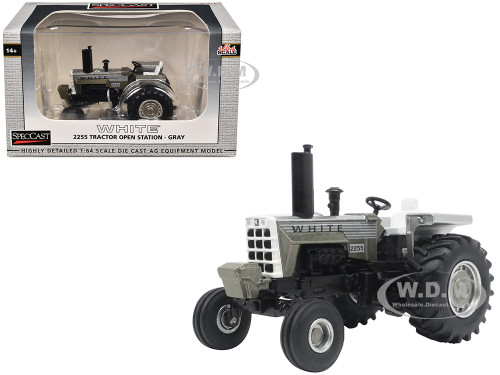
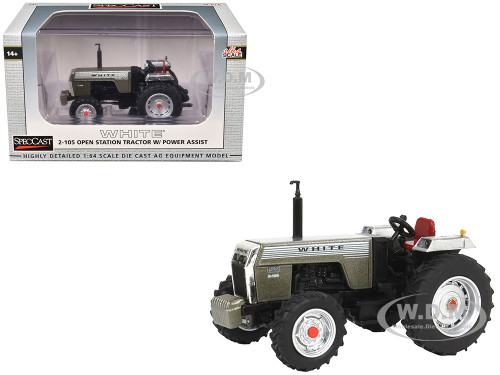
White WC trucks represent an important chapter in the history of American commercial transportation. The White Motor Company became known for producing trucks for freight hauling, construction, municipal services, and other demanding applications. Its vehicles helped shape the appearance of American working trucks throughout much of the twentieth century.
For diecast collectors, White truck models offer a way to explore the history of commercial vehicles beyond passenger cars and modern semitrucks. Classic White trucks can be especially appealing to collectors interested in vintage delivery vehicles, work trucks, industrial transportation, and the evolution of American truck design.
The term White WC truck may refer to a specific model designation used in a product listing or collecting context. White Motor Company produced numerous truck families and configurations over its history, so the exact vehicle represented should be confirmed from the individual product details. This category is intended for shoppers looking for collectible models identified with White WC trucks, with availability, scale, body style, and features varying by listing.
The History of White Motor Company
White Motor Company began in Cleveland, Ohio, in the early twentieth century. Originally associated with steam-powered vehicles, the company expanded into gasoline-powered automobiles and commercial trucks. Over time, its truck business became the central part of its identity.
White developed a reputation for building commercial vehicles for practical use. Its trucks served independent operators, transportation companies, industrial businesses, construction firms, and public-service organizations. Different chassis and body configurations allowed White vehicles to perform a wide variety of jobs.
As trucking became increasingly important to the American economy, manufacturers such as White helped establish the heavy-duty and medium-duty vehicles used to move goods between cities, serve local businesses, and support industrial operations. White trucks became familiar sights on highways, at loading docks, and in workplaces across the country.
The company continued to evolve as the trucking industry changed. Its history included periods of expansion, changing product lines, and competition with other major American truck manufacturers. White eventually became associated with Volvo through the development of the Volvo GM Heavy Truck Corporation in the 1980s. The White brand later disappeared from new-truck production, but its legacy remains significant among vintage truck enthusiasts.
For collectors, White trucks represent more than a manufacturer's name. They reflect the working vehicles, transportation businesses, and industrial environments that helped build modern road freight in the United States.
The White WC Truck Series
The White WC designation is associated with a family of conventional heavy-duty trucks produced during the postwar period. These trucks are part of the broader history of White's commercial vehicle lineup and are of particular interest to collectors of classic American road tractors.
The WC range included different models, such as the WC-18, WC-20, WC-22, and WC-28. Individual versions and configurations differed, reflecting the changing requirements of freight transportation and commercial trucking during the period.
Classic Conventional Truck Design
White WC trucks used the traditional conventional layout, with the engine positioned ahead of the cab under a long hood. This arrangement was familiar across American heavy-duty trucking and provided a distinctive profile that remains popular among vintage truck enthusiasts.
The long hood, upright cab, large wheels, and substantial chassis give these trucks a recognizable appearance. Depending on the particular truck, equipment and configuration could vary to suit its intended work.
For diecast collectors, this design offers a contrast to cab-over-engine trucks, in which the cab sits above the engine. Conventional tractors also make natural subjects for displays focused on classic American highways, freight transportation, and the evolution of semitruck styling.
White WC-20 and WC-22
The WC-20 and WC-22 are examples of the White WC family that can interest collectors researching postwar American truck history. Their significance lies in their place within White's conventional truck lineup, rather than in a single specialized application.
When identifying a scale replica, look for the exact model designation provided by the manufacturer or product listing. The name White WC alone may not establish the precise model year, engine, chassis configuration, or equipment represented.
This distinction is useful when comparing a collectible with photographs or historical information about a full-size truck. Small differences in cab shape, hood details, grille design, wheels, and chassis equipment can help distinguish one version from another.
White Trucks and the Development of American Freight Transportation
White trucks were part of a broader transformation in American road transport during the middle decades of the twentieth century. As highways, distribution networks, and long-distance trucking expanded, commercial vehicles became increasingly important to moving manufactured goods, agricultural products, construction materials, and industrial supplies.
Heavy-duty tractors needed to balance load capacity, durability, driver comfort, and serviceability. Manufacturers developed different chassis and cab configurations to meet the needs of independent truckers, fleet operators, and specialized businesses.
White's conventional trucks fit into this environment. Their traditional styling reflects an era when truck design was closely tied to practical engineering and the working requirements of commercial transportation.
For collectors, these vehicles can represent more than a particular make or model. A classic White tractor can help tell the story of postwar trucking, the development of highway freight, and the trucks used by generations of professional drivers.
Choosing a White WC Diecast Truck Model
When shopping for a White WC truck collectible, consider the vehicle's historical identity, physical size, construction, and intended display.
-
Model designation: Check whether the listing identifies a WC-18, WC-20, WC-22, WC-28, or another version. Do not assume that all WC models are identical.
-
Scale and dimensions: Confirm the stated scale and the model's approximate dimensions, particularly if it will be displayed with other trucks.
-
Cab and hood details: The conventional layout, grille, headlights, windshield, mirrors, and cab proportions are important features to compare.
-
Chassis and wheels: Wheel arrangements, fuel tanks, exhaust components, and chassis details may vary between truck configurations.
-
Paint scheme and markings: Color and company markings can influence the historical setting and appearance of a model. Confirm these details in the individual listing.
-
Construction and features: Diecast metal, plastic components, rolling wheels, and any opening parts vary by product. Check the manufacturer's description rather than assuming that every feature is included.
-
Trailer compatibility: If you plan to display the tractor with a trailer, verify whether one is included and whether the coupling is compatible.
These details can help you choose a collectible that fits your interests, whether you prefer historically oriented truck replicas or models selected primarily for display.
Scale and Display Considerations
Scale affects both the size of a model and how it fits with the rest of a collection. Common scales for collectible trucks include 1:18, 1:24, 1:43, and 1:64, although the actual scale options for White WC models depend on the products offered.
Larger models generally occupy more shelf space and can make exterior details easier to appreciate. Smaller models are useful for building a collection featuring several manufacturers, truck styles, or historical periods in a compact display.
Before purchasing, consider the overall length and height of the model. A tractor displayed with a trailer will require considerably more room than the tractor alone. If you maintain a collection in a particular scale, matching it can create a more consistent appearance.
A White WC truck can be displayed individually as an example of classic American commercial vehicle design or alongside other vintage tractors to illustrate the variety of trucks used in freight transportation.
White WC Trucks for Collectors and Gift Shoppers
White WC models may appeal to vintage truck enthusiasts, retired or current trucking professionals, transportation historians, and collectors of classic American commercial vehicles. They can also make thoughtful gifts for someone with an interest in the history of trucking or the vehicles that helped establish modern road freight.
If you are buying for a collector, consider whether the recipient prefers a specific White model, a particular period, or a certain scale. Matching an existing collection can be especially helpful. For a general truck enthusiast, a recognizable conventional tractor may be an appealing addition to a display of historic commercial vehicles.
Always review the individual product information for the exact model designation, scale, finish, and included accessories. These details help distinguish one collectible from another and ensure that the model suits the recipient's interests.
Explore the available White WC truck models at Diecast Models Wholesale to find a collectible representing the history and distinctive design of classic American heavy-duty trucking.