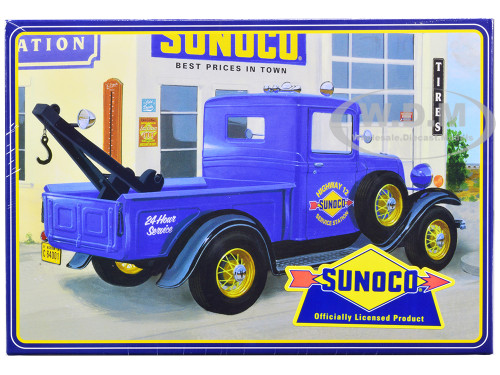
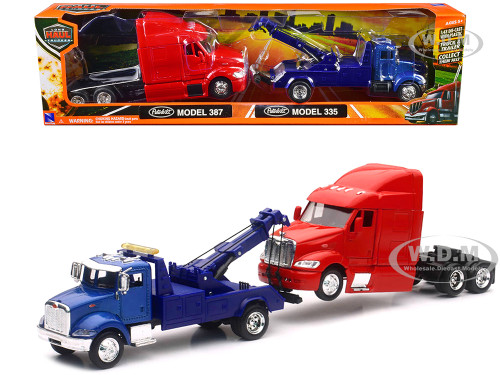
Tow trucks and wreckers are specialized vehicles designed to move disabled, damaged, abandoned, or improperly parked vehicles. A tow truck may transport a vehicle by lifting one end, carrying it partially or completely on a platform, or pulling it with specialized recovery equipment. Wreckers are closely related but are often associated with heavier recovery work, roadside assistance, and vehicles equipped with booms, winches, wheel lifts, or other recovery systems.
The Tow & Wrecker category at DiecastModelsWholesale.com features scale models representing these distinctive service vehicles. Their combination of a recognizable truck chassis and specialized towing equipment makes tow truck diecast models especially interesting for collectors of commercial vehicles, emergency equipment, classic trucks, and automotive subjects.
From vintage wreckers with exposed booms and heavy-duty bodies to modern roadside-assistance trucks with wheel lifts and sophisticated recovery equipment, tow truck models capture an important part of automotive transportation and roadside service history.
What Is a Tow Truck?
A tow truck is a vehicle specifically equipped to move another vehicle. It can be used when a car or truck is disabled, damaged in an accident, needs roadside recovery, or must be relocated for another reason.
Tow trucks come in several configurations. Some lift a vehicle by its wheels, while others use a flat platform that allows the entire vehicle to be loaded. Heavier wreckers can use booms, winches, and recovery equipment to move large commercial vehicles.
The terms tow truck, tow vehicle, wrecker, recovery truck, and recovery vehicle can describe overlapping types of equipment. The exact terminology often depends on the vehicle's design and the type of recovery work it performs.
For diecast collectors, the most recognizable characteristics are usually the equipment mounted behind the cab: booms, winches, wheel lifts, towing forks, carrier beds, outriggers, tool compartments, and recovery accessories.
Types of Tow Trucks and Wreckers
Tow and recovery vehicles have evolved into several distinct configurations. Each design serves a different purpose and creates a different subject for diecast collecting.
Hook and Chain Wreckers
Older wreckers often used chains and hooks to secure a vehicle before towing it. These trucks are strongly associated with classic roadside service and early recovery operations.
Although modern equipment has replaced many traditional hook-and-chain arrangements, vintage wrecker models remain popular among collectors because of their distinctive mechanical appearance.
Wheel-Lift Tow Trucks
Wheel-lift tow trucks use a metal yoke or lifting mechanism to raise one end of a vehicle. The towed vehicle then rolls on its remaining wheels while being pulled by the tow truck.
The compact equipment makes wheel-lift trucks particularly useful for urban towing and roadside assistance.
Flatbed Tow Trucks
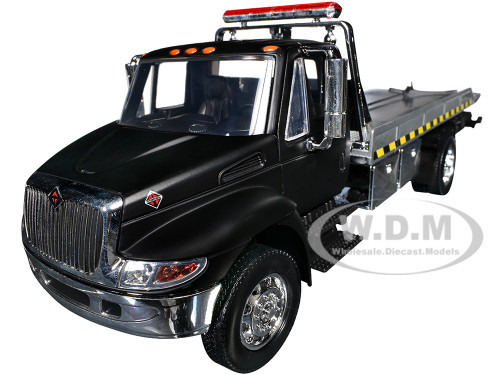
Flatbed tow trucks, also called rollback or carrier tow trucks, use a platform that can tilt or move to ground level. A disabled vehicle can then be loaded onto the deck rather than being towed with two wheels on the road.
Flatbed tow truck models are recognizable by their large open carrier deck and hydraulic equipment.
Integrated Tow Trucks
Integrated tow trucks combine towing and recovery equipment into the truck's structure. These vehicles are often used for heavier towing applications and may feature a wheel lift combined with a boom or other recovery equipment.
Heavy-Duty Wreckers
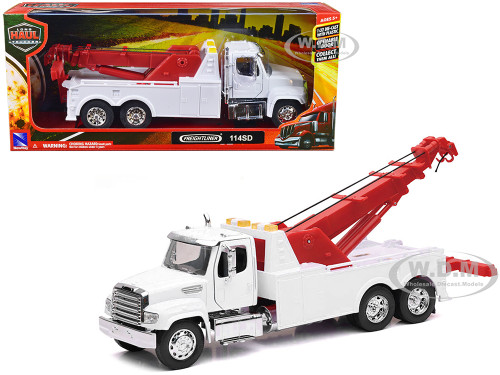
Heavy-duty wreckers are designed to recover large vehicles such as buses, commercial trucks, trailers, and other heavy equipment. They can use substantial booms, winches, wheel lifts, outriggers, and counterweight systems.
These large recovery trucks can be particularly impressive in larger diecast scales because their specialized equipment provides considerable mechanical detail.
A Brief History of Tow Trucks
The development of tow trucks is closely connected to the growth of automobiles. As motor vehicles became increasingly common during the early 20th century, there was a growing need for specialized equipment to recover vehicles that had broken down or become stuck.
One of the earliest widely cited pioneers of the towing industry was Ernest Holmes Sr. of Chattanooga, Tennessee. Following a difficult vehicle-recovery experience, Holmes developed equipment that could make it easier to lift and recover disabled automobiles. His work helped establish the foundation for the commercial towing equipment industry.
Early tow trucks were often based on conventional trucks fitted with specialized lifting equipment. Designs varied considerably, with some using booms, chains, hooks, and winches to raise vehicles for towing.
As automotive technology and road networks developed, towing equipment became more sophisticated. Hydraulic systems replaced or supplemented many earlier mechanical arrangements, while wheel lifts and carrier beds offered safer and more versatile ways to move vehicles.
The growth of highways and increasing vehicle ownership also expanded the need for roadside assistance and vehicle recovery. Modern towing companies now operate everything from compact light-duty tow trucks to specialized heavy wreckers capable of recovering large commercial vehicles.
Tow Truck Diecast Models
A tow truck diecast model captures the combination of a working truck and specialized recovery equipment in miniature. This makes tow trucks different from ordinary commercial vehicles and gives collectors many details to examine.
When selecting a tow truck model, consider:
- Boom or lifting equipment: Look for the shape and position of the boom, lift arm, or recovery mechanism.
- Winch and cables: These are characteristic details on many wreckers.
- Wheel lift: Examine the yoke, arms, and mounting arrangement.
- Carrier bed: Flatbed and rollback models should have the appropriate deck and hydraulic components.
- Outriggers: Heavy wreckers may feature stabilizing outriggers.
- Tool compartments: Service bodies can include multiple storage compartments.
- Cab and chassis: The truck manufacturer, cab design, wheels, and frame can identify the underlying vehicle.
- Livery and markings: Towing-company graphics, warning stripes, lettering, and equipment markings can add considerable character.
On highly detailed models, these components can make the difference between a simple miniature truck and a convincing representation of a working recovery vehicle.
Classic Tow Trucks and Vintage Wreckers
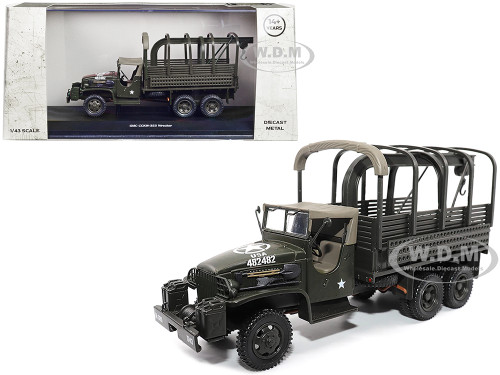
Vintage tow trucks are particularly appealing to collectors interested in the history of American commercial vehicles. Earlier wreckers often had straightforward equipment mounted on conventional truck chassis, creating a rugged and mechanical appearance.
Classic tow truck models may represent vehicles from periods when chrome bumpers, painted steel wheels, rounded cabs, prominent grilles, exposed booms, and manually operated recovery equipment were common.
Collectors can build displays around a particular decade or compare different generations of towing equipment. A vintage wrecker displayed beside a modern wheel-lift or heavy-duty recovery truck can illustrate how the industry has changed over time.
Modern Tow and Recovery Vehicles
Modern towing equipment emphasizes versatility, efficiency, and controlled vehicle recovery. Hydraulic systems allow operators to position lifting equipment with greater precision, while modern carriers and wheel lifts can accommodate different vehicle sizes and recovery situations.
Contemporary tow trucks may also incorporate warning lights, storage compartments, integrated tool systems, improved visibility, and specialized equipment for roadside assistance.
Modern heavy wreckers can be highly sophisticated machines. Their booms, winches, stabilizers, wheel lifts, and chassis systems are designed to handle significantly larger vehicles than the typical light-duty tow truck.
These differences give collectors an opportunity to explore towing from several perspectives, from everyday roadside assistance to major commercial-vehicle recovery.
Tow Trucks by Application
Tow trucks can be categorized by the type of work they perform.
Roadside Assistance
Light-duty tow trucks commonly assist passenger cars and smaller vehicles. They may provide towing, vehicle recovery, and other roadside services.
Automotive Recovery
Accident recovery may require wheel lifts, flatbeds, winches, or other specialized equipment depending on the condition and position of the vehicle.
Commercial Vehicle Recovery
Medium- and heavy-duty wreckers are used to recover buses, trucks, trailers, and other large vehicles. These trucks typically have much more substantial recovery equipment.
Municipal and Specialty Towing
Government agencies, parking operations, transportation services, and specialty contractors may use tow trucks for vehicle relocation and recovery.
Choosing the Right Tow Truck Diecast Model
Collectors should consider both the subject and the scale when selecting a tow or wrecker model.
Match the Equipment to Your Collection
Decide whether you prefer a classic wrecker, wheel-lift truck, flatbed carrier, integrated tow truck, or heavy-duty recovery vehicle. Each represents a different aspect of the towing industry.
Consider the Truck Chassis
The cab and chassis can be just as important as the towing equipment. Peterbilt, Kenworth, Ford, Chevrolet, GMC, International, Freightliner, Mack, and other truck manufacturers have provided platforms for towing and recovery vehicles over the years.
Look at the Scale
Tow truck diecast models are produced in multiple scales. Depending on the particular model, collectors may find 1/12, 1/18, 1/24, 1/34, 1/43, 1/50, and 1/64 scale subjects.
Larger models generally provide more room for equipment details, while smaller models can make it easier to build a broader roadside or commercial-vehicle display.
Tow Trucks in a Diecast Collection
Tow trucks are natural additions to collections focused on working vehicles and automotive transportation. They can be displayed alongside police cars, ambulances, service trucks, delivery vehicles, construction equipment, and other specialized vehicles.
A collector might build a roadside-service theme featuring a tow truck and several passenger vehicles, or create a commercial recovery display using a heavy wrecker alongside semi trucks and trailers.
For a broader selection of commercial vehicles, browse the Truck Diecast Models category. Collectors interested in emergency and public-service subjects can also explore Police Department Diecast Models and Fire Department Diecast Models.
What Makes Tow & Wrecker Models Collectible?
The appeal of tow truck models comes from their combination of recognizable vehicles and specialized equipment. A tow truck is more than a truck with a cargo body; it is a working machine designed to lift, pull, transport, and recover other vehicles.
Mechanical details such as booms, hydraulic cylinders, winches, cables, wheel lifts, carrier beds, outriggers, and tool compartments can give these models a particularly authentic appearance.
Fleet graphics can also provide a strong collecting theme. Some collectors may prefer classic towing-company liveries, while others may focus on truck manufacturers, specific recovery equipment, historical periods, or particular scales.
Shop Tow Truck and Wrecker Diecast Models
Tow trucks and wreckers represent an essential part of the automotive and commercial transportation world. From classic roadside wreckers to modern wheel-lift trucks, rollback carriers, and heavy-duty recovery vehicles, each configuration tells a different story about how disabled vehicles are moved and recovered.
Whether you are a diecast collector interested in working trucks, a towing enthusiast, an automotive fan, or simply looking for a distinctive specialty vehicle, browse the Tow & Wrecker category at DiecastModelsWholesale.com to explore available tow truck diecast models and find a unique addition to your collection.

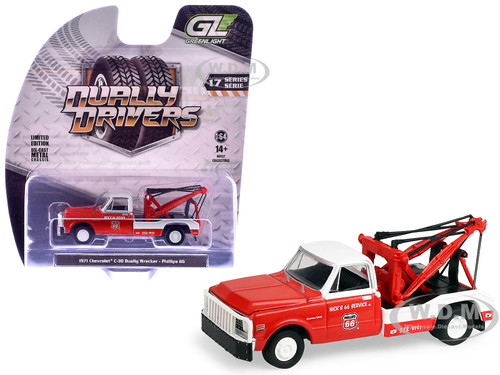
 $8.99
$8.99

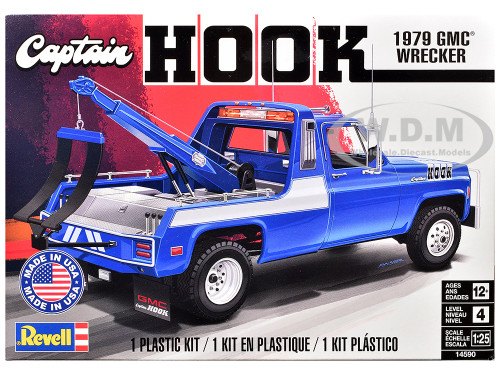





 $8.49
$8.49