Limousine diecast models capture some of the most recognizable luxury and chauffeur-driven automobiles ever produced. Characterized by extended passenger compartments, formal styling, spacious rear seating, and an emphasis on comfort and privacy, limousines have long been associated with weddings, special occasions, executive transportation, hotels, celebrities, government officials, and ceremonial events.
The Limousine category at DiecastModelsWholesale.com features scale model cars representing limousine designs from different eras and manufacturers. Depending on the individual model, collectors may find stretch limousines, classic luxury limousines, presidential and ceremonial cars, executive vehicles, and limousine versions of well-known American and European automobiles.
The category includes models in popular scales such as 1/12, 1/18, 1/24, and 1/43, depending on the specific vehicle and manufacturer. For collectors interested in other specialized passenger vehicles, explore the Vehicle Type collection or related Car diecast models.
What Is a Limousine?
A limousine is generally a luxury passenger automobile designed around the comfort and privacy of its occupants. Traditionally, the driver is separated from passengers by a partition or is positioned separately from the principal passenger compartment, although modern limousine designs vary considerably.
The word is associated with formal chauffeur-driven transportation, but the vehicles themselves have taken many forms throughout automotive history. Traditional luxury limousines were often large sedans or specially constructed bodies, while later stretch limousines were created by extending the wheelbase of existing automobiles.
Common characteristics of limousine models include:
- Extended wheelbase or passenger compartment
- Rear passenger seating
- Large luxury-car proportions
- Formal exterior styling
- Privacy partition or tinted windows on some designs
- Additional rear doors or extended body sections
- Luxury interior appointments
- Chauffeur-oriented design
- Custom coachbuilding or aftermarket conversion
For diecast collectors, these characteristics make limousine models visually different from standard production sedans, even when the underlying automobile is recognizable.
A Brief History of Limousines
The history of the limousine is closely connected to the development of chauffeur-driven luxury transportation and the custom coachbuilding industry. Early automobiles were frequently available in multiple body styles, and wealthy customers could commission specialized bodies from independent coachbuilders.
This tradition is especially visible in the history of luxury American automobiles. Lincoln, for example, became strongly associated with formal transportation and custom-bodied luxury cars. Ford's historical material notes that Lincoln was the limousine brand of choice for U.S. presidents and other notable figures for decades beginning in the late 1930s.
The Rise of the Luxury Limousine
As automobiles became more reliable and increasingly replaced horse-drawn transportation, large luxury cars became important status and transportation vehicles for business leaders, public officials, and wealthy families.
Custom coachbuilders played an important role during this period. Rather than every luxury vehicle being built in an identical configuration, manufacturers and specialist body builders could produce formal sedans, touring cars, town cars, landaulets, and limousine bodies.
This history is important when collecting classic limousine models because the same automobile manufacturer may have produced several body configurations based on a common chassis.
Lincoln and the American Limousine
Lincoln provides one of the clearest examples of the connection between American luxury cars and limousine history. The company was founded in 1917 and acquired by Henry Ford in 1922. Its focus on luxury, design, and customization helped establish Lincoln as an important American luxury marque.
Lincoln's history includes numerous vehicles that became associated with formal transportation. The Lincoln Continental, introduced in 1939, became one of the company's most recognizable luxury automobiles. Ford's historical records also document custom Lincoln limousines used by presidents and other prominent figures.
The Lincoln Continental and Limousine Collecting
The Lincoln Continental is particularly significant to collectors because it demonstrates how a luxury automobile could exist in both standard production and specialized limousine configurations.
The 1964 Lincoln Continental Stretch Limousine is one notable example. Ford records that this particular vehicle was custom built by Lehmann-Peterson for Pope Paul VI's 1965 visit to New York. It later served as a Chicago parade vehicle and was used by dignitaries and Apollo astronauts.
Ford also documented the 1964 Lincoln Continental Executive Limousine, including conversion equipment supplied by Lehmann-Peterson.
These vehicles demonstrate why limousine models can appeal to collectors beyond conventional automotive interests. A particular limousine can represent not only a car design but also a significant owner, event, manufacturer, coachbuilder, or historical occasion.
Stretch Limousines
The stretch limousine is perhaps the image most commonly associated with the word limousine today. Unlike traditional luxury limousines, a stretch limousine is generally based on an existing passenger automobile that has been lengthened to create additional passenger space.
Stretch conversions became especially visible in the second half of the 20th century. Large American sedans were particularly well suited to the conversion because their long wheelbases, body-on-frame construction on many models, and substantial passenger compartments provided a practical starting point.
Common stretch-limousine subjects include versions based on:
- Cadillac sedans
- Lincoln Town Cars
- Lincoln Continental models
- Chrysler automobiles
- Mercedes-Benz luxury cars
- Hummer-based specialty vehicles
- Other full-size luxury automobiles
For collectors, the underlying vehicle can be just as important as the conversion. A Lincoln Town Car stretch limousine, for example, represents both the history of the Town Car and the specialized limousine industry.
Classic and Vintage Limousines
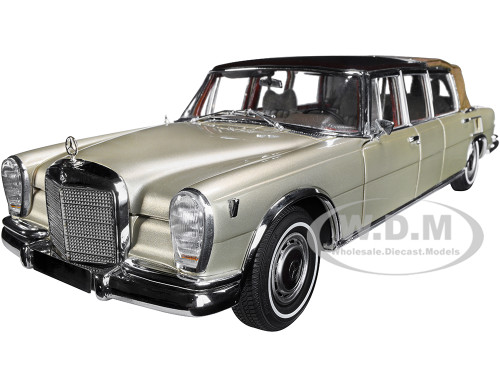
Classic limousine models provide an opportunity to explore the formal side of early American and European automotive design.
Older luxury cars often featured:
- Long hoods
- Separate fenders
- Large running boards
- Formal rear compartments
- Chauffeur partitions
- Upright grilles
- Coachbuilt bodies
- Leather or fabric interiors
- Large chrome headlights and trim
The distinction between a limousine, town car, sedan, and other formal body styles can vary by period and manufacturer. For collectors, the exact body style and historical description of the individual automobile are therefore useful when identifying a vintage model.
Presidential and Ceremonial Limousines
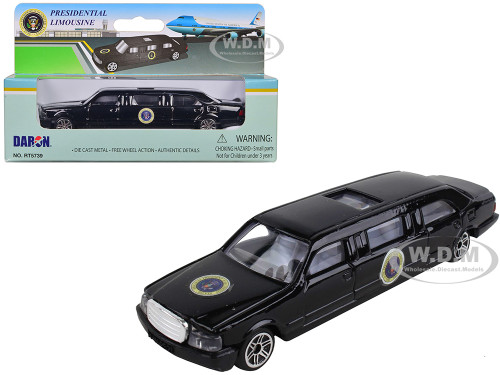
Government and ceremonial vehicles form another important area of limousine collecting. Presidential and state vehicles are often specially built or modified for security, communications, ceremonial appearances, and official transportation.
The connection between Lincoln and presidential transportation is particularly well documented. Ford's historical material notes Lincoln's long association with U.S. presidents and other notable figures, while its 1964 Continental stretch limousine example illustrates how specially configured vehicles could serve ceremonial purposes.
A diecast model of a presidential or ceremonial limousine can therefore represent an important piece of automotive and political history without being simply another luxury sedan.
Limousines in Popular Culture
Limousines have also become familiar symbols in movies, television, music, celebrity culture, and entertainment. Their long bodies, dark windows, formal appearance, and association with important passengers make them immediately recognizable on screen.
Classic Lincoln models are particularly prominent in popular culture. Ford's historical material documents appearances of the Lincoln Continental in films including Goldfinger, Animal House, and The Matrix.
This connection creates another collecting opportunity. Some collectors may choose limousine models because they represent a specific film, television production, celebrity association, or cultural era.
What to Look for in a Limousine Diecast Model
When selecting a limousine diecast model, collectors can consider several characteristics beyond the basic make and model.
Body Length and Proportions
The extended body is one of the defining features of a stretch limousine. A well-detailed scale model should maintain the proportions and distinctive appearance of the full-size vehicle.
Doors and Windows
Additional passenger doors, elongated side windows, privacy glass, and rear passenger access can help distinguish a limousine from the standard production version.
Interior
Larger-scale models may provide more room for interior detail. Depending on the model, collectors may find rear seating, partitions, carpeting, consoles, bars, or other luxury features represented.
Exterior Details
Grilles, headlights, wheels, chrome trim, door handles, mirrors, and manufacturer badges can be particularly important on classic limousine replicas.
Livery and Special Markings
Presidential, police, hotel, wedding, funeral, or commercial limousine vehicles may feature distinctive markings or equipment that identify their specific purpose.
Limousine Diecast Models by Scale
Limousine models are available in several popular diecast scales depending on the manufacturer and vehicle. The category includes models in 1/12, 1/18, 1/24, and 1/43 scale, with availability varying by individual product.
1/12 Scale
Large 1/12 models provide substantial display presence and can accommodate extensive exterior and interior detailing. Because limousines are already long vehicles, a 1/12 limousine can require considerable display space.
1/18 Scale
1/18 is a popular scale for detailed car collecting. It provides a useful balance between physical size and display detail, making it suitable for classic and modern limousine models.
1/24 Scale
1/24 scale offers a smaller footprint while retaining enough size for recognizable body and interior details. It can work particularly well for collectors who display multiple vehicles.
1/43 Scale
1/43 models are considerably more compact and allow collectors to display a wider selection of automobiles in the same space.
When adding a limousine to an existing collection, matching scale is useful for creating a consistent display.
Collecting Limousines by Era and Manufacturer
There are several ways to organize a limousine collection. A collector might focus on one manufacturer, such as Lincoln, Cadillac, Mercedes-Benz, or Chrysler, or instead build a timeline showing how luxury transportation changed over the decades.
Other possible themes include:
- Classic American limousines
- Stretch limousines
- Lincoln Continental limousines
- Lincoln Town Car limousines
- Cadillac limousines
- Presidential vehicles
- European luxury limousines
- Movie and television limousines
- Vintage coachbuilt automobiles
- Modern executive vehicles
- Luxury car conversions
Collecting by era can be particularly interesting because limousine styling changed along with the broader automobile industry. The formal proportions of a prewar coachbuilt limousine look very different from a 1960s American luxury car or a late-20th-century stretch limousine.
Limousines and Other Luxury Diecast Cars
Limousine models fit naturally into a broader collection of luxury and classic automobiles. A collector might display a limousine alongside a standard version of the same automobile to show how the body was modified for chauffeur-driven transportation.
For example, a standard Lincoln Continental and a stretch or formal limousine version can illustrate the relationship between production luxury cars and specialized coachbuilt vehicles.
They can also be displayed alongside other Car diecast models or organized within a collection focused on classic American automobiles.
Explore Limousine Diecast Models
From classic coachbuilt luxury cars and historic Lincoln limousines to stretch limousines and specialized ceremonial vehicles, limousine diecast models represent a distinctive part of automotive history. They combine recognizable automobile design with the custom bodywork, luxury appointments, and cultural significance associated with formal passenger transportation.
Browse the Limousine category at DiecastModelsWholesale.com to explore available 1/12, 1/18, 1/24, and 1/43 scale limousine models and find a vehicle that fits your automotive collection, display, or diorama.
 $1,185.99