Space & Sci-Fi Diecast Models
Explore the worlds of space exploration, science fiction, and futuristic vehicles with Space & Sci-Fi diecast models from DiecastModelsWholesale.com. This category brings together collectible models inspired by real spacecraft and rockets as well as fictional spaceships, futuristic vehicles, and iconic science-fiction designs from film, television, and popular culture.
For collectors, Space & Sci-Fi models offer two complementary ways to explore the subject. Real spacecraft and rockets connect miniature models with the history of aerospace engineering and space exploration, while science-fiction vehicles represent imaginative designs that have influenced how generations have envisioned the future.
From historic NASA spacecraft and launch vehicles to famous fictional starships, this category provides opportunities to collect by mission, vehicle, franchise, character, manufacturer, era, or scale.
What to Expect in Space & Sci-Fi Models
The Space & Sci-Fi category can include a broad range of subjects, depending on the models available. Collectors may find:
- Spacecraft and space vehicles
- Rockets and launch vehicles
- NASA and historic space-program models
- Lunar and planetary exploration vehicles
- Space shuttles
- Space capsules
- Space stations and spacecraft components
- Science-fiction spaceships
- Starfighters and futuristic aircraft
- Alien and extraterrestrial vehicles
- Movie and TV science-fiction vehicles
- Robots and futuristic machines
- Fictional spacecraft and starships
- Space-themed collectibles and display models
This combination of real and fictional subjects makes the category different from a traditional aviation collection. A NASA spacecraft can be collected for its historical significance, while a fictional starship can be collected for its connection to a favorite movie or television series.
Real Spacecraft and Space Exploration Models
Real spacecraft represent some of the most significant technological achievements of the modern era. NASA's historical spacecraft collections cover programs including Mercury, Gemini, Apollo, Skylab, Apollo-Soyuz, and the Space Shuttle, providing extensive documentation of the vehicles that carried people into and around space.
Space diecast models allow collectors to represent these achievements in a physical display without needing a full-size museum exhibit.
Rockets and Launch Vehicles
Rockets are among the most recognizable subjects in space collecting. They can also be some of the largest models in a collection because real launch vehicles are substantially taller than aircraft or automobiles.
The Saturn V is one of the most historically significant examples. NASA records that the first Saturn V flew on the uncrewed Apollo 4 mission on November 9, 1967. The rocket stood 363 feet tall and used three stages to send the Apollo spacecraft toward its test objectives.
For collectors, a Saturn V model can represent not just a rocket but an important chapter in the history of human spaceflight.
Apollo Spacecraft
Apollo provides several distinct subjects for model collectors. NASA describes the Apollo spacecraft as consisting of the Command Module, Service Module, and Lunar Module, each serving a different function during lunar missions.
This makes Apollo particularly interesting for collectors because a display can focus on the complete mission configuration or on individual spacecraft components.
Space Shuttle Models
The Space Shuttle introduced a very different visual language to space vehicles. Unlike traditional capsules, the Shuttle combined a reusable winged orbiter with external and launch components.
NASA's Shuttle program began its first flight with Columbia on April 12, 1981, and continued until the final landing in 2011. The fleet ultimately flew 135 missions.
Models representing Columbia, Challenger, Discovery, Atlantis, and Endeavour can therefore be collected individually or as part of a broader Space Shuttle display.
Science-Fiction Spaceships and Vehicles
Science fiction expands the category beyond documented aerospace history into imaginative transportation and spacecraft.
Science-fiction designers have created everything from enormous spacecraft and interstellar cruisers to compact starfighters, shuttles, escape vehicles, and futuristic ground vehicles. These designs often become recognizable symbols of the fictional universe in which they appear.
Starships and Spacecraft
Science-fiction spacecraft can vary dramatically in size and purpose. A fictional universe may include:
- Large capital ships
- Exploration vessels
- Cargo ships
- Fighter craft
- Interceptors
- Shuttlecraft
- Escape pods
- Transport ships
- Space stations
- Planetary vehicles
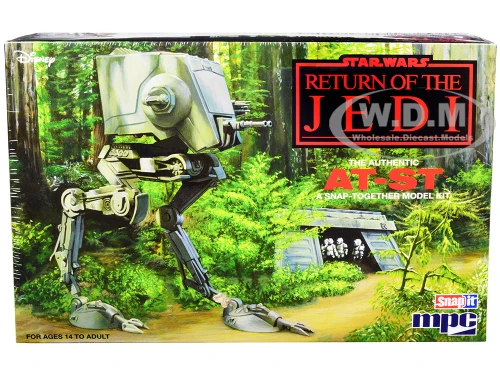
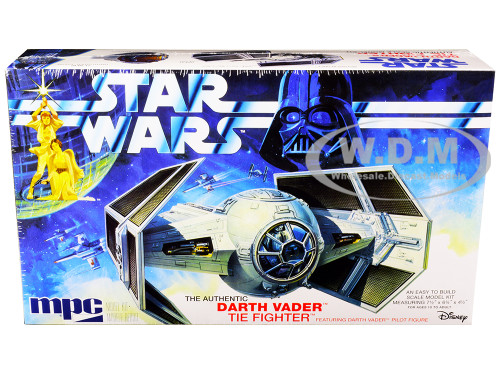
The Star Wars universe, for example, includes a large catalog of fictional spacecraft and vehicles. Official StarWars.com material documents subjects ranging from the Millennium Falcon and U-wing to the Naboo N-1 Starfighter and other ships from the franchise.
For collectors, this creates opportunities to build a collection around individual ships, factions, characters, films, series, or fictional eras.
Collecting Space & Sci-Fi Models
There are many ways to build a Space & Sci-Fi collection. Because the category includes both real and fictional subjects, collectors can choose a theme that matches their interests.
Collect by Space Program
A space-history collection can focus on a particular program such as Mercury, Gemini, Apollo, Skylab, or the Space Shuttle.
A collection can also follow the progression of human spaceflight, beginning with early crewed spacecraft and continuing through lunar exploration, reusable spacecraft, space stations, and newer generations of exploration vehicles.
Collect by Mission
Mission-based collecting can be particularly rewarding for space enthusiasts. A model can represent a specific launch, spacecraft configuration, lunar mission, or scientific expedition.
Apollo provides a strong example because individual missions used different spacecraft configurations and accomplished different objectives.
Collect by Spacecraft Type
Instead of following a particular agency or program, collectors can focus on a type of vehicle:
- Launch vehicles
- Space capsules
- Lunar modules
- Space shuttles
- Space stations
- Planetary spacecraft
- Space probes
- Rovers
- Fictional spacecraft
- Starfighters
This approach can create a diverse collection while maintaining a clear space theme.
Collect by Science-Fiction Franchise
For fictional vehicles, collecting by franchise is one of the most straightforward approaches.
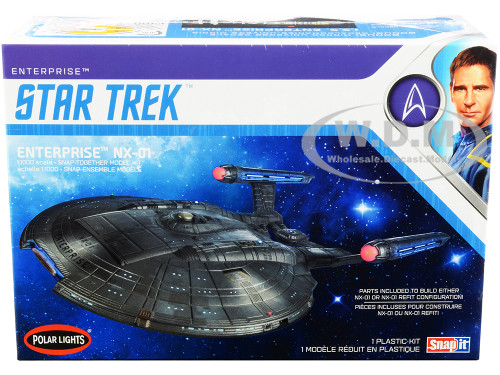
A collection might focus on Star Wars, Star Trek, or another science-fiction universe. Collectors can then build around particular ships, characters, factions, films, television series, or eras.
This also makes it possible to display multiple versions of related spacecraft and compare how fictional vehicle designs developed over time.
Spacecraft Models and Scientific History
Real spacecraft models can be more than decorative objects. They provide a visual way to understand the development of aerospace technology.
NASA's historical resources include technical diagrams of Mercury, Gemini, Apollo, Skylab, Apollo-Soyuz, and Space Shuttle spacecraft specifically useful to modelers and space enthusiasts.
The progression from small early capsules to larger spacecraft and reusable orbiters demonstrates how rapidly space technology developed during the second half of the 20th century.
The history continued beyond crewed lunar exploration. NASA's record of robotic exploration covers spacecraft sent to the Moon, planets, their moons, comets, asteroids, the Sun, and beyond the solar system.
For collectors, this means a Space & Sci-Fi collection can extend far beyond rockets and famous crewed spacecraft.
Space & Sci-Fi Models for Display
Spacecraft have very different proportions from conventional diecast cars and trucks, so display planning is particularly important.
Some models are long and narrow, while others have wide wings, large engines, extended landing gear, antenna structures, or other components. Fictional spacecraft can be even more varied.
When planning a display, consider:
- Overall model dimensions
- Scale
- Display orientation
- Landing gear or support stands
- Wings and other extended components
- Clearances around the model
- Height of the display area
- Whether the model is designed for horizontal or vertical presentation
Large rocket models can work well as individual centerpiece pieces, while smaller spacecraft can be grouped into collections representing a mission, program, or fictional universe.
Space & Sci-Fi Diecast Scales
Scale is particularly important when collecting spacecraft because there is no single universal scale across all space subjects.
Depending on the manufacturer and subject, collectors may encounter scales such as 1/72, 1/100, 1/144, 1/200, 1/400, and 1/500, along with other specialized scales.
Larger Spacecraft Models
Larger-scale models provide more room for surface detailing, markings, engines, cockpit areas, antennas, landing gear, and other features.
They can be particularly effective when the goal is to display one historically important spacecraft or fictional ship as a centerpiece.
Smaller Space Models
Smaller scales make it easier to display several spacecraft together. They can be useful for collectors building collections around space programs, missions, fleets, or fictional universes.
Because real spacecraft vary enormously in size, the same nominal scale can produce very different model dimensions depending on the original vehicle.
Real Spacecraft vs. Science-Fiction Models
One of the most interesting aspects of this category is the contrast between documented aerospace history and imaginative vehicle design.
A Saturn V represents an actual engineering program that carried Apollo spacecraft toward the Moon. A fictional starship represents a design created to serve a story or imagined future.
Both can be valuable collectibles, but for different reasons.
Real spacecraft models can appeal to collectors interested in engineering, history, science, exploration, and specific missions. Science-fiction models can appeal to fans of movies, television, fictional universes, character stories, and futuristic design.
Some collectors enjoy combining both approaches, creating displays that show real space vehicles alongside the science-fiction spacecraft that helped shape popular visions of space travel.
Building a Space Collection
A well-planned collection can be organized around a single subject or several connected themes.
For example, a historical collection could progress from early American crewed spacecraft through Apollo and the Space Shuttle. A science-fiction collection could focus on one franchise and include multiple ship classes. Another collection could combine real rockets, spacecraft, and fictional vehicles based on a broader interest in space exploration.
Collectors can also organize models by:
- Space agency
- Mission
- Spacecraft type
- Launch vehicle
- Manufacturer
- Franchise
- Movie or TV series
- Character
- Fictional faction
- Era
- Scale
Keeping a consistent theme makes it easier to expand a collection without losing its overall identity.
Why Collect Space & Sci-Fi Models?
Space and science fiction combine technology, history, exploration, imagination, and visual design. A single model can represent a historic mission, an important engineering achievement, or a memorable fictional story.
For space enthusiasts, a detailed spacecraft model provides a tangible connection to vehicles that traveled beyond Earth. For science-fiction fans, a miniature starship can preserve the design of a fictional universe in a physical display.
The category also offers room for collections to evolve. You can begin with one favorite spacecraft or fictional vehicle and gradually expand into related missions, programs, ships, characters, or scales.
Shop Space & Sci-Fi Diecast Models
Explore the Space & Sci-Fi category at DiecastModelsWholesale.com to discover collectible models inspired by real spacecraft, rockets, space exploration, science-fiction vehicles, and iconic fictional spacecraft. Whether you are looking for a historic space vehicle, a rocket from a famous mission, or a favorite science-fiction ship, browse the available models and find the next piece for your collection.